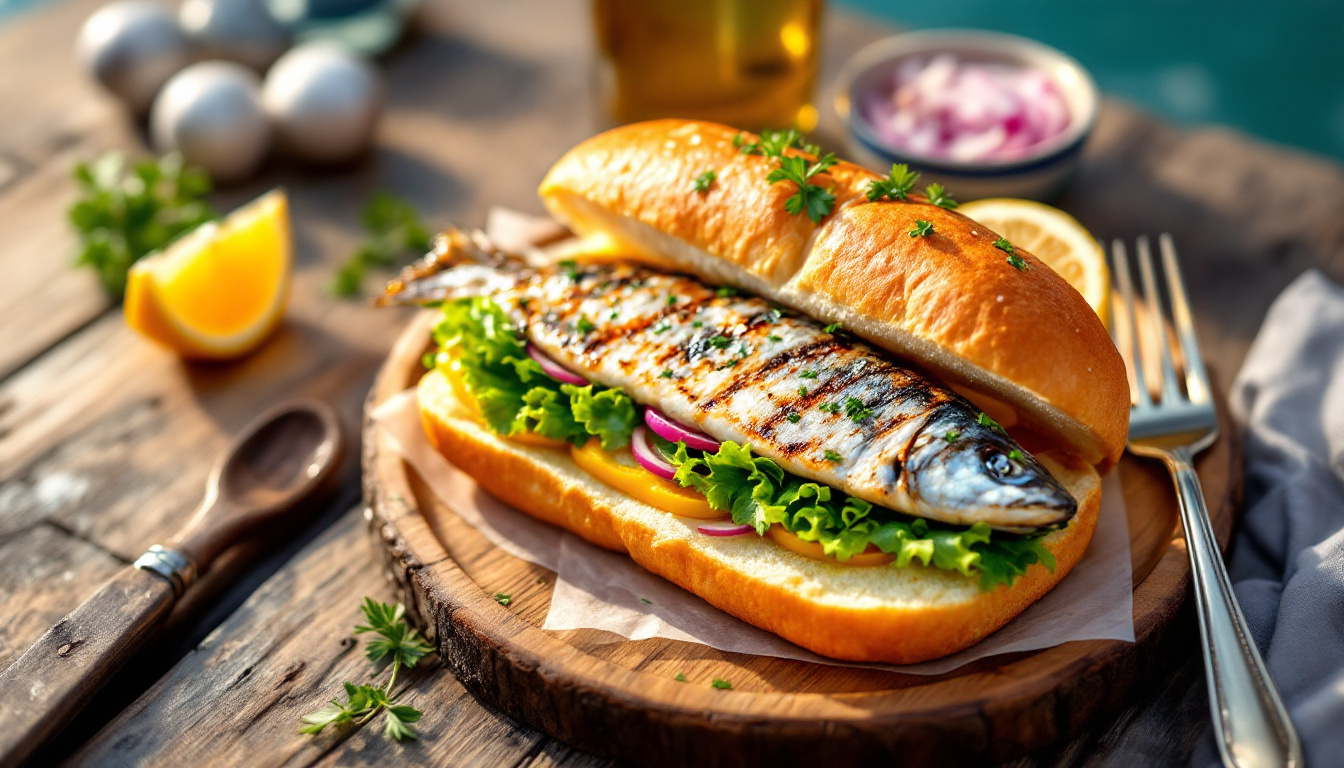
A fish sandwich by the Galata Bridge, a simit from a red cart, Iskender kebab under foaming butter, and a long meyhane night of meze and raki: a neighborhood guide to eating across two continents in Istanbul.
I ate my first balik ekmek standing on the quay at Eminönü, the boat it came from pitching on the Bosphorus wake while the cook flipped mackerel a metre from my face, salt, smoke, lemon, bread, and the whole city moving behind it. The best food in Istanbul is eaten on the move and across two continents, from the fish-sandwich boats rocking at Eminonu to the kebab houses of the old city and the meze tables of Kadikoy. This is a city where breakfast can last three hours, where a sesame simit costs less than the tea you drink with it, and where the call to dinner is a glass of raki turning cloudy with water. Istanbul sits where Europe meets Asia. It eats like the capital of an empire that pulled in flavors from the Balkans to Baghdad.
Why Istanbul is one of the world’s great food cities
Istanbul is one of the world’s great food cities because it inherited an empire’s kitchen and still eats it on the street. The wider Turkish picture is in our complete Turkey food guide. But Istanbul concentrates Ottoman palace cooking, Anatolian regional food brought by migrants, and an Aegean seafood-and-meze culture into one vast city split between Europe and Asia.
The food organizes around water and neighborhoods. The ferry piers (Eminonu, Karakoy, Besiktas, Kadikoy, Uskudar) are street-food hubs. The old city has the kebab houses and the Spice Bazaar; Beyoglu and Kadikoy hold the meyhane (taverns) and modern restaurants; the Asian side around Kadikoy has the best market and regional Anatolian cooking. This guide moves through each. It sits alongside our wider guide to the best food in Africa and the Middle East.
The street food: simit, balik ekmek and the piers
Istanbul’s street food is best near the ferry piers, where the city eats on its feet between boats. The waterfront at Eminonu and Karakoy is the place to start, with carts and stalls turning out the snacks that define the city.
Balik ekmek fish sandwich
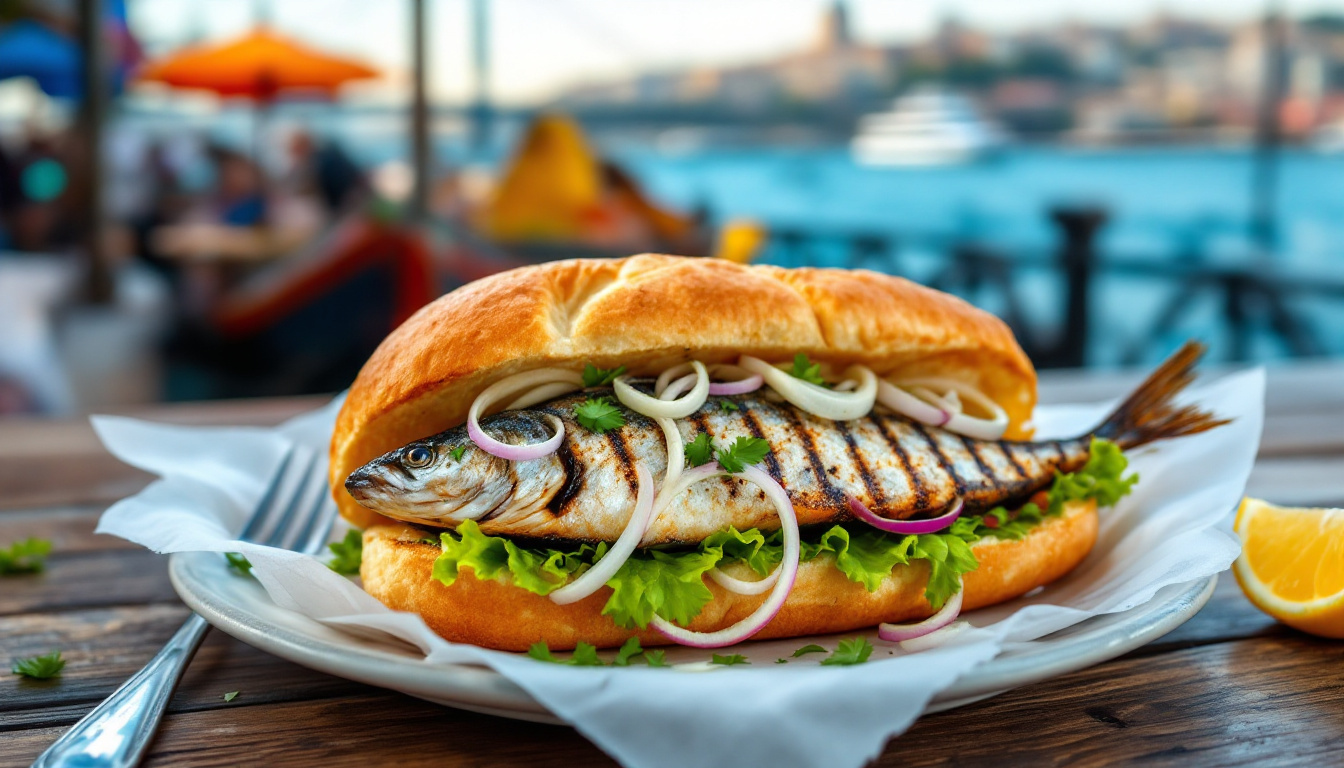
Balik ekmek is a fillet of grilled fish (usually mackerel) crammed into crusty bread with onion, lettuce, and a squeeze of lemon, and it’s the taste of the Istanbul waterfront. The classic spot is the row of bobbing boats and stalls at Eminonu, by the Galata Bridge, where they grill it to order as the ferries come in. Add a squeeze of lemon and a shake of salt, eat it standing by the water, and chase it with a pickle juice (turshu suyu) from the next cart. Nimet Abla is a long-running name.
Around it, the rest of the pier-side lineup: simit (the sesame bread ring) from red carts everywhere, midye dolma (mussels stuffed with spiced rice, eaten by the dozen with lemon), kokorec (seasoned grilled offal in bread, for the adventurous), and at Ortakoy on the Bosphorus, the kumpir, a giant baked potato mashed with butter and cheese and piled with toppings. Two more to hunt down: lahmacun, the wafer-thin minced-meat flatbread (Turkey’s answer to pizza) that you squeeze with lemon, pile with parsley and roll up, and , after midnight on İstiklal , the islak burger (“wet burger”), a soft slider steamed in a tomato-garlic sauce and kept warm under glass. None costs more than a few dollars.
Save room for the sweets. Künefe is the showstopper: shredded kadayıf pastry packed with stretchy unsalted cheese, baked crisp, drenched in syrup and showered with pistachio , best eaten hot so the cheese pulls into threads. And dondurma, the chewy, stretchy mastic-and-salep ice cream, is sold with theatrical sleight-of-hand by vendors who snatch the cone back before they hand it over.
Kebabs and meyhane: where Istanbul eats at night
Istanbul does kebabs at the ocakbasi (grill house) and long dinners at the meyhane (tavern), and both are essential after dark. The kebab is far more varied than the doner stereotype. The meyhane is a whole evening, not a meal.
Iskender kebab and the ocakbasi
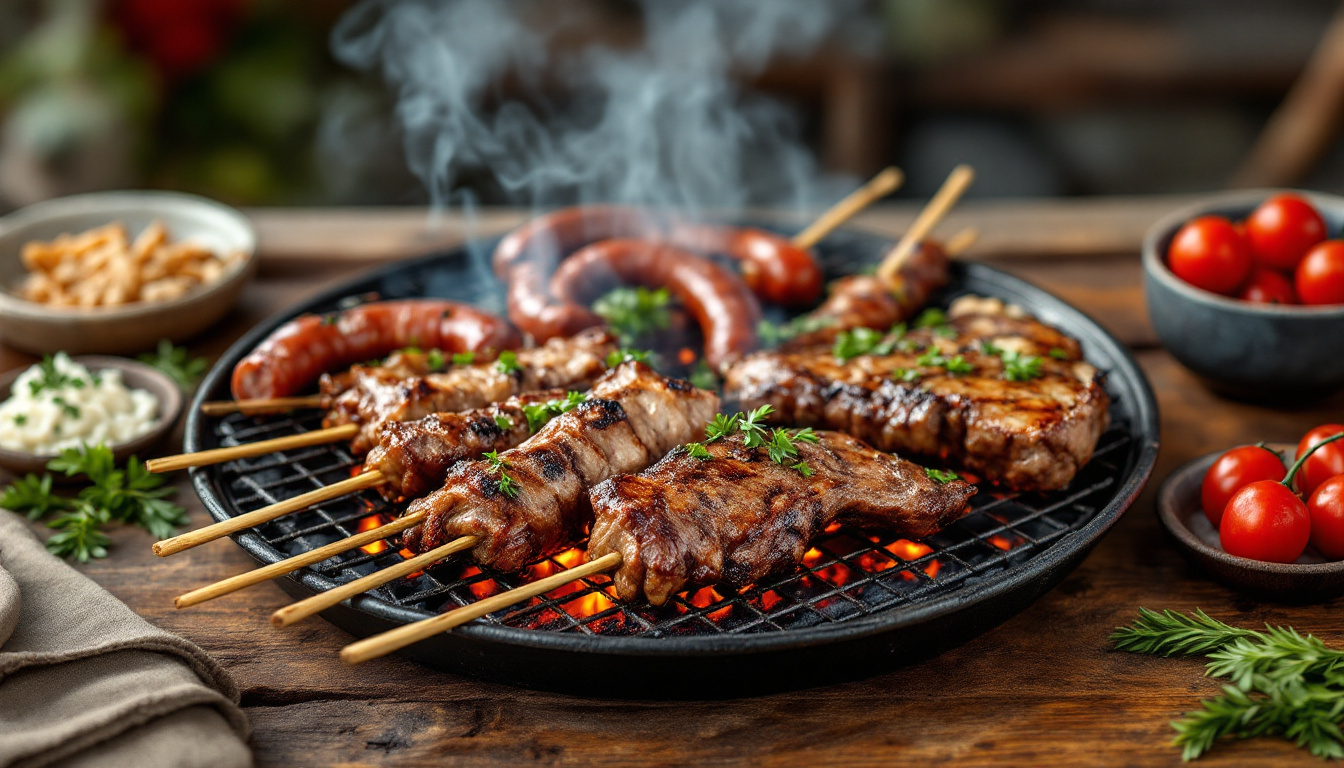
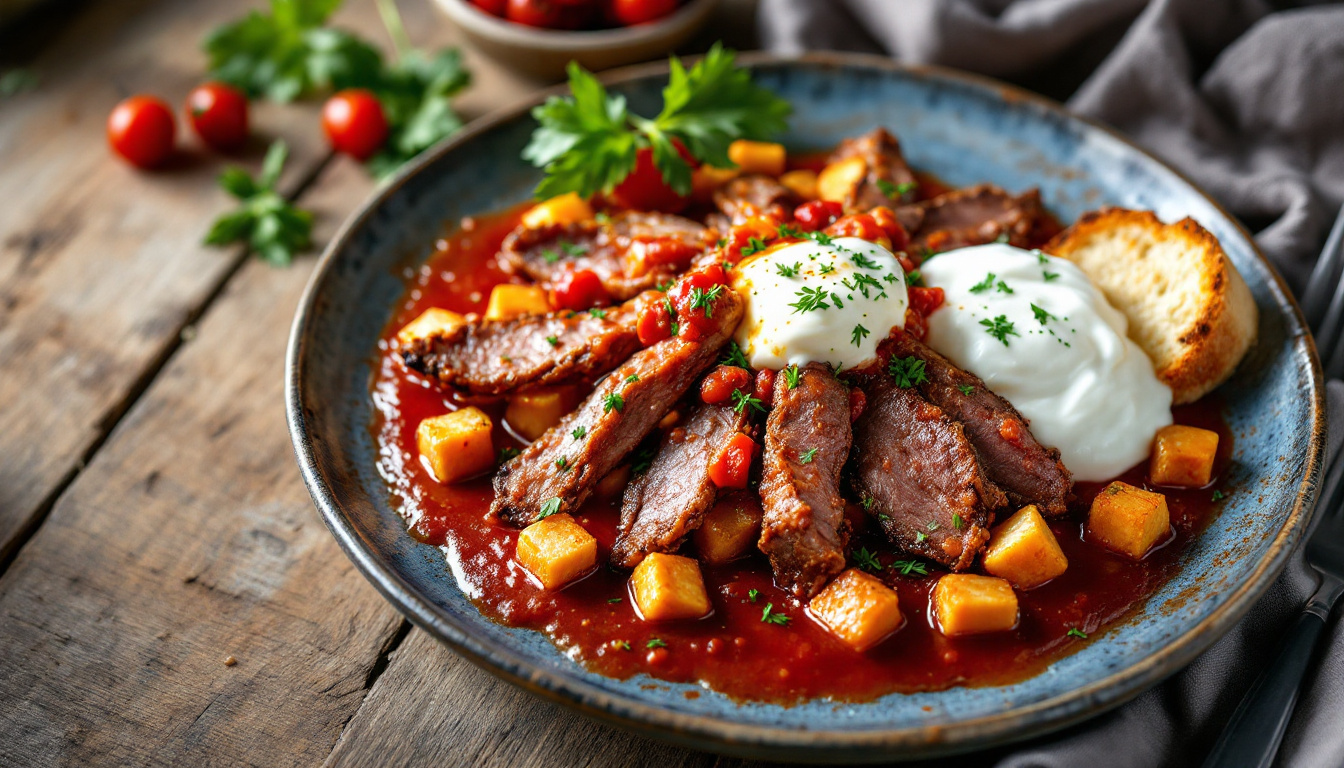
Iskender kebab is thin slices of doner laid over cubed bread, drenched in tomato sauce and foaming melted butter, with a side of yogurt, and it’s the kebab to order sitting down. Beyond it, a good ocakbasi (grill house) does smoky Adana and Urfa kebabs (spiced minced lamb on flat skewers), shish, and lamb chops grilled over charcoal in front of you. Zubeyir Ocakbasi in Beyoglu is a local favorite, always packed. For something different, seek out cag kebab, the horizontally grilled lamb from the northeast.
The meyhane is the other half of Istanbul nights. These taverns are built around raki, the anise spirit, and a parade of cold and hot meze, fish, and conversation that runs for hours. You order a spread of small plates (haydari, fava, stuffed vine leaves, grilled octopus, fried mussels) to share, top up the raki with water and ice, and stay late. The lanes off Istiklal in Beyoglu and the streets of Kadikoy on the Asian side are the heartlands.
Markets, the Asian side and Turkish breakfast
For the deepest food in Istanbul, cross to the Asian side and start with breakfast. The Kadikoy market is the city’s best, and the long Turkish breakfast is an institution worth building a morning around.
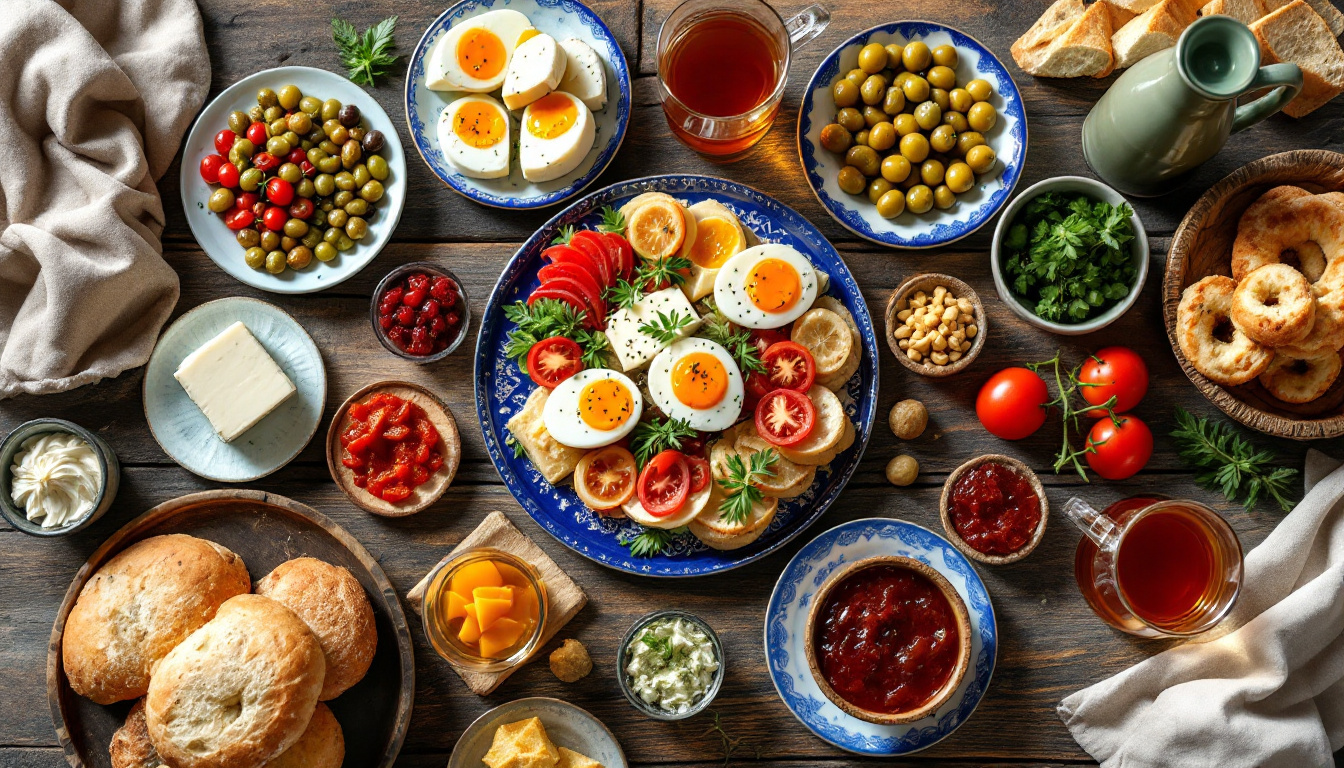
- Turkish breakfast (kahvalti), a sprawling spread of cheeses, olives, tomato, cucumber, eggs, honey with clotted cream (bal kaymak), jams, and bread, with endless tea. Plan two hours and skip lunch.
- Kadikoy market, the Asian side’s food market, plus Ciya Sofrasi, famous for rare regional Anatolian dishes you will not find elsewhere.
- The Spice Bazaar (Misir Carsisi), in Eminonu, for lokum (Turkish delight), spices, dried fruit, and pistachios.
- Borek and pide spots, for flaky filled pastry (su boregi) and boat-shaped Turkish flatbread baked to order.
- Patisseries, like Baylan in Kadikoy, for old-Istanbul desserts alongside the baklava shops.
The dishes you have to try
The snack that defines everyday Istanbul is the simit, but the city’s range runs from street carts to palace pastry. Here are the essentials, the rough price, and what makes each worth ordering. The lira moves fast, so figures are in US dollars as of 2026.
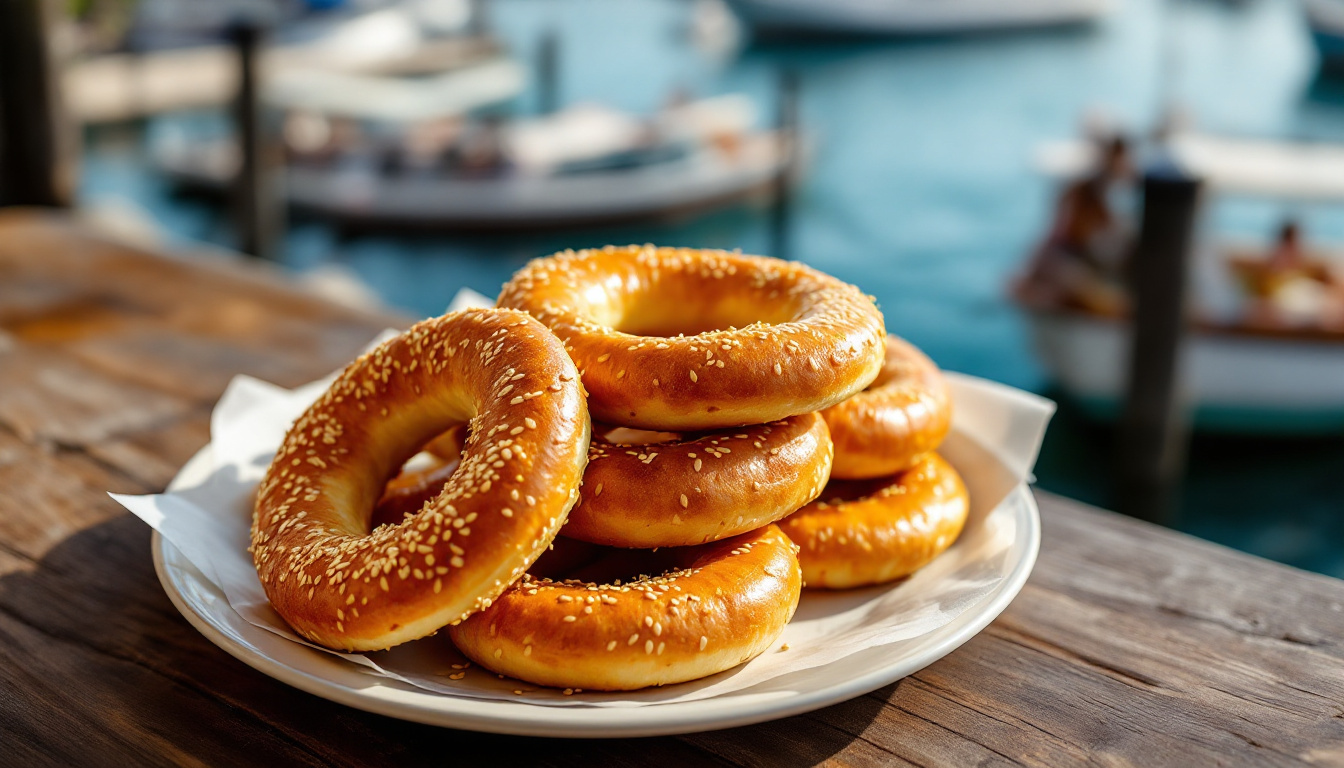
Simit
Simit is a ring of bread crusted in sesame seeds, sold from red carts on every corner and ferry, and it’s what Istanbul eats on the move. Crisp outside and chewy within, it’s the breakfast of commuters, eaten plain, with tea, or split with cheese. Fresh and warm in the morning it’s genuinely great. Later in the day it dries out. It costs almost nothing and is the most democratic food in the city, sold by the same carts to bankers and students alike.
Turkish breakfast kahvalti
Turkish breakfast (kahvalti) is a sprawling table of small plates eaten slowly, and it’s one of the great meals of the city. The spread covers white cheese and aged kasar, green and black olives, tomato and cucumber, menemen (eggs scrambled with tomato and pepper), sucuk (spiced sausage), honey with clotted cream, jams, and a bottomless supply of tea poured from a double pot. Weekends in Besiktas, Kadikoy, and Cihangir are built around it. Come hungry and clear your morning.
| Dish | What it is | Price (2026, USD) | Where |
|---|---|---|---|
| Balik ekmek | Grilled fish sandwich | $3-5 | Eminonu, Karakoy piers |
| Simit | Sesame-crusted bread ring | $0.50-1 | Street carts citywide |
| Iskender kebab | Doner over bread with tomato, butter, yogurt | $8-14 | Ocakbasi grill houses |
| Adana / Urfa kebab | Spiced minced lamb on flat skewers, grilled | $8-15 | Ocakbasi (Zubeyir) |
| Meze and raki | Spread of small plates at a tavern | $20-40 | Meyhane, Beyoglu and Kadikoy |
| Turkish breakfast | Vast kahvalti spread with tea | $10-18 | Besiktas, Kadikoy, Cihangir |
| Midye dolma | Stuffed mussels with lemon | per piece, cheap | Street carts, late night |
| Baklava | Layered pistachio pastry | $3-6 a portion | Karakoy Gulluoglu and specialists |
What to drink and how to eat well
The drink that runs through Istanbul life is tea (cay), served small and dark from morning to night. It comes in tulip-shaped glasses, offered constantly, the social glue of every shop and meal. Turkish coffee (kahve), thick and unfiltered, is the slower ritual, served with a piece of lokum. Ayran, a salty yogurt drink, cuts through kebabs, and at the meyhane, raki (the anise spirit, drunk with water and ice) is the centerpiece. Freshly squeezed pomegranate and orange juice are sold from carts, and boza and salep are the warm winter drinks.
- Tea is offered everywhere as hospitality; accepting it is polite and expected, especially when shopping.
- The meyhane is a slow, social affair; do not rush a raki dinner, and order meze to share.
- Tip around 10 percent in restaurants; round up for casual and street food.
- Vegetarians do well with the meze table, Turkish breakfast, borek, pide with cheese, and dishes like imam bayildi (stuffed eggplant) and mercimek (lentil soup).
- Ramadan shifts the rhythm: many eat at sunset (iftar), and the city fills with special breads and sweets after dark.
Frequently asked questions
What is the most popular and typical food in Istanbul?
The most popular and most typical Istanbul foods are balik ekmek (grilled fish sandwich at Eminönü), simit, lahmacun, döner, and the Iskender and Adana kebabs, plus a long meze-and-rakı meyhane dinner. The most famous street snacks are simit, midye dolma and the late-night islak burger, and the desserts to chase are künefe and baklava.
What food is Istanbul known for?
Istanbul is known for balik ekmek (grilled fish sandwiches by the Bosphorus), simit (sesame bread rings), kebabs like Iskender and Adana at grill houses, the meze-and-raki meyhane tradition, and the long Turkish breakfast. It blends Ottoman palace cooking, Anatolian regional food, and Aegean seafood, eaten across both its European and Asian sides.
Where is the best balik ekmek in Istanbul?
The classic balik ekmek (fish sandwich) is found at the waterfront in Eminonu, by the Galata Bridge, where boats and stalls grill fish to order. Long-running names include Nimet Abla. Karakoy and the piers up the Bosphorus also have excellent versions. Eat it standing by the water with a squeeze of lemon and a tart pickle juice from the next cart.
What is a meyhane?
A meyhane is a traditional Turkish tavern built around raki (anise spirit) and a long parade of cold and hot meze, fish, and conversation. A meyhane evening is a slow, social affair lasting hours, where you order many small plates to share and top up the raki with water and ice. The lanes off Istiklal in Beyoglu and the streets of Kadikoy are the heartlands.
Which side of Istanbul has better food, European or Asian?
Both sides have outstanding food, and the best plan is to eat on both. The European side has the historic street-food piers at Eminonu and Karakoy, the Spice Bazaar, and the Beyoglu meyhanes. The Asian side around Kadikoy has the city’s best food market, the famous Ciya Sofrasi for regional Anatolian dishes, and a relaxed cafe and meyhane scene. A cheap ferry connects them.
How much does food cost in Istanbul?
Istanbul is affordable for visitors, though the lira is volatile. As a 2026 guide, a simit is well under a dollar, a balik ekmek around $3-5, an Iskender kebab $8-14, and a full meyhane dinner with raki $20-40 per person. A long Turkish breakfast runs $10-18. Carry some cash, since prices shift and small vendors prefer it.
Can vegetarians eat well in Istanbul?
Vegetarians eat well in Istanbul. The meze table and Turkish breakfast are largely vegetable-based, and dishes like imam bayildi (stuffed eggplant), mercimek corbasi (lentil soup), borek and pide with cheese, dolma (stuffed vine leaves), and gozleme offer plenty. The Kadikoy area has a growing vegetarian scene, though kebab houses are meat-focused.
More food guides waiting for you
Browse our complete collection of food guides across Africa and the Middle East.