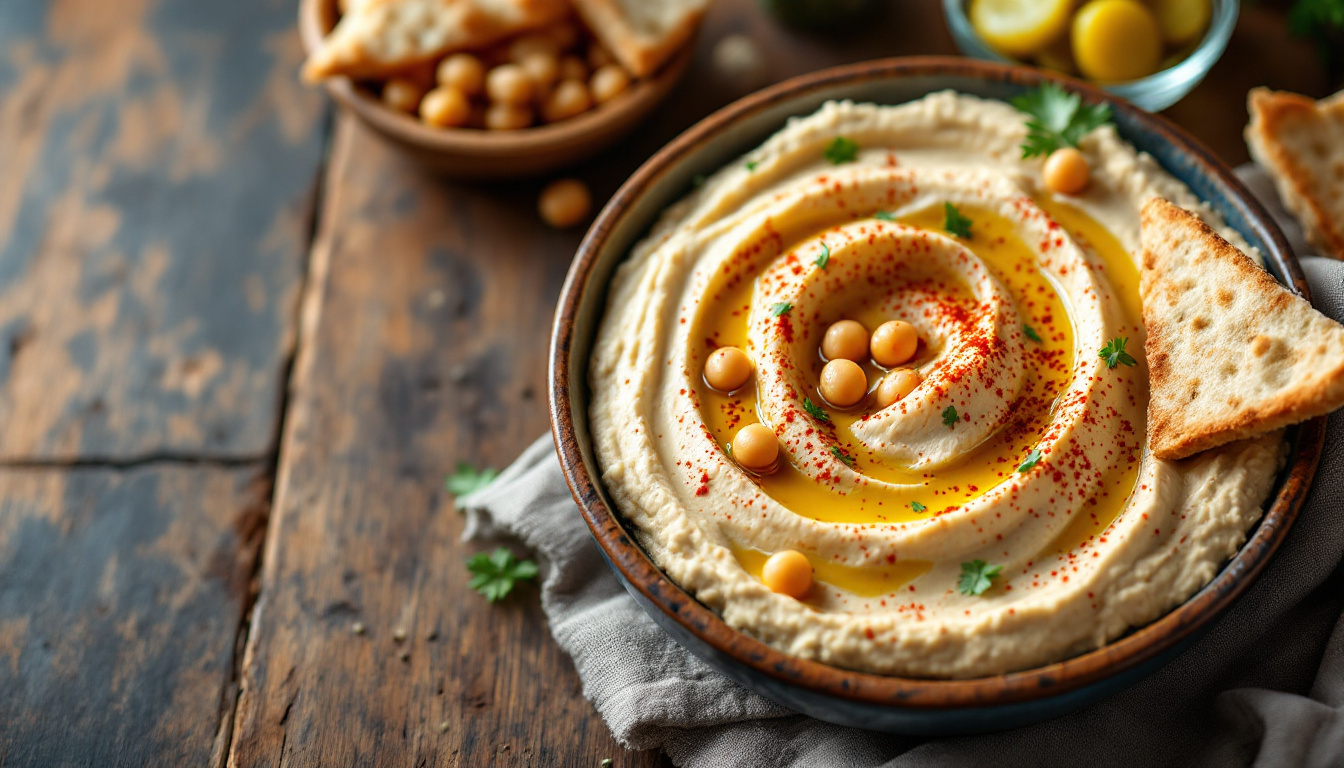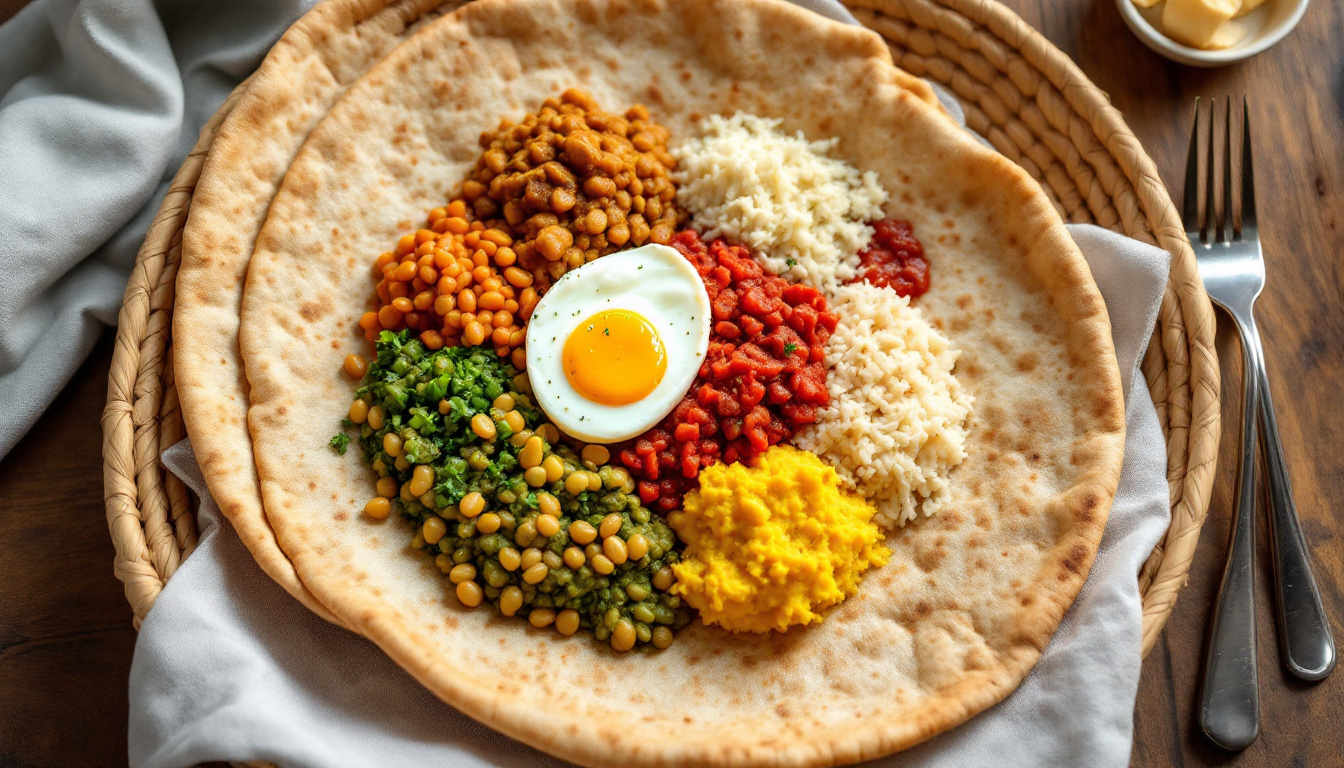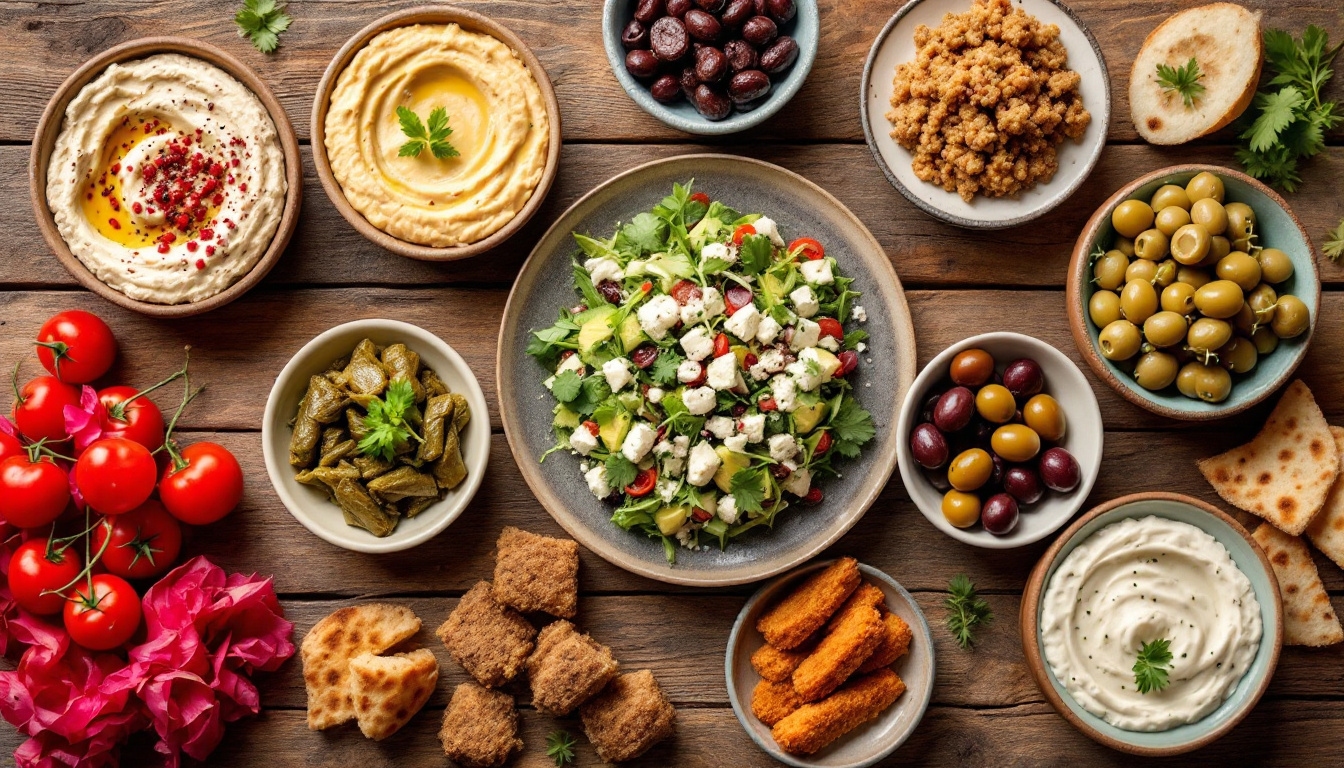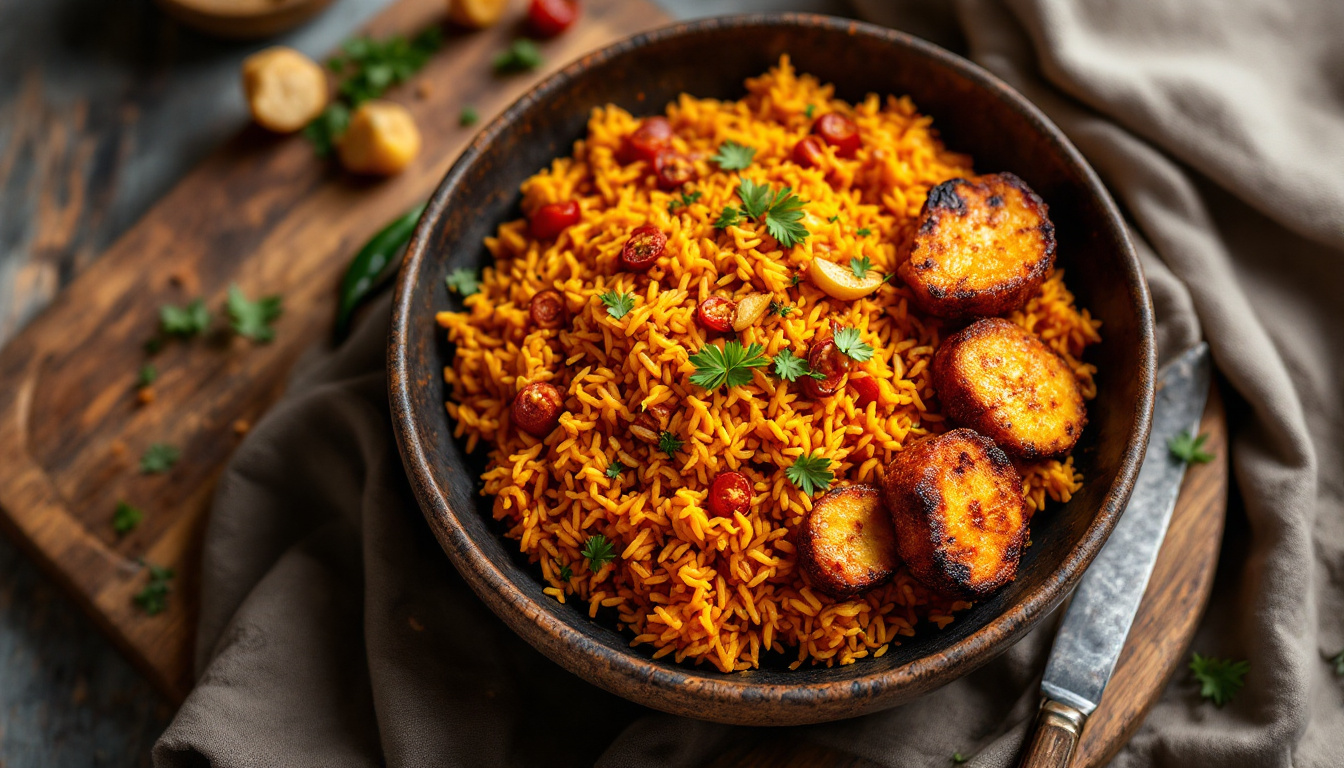
Smoky party jollof from a roadside pot, peppery suya wrapped in newspaper at midnight, a bowl of egusi with pounded yam, and a sweet, peppery chapman to wash it down: a neighborhood guide to eating in Lagos.
The best food in Lagos is smoky jollof rice, spicy suya, and a steaming bowl of egusi with pounded yam, eaten with your hands and a lot of pepper. Nigeria’s pulsing megacity eats with serious energy, from the roadside suya grills and buka canteens to the rooftop lounges of Victoria Island. The food is bold and generous, built on rice, yam, beans, plantain, and the rich soups that define West African cooking. Loud, fast, intensely flavorful: Lagos is one of Africa’s great and most exciting food cities.
Why Lagos is a great food city
Lagos is a great food city because it feeds more than twenty million people with bold, fiery, soulful cooking, and because its energy and diversity make eating here an adventure. The wider national picture is in our complete Nigeria food guide, but Lagos concentrates it: every Nigerian region’s cooking turns up here, from Yoruba and Igbo classics to northern suya, alongside a booming modern restaurant scene. It anchors one corner of a huge and varied region we map in our guide to the best food in Africa and the Middle East.
The constants are rice, yam, beans, plantain, and pepper, with the rich, thick soups eaten with a starchy “swallow” at the heart of it all. Lagosians love heat, so expect chili in everything. They also love to eat out, whether at a humble buka (local canteen, also called mama put), a roadside suya stand, or a glossy Lekki lounge. Eating with your hands is normal and welcomed. This guide runs through the dishes that define the city, then where to find them.
The best food in Lagos, dish by dish
These are the 13 things I tell every visitor to eat, with rough notes on cost and what makes each matter. Prices are in naira (NGN), and the street food is gloriously cheap.
Jollof rice
Jollof rice is Nigeria’s pride, and the dish that starts friendly wars (the “jollof wars” with Ghana and Senegal). Long-grain rice is simmered in a rich, slow-cooked base of blended tomato, red pepper, onion, and spices until it turns deep orange and soaks up every drop of flavor. The prize is party jollof, cooked over firewood so it picks up a smoky char at the bottom. Served with fried plantain, chicken, or beef, smoky and savory Lagos jollof is the first thing to eat. Locals will insist theirs is the best on earth.
Suya
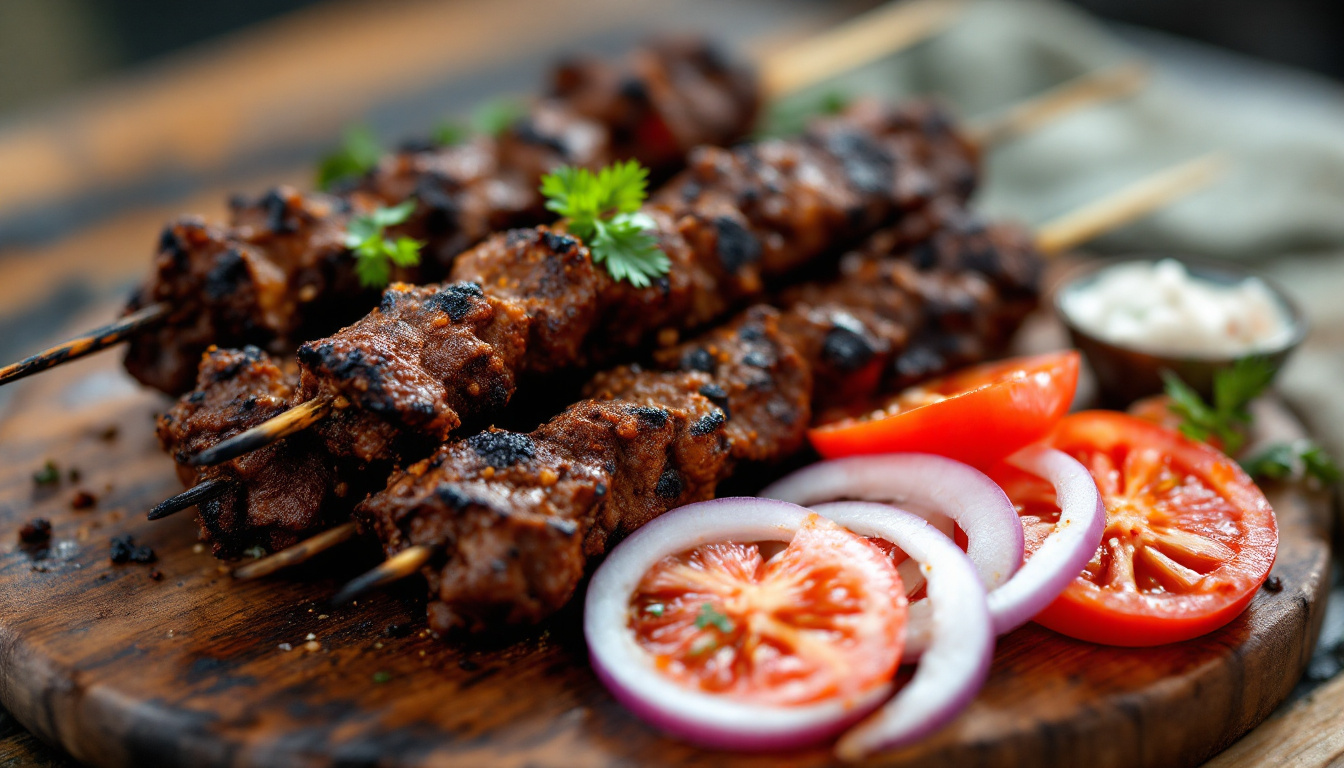
Suya is the undisputed king of Lagos street food, thin skewers of beef (or ram, chicken, and offal) coated in yaji, a fiery, nutty spice rub of ground peanuts, chili, ginger, and spices, then grilled over open coals by a mallam. It’s served late into the night, wrapped in paper or newspaper with sliced raw onion, tomato, and extra yaji. Smoky, spicy, completely addictive. Finding a good suya spot and eating it hot off the grill is an essential Lagos night-time ritual.
Egusi soup and swallow
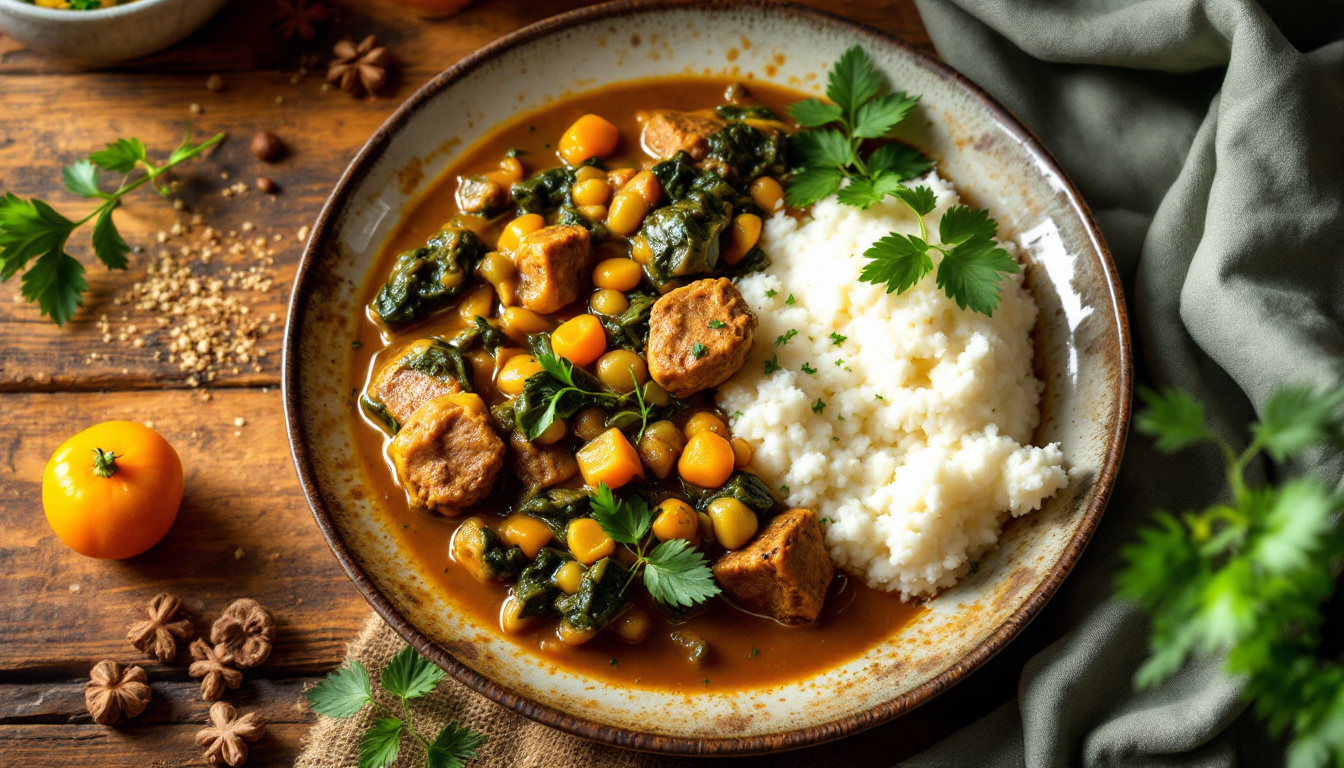
Egusi is the beloved soup at the heart of Nigerian cooking: ground melon seeds cooked into a thick, rich stew with palm oil, leafy greens, peppers, and assorted meat and fish (often including stockfish and tripe). You eat it with a “swallow,” a soft starchy mound like pounded yam, eba (garri), or fufu, which you pinch off, dip, and swallow without chewing. Hearty and nutty, egusi with pounded yam is the comforting soul food Lagosians could eat every day.
Pepper soup
Pepper soup is a fiery, fragrant clear broth, simmered with a blend of West African spices and plenty of chili, light yet intensely warming. The classic Lagos version is catfish pepper soup (point and kill, where you pick your live fish), though goat meat and assorted-meat versions are equally loved. Have it as a starter, a hangover cure, or a meal with a little yam. A bowl of catfish pepper soup at a relaxed joint is a Lagos evening staple.
Akara and moin moin
Beans get the breakfast treatment two brilliant ways. Akara are fluffy fritters of peeled black-eyed peas blended with onion and pepper, deep-fried until crisp and golden, eaten hot with bread or pap (a fermented corn porridge). Moin moin is the steamed cousin, a savory bean pudding of the same batter cooked with peppers, onion, and sometimes egg or fish into a soft, dense cake. Both are protein-rich, satisfying, and largely vegetarian (akara especially), and they are classic, cheap Lagos street and breakfast food.
Ewa agoyin and agege bread
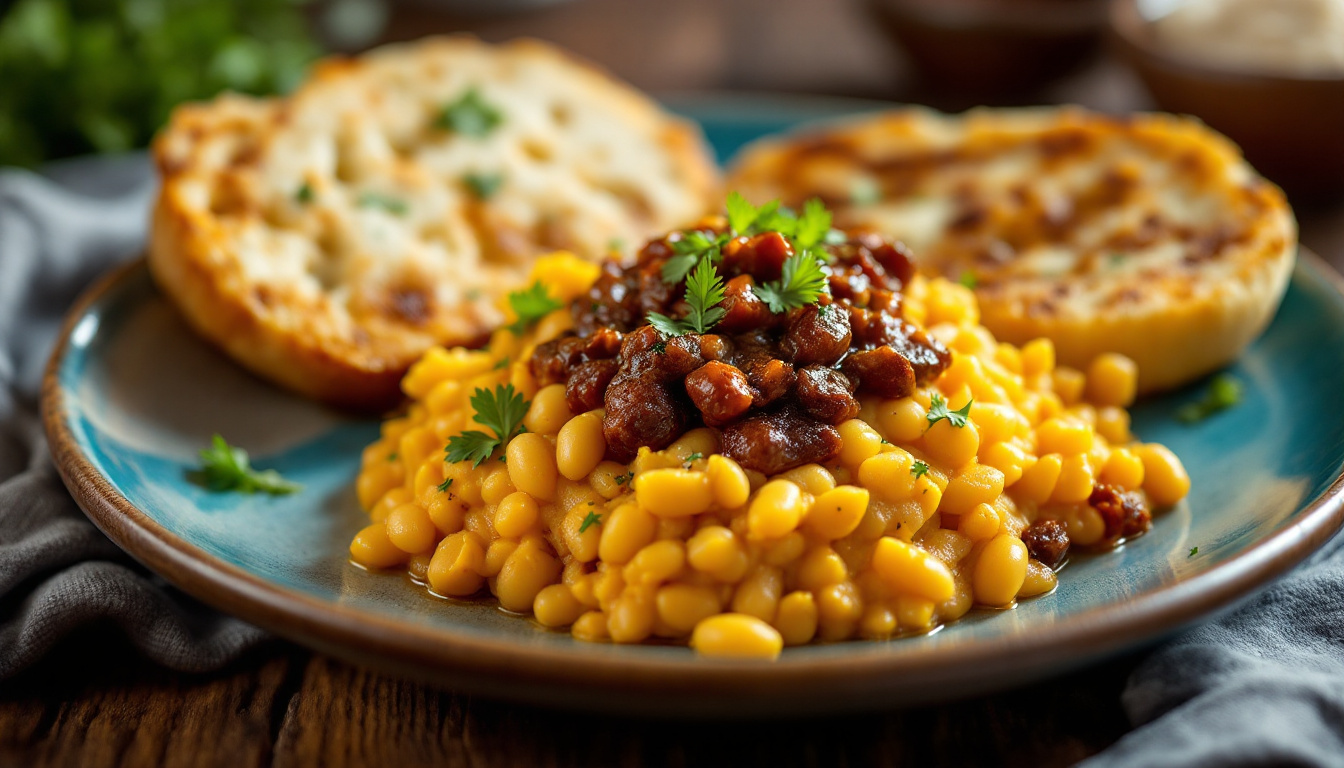
Ewa agoyin is one of Lagos’s most addictive street meals: soft beans cooked until they collapse into a creamy mash, then crowned with a dark, almost-black sauce of slowly fried onions, ground dried pepper, and palm oil that’s fiery, smoky, and faintly sweet. The only correct way to eat it is scooped up with agege bread, the soft, slightly sweet, pull-apart white loaf named after the Lagos district and sold warm by hawkers on the same street. Cheap, messy, beloved across class lines: a wrap of ewa agoyin with agege bread is everyday Lagos eating at its very best.
Puff puff and small chops
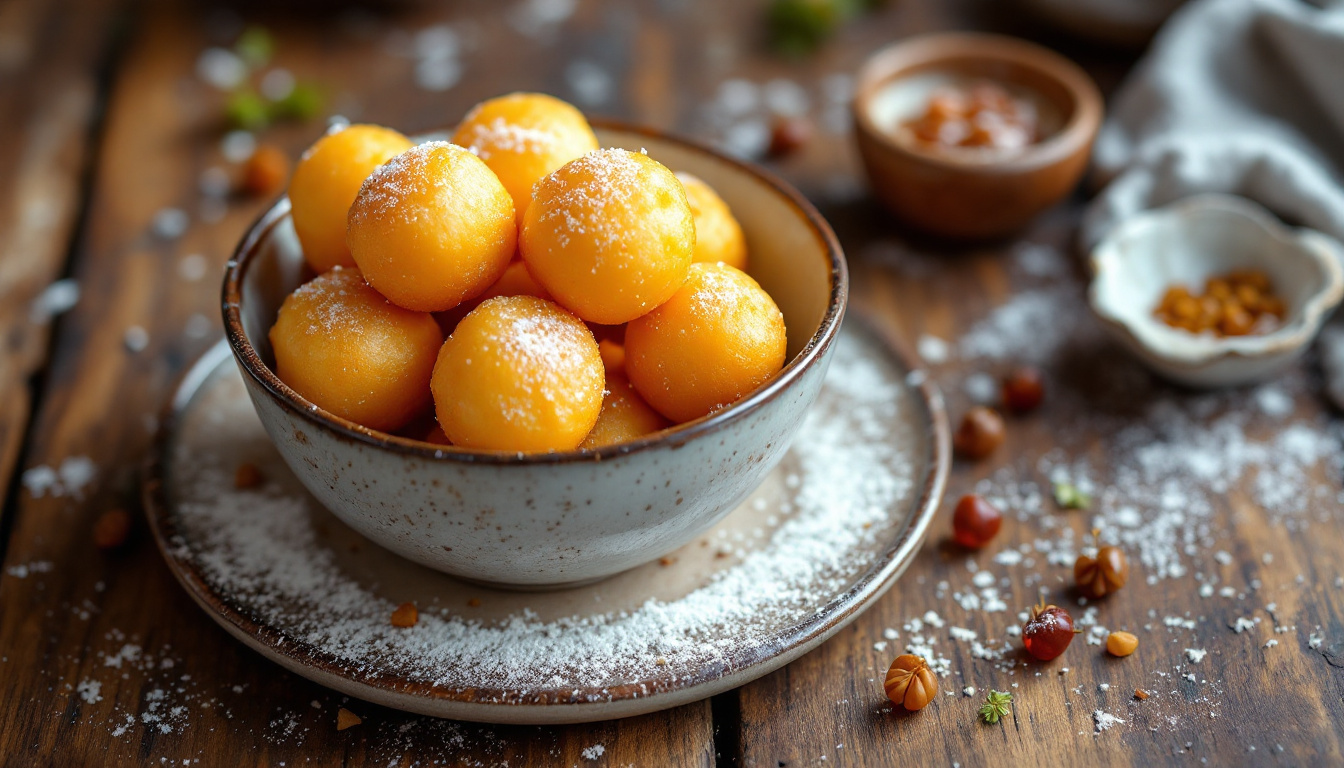
Puff puff is Nigeria’s beloved fried dough, balls of lightly sweet, yeasted batter deep-fried until golden and pillowy, crisp outside and soft within, sold from street stalls and devoured by the bagful. It headlines the small chops platter, the Lagos party snack spread that also includes spring rolls, samosas, peppered gizzard (gizdodo), and fried plantain (dodo). Sweet, savory, and irresistible, puff puff and small chops are the finger food of every Lagos celebration and a perfect cheap street nibble.
Asun and peppered meats
Asun is a Lagos party and bar favorite: chunks of goat meat grilled or roasted, then tossed in a fiery sauté of scotch bonnet peppers, onion, and bell pepper until smoky and blisteringly hot. Around it sit other peppered meats, peppered chicken, peppered snail (a delicacy), and the spicy gizzard-and-plantain gizdodo. Rich, charred, seriously spicy, asun is the kind of small plate Lagosians share over cold beer late into the night. Order it if you can take the heat.
Ofada rice and ayamase
Ofada rice is a prized local short-grain rice with an earthy aroma, grown in southwest Nigeria and served with its signature partner, ayamase (also called designer stew or ofada stew): a fierce, smoky green-pepper sauce made with iru (fermented locust beans), palm oil, and assorted meat. Traditionally wrapped in banana leaves, the combination is rustic, pungent, and deeply Yoruba. Spicy and full of character, ofada rice and ayamase is a beloved local dish that shows a more traditional, regional side of Lagos eating.
Okra, efo riro and more soups
Beyond egusi, Lagos has a whole world of soups eaten with swallow. Efo riro is a rich Yoruba spinach stew with peppers, palm oil, and meat or fish. Okra soup (ila) is the famously slippery, draw-y green soup loved for its texture, often combined with other soups as a mix. Ogbono (wild mango seed) is another draw soup, while banga (palm fruit) and the dark, bitter-edged ewedu round out the range. Ewedu is rarely eaten alone: the classic Yoruba combination is abula, ewedu and gbegiri (a smooth, mellow bean soup) ladled together over amala. Each soup is paired with a swallow, and for a one-pot comfort meal there is asaro, soft yam cooked down with peppers, palm oil, and fish into a thick yam pottage. Exploring the soups is exploring Nigerian cooking itself.
Boli and roadside plantain
Boli is the Lagos street snack of roasted plantain, firm plantains cooked over open coals until the skin blackens and the inside turns soft, smoky, and sweet. You’ll find it sold on roadsides everywhere, served with a smear of spicy groundnut (peanut) paste, roasted fish, or pepper sauce. Cheap, filling, naturally vegetarian on its own, smoky boli with groundnut is the perfect grab-and-go bite. Its fried sweet cousin dodo (fried ripe plantain) appears beside almost every main meal in the city.
Nkwobi and isi ewu
For the adventurous, two Igbo bar delicacies are Lagos favorites. Nkwobi is spicy cow foot in a thick, oily palm-oil sauce flavored with utazi leaves, ground crayfish, and seasonings, served warm in a wooden bowl. Isi ewu is the same treatment for goat head, prized for its varied textures. Both are rich, peppery, gelatinous, and made for slow eating over palm wine or beer. Not for everyone, but for locals these are cherished delicacies and a true taste of Nigerian bar culture.
Chapman, zobo and Lagos drinks
Lagos drinks as boldly as it eats. The chapman is the city’s signature non-alcoholic cocktail, a sweet, fruity blend of soft drinks, grenadine, and citrus with cucumber, invented in a Lagos club and now everywhere. Zobo is a tart, ruby hibiscus drink (like a spiced agua de jamaica), and kunu is a millet-based cooler. Fresh palm wine, tapped from palm trees, is the traditional tipple, while the local Star, Gulder, and Trophy lagers are the everyday beers. Sweet, tart, or boozy, the drinks are half the fun.
Where to eat: the Island, the Mainland and the bukas
The best food in Lagos spans a sprawling, traffic-choked megacity split between the glossy Islands and the dense Mainland. Knowing where to head, and leaning into the bukas, makes all the difference. Here’s the map.
Victoria Island, Ikoyi, and Lekki are the upscale, moneyed districts, home to Lagos’s smart restaurants, rooftop lounges, international cuisine, and polished versions of Nigerian classics, plus some of the city’s most famous suya spots like the legendary Glover Court suya. This is where to eat in comfort and air-conditioning, enjoy small chops and cocktails with a view, and see the modern, aspirational side of Lagos dining. Pricier than the Mainland, but the quality and buzz are high.
Lagos Island, the old commercial heart around the heaving Balogun Market, is street-food and trader territory. Among the crowds and chaos you’ll find amala and ewedu joints, jollof, roasted corn, and snacks sold from every corner to feed the market crowds. Hot, frantic, intensely local, it is the place to eat cheaply and authentically while taking in the energy of old Lagos, ideally with a guide or a local friend to show you around.
The Mainland, including Yaba, Surulere, and Ikeja, is where most Lagosians actually live and eat, and where the real buka (mama put) culture thrives. These no-frills local canteens dish out generous plates of jollof, soups with swallow, beans, and stews at rock-bottom prices. This is the soul of everyday Lagos eating: cheap, hearty, authentic. For the genuine local experience, a buka lunch on the Mainland beats any fancy Island restaurant.
Some of the best Lagos eating is not a place but a scene: the roadside suya grills that fire up after dark across the city, and the relaxed pepper-soup and asun joints where people gather over beer and palm wine late into the night. Follow the smoke and the crowds to a busy mallam for suya, and settle in at a lively spot for catfish pepper soup and grilled meat. This is Lagos night-time food culture at its best.
What to drink in Lagos
Lagos drinks sweet, tart, and strong. The signature is the chapman, a fruity non-alcoholic cocktail of mixed soft drinks, grenadine, bitters, and cucumber born in the city’s clubs. Alongside it, zobo (tart hibiscus) and kunu (a millet or grain cooler) are the traditional soft drinks, refreshing in the heat. Fresh palm wine, milky and lightly fermented straight from the tree, is the classic local alcohol. The home-grown Star, Gulder, and Trophy lagers, plus plenty of cold Guinness, fuel the famous nightlife. Coffee is less of a thing than tea (often Lipton with milk). Drink bottled or sachet (pure) water rather than tap.
- Eating swallow and soup with your right hand is normal and expected; wash hands before and after.
- Bukas (mama put) are local canteens offering the cheapest, most authentic meals; point at what you want.
- The food is very spicy; ask for less pepper if you are sensitive, though heat is part of the experience.
- Carry cash in small naira notes, as many street vendors and bukas do not take cards.
- Vegetarians can lean on akara, moin moin, boli, plantain, beans, and vegetable soups, though meat and fish are everywhere.
Frequently asked questions
What food is Lagos known for?
Lagos is known for smoky jollof rice, suya (spicy grilled meat skewers), egusi and other rich soups eaten with a swallow like pounded yam or eba, catfish pepper soup, and street snacks like puff puff, akara, and boli (roasted plantain). The food is bold, peppery, and generous, best eaten at bukas (local canteens), roadside suya grills, and street stalls.
What is suya?
Suya is Nigeria’s famous street-food skewer: thin strips of beef (or ram, chicken, or offal) coated in yaji, a spicy, nutty rub of ground peanuts, chili, and spices, then grilled over coals by a vendor called a mallam. It is served hot, often late at night, wrapped in paper with raw onion, tomato, and extra spice. Smoky and fiery, it is the king of Lagos street food.
What is a swallow in Nigerian food?
A swallow is a soft, starchy mound eaten with Nigerian soups. You pinch off a piece with your fingers, use it to scoop up the soup, and swallow it without chewing. Common swallows include pounded yam, eba (made from cassava garri), fufu, amala, and semolina. In Lagos, a rich soup like egusi or efo riro served with a swallow is the classic, soul-satisfying main meal.
Where should I eat in Lagos?
For comfort, smart restaurants, and famous suya, head to Victoria Island, Ikoyi, and Lekki; for the cheapest, most authentic local food, eat at bukas (mama put canteens) on the Mainland in Yaba and Surulere, or among the markets of Lagos Island. For the best night-time eating, follow the smoke to a busy roadside suya grill or a lively pepper-soup and asun joint.
Is Lagos street food safe to eat?
Lagos street food is a highlight and generally safe at busy stalls with high turnover, where suya, puff puff, and akara are cooked fresh and hot. Drink only bottled or sealed sachet (pure) water, not tap, and be cautious with ice and raw salads at the cheapest spots. Choosing popular vendors, eating freshly grilled or fried food, and starting gently with the chili is the best approach.
What should I drink in Lagos?
Try a chapman, Lagos’s signature sweet, fruity non-alcoholic cocktail, plus zobo (tart hibiscus drink) and kunu (a grain-based cooler). The traditional local alcohol is fresh palm wine, and the home-grown Star, Gulder, and Trophy lagers are the everyday beers, alongside plenty of Guinness. Stick to bottled or sealed sachet water rather than tap water.
More food guides waiting for you
Browse our complete collection of Middle East and African food guides.