I landed in Australia expecting Vegemite and a shrimp on the barbie, and within a week I was eating the best Vietnamese food of my life in suburban Sydney, a kangaroo steak off a park barbecue, and a flat white that ruined every coffee I had drunk before it. Australian food is not one thing. It’s a multicultural mash-up bolted onto a British colonial base, fed by world-class seafood and produce, and obsessed with brunch. This is the best food to eat in Australia, from the servo meat pie to a degustation of native ingredients you can’t get anywhere else.
Why Australian food is worth the trip
Australian food is the most multicultural eating in the world, and that’s what makes it worth the flight. Waves of migration, Greek and Italian after the war, then Vietnamese, Chinese, Lebanese, Thai and Indian, rebuilt the national diet from the ground up. A normal week in Sydney or Melbourne means laksa for lunch, a Greek souvlaki for dinner, and yum cha on Sunday. All of it considered local.
On top of that sits Modern Australian, or “Mod Oz,” a confident fine-dining style that fuses European technique with Asian flavors and native ingredients. The country also runs on coffee. The flat white that Australia gave the world anchors a cafe and brunch culture so strong that avocado toast became a global cliche because of it.
Underneath all of it is the British colonial base, the meat pie and fish and chips that share a lineage with classic British food, plus some of the cleanest seafood and best lamb on earth. Add bush tucker, the native ingredients used here for tens of thousands of years, and you’ve got a food culture with no real equivalent.
The best food to eat in Australia, dish by dish
These are the foods that define the place, the most popular and typical food to eat in Australia, from servo classics to things you can only eat here. Prices are rough 2026 figures in Australian dollars (AUD), where 1.50 AUD is about 1 US dollar.
Meat pie Aussie meat pie
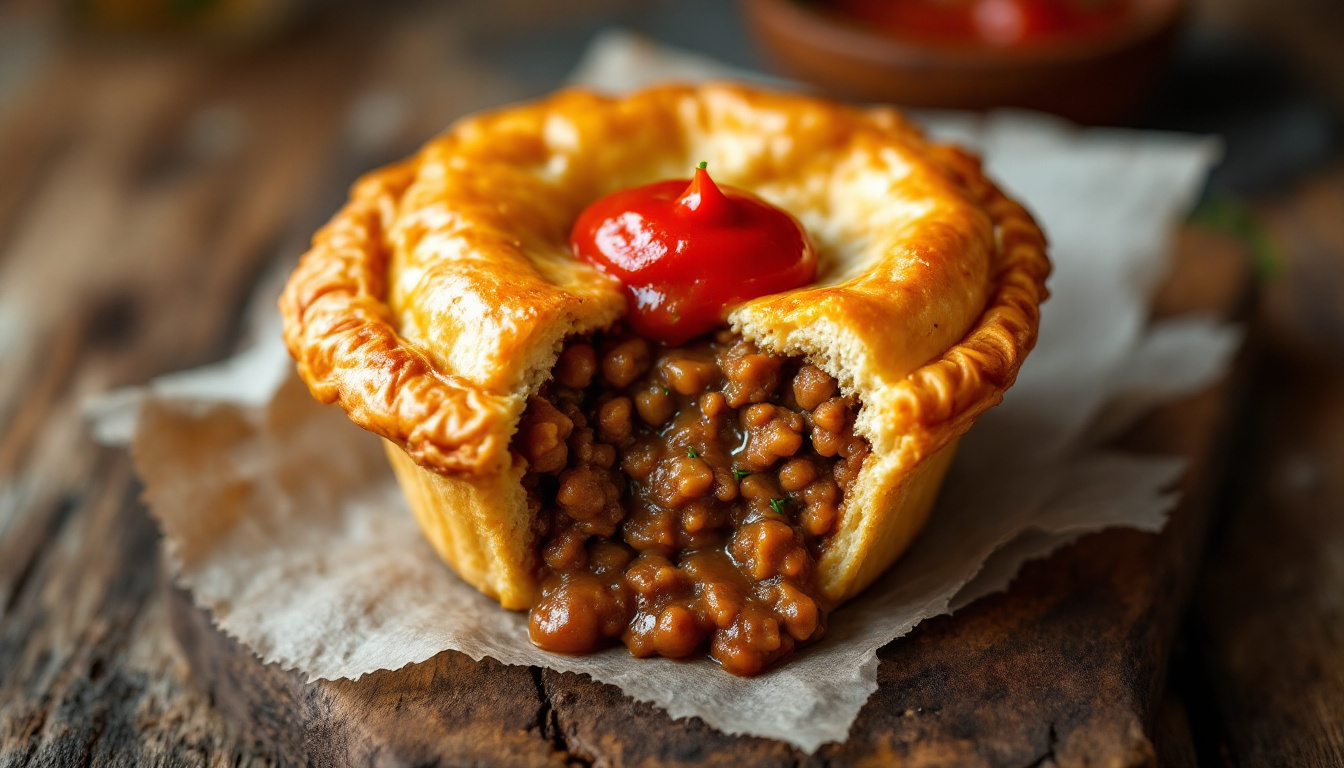
The meat pie is the closest thing Australia has to a national dish, and you eat it one-handed with a squirt of tomato sauce. A palm-sized pastry case is filled with minced beef and thick gravy, sold hot from bakeries, servos (petrol stations) and footy grounds across the country. In South Australia, ask for a “pie floater,” a meat pie capsized in a bowl of thick pea soup. Sounds wrong. Tastes great after a few beers.
Sausage sizzle snag in bread
The sausage sizzle is a cultural institution disguised as cheap food. A grilled sausage (a “snag”) goes diagonally across a single slice of white bread with fried onions and your choice of tomato or barbecue sauce. The spiritual home is the fundraiser table outside a Bunnings hardware store on a Saturday, where the proceeds go to a local club. Daggy and delicious. And arguing about whether the onions go under or over the snag is a genuine national debate.
The Aussie BBQ barbie
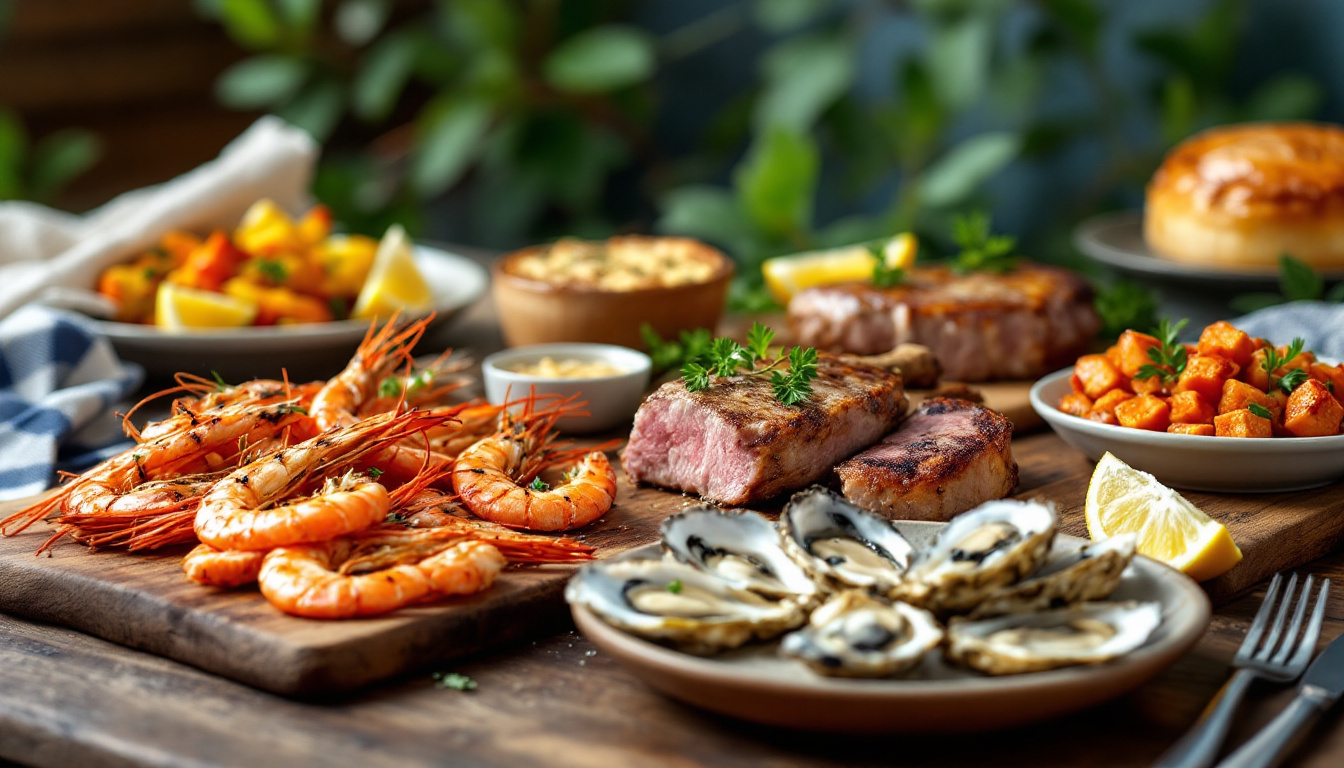
The backyard barbecue is the true national ritual, and what hits the grill is prawns, lamb chops, snags and sometimes a whole barramundi, never “shrimp.” Summer and public holidays revolve around it, often at a free electric barbecue in a public park, which Australia provides like other countries provide bus stops. Bring a slab of beer, bring a plate to share, and don’t touch the tongs unless you’ve been handed them.
Fish and chips and Aussie seafood fish and chips
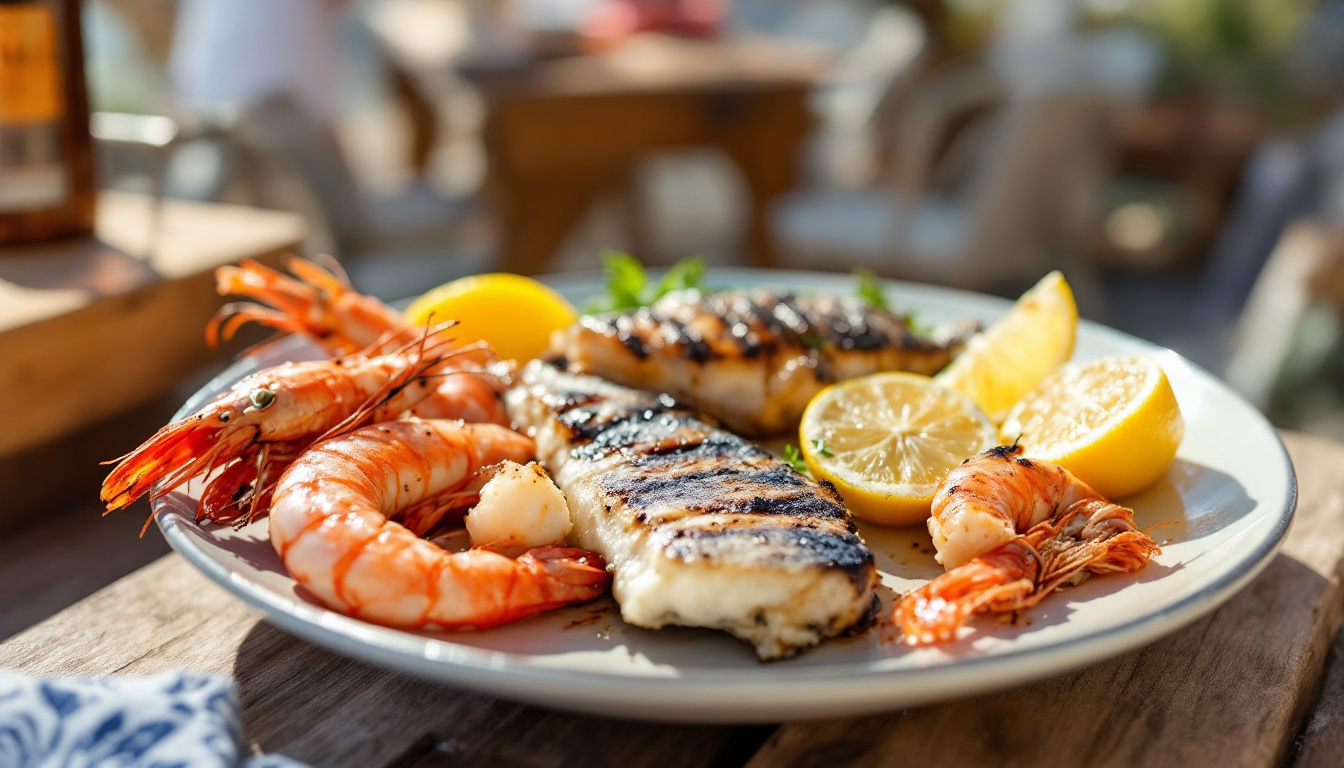
Australian seafood is the quiet star of the whole cuisine, and the entry point is fish and chips eaten on the sand. Order a piece of grilled barramundi or flake (a type of shark) with a paper cone of chips, and watch for seagulls. Then go further. Briny Sydney rock oysters, sweet Moreton Bay bugs (a flat lobster), mud crab in Queensland, and the prawns that anchor every family Christmas lunch in the summer heat.
Bush tucker and native ingredients bush tucker
Bush tucker is the most uniquely Australian thing you can eat, and it ranges from supermarket staple to high-end tasting menu. Kangaroo is lean, sustainable, sold in every supermarket, and not remotely taboo, so try a roo steak cooked rare. Emu is the other native meat you’ll see, a rich, dark, beef-like game. The truly adventurous can try witchetty grubs, a traditional bush protein with a nutty, egg-like taste. Beyond the meat, native ingredients like finger lime (citrus caviar), lemon myrtle, wattleseed, saltbush and Davidson plum have moved from Indigenous food traditions into the best Mod Oz kitchens, often alongside damper, the simple soda bread campers and drovers bake in the coals. Eat them where a chef knows what they’re doing.
Chicken parma parma / parmi
The chicken parmigiana is the undisputed king of the Australian pub counter meal. A crumbed chicken schnitzel is topped with tomato sauce and melted cheese, served with chips and salad, often on a cheap weeknight “parma special.” Whether you call it a parma or a parmi marks which state you grew up in, and people will defend their version to the death. It’s the meal that proves the pub bistro is where a lot of Australians actually eat out.
Laksa and yum cha Asian-Australian
Asian food is not a side note in Australia. It’s core to how the country eats every day. A coconut laksa, a banh mi, a bowl of pho, or a weekend yum cha are all completely local meals. Head to Cabramatta in western Sydney for some of the best Vietnamese food outside Vietnam, or Box Hill and Victoria Street in Melbourne. It pairs naturally with our Vietnam food guide and the wider Asia food guide, because this is the same cooking, made by the same communities.
Flat white and avo toast brunch culture
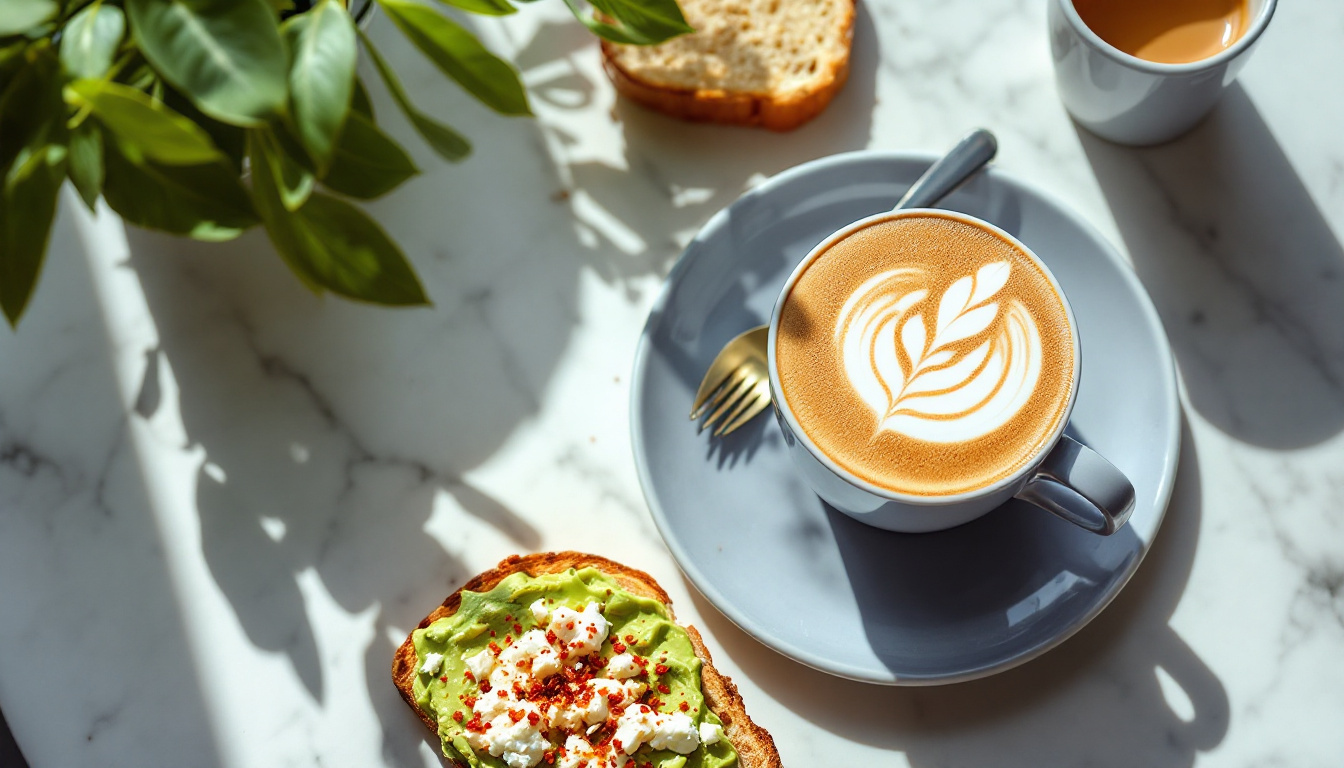
Australia exported modern cafe culture to the world, and the flat white is its calling card. The espresso-and-steamed-milk drink, smoother than a latte, was born in Australia and New Zealand and is the default order nationwide. It comes with a brunch scene to match: smashed avocado on sourdough with feta and chili, big breakfasts, serious specialty roasters. Melbourne treats this as a competitive sport, and a laneway cafe flat white is one of the great cheap pleasures of the country.
Pavlova pav
Pavlova is the dessert Australia will go to war with New Zealand to claim. A large meringue with a crisp shell and a soft, marshmallowy center is topped with whipped cream and fresh fruit, classically passionfruit and berries. It’s the centerpiece of Christmas and summer celebrations, light enough to eat in the heat. Both countries insist they invented it, and the argument will never be settled. Which is half the fun.

Lamington lammo
The lamington is the cake of school fetes and bake sales across the country. Cubes of sponge are dipped in chocolate icing and rolled in desiccated coconut, sometimes split and filled with jam or cream. It’s humble, slightly messy, and beloved enough to have its own national day. Buy a tray at a fundraiser and you’re eating a piece of Australian childhood.
Anzac biscuits Anzacs
Anzac biscuits are the most meaningful sweet in the country, a chewy oat-and-coconut biscuit bound with golden syrup and no eggs, originally made so they could be shipped to soldiers in World War I without spoiling. They’re baked across Australia and New Zealand, especially around Anzac Day on 25 April, and the recipe is protected enough that you’re technically not meant to sell them as “Anzac cookies.” Crisp or chewy depending on the bake, golden and caramelly, they’re a genuine piece of national heritage you can eat.
Tim Tam Tim Tam
The Tim Tam is the chocolate biscuit Australians smuggle overseas in their luggage. Two malted biscuits sandwich a chocolate cream filling, all coated in chocolate. The correct way to eat one is the “Tim Tam Slam”: bite off two opposite corners and use the biscuit as a straw to suck up hot coffee or tea until it collapses in your mouth. Try it once and you understand the national devotion.
Vegemite on toast Vegemite
Vegemite is the most misunderstood food in the country, and the misunderstanding is your fault, not the spread’s. The dark, salty, yeast-based paste is meant to go on hot buttered toast in a thin scrape, never a thick layer like jam. Tourists who glob it on and recoil have simply used ten times too much. Done right, with plenty of butter and a faint smear of Vegemite, it’s a savoury, umami-rich breakfast Australians grew up on.
How food changes across Australia
Australia is the size of a continent, so the food shifts hard depending on where you land. Sydney leans into seafood and its Vietnamese west. Melbourne is the coffee and migrant-food capital with deep Greek and Italian roots. And the two cities will never agree on which is better.
South Australia gives you the pie floater and the Barossa Valley wine country. The Northern Territory and the Outback are bush tucker and barramundi country, where crocodile turns up on menus. Tasmania has become a cool-climate produce powerhouse, famous for oysters, cheese, whisky and some of the cleanest seafood in the country. Queensland brings the tropical seafood, mud crab and Moreton Bay bugs.
Where to eat: sausage sizzles, fish shops and laneways
The best Australian eating is rarely in a fancy restaurant. It’s in the everyday institutions. Hit a Bunnings sausage sizzle on a weekend, grab fish and chips from a beachside takeaway shop, and order a parma at a pub bistro for the cheapest proper meal in town. These three cover the soul of how the country actually eats.
For variety, go to the markets and the migrant suburbs. The Queen Victoria Market in Melbourne and the Sydney Fish Market are essential, the laneway cafes are where coffee culture lives, and suburbs like Cabramatta deliver Asian food worth crossing the city for. Tipping isn’t expected, so a great meal here can also be a cheap one. Pair this trip with our Indonesia food guide if you’re island-hopping on the way through.
What to drink: flat whites, wine and beer
Coffee comes first, and the flat white is the national drink before noon. After that, Australia is a serious wine country: Barossa Valley Shiraz, Margaret River reds and whites, and the cool-climate wines of the Yarra Valley and Tasmania are all worth seeking out at the cellar door. Beer means an ice-cold lager, and locals are loyal to their state’s brand, whether that is VB, XXXX or a craft can from a city brewery.
For something different, order a lemon lime and bitters, the unofficial national non-alcoholic drink, refreshing and faintly medicinal. Backpackers will meet “goon,” the cheap boxed wine that fuels hostel life, and the regions have their own icons, from Bundaberg rum in Queensland to a flat white anywhere a barista has an opinion. Take a road trip through a wine region and you’ll understand how much the country drinks the local stuff.
- “Bring a plate” means bring a dish of food to share, not an empty plate. Showing up empty-handed is a real faux pas.
- “Shout” means to buy a round. If someone shouts you a drink, you are expected to shout back later.
- Tipping is not part of the culture. Staff are paid properly, so rounding up or leaving a little for great service is plenty.
- At a BBQ, do not grab the tongs and start cooking unless the host hands them to you. The cook owns the grill.
FAQ
What is the national dish of Australia?
Australia has no single official national dish, but the meat pie comes closest as the iconic handheld food. The backyard BBQ, pavlova, lamingtons and Vegemite on toast are the other strongest contenders for the title.
What is the most popular food in Australia?
The most popular and most typical Australian foods are the meat pie, the backyard BBQ, fish and chips, and the pub chicken parma, with the flat white and smashed avo toast ruling breakfast. The famous sweets are pavlova, lamingtons, Anzac biscuits and Tim Tams, and Vegemite on toast is the everyday classic. Just as popular day to day is the country’s multicultural food, from laksa and banh mi to yum cha, all of it considered local.
Do Australians really eat kangaroo?
Yes. Kangaroo is lean, sustainable, and sold in regular supermarkets, eaten as steaks, sausages and mince. It is best cooked rare to medium-rare, since it dries out fast. It is not taboo, and trying it is one of the more uniquely Australian things you can do.
Is it shrimp or prawns on the barbie?
Prawns. Australians never say “shrimp,” and the famous “throw another shrimp on the barbie” line came from an American tourism advertisement, not local speech. On a real Aussie barbecue you will find prawns, lamb chops and sausages.
Is Australia good for vegetarians?
Very. The cafe and brunch scene is strongly vegetarian-friendly, from smashed avocado to creative plant-based menus, and the huge Asian food presence adds many vegetable-forward options. Cities like Melbourne and Sydney have excellent dedicated vegetarian and vegan restaurants.
Where did the flat white come from?
The flat white originated in Australia and New Zealand in the 1980s, and the two countries still argue over exactly who first made it. It is an espresso with steamed milk and a thin layer of microfoam, smoother and stronger-tasting than a latte, and it is the default coffee order across Australia.
How much does food cost in Australia?
Australia is not cheap. As of 2026, a meat pie runs about 6 to 8 AUD, a flat white 5 to 6 AUD, fish and chips 15 to 25 AUD, and a pub chicken parma 25 to 32 AUD. The upside is that tipping is not expected, so the listed price is close to what you pay.
More food guides waiting for you
Browse our growing collection of Oceania and world food guides.