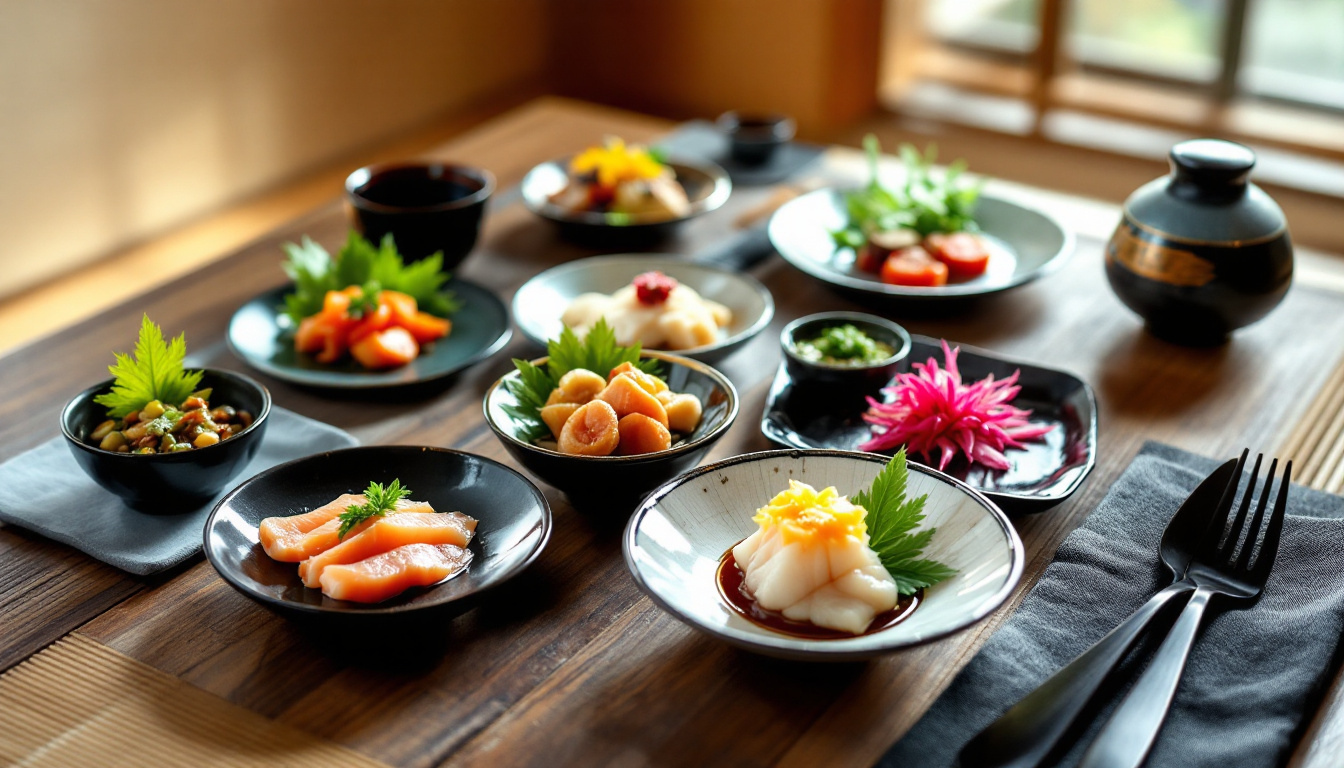
Kyoto eats with a quiet that Tokyo and Osaka do not have. This was Japan’s imperial capital for a thousand years, and the food still carries that refinement: a cuisine built on the seasons, on dashi so subtle it disappears, and on vegetables and tofu rather than spectacle. My most memorable meal here was a kaiseki dinner where each tiny course arrived with a single maple leaf and a hush, and my favorite was a bowl of silken yudofu by a temple in the cold. The best food in Kyoto is the most elegant in Japan, and it rewards slowing down.
Why Kyoto food is special
Kyoto food is special because it grew up as the cuisine of the imperial court and the Buddhist temples, and it stayed refined, seasonal and vegetable-forward. Cut off from the sea, the old capital built its cooking around kyo-yasai, the city’s heirloom vegetables, around tofu and yuba, and around the temple tradition of shojin ryori. The flavors are gentle and precise, with the umami of kombu-and-bonito dashi at the center rather than heavy sauces.
This is the home of kaiseki, the multi-course haute cuisine that influences fine dining worldwide, but it is also a city of humble obanzai home cooking and exquisite sweets. It’s the most elegant corner of Japanese food, which our Japan food guide covers from end to end. Come to Kyoto to eat slowly and seasonally.
The dishes you have to eat in Kyoto
Kaiseki 懐石
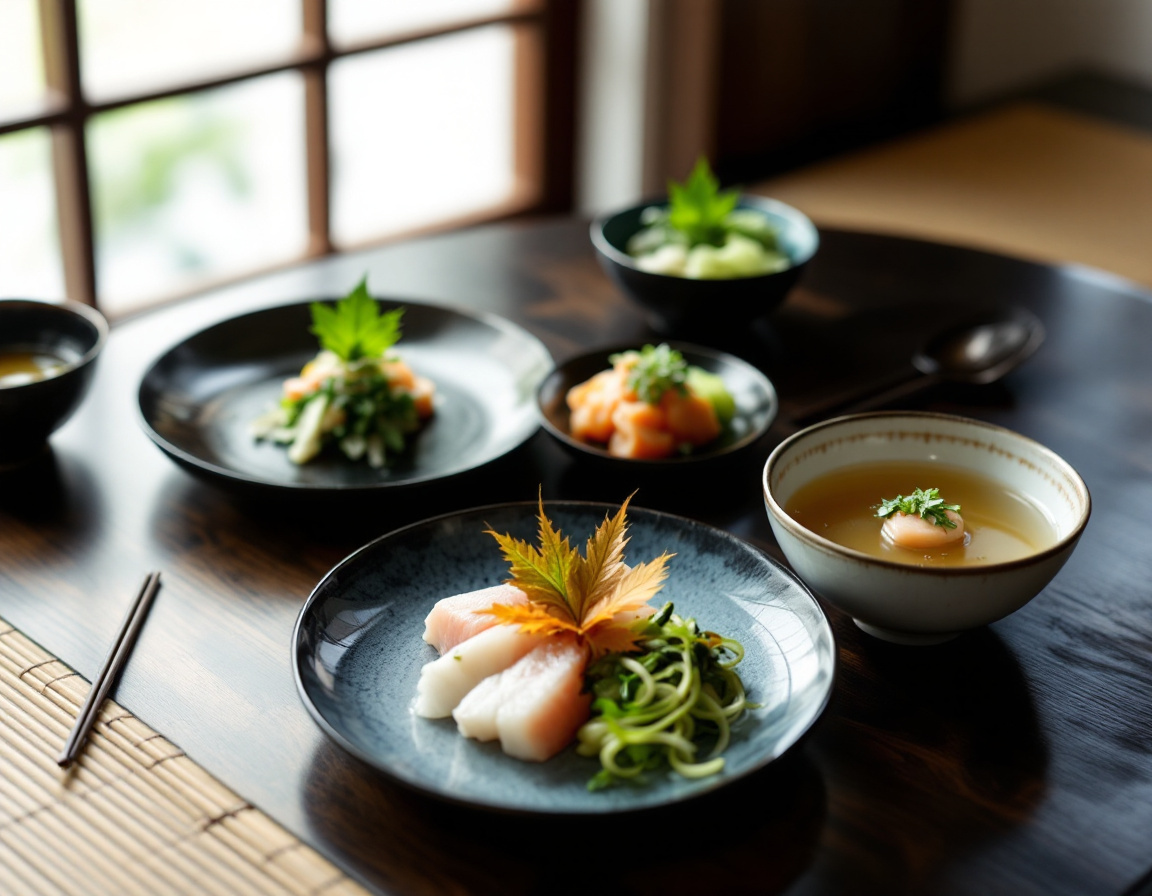
Kaiseki is the pinnacle of Japanese cuisine, and Kyoto is its spiritual home. A meal is a procession of small, seasonal courses, sashimi, a simmered dish, a grilled dish, a clear dashi soup, each plated like art and timed to the moment of the year. It grew out of the tea ceremony and the imperial court, and eating one in an old Gion ryotei is a once-in-a-trip experience. Book ahead, go at lunch to save money, and let the chef lead.
Obanzai おばんざい
Obanzai is the everyday home cooking of Kyoto, and the affordable way to taste its philosophy. It means a spread of small seasonal dishes, simmered vegetables, tofu, pickles, a little fish, served family-style and built on thrift and the seasons. Where kaiseki is theater, obanzai is comfort. It’s the food Kyoto families actually eat. Look for the small obanzai counters and izakaya around the center where the day’s dishes are laid out on the bar.
Tsukemono 京漬物
Tsukemono, Kyoto pickles, are their own art form here, and the counters of Nishiki Market are lined with them. The city’s soft water and long temple-cuisine tradition turned pickling into something refined: shibazuke (eggplant and cucumber pickled with red shiso, a Kyoto original), suguki (a whole fermented turnip unique to the city), and senmaizuke (thin-sliced turnip pressed with kombu). They come as a side to almost every Kyoto meal and make an easy, packable souvenir. Taste before you buy at Nishiki, since most stalls hand out samples.
Yudofu 湯豆腐
Yudofu, simmered tofu, is the dish that proves Kyoto can make magic from almost nothing. Blocks of soft, top-quality tofu are gently poached in a kombu broth at your table, then dipped in soy and garnished with scallion and ginger. Kyoto’s soft water makes some of the best tofu in Japan; and eating yudofu in a garden restaurant near the Nanzenji or Arashiyama temples, especially in cold weather, is pure serenity. Pair it with yuba, the delicate tofu skin.
Yuba 湯葉
Yuba is the delicate skin that forms on the surface of soy milk as it heats, lifted off in sheets, and Kyoto is the place to eat it. It arrives fresh and silky as sashimi-style namayuba with a little wasabi and soy, folded into kaiseki courses, or simmered in shojin ryori temple meals. The texture sits somewhere between custard and the thinnest pasta, and it carries the clean, faintly sweet taste of good soy. Tofu houses around Nanzen-ji and Arashiyama build whole set menus around yuba and yudofu.
Shojin Ryori 精進料理
Shojin ryori is the Buddhist temple cuisine that shaped Kyoto cooking, and it is entirely plant-based. Developed by Zen monks, it uses no meat, fish or strong alliums, drawing all its flavor from dashi, seasonal vegetables, tofu, yuba and sesame, arranged with the same care as kaiseki. Eating it at a temple in the hills is a meal and a meditation at once. It’s some of the best vegan food anywhere, centuries before the word existed.
Matcha and Wagashi 抹茶
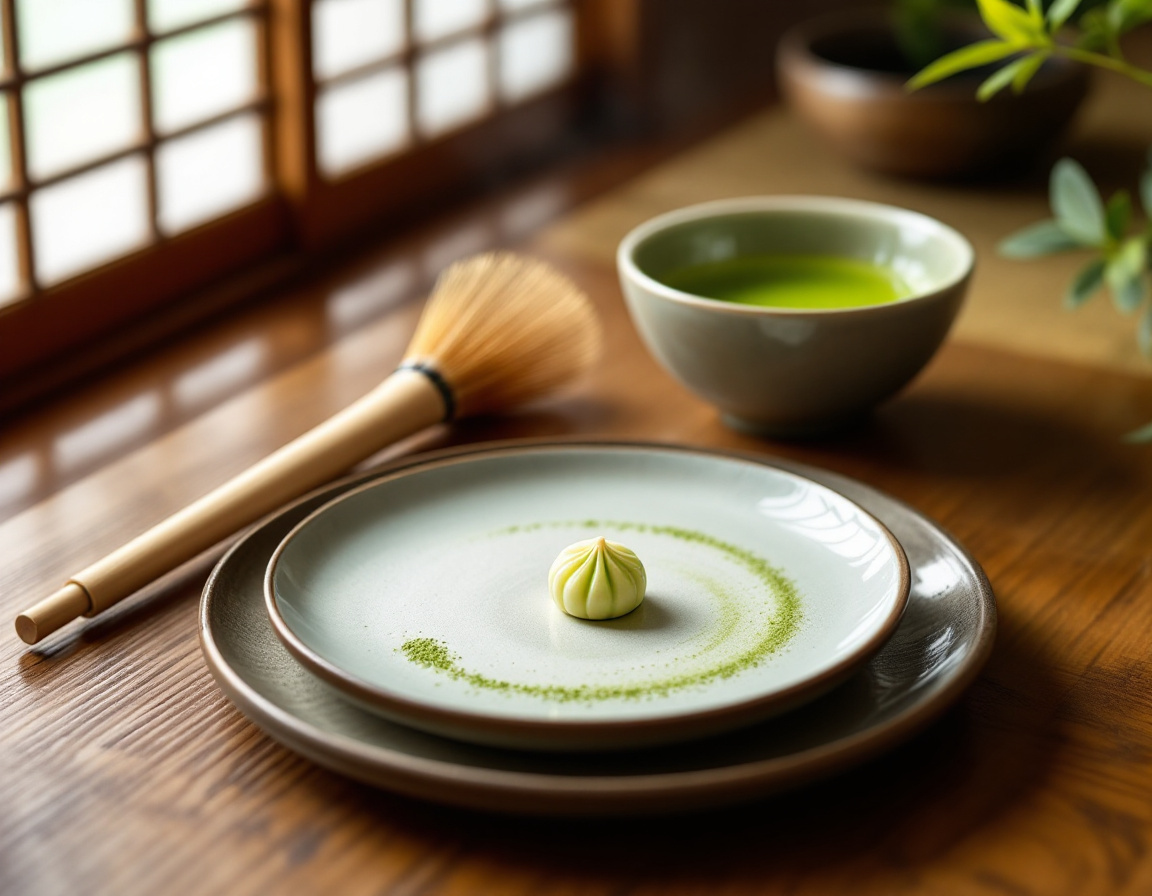
Kyoto is the heart of Japanese green tea, and matcha is its sweet, slightly bitter soul. Nearby Uji has grown some of the country’s finest tea for centuries, and the city is full of tea houses serving whisked matcha with a delicate wagashi sweet to balance it. Beyond the bowl, you find matcha parfaits, warabi mochi and the local yatsuhashi, a cinnamon-scented rice sweet. Take a proper tea-and-sweet pause; it is part of how Kyoto eats.
Saba-zushi 鯖寿司
Saba-zushi, pressed mackerel sushi, is the old capital’s answer to being far from the sea. Before refrigeration, mackerel was salted and vinegar-cured on the road from the coast, then pressed onto vinegared rice into a firm, glossy log and sliced. The result is rich, tangy and nothing like the nigiri of Tokyo, a festival and celebration food in Kyoto for centuries. The old sushi houses near the center make the definitive version.
Nishin Soba にしんそば
Nishin soba is Kyoto’s signature noodle bowl, buckwheat soba in a clear dashi broth topped with a fillet of sweet, soy-simmered dried herring. Like saba-zushi, it was born from preserving fish for an inland city, and the soft Kyoto water makes the soba especially silky. In summer, look out for hamo, the prized conger eel that defines the Kyoto season, blanched and served with tangy plum sauce or in a delicate hot pot. The century-old soba houses near the center are the place for both.
Where to eat: Nishiki, Gion and Pontocho
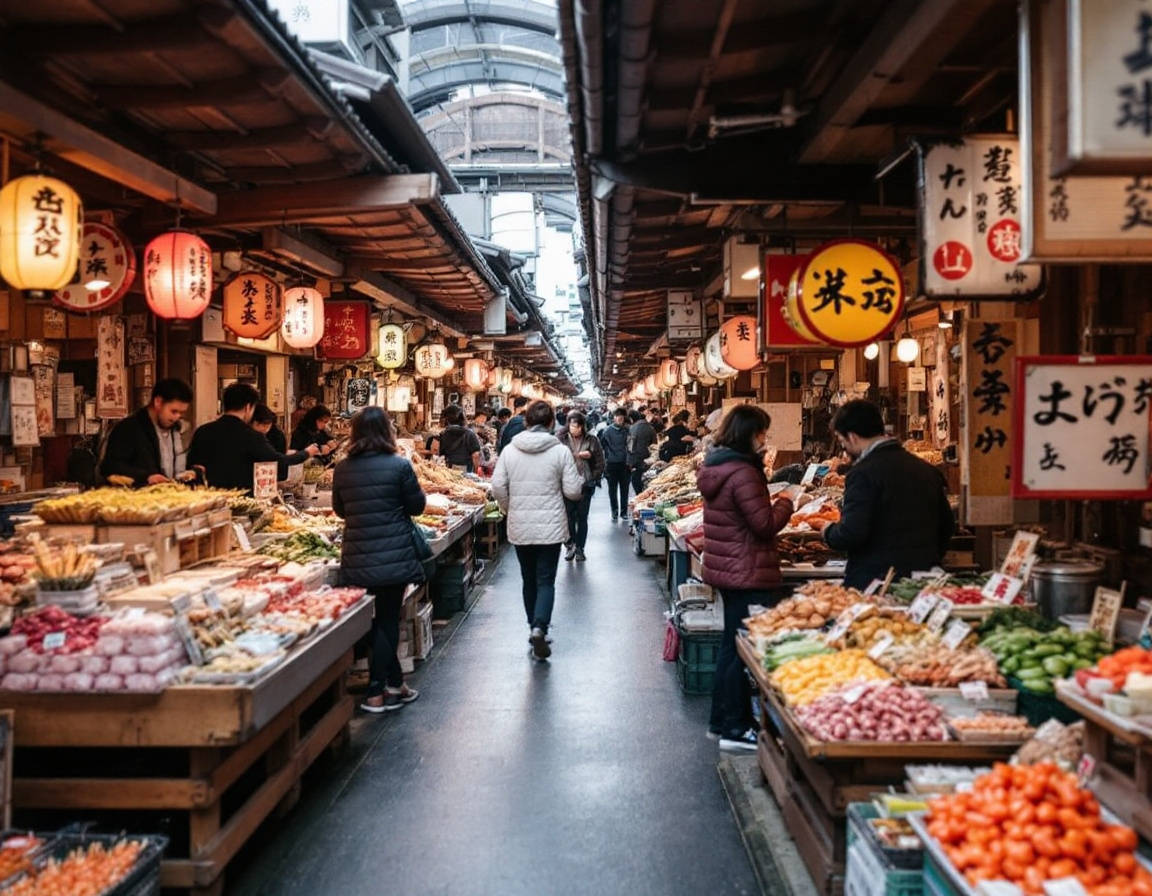
The first stop for any food lover in Kyoto is Nishiki Market, a narrow five-block arcade known as Kyoto’s Kitchen. For four centuries it has sold the city’s pickles, tofu, yuba, sweets, knives and seasonal vegetables, and today you can graze it for skewers, tamagoyaki, soy-milk doughnuts and tea. Go in the morning before the crowds, the same way you would work any great food market.
For dinner, Gion and Pontocho are the atmospheric heart. Gion, the old geisha district, is where the great kaiseki ryotei hide behind wooden facades, while Pontocho is a lantern-lit alley by the river packed with everything from obanzai counters to riverside dining decks in summer. The areas near the Nanzenji and Arashiyama temples are the place for yudofu and shojin ryori. After Kyoto, the louder kitchens of Osaka and Tokyo are a short train away.
Tips and etiquette
Kyoto’s refined dining comes with a few customs worth knowing, especially at higher-end places.
- Book ahead for kaiseki. The best ryotei require reservations, sometimes through a hotel; many do not take walk-ins.
- No tipping. Tipping is not done in Japan and can cause confusion; service is included.
- Mind the chopsticks. Never stand them upright in rice or pass food chopstick to chopstick, as in our food etiquette guide.
- Slurp the noodles. With soba and udon, slurping is normal and even polite.
Kyoto is one of the best cities in the world for vegetarians and vegans, thanks to its tofu, yuba and shojin ryori traditions, though hidden dashi made with bonito is common, so ask if you are strict. Eat slowly, follow the seasons, and let the city set the pace.
FAQ
What food is Kyoto famous for?
Kyoto is famous for kaiseki, Japan’s refined multi-course haute cuisine, along with tofu dishes like yudofu and yuba, Buddhist temple cuisine (shojin ryori), home-style obanzai, pressed mackerel sushi (saba-zushi), and matcha green tea with traditional wagashi sweets. Its cooking is seasonal, subtle and vegetable-forward.
What is kaiseki?
Kaiseki is Japanese haute cuisine, a multi-course meal of small, seasonal dishes prepared and plated with great care, and Kyoto is its spiritual home. It grew out of the tea ceremony and imperial court, and a typical meal moves through sashimi, simmered, grilled and steamed courses chosen to reflect the exact moment of the year.
Is Kyoto good for vegetarians and vegans?
Kyoto is one of the best cities in the world for plant-based eating, thanks to its tofu and yuba traditions and shojin ryori, the vegan Buddhist temple cuisine. Be aware that dashi stock made with bonito flakes is common even in vegetable dishes, so ask for a kombu-only version if you are strict.
Where should I eat in Kyoto?
Start at Nishiki Market for grazing, then head to Gion for kaiseki in a traditional ryotei or Pontocho alley for obanzai and riverside dining. The temple districts of Nanzenji and Arashiyama are best for yudofu and shojin ryori. Book higher-end restaurants in advance, and consider kaiseki at lunch for value.
How expensive is food in Kyoto?
Kyoto spans every budget. A full kaiseki dinner can cost tens of thousands of yen, but the same cuisine at lunch is far cheaper, and obanzai, Nishiki Market snacks, tofu sets and noodle shops let you eat beautifully for a modest price. Tea and a sweet is an affordable, essential ritual.
More food guides waiting for you
City and country deep dives across Asia and every continent we have eaten our way through.