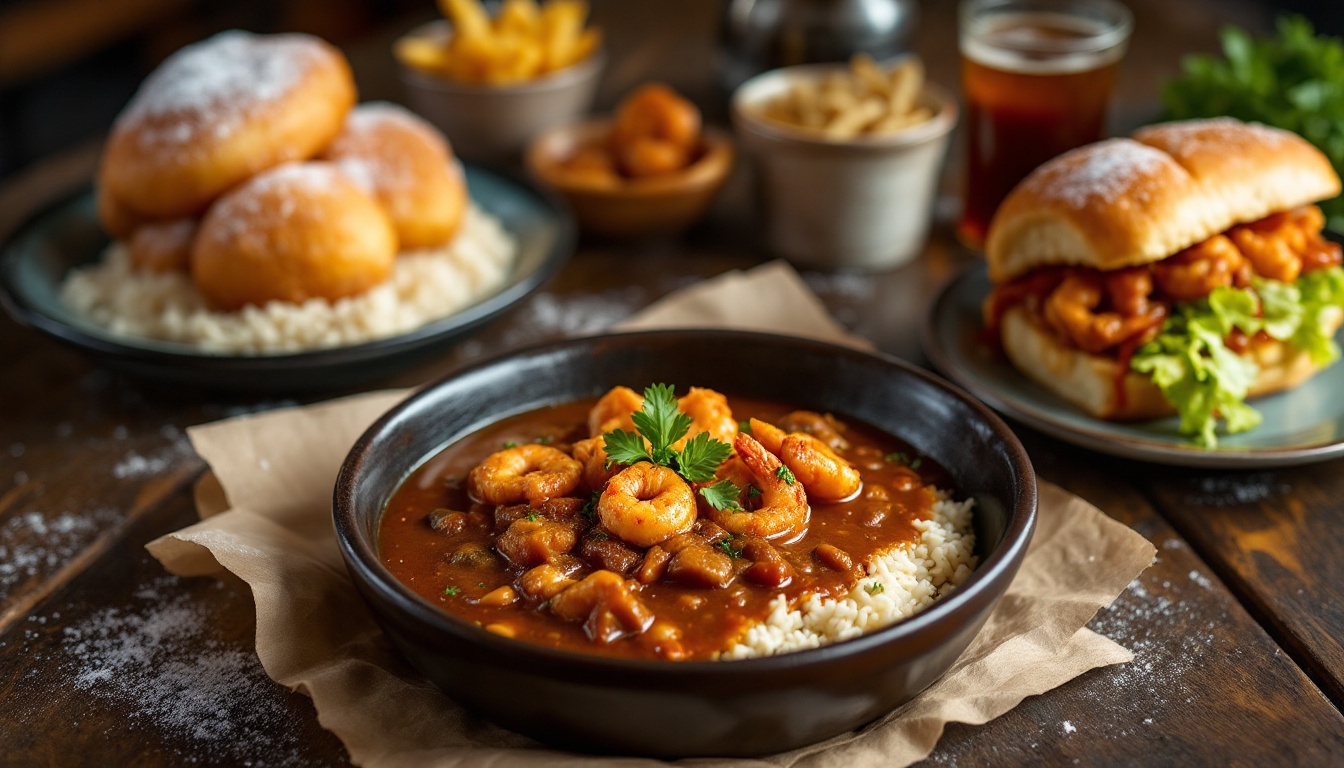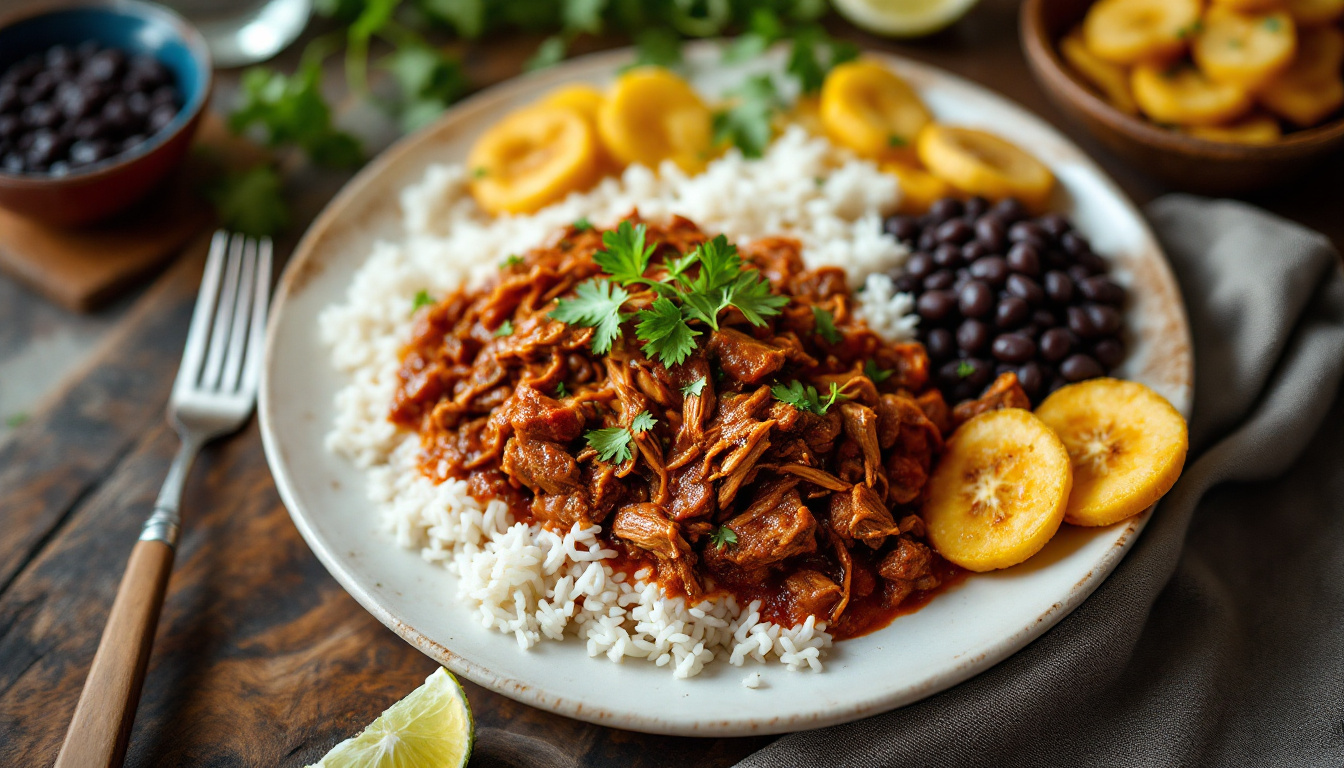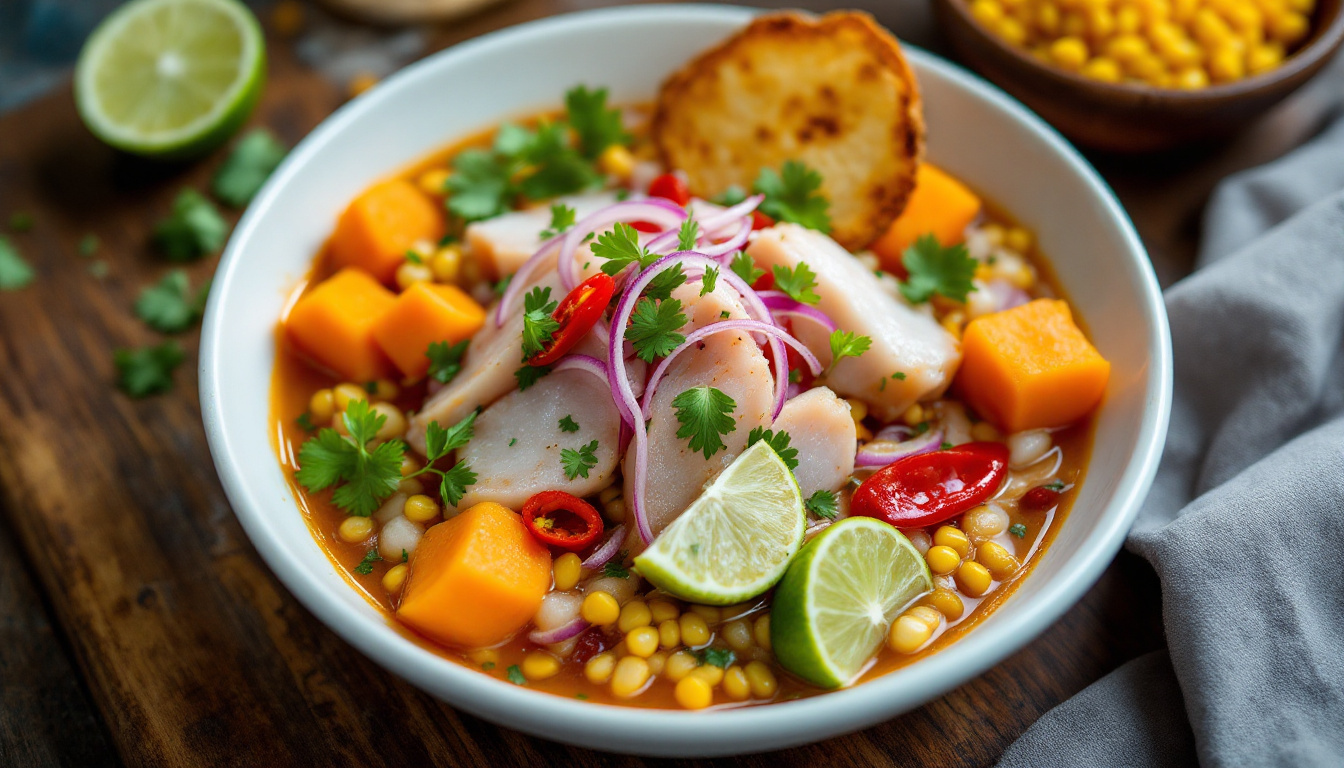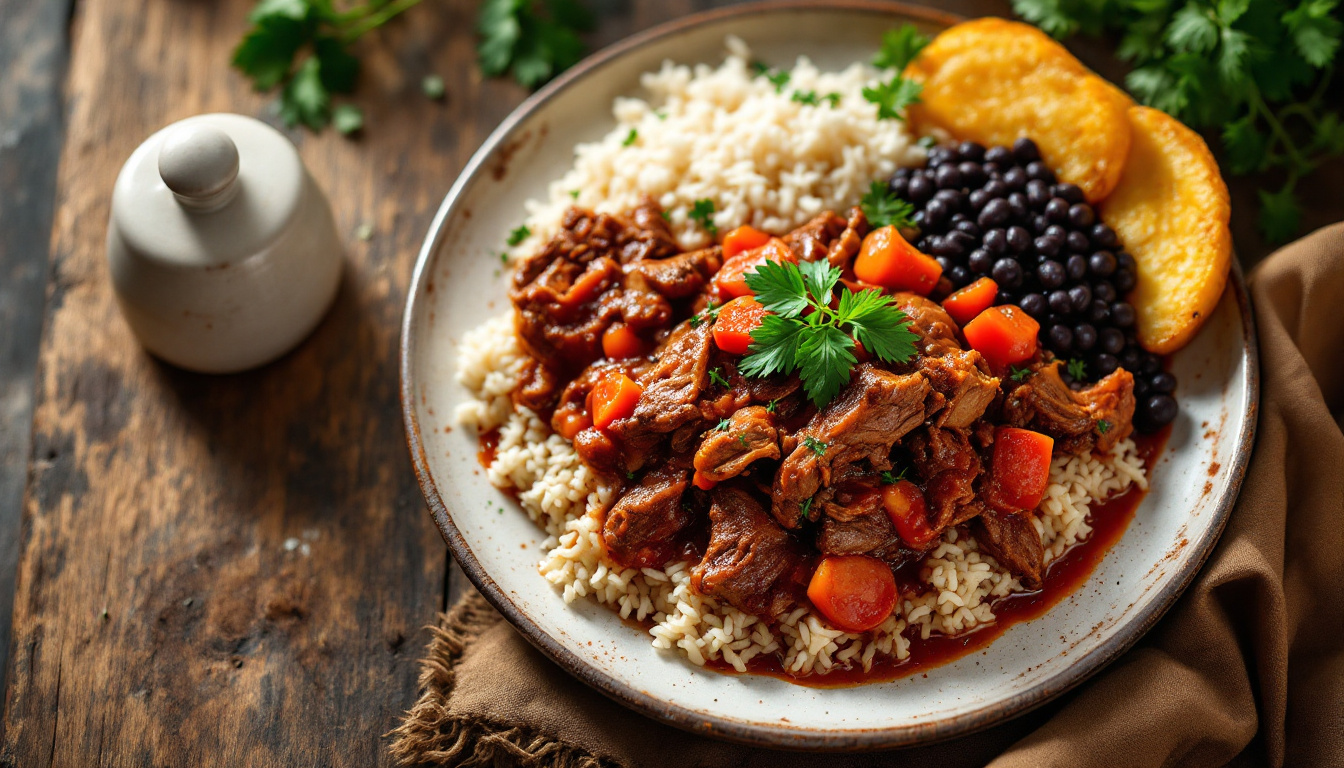
Slow-braised ropa vieja, garlicky roast pork with rice and black beans, a mojito at a tiled old-town bar, and ice cream at Coppelia: a neighborhood guide to eating in Havana.
The best food in Havana is roast pork, ropa vieja, and rice and beans, eaten in a private paladar with a cold mojito in hand. Cuba’s capital cooks comfort food with Spanish, African, and Caribbean roots, built on pork, rice, beans, and starchy roots, then seasoned above all with garlic, cumin, and citrusy mojo. Decades of shortages mean it’s rarely fancy, and ingredients can be limited. But the home-style cooking in Havana’s paladares, the rum cocktails born in its bars, and the warmth of the table make it a genuinely memorable place to eat.
Why Havana is worth eating your way around
Havana is worth eating your way around because its food is honest, soulful comfort cooking. And because the private paladares have quietly turned it into a far better dining city than its reputation suggests. The wider national picture is in our complete Cuba food guide, but Havana is where it all happens: the best paladares, the historic cocktail bars, the roast-pork feasts, and the famous ice cream. As a Caribbean food capital it sits alongside places like Cartagena in our wider guide to the best food in the Americas.
The constants are pork, rice, beans, plantain, and yuca, brightened by sofrito (the garlic, onion, and pepper base) and citrusy mojo. Cuban food isn’t really spicy-hot; it’s savory, garlicky, and filling. The crucial distinction for travelers is where you eat. Privately owned paladares serve far better, more inventive food than the state-run restaurants, and they’re where Havana’s real cooking shines. This guide runs through the dishes that define the city, then where to find them.
The best food in Havana, dish by dish
These are the 13 things I tell every visitor to eat, with rough notes on cost and what makes each matter. Bring cash, as cards often don’t work. And stay flexible, since availability changes with supply.
Ropa vieja
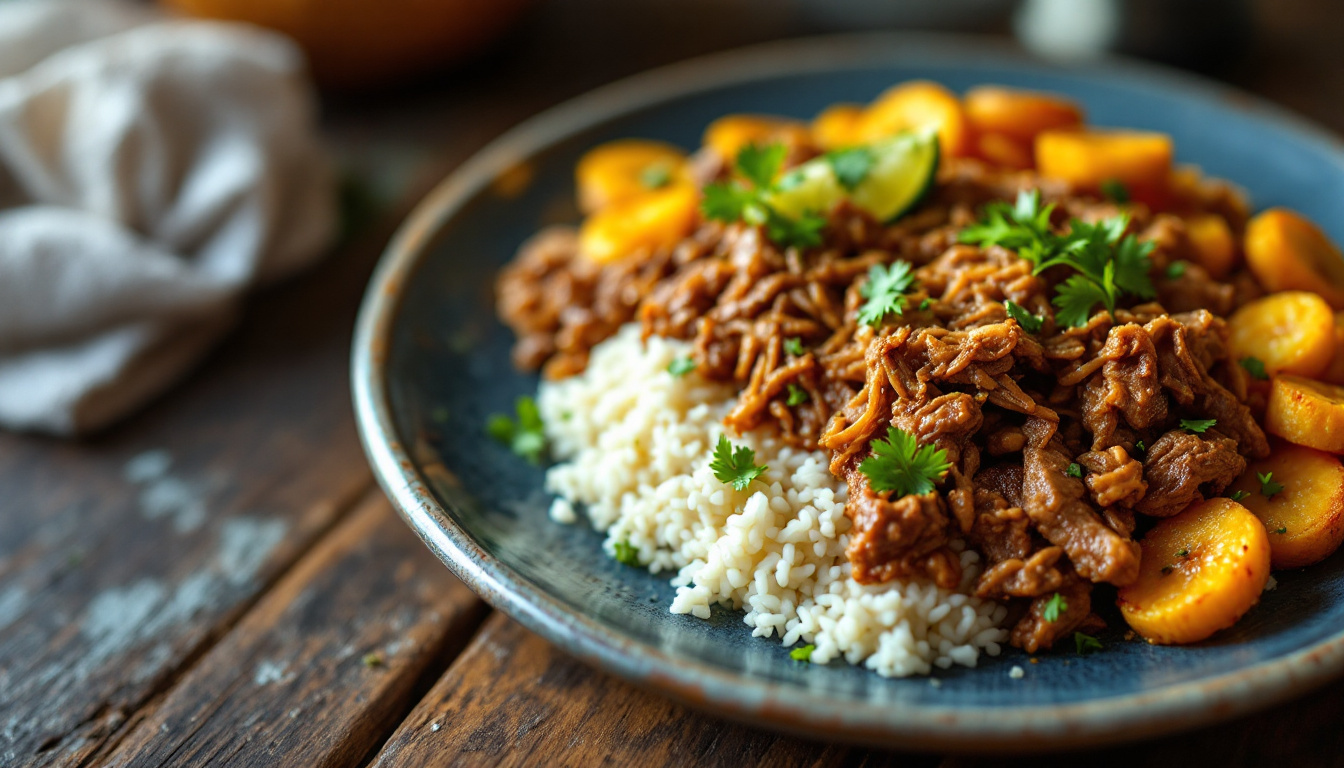
Ropa vieja, literally “old clothes,” is Cuba’s national dish. Flank or skirt beef gets simmered until it falls apart, then shredded and braised in a sofrito of tomato, onion, garlic, and bell pepper with a splash of wine, until rich and tender. Served with white rice, black beans, and fried plantain, it’s deeply savory comfort food and the dish to order first. Most paladares do a good version. Slow-cooked and homey, ropa vieja is the taste of the Cuban kitchen.
Lechon asado
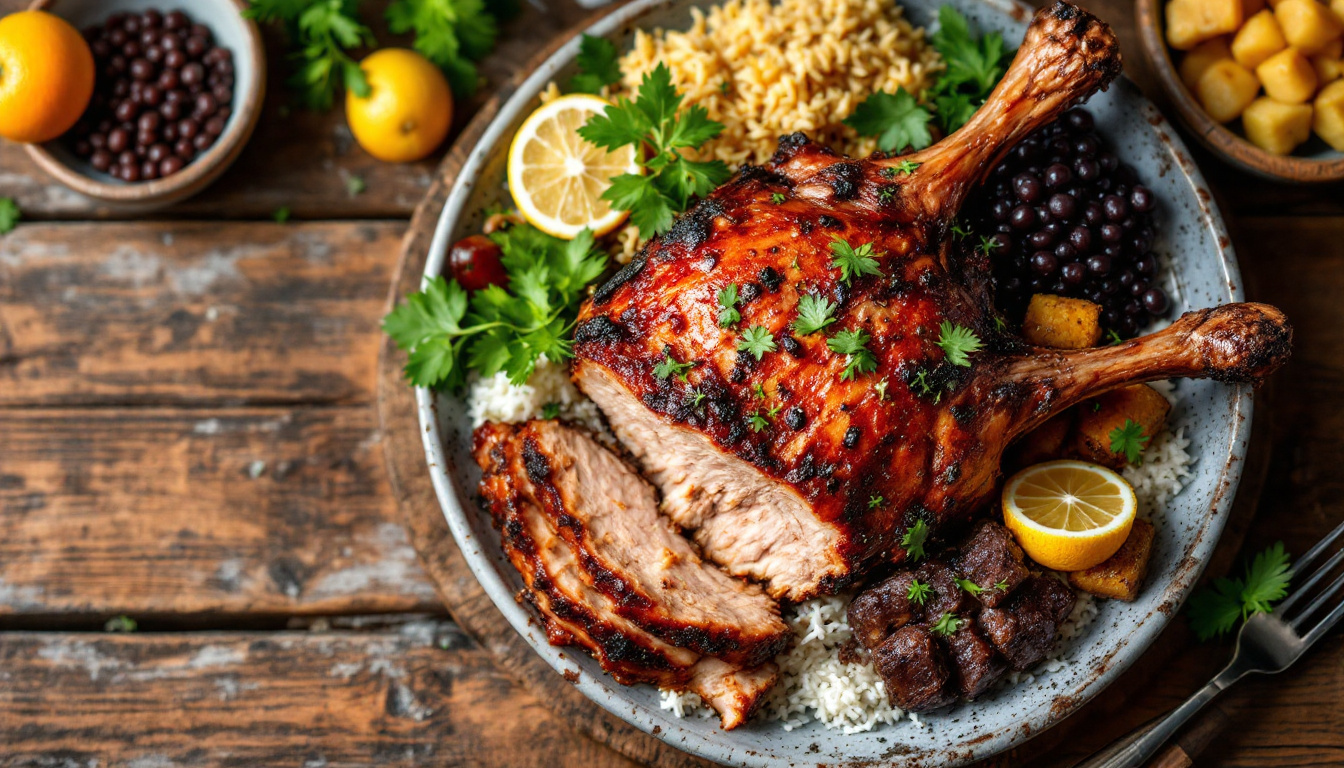
Lechon asado, garlicky roast pork, is the centerpiece of any Cuban celebration. The pork is marinated in mojo (sour orange, garlic, cumin, and oregano) and slow-roasted, ideally whole over coals, until the meat is succulent and the skin crackles. Served with moros y cristianos, yuca con mojo, and plantain, it’s the feast Cubans live for, above all at Christmas (Nochebuena). Smoky, citrusy, rich. A plate of pulled roast pork with crisp skin is the single most satisfying thing to eat in Havana.
Moros y cristianos and congri
Rice and beans are the soul of the Cuban plate. Moros y cristianos (“Moors and Christians”) is white rice and black beans cooked together in one pot with sofrito until the grains turn a savory grey-brown. Its eastern cousin congri uses red beans. Either way, simmered with garlic, cumin, bay, and a little pork for flavor, it accompanies almost every meal. Humble, hearty, and quietly delicious, this one-pot rice and beans is the steady backbone of how Havana eats every single day.
Pan con lechon and the Cuban sandwich
Cuba runs on pork sandwiches. The everyday street favorite is pan con lechon, warm roast pork piled into crusty Cuban bread with raw onion and a squeeze of mojo or lime, simple and superb. Its more elaborate relative, the cubano (ham, roast pork, Swiss cheese, pickles, and mustard pressed flat and toasted), is now more famous in Miami than on the island. For a cheap, satisfying bite between sights, a pan con lechon from a street window is hard to beat. The other great street fillers? The Cuban pizza, a doughy, oversized round blanketed in melted cheese and sold from cafeteria windows, and a paper cone of mani (warm roasted peanuts) bought from a roving vendor singing the famous “manisero” call.
Picadillo
Picadillo is the great Cuban home-style dish: ground beef simmered in a tomato sofrito with green olives, raisins, and sometimes capers and a splash of wine, giving it a moreish sweet-savory-briny balance. Spoon it over white rice with a side of fried plantain, often topped with a fried egg or served with potato, and you’ve got everyday comfort food cooked in every Cuban kitchen. Cheap, savory, and a little sweet, picadillo is the homey weeknight side of Havana cooking.
Vaca frita
If ropa vieja is the soft, saucy side of shredded beef, vaca frita (“fried cow”) is its crisp opposite. The same flank beef is boiled tender, shredded, marinated in lime, garlic, and salt, then pressed flat and seared hard on a griddle until the edges go brown and crunchy, finished with a tangle of sauteed onions. A final squeeze of lime cuts through it, and you eat it with rice, beans, and plantain. Crispy, citrusy, intensely savory. Vaca frita is many Cubans’ favorite way with beef, and a paladar plate of it is genuinely hard to stop eating.
Tostones and maduros
Plantain comes two essential ways in Havana. Tostones (or chatinos) are slices of green plantain fried, smashed flat, and fried again until crisp and golden, salted and eaten as a savory side or snack with garlicky mojo. Maduros are sweet ripe plantain fried until soft, dark, and caramelized, a sweet foil to savory mains. Mariquitas, thin plantain chips, are the crunchy bar snack, sold in paper cones alongside chicharrones (crisp pork cracklings). Cheap and on every table, fried plantain in its various forms is essential Cuban eating.
Yuca con mojo
Yuca con mojo is a beloved Cuban side: chunks of yuca (cassava) boiled until soft and tender, then bathed in a warm mojo of olive oil, plenty of garlic, sour orange, and onion. Garlicky, tangy, comforting, it sits alongside roast pork and rice and beans at any feast. The starchy root soaks up the citrusy sauce beautifully. A staple of Nochebuena and Sunday tables, yuca con mojo is one of those simple sides that quietly becomes the thing you remember.
Seafood and lobster
As an island, Cuba has good seafood, and in Havana’s paladares it’s often the highlight. Langosta (Caribbean spiny lobster) is the prize, usually grilled or served enchilada-style in a tomato sauce, alongside camarones (shrimp), grilled fish (pescado), and the rich seafood stew. Once tightly controlled by the state, lobster is now a paladar specialty and, by international standards, very good value. Want a splurge in Havana? A grilled lobster with garlic and lime by the water is the way to do it.
Tamal and viandas
The tamal cubano is a comforting street and home snack, fresh corn masa mixed with bits of pork, wrapped in a corn husk, and boiled or steamed until set, eaten plain or with a little sauce. Around it sit the viandas, the starchy staples that fill the Cuban plate: boniato (sweet potato), malanga, calabaza (squash), and more yuca, often boiled and dressed with mojo. Cheap, filling, and rooted in the countryside, the tamal and viandas are the humble heart of everyday eating.
Mojito, daiquiri and Havana rum
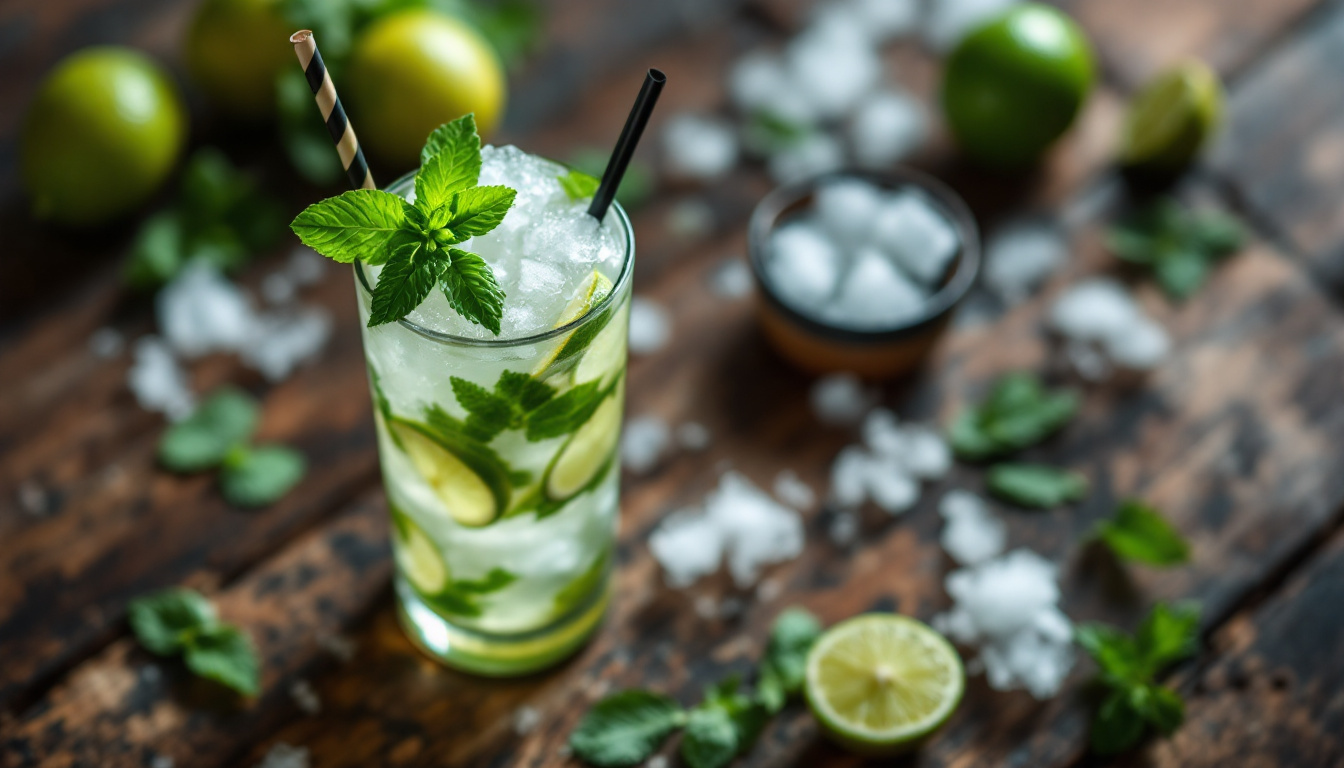
Havana is one of the world’s great cocktail cities, and rum is the soul of it. The mojito (rum, lime, sugar, mint, and soda) was popularized at La Bodeguita del Medio, while the frozen daiquiri was perfected at El Floridita, Hemingway’s haunt. Add the Cuba libre (rum and cola with lime) and the Cuban-born presidente and canchanchara. Made with local Havana Club rum, these drinks are cheap, strong, historic. A mojito in a tiled old-town bar is an essential Havana ritual.
Flan, pastelitos and Cuban sweets
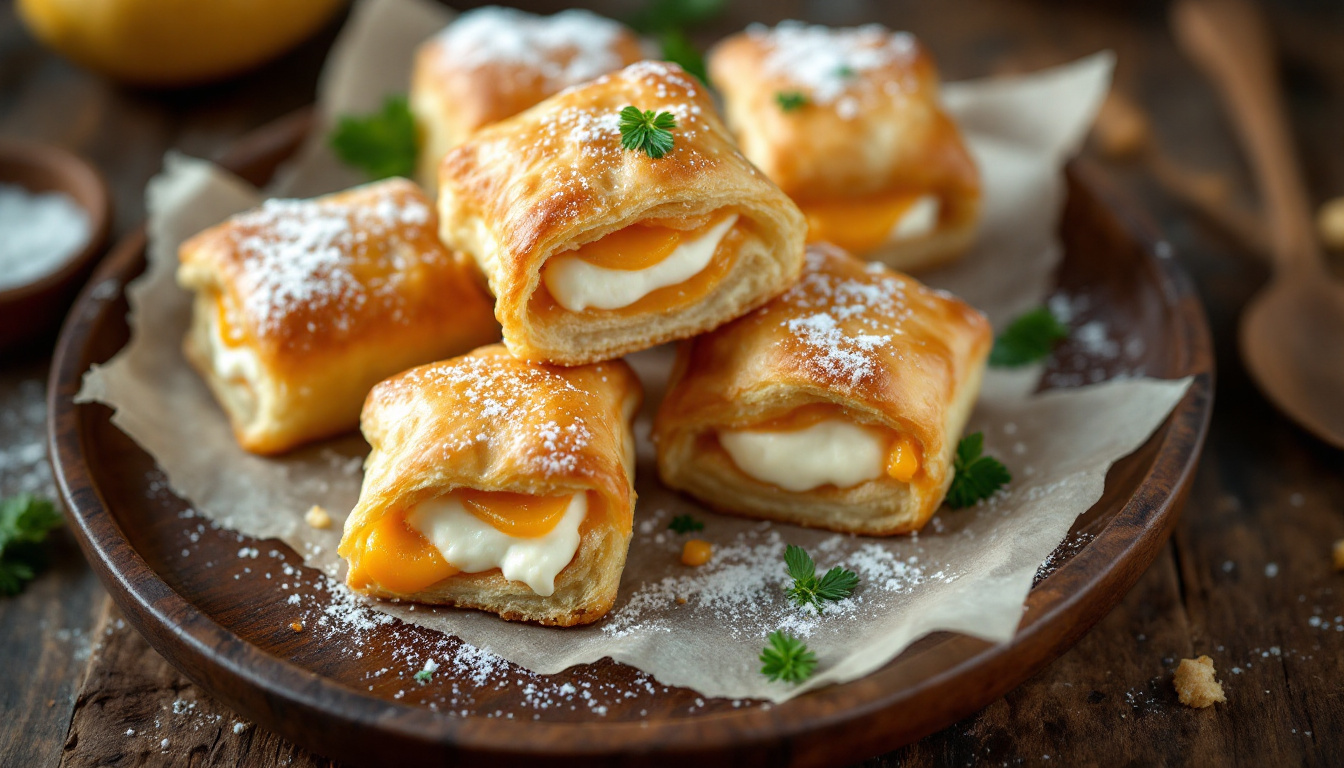
Cubans love sweets. The classic is flan, a dense caramel custard, alongside the milky arroz con leche (rice pudding) and natilla. From bakeries come pastelitos, flaky puff-pastry parcels filled with guava and cream cheese, sweet guava, or meat, and the dulce de leche cortada. Tres leches cake, soaked in three milks, is a favorite for celebrations. Sweet, eggy, and comforting, Cuban desserts are a cheap, easy pleasure to round off a meal or grab from a panaderia.
Coppelia ice cream and cafe cubano
Two Havana rituals deserve their own mention. Coppelia, the giant 1960s ice-cream parlor in Vedado, is a beloved national institution where locals queue for cheap scoops in the park (pay in pesos at the local windows for the real experience). And cafe cubano, a tiny, intensely sweet shot of dark espresso whipped with sugar, is the rocket fuel of the city, sipped all day, with the milky cortadito and cafe con leche as gentler cousins. Both are cheap, social, and quintessentially Havana.
Where to eat: Old Havana, the paladares and Vedado
The best food in Havana is found less by neighborhood than by knowing to choose private paladares over state restaurants. That said, the districts each have their character. Here’s the map.
The restored colonial old town is where most visitors eat, home to atmospheric paladares in crumbling-grand buildings and the legendary cocktail bars: La Bodeguita del Medio for mojitos and El Floridita for daiquiris, both Hemingway haunts. It’s touristy and pricier than elsewhere, but beautiful, with rooftop restaurants overlooking the bay. Book a good paladar for dinner, have your cocktails among the history, and accept that you’re paying partly for the setting.
Gritty, lived-in Centro Habana, between the old town and Vedado, is where to find cheaper, more local eating, street windows selling pan con lechon and pizza, peso stalls, and unpretentious paladares. The small Barrio Chino (Chinatown) on Calle Cuchillo adds Cuban-Chinese restaurants. This is the real, everyday Havana, less polished and far cheaper, and a great area to eat like a local if you are happy to wander and take what is available that day.
Leafy, mid-century Vedado is home to some of Havana’s best and most inventive paladares, the famous Coppelia ice-cream park, the Hotel Nacional for a sunset daiquiri, and a livelier restaurant and music scene. It’s more spread out and residential, and it rewards those willing to venture beyond the old town with excellent private restaurants and a more local feel. For a serious paladar dinner away from the tourist crush, Vedado is often the smart choice.
The single most useful rule in Havana is to eat at paladares, the privately owned restaurants (often in family homes), rather than the state-run places, which tend to be cheaper but bland and poorly stocked. Paladares serve better, fresher, more creative food, and they’re where Cuban cooking truly shines. Reserve popular ones ahead, carry cash, and ask your casa particular host for their current favorite, since the scene changes fast.
What to drink in Havana
Havana drinks rum and coffee, and does both brilliantly. The cocktails are the headline: a minty mojito, a frozen daiquiri, a Cuba libre, all made with local Havana Club rum and best enjoyed where they were invented in the old town. You can sip rum neat or aged (anejo) too. On the soft side, cafe cubano (sweet, strong espresso) and the milky cortadito fuel the day, while guarapo (fresh-pressed sugarcane juice) and tropical fruit batidos (milkshakes) cool you down. The local Cristal and Bucanero are the everyday beers. Drink bottled water, since the tap water isn’t reliably safe.
- Choose paladares (private restaurants) over state-run places for much better food.
- Carry cash; cards frequently fail, US-issued cards do not work, and ATMs are unreliable.
- Be flexible, as shortages mean menus and ingredients change day to day.
- Tipping around 10 percent in cash is expected and makes a real difference to staff.
- Cuban food is mild rather than spicy; ask casa particular hosts for current paladar tips.
Frequently asked questions
What food is Havana known for?
Havana is known for Cuban comfort classics: ropa vieja (shredded beef in tomato sauce), lechon asado (garlicky roast pork), moros y cristianos (rice and black beans), picadillo, tostones and fried plantain, and yuca con mojo. It is also famous for its rum cocktails, the mojito and daiquiri, strong cafe cubano, and Coppelia ice cream. The food is savory and filling rather than spicy.
What is a paladar?
A paladar is a privately owned Cuban restaurant, often run out of a family home, as opposed to a state-run restaurant. Paladares serve much better, fresher, and more creative food than most state establishments, and they are where Havana’s best cooking is found. Reserve popular ones in advance, carry cash, and ask your casa particular host for their current recommendations.
Is the food in Havana good?
Havana’s food has a poor old reputation thanks to bland state restaurants and shortages, but the private paladares have transformed dining, serving genuinely good home-style Cuban cooking and excellent-value seafood. Eat at paladares rather than state-run places, stay flexible about availability, and you can eat very well. The cocktails, coffee, and roast pork are highlights.
Where was the mojito invented?
The mojito was popularized at La Bodeguita del Medio in Old Havana, a bar made famous by Ernest Hemingway. Nearby El Floridita is the home of the frozen daiquiri, another Hemingway haunt. Both are touristy and pricier than average, but having a mojito at La Bodeguita and a daiquiri at El Floridita is a classic, atmospheric Havana ritual worth doing once.
Do I need cash to eat in Havana?
Yes. Carry plenty of cash in Havana, as card payments frequently fail, US-issued cards do not work at all, and ATMs are unreliable. Bring euros or dollars to exchange, and keep enough cash for meals, tips, and cocktails. The currency and exchange situation changes often, so check the latest setup before you travel, and budget for cash-only paladares and street food.
Is Havana good for vegetarians?
Havana is challenging but manageable for vegetarians. Cuban food is pork-heavy, but rice and beans (moros y cristianos), tostones and maduros, yuca con mojo, viandas, salads, and fried eggs are widely available and meat-free, and better paladares can usually adapt dishes. Shortages can limit options, so vegetarians and especially vegans should be flexible and patient, and expect a repetitive but workable diet.
More food guides waiting for you
Browse our complete collection of Americas food guides.