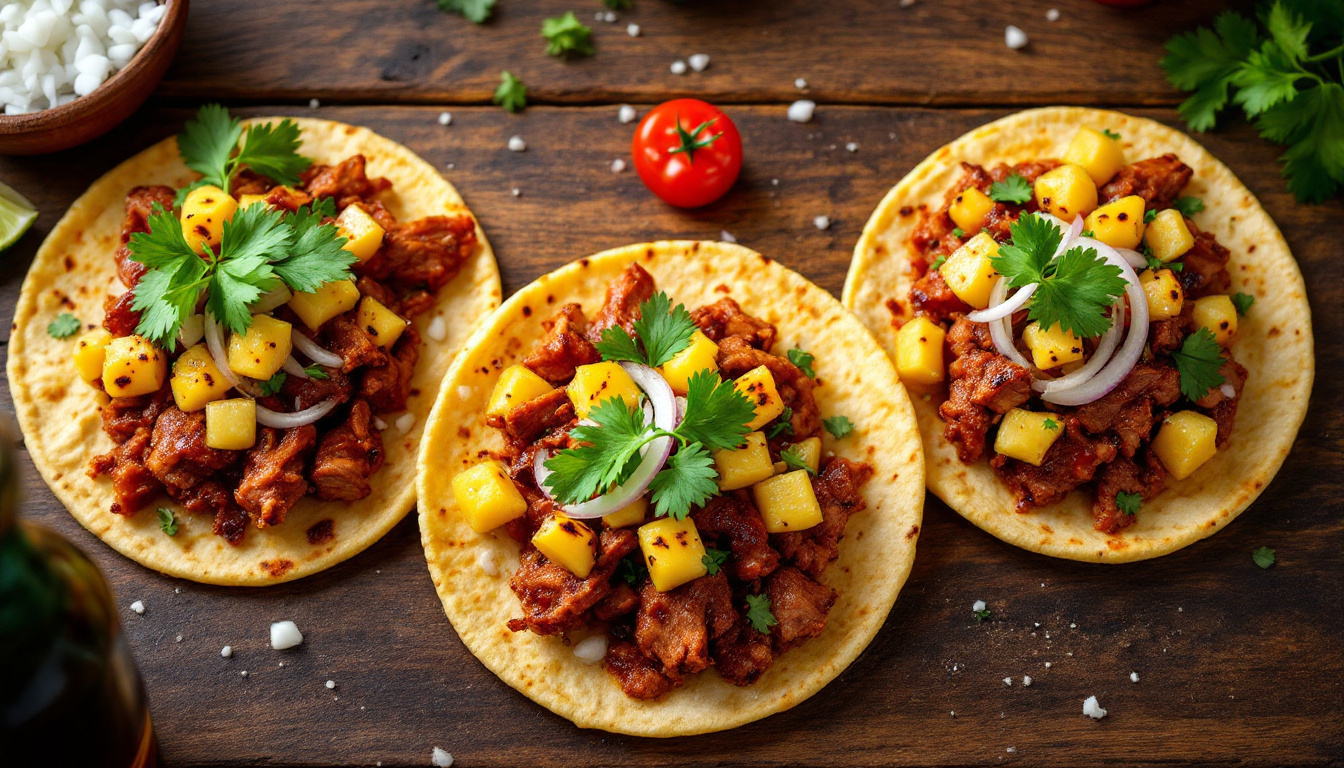
Cold ceviche on a hot afternoon, fried whole fish with coconut rice on the beach, an arepa de huevo from a Getsemani cart, and fresh fruit cut by a palenquera in the plaza: a neighborhood guide to eating in Cartagena.
The best food in Cartagena is Caribbean seafood, coconut rice, and cold tropical fruit, eaten in the shade of a 500-year-old wall. Colombia’s steamy Caribbean jewel cooks nothing like the Andean interior. Here the flavors are coastal and African-rooted, built on the day’s catch, coconut, plantain, and the corn fritters sold from every corner. From ceviche in the walled city to fried fish on the beach and the singing fruit-sellers in their colorful dresses, this is one of the most delicious and atmospheric food cities in the Americas.
Why Cartagena is a great food city
Cartagena is a great food city because its cooking is pure Caribbean, shaped by African, Indigenous, and Spanish hands and powered by the sea, coconut, and tropical fruit. The wider national picture is in our complete Colombia food guide, but Cartagena tastes nothing like Bogota or Medellin. It’s hotter, coastal, sweeter, built on fresh fish, arroz con coco, and the corn fritters of the coast. It’s one of the standout stops in our wider guide to the best food in the Americas.
The constants are seafood, coconut, plantain, and corn, with the deep African heritage of the nearby town of Palenque woven through it. Eating here splits three ways: the polished restaurants of the walled city, the street carts of Getsemani, and the raw, chaotic abundance of Bazurto Market where the locals actually shop. Add the fruit-sellers, the beach-shack fish lunches, and the cold coconut drinks, and you have a coast that eats with real joy. This guide runs through the dishes that define it, then where to find them.
The best food in Cartagena, dish by dish
These are the 12 things I tell every visitor to eat, with a rough 2026 price and what makes each matter. Prices are in Colombian pesos (COP), and the street food is a steal.
Ceviche and cazuela de mariscos
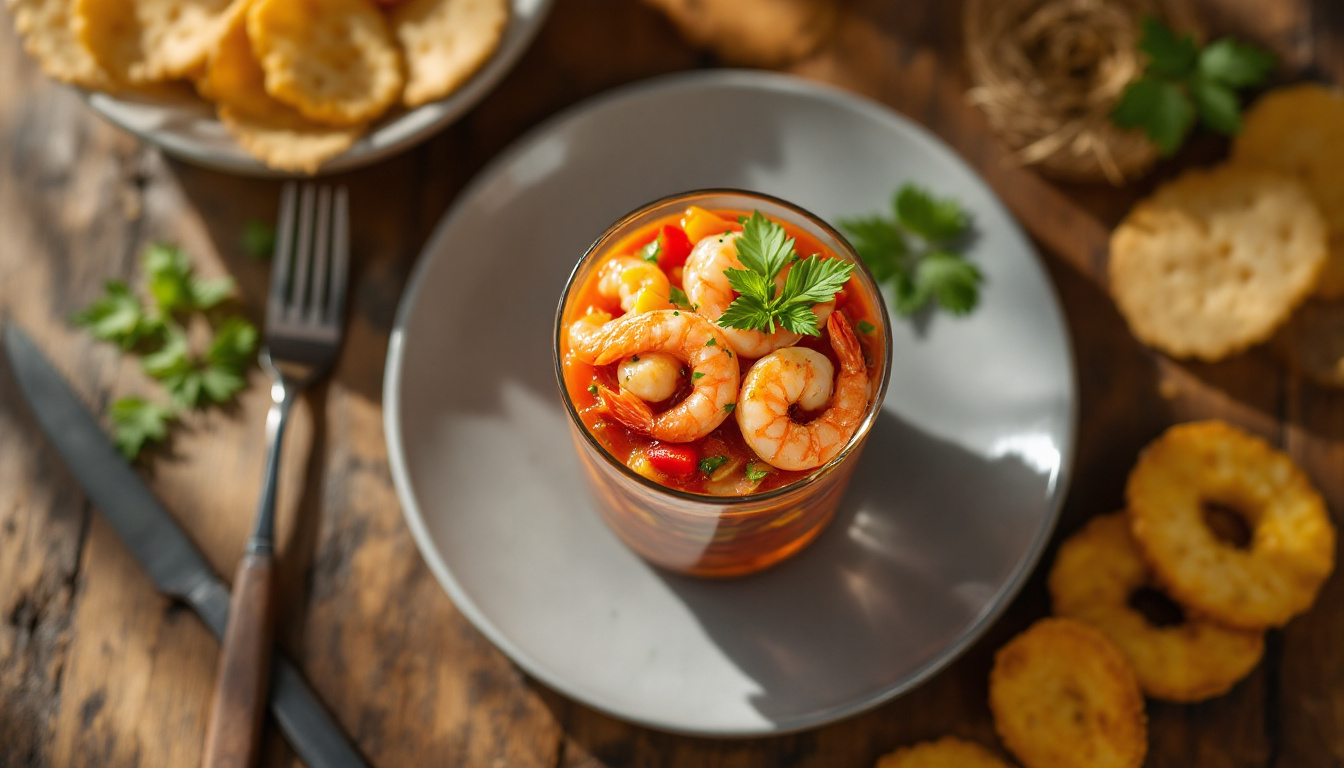
Cartagena does seafood two iconic ways. Ceviche here is Caribbean-style: shrimp or mixed seafood in a tangy tomato-and-lime sauce, sometimes with a touch of ketchup and served with crackers or fried plantain. Its rich opposite is cazuela de mariscos, a creamy, coconut-tinged seafood stew thick with shrimp, fish, squid, and clams. Cold and bright or warm and creamy, both showcase the day’s catch. Eat them in the walled city, or at La Cevicheria, made famous by Anthony Bourdain.
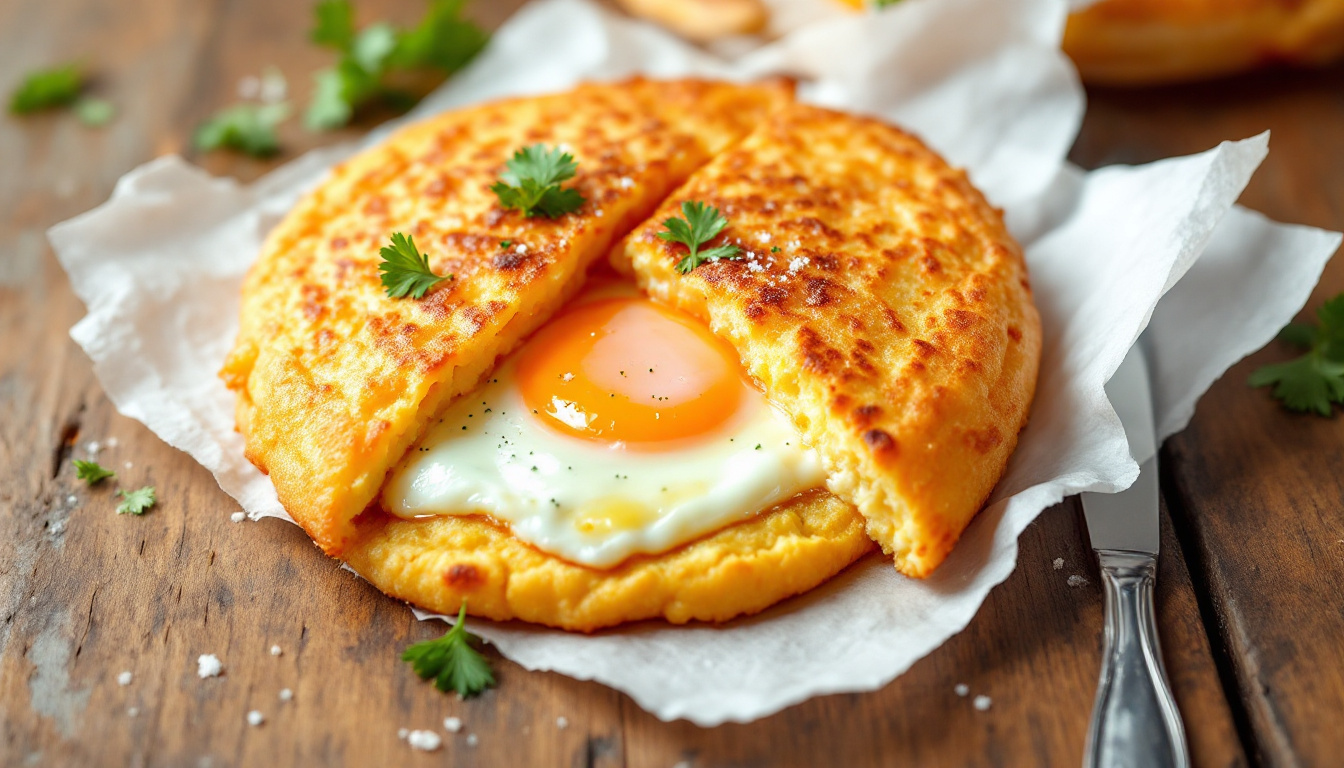
Arepa de huevo
The arepa de huevo is the Caribbean coast’s great street snack. A corn-dough cake gets fried once, split, cracked open with a whole egg inside, then fried again until golden and puffed. Crisp outside, soft and rich within, it’s eaten hot from carts for breakfast or any time, sometimes with a little ground meat added. Cheap, savory, and utterly addictive, it’s the snack that defines Cartagena street eating and the first thing to grab from a fritura cart.
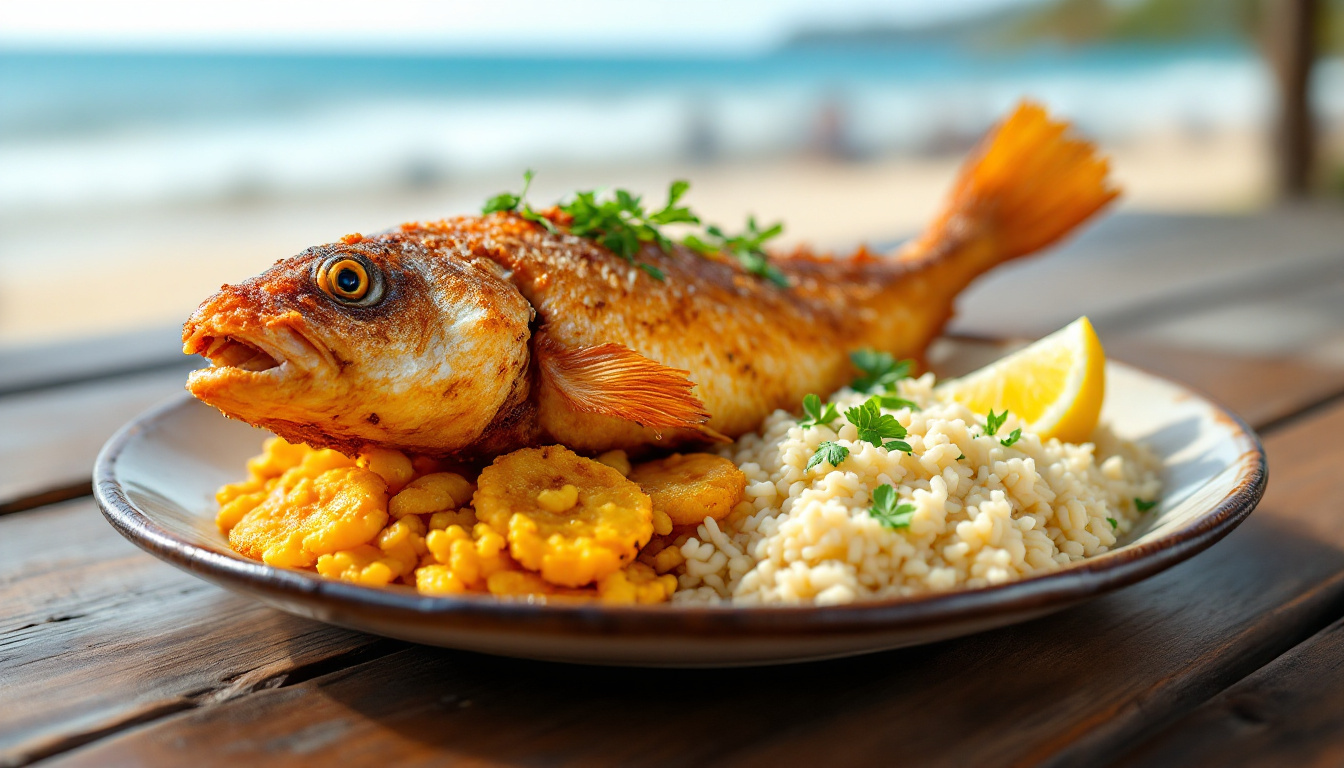
Pescado frito with arroz con coco
The classic Cartagena beach lunch is a whole fried fish (usually red snapper, pargo) served with arroz con coco (sweet-savory coconut rice cooked until the bottom caramelizes into titote), crisp patacones (fried green plantain), and a simple salad. You eat it with your fingers under a beach umbrella on Playa Blanca or the islands, the sea in front of you. It’s one of the great pleasures of the coast. Simple, fresh, deeply satisfying, this is Caribbean Colombia on a plate.
Posta negra cartagenera
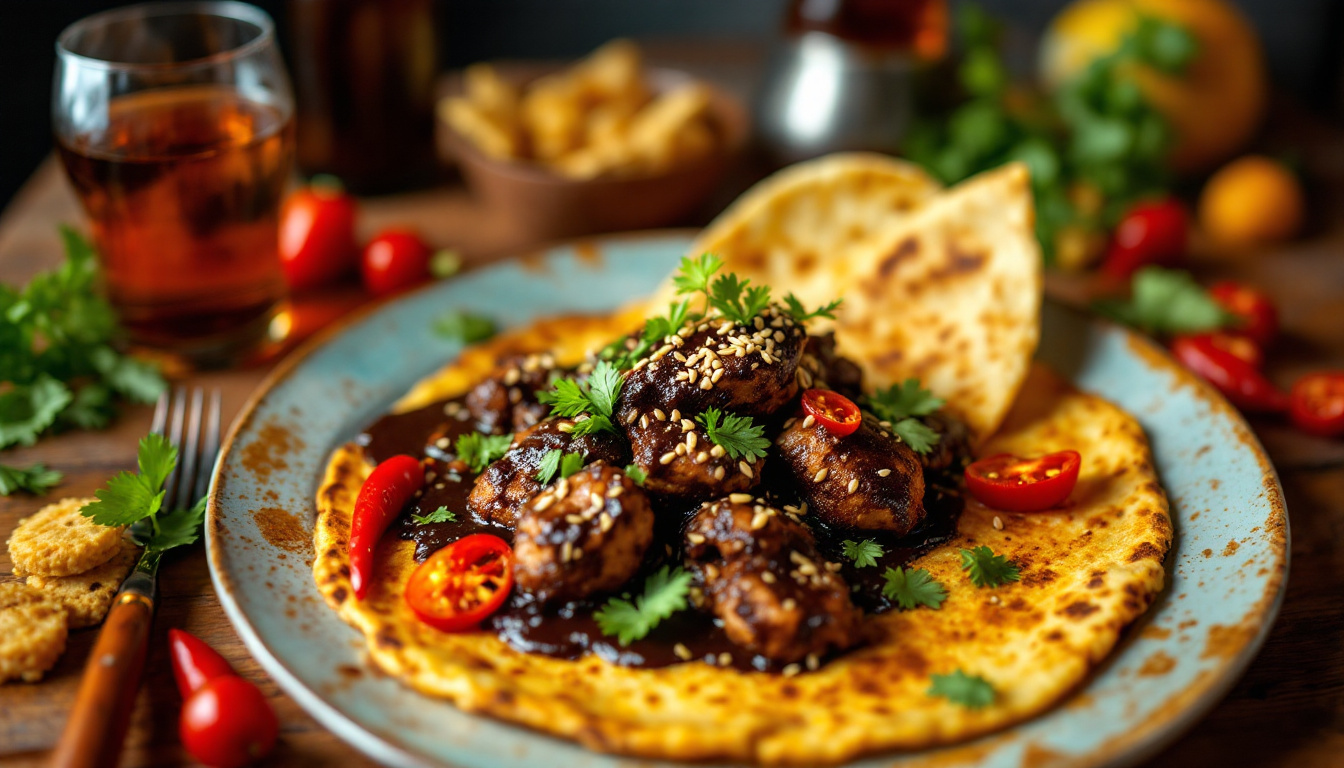
Posta negra is Cartagena’s signature meat dish, beef slow-braised until meltingly tender in a dark, glossy sauce that balances sweet and savory, colored and flavored with panela (unrefined cane sugar) and sometimes cola, plus tomato, onion, and spices. Served in thick slices with coconut rice and plantain, it is rich, comforting, and distinctly local. A staple of traditional restaurants and home kitchens, the sweet-and-dark posta negra is the city’s beloved answer to a hearty meat main.
Carimanola and street fritters
The coast loves its frituras, and the carts overflow with them. The carimanola is a torpedo of mashed yuca (cassava) stuffed with seasoned meat or cheese and deep-fried golden. Around it sit empanadas, deditos de queso (cheese sticks), buñuelos (savory cheese dough balls), and papa rellena. Crisp, hot, cheap, these snacks sell all day from street vendors and fritura stands. A paper plate of mixed fritters with spicy aji sauce is the quintessential Cartagena street graze.
Sancocho de pescado
Sancocho is Colombia’s great soul-soup, and on the coast the prize version is sancocho de pescado, a hearty fish stew simmered with yuca, plantain, yam (ñame), and corn in a fragrant broth, often enriched with coconut milk. Served with white rice on the side and a squeeze of lime, it is the comforting Sunday and beach-shack classic. Brothy, filling, and full of the flavor of the sea and tropical roots, it is the dish locals turn to for a restorative, sit-down meal.
Fruta de la palenquera
The palenqueras, women in bright dresses balancing bowls of fruit on their heads, are the symbol of Cartagena and descendants of the free African town of San Basilio de Palenque. They sell cut tropical fruit (mango, pineapple, papaya, watermelon, zapote, nispero) and dulces. Beyond the photo op, the fruit is genuinely good and refreshing in the heat. Buy a freshly cut bag, agree the price first, and taste mango biche (green mango with salt and lime), a tart coastal favorite.
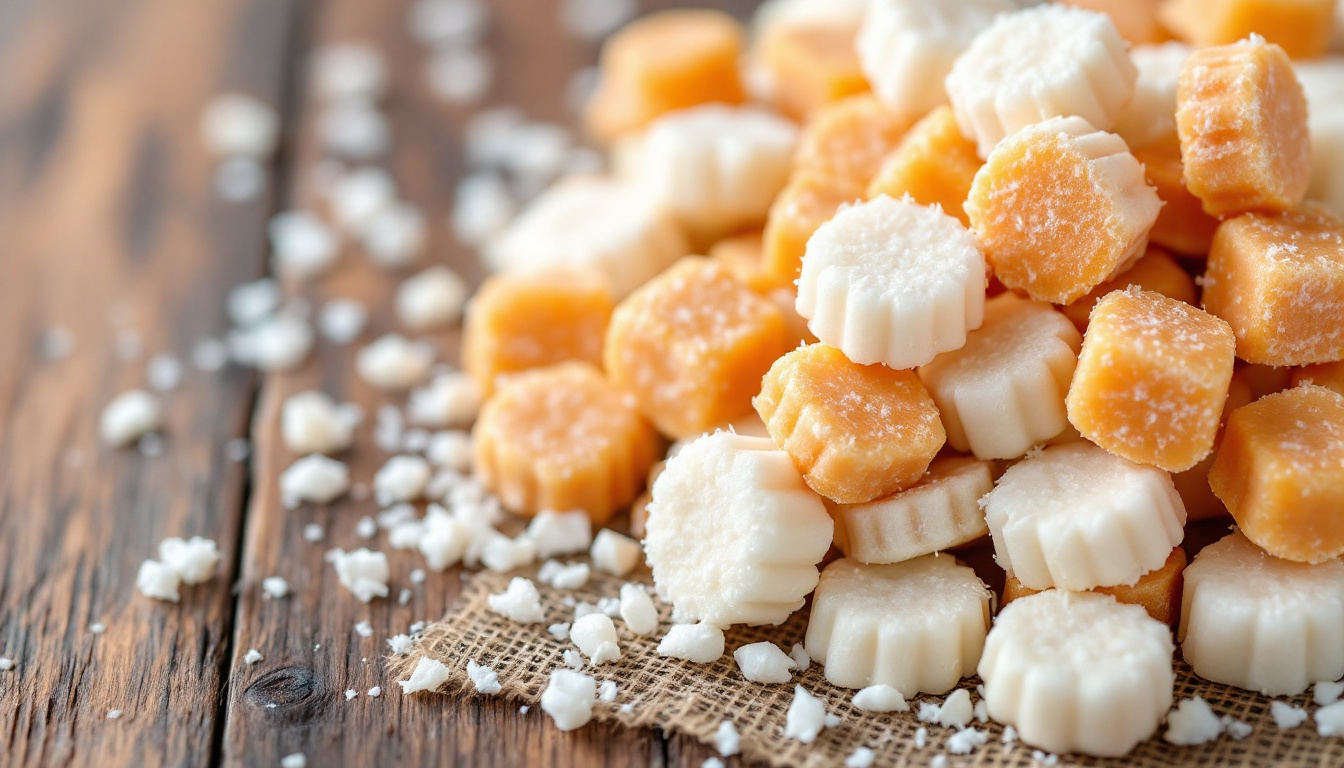
Cocadas and coastal sweets
Cartagena has a serious sweet tooth, and coconut leads the way. Cocadas are chewy coconut candies, sold plain or in flavors like arequipe (dulce de leche), guava, and tamarind from the palenqueras and street stalls. Alongside them come dulces (preserved fruits in syrup), caballitos de papaya, and the milky alegrías. The Portal de los Dulces by the clock tower is the historic sweet market. A handful of cocadas makes the perfect cheap, sticky treat to nibble while wandering the old town.
Patacones and plantain
Plantain is everywhere on the coast, and patacones are its finest form: thick slices of green plantain smashed flat and fried twice until crisp, served with salt, aji, or hogao (tomato-onion sauce), or piled high with cheese, shrimp, or guacamole as patacon pisao. Sweet ripe plantain (maduro) is fried soft and caramelized as a side. Crunchy, salty, and satisfying, patacones partner almost every Cartagena meal and make a great vegetarian snack in their own right.
Arroz con coco and rice dishes
Beyond its starring role beside fried fish, coconut rice deserves its own mention. It’s the defining flavor of the coast. Arroz con coco is white rice simmered in coconut milk and a little sugar until the bottom caramelizes into sweet, dark grains called titote, giving the dish its signature sweet-savory edge. It accompanies almost every main. You’ll also meet arroz con camarones (shrimp rice) and the festive arroz con pollo. Sweet, fragrant, and addictive, coconut rice is the soul of Cartagena cooking.
Mote de queso and coastal soups
Mote de queso is a beloved coastal soup, a creamy, comforting bowl of ñame (white yam) cooked until it thickens the broth, with chunks of salty costeño cheese melting into it, brightened with garlic, onion, and a little sour orange. Hearty and a little tangy, it is a cherished home-style dish of the Caribbean region, especially around Sucre and Cordoba but found across Cartagena. Vegetarian and deeply satisfying, it is the kind of soulful local soup that rarely makes the tourist menus.
Limonada de coco and Cartagena drinks
In Cartagena’s heat, the drinks matter as much as the food. Limonada de coco, a blended, creamy coconut-and-lime frappe, is the city’s signature cooler and impossible to resist. Around it sit endless fresh fruit juices (jugos naturales) made with water or milk (lulo, maracuya, mango, corozo, tamarindo), the corn drink peto, and the warming agua de panela. Colombian coffee is excellent everywhere. For something stronger, sip a Caribbean rum or a cold Aguila beer as the sun goes down.
Where to eat: the walled city, Getsemani and Bazurto
The best food in Cartagena spreads from the polished walled city to the street carts of Getsemani and the raw market chaos beyond. Knowing where to head shapes the whole trip. Here’s the map.
The Ciudad Amurallada, the postcard old town inside the 16th-century walls, holds Cartagena’s best restaurants, from refined Caribbean cooking to ceviche bars like La Cevicheria. Palenqueras sell fruit and cocadas in the plazas, and the historic Portal de los Dulces by the clock tower is lined with sweet stalls. Yes, it’s the most touristy and priciest area. It’s also beautiful, and it’s the place for a special seafood dinner and a wander between candy sellers and juice carts.
Getsemani, the once-gritty, now-hip neighborhood just outside the walls, is where to eat well for less. Its streets and the lively Plaza de la Trinidad fill at night with street-food carts, casual eateries, and locals, serving arepas de huevo, fritters, grilled meat, and cheap eats with real character. Less polished and far more affordable than the Centro, it’s the best area for street food, atmosphere, and an evening among Cartageneros rather than tour groups.
Mercado Bazurto is the real, raw, overwhelming heart of how the city eats, a sprawling, chaotic market where fishermen land the catch and stalls cook fresh sancocho, fried fish, and arroz con coco for the locals. Hot, crowded, and not for the faint-hearted, it rewards the adventurous with the most authentic and cheapest food in town, best visited early and ideally with a guide or food tour for context and confidence.
For the classic fried-fish lunch, head to the sand. Bocagrande’s beaches, Playa Blanca on Baru, and the Rosario Islands all have shacks and vendors serving whole pescado frito with coconut rice and patacones, plus fruit and cold drinks brought to your sun lounger. Agree prices before you order, since beach vendors can overcharge. Eating fresh fish with your feet near the water is the quintessential Caribbean Cartagena experience.
What to drink in Cartagena
Cartagena drinks to beat the heat, and the star is the limonada de coco, a creamy blended coconut limeade you will order again and again. Beyond it, the fresh fruit juices are a highlight: try lulo, maracuya (passion fruit), corozo, tamarindo, and mango, made with water or milk. The corn drink peto and the sugary agua de panela with lime are traditional coolers, and Colombian coffee (a tinto) is everywhere. For alcohol, Colombia’s rums and the local Aguila and Club Colombia beers go down easily in the warmth, while the sugarcane spirit aguardiente is the national tipple. Stick to bottled or filtered water.
- Always agree the price first with palenqueras, fruit-sellers, and beach vendors to avoid overcharging.
- Lunch (almuerzo) is the main meal, and the menu del dia is the best-value way to eat.
- Restaurants often add a voluntary 8 to 10 percent service charge; you can decline or adjust it.
- Carry small cash for street carts and the beach; cards are not accepted at most stalls.
- Vegetarians can lean on patacones, arepas, mote de queso, fruit, juices, and coconut rice, though the coast is seafood- and meat-heavy.
Frequently asked questions
What food is Cartagena known for?
Cartagena is known for Caribbean seafood (ceviche and cazuela de mariscos), whole fried fish (pescado frito) with coconut rice (arroz con coco) and patacones, the arepa de huevo (a fried corn cake with an egg inside), posta negra (sweet-dark braised beef), and the fresh fruit and cocadas sold by the palenqueras. Its food is coastal, coconut-rich, and African-influenced, unlike Colombia’s Andean interior.
What is an arepa de huevo?
An arepa de huevo is the Colombian Caribbean coast’s signature street snack: a corn-dough cake fried once, opened, filled with a whole raw egg (and sometimes ground meat), then sealed and fried again until golden and puffed. Crisp outside and rich inside, it is eaten hot from street carts for breakfast or any time, and it is one of the must-try cheap eats in Cartagena.
Where should I eat in Cartagena?
For the best restaurants and ceviche, head to the walled Centro; for cheaper street food and atmosphere, go to Getsemani and Plaza de la Trinidad; for the rawest, most local and authentic eating, visit Mercado Bazurto (ideally with a guide). For the classic fried-fish-and-coconut-rice lunch, eat at the beaches and islands like Playa Blanca and the Rosario Islands.
How much does food cost in Cartagena?
Cartagena ranges from very cheap street food to pricey walled-city restaurants. An arepa de huevo or fritter is around COP 4,000-9,000 (about $1-2), a fried-fish beach lunch COP 35,000-70,000, and a ceviche or seafood dinner in the Centro more. The set lunch (menu del dia) is the best value. Carry small cash for street carts, and agree beach and fruit prices first.
What should I drink in Cartagena?
Drink limonada de coco, the creamy coconut limeade that is Cartagena’s signature cooler, and as many fresh fruit juices as you can (lulo, maracuya, corozo, mango, tamarindo). Traditional coolers include peto and agua de panela, and Colombian coffee is excellent. For alcohol, try Caribbean rum, the local Aguila beer, or aguardiente. Stick to bottled or filtered water.
Is the street food in Cartagena safe?
Cartagena’s street food is a highlight and generally safe at busy stalls with high turnover, where fritters and arepas are fried fresh and hot. In the intense heat, be a little more cautious with raw ceviche and ice at the very cheapest vendors, and drink bottled or filtered water. Choosing popular carts, especially in Getsemani, and eating freshly cooked food is the best approach.
More food guides waiting for you
Browse our complete collection of Americas food guides.