Barcelona is two food cities at once: the Spanish one of tapas, jamon, and late-night bars, and the Catalan one of pa amb tomaquet, seafood rice, and grilled vegetables that locals fiercely defend. The best food in Barcelona lives in the markets, the vermut hour, and the old tapas bars where you eat standing, plate after plate.
A great Barcelona meal is rarely a single dish. It is a crawl of small plates and bites, a glass of vermut before lunch, bread rubbed with tomato, a fistful of fried seafood, and something custardy to finish. Eat the Catalan way, grazing through bars and markets, and the city feeds you as well as anywhere on the Mediterranean.
Barcelona is the brightest city in our wider Spain food guide, and one of the great stops in our Europe food guide. Use this as the city-level deep dive.
What food to eat in Barcelona
Barcelona eating runs on good bread, olive oil, seafood, and the ritual of the bar. Order a spread of these and you’ve eaten the city.
Tapas and pintxos
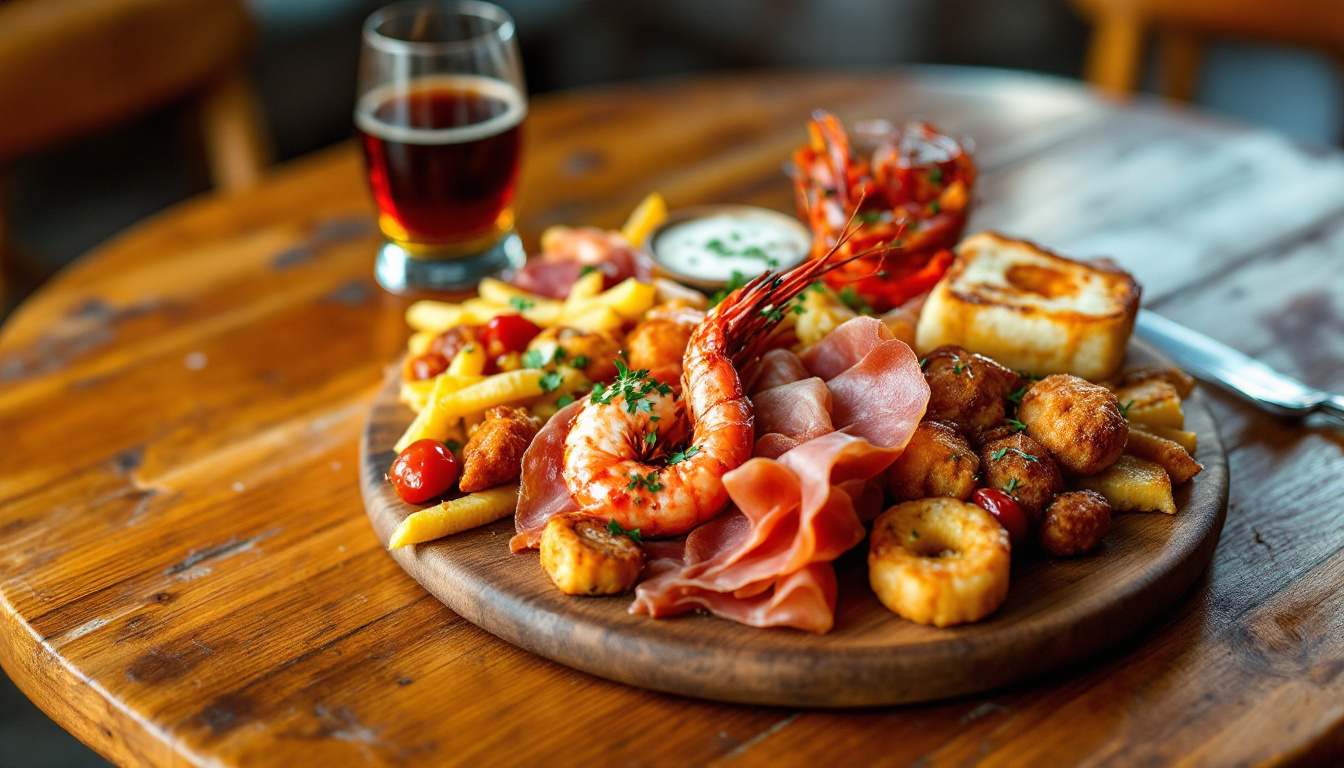
The bedrock of eating out. Small plates ordered to share, from a single bar or several in a crawl. In the Basque-style pintxos bars you grab skewered bites straight off the counter and pay by the stick. Either way, the rule is the same: order a few, eat, move on. Beyond the Catalan specialities, the classic Spanish tapas you’ll see on every counter, tortilla de patatas (the thick potato omelette), padron peppers blistered in oil and scattered with salt, and croquetas, are always a safe order. It’s the heart of Spain’s place among the great street food cities.
Pa amb tomaquet
The most Catalan thing on the table: rustic bread rubbed with ripe tomato, garlic, olive oil, and salt. Simple, perfect, served with almost everything. Order it with jamon or cheese and you understand Catalan cooking in one bite.
Patatas bravas
Fried potato chunks under a spicy, smoky sauce and often a garlicky alioli. The benchmark tapa. A good bar lives or dies by its bravas. Everyone has a favorite, and arguing about it is part of the fun, though many locals point you to Bar Tomas up in Sarria for the definitive version.
Jamon iberico and embutits
Spain’s cured ham, the dark, nutty jamon iberico de bellota, sliced paper-thin, is a religion. Alongside it come Catalan embutits (cured sausages) like fuet and botifarra. The grilled version, botifarra amb mongetes, fat pork sausage with white beans, is the homely Catalan plate every local grew up on. Eat them with pa amb tomaquet and a glass of wine.
Croquetas
Crisp-shelled, molten inside, filled with ham, chicken, or salt cod. The ultimate comfort tapa, and a reliable test of a kitchen. The best ones are creamy enough to almost collapse.
Seafood, fideua and paella
Barcelona is a port city, and its seafood is superb: gambas al ajillo (garlic prawns), gambes a la planxa (plump red prawns seared on the griddle), grilled pulpo, razor clams, and salt-cod dishes. Fideua is the local cousin of paella made with short noodles instead of rice, and the dark, dramatic arros negre, rice cooked in squid ink and served with alioli, is the Catalan rice dish to order over a generic paella. Seafood paella is everywhere too, best at lunch by the sea.
Esqueixada and salt cod
Catalonia’s answer to ceviche: esqueixada is a cooling salad of hand-shredded raw salt cod with tomato, onion, black olives and good olive oil, perfect in summer. Salt cod (bacalla) runs deep here, so look out for bacalla a la llauna (baked with garlic and paprika) and brandada, the whipped cod-and-olive-oil emulsion spread on toast. These are some of the most typical Catalan dishes you can order.
Canelons
The great Catalan festive dish and a Barcelona home-cooking staple: sheets of pasta rolled around a filling of roast meat, baked under a blanket of bechamel and gratinated cheese. Catalonia eats them by the million over the holidays, and December 26th, Sant Esteve (Saint Stephen’s Day), is officially canelons day, traditionally made from the leftovers of the Christmas roast. Order them year-round at a classic Catalan restaurant, sometimes stuffed with foie, mushrooms or spinach. Unlike Italian cannelloni, the Catalan version leans on rich roast meat rather than a tomato sauce.
Bombas
The signature snack of the Barceloneta seaside quarter: a fat potato croquette stuffed with spiced meat, fried, and topped with both bravas sauce and alioli. Said to have been invented at La Cova Fumada, the no-sign 1944 tavern in Barceloneta. Still worth a trip for.
Calcots and escalivada
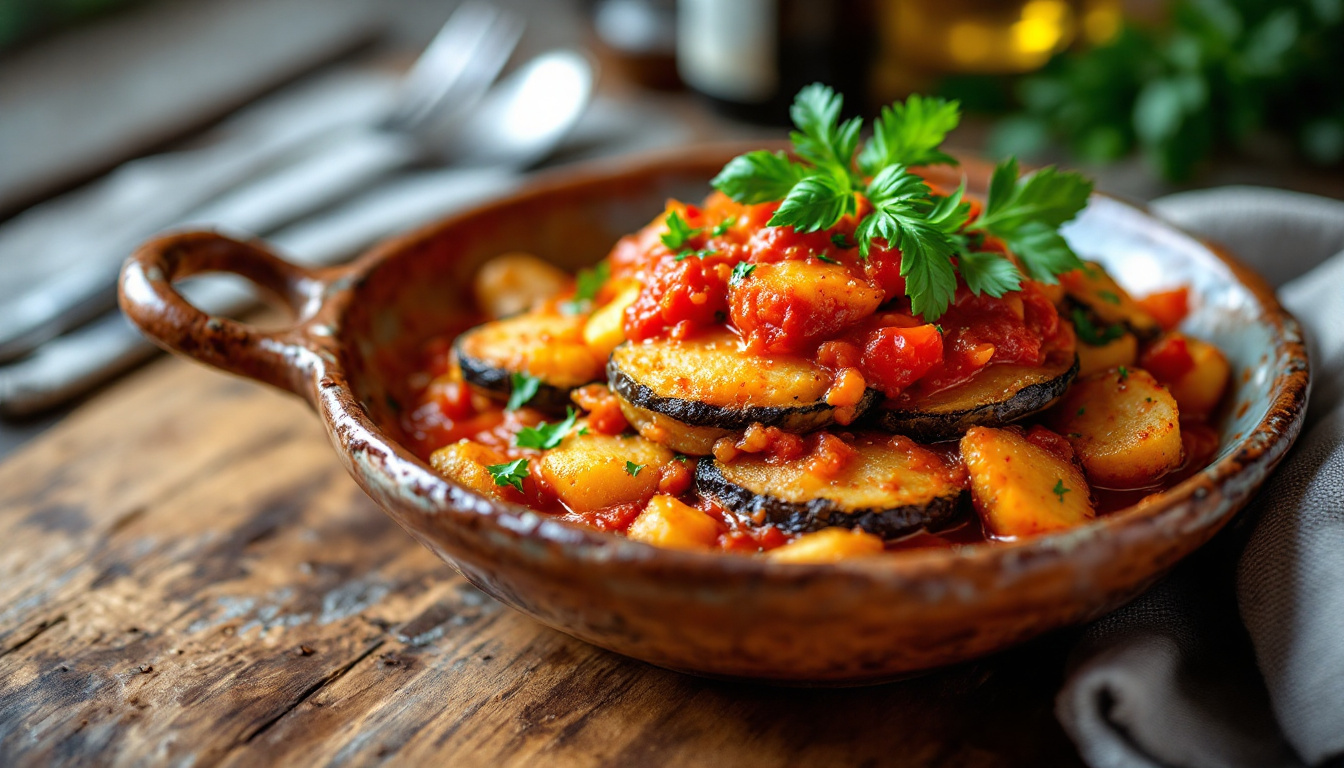
Catalan vegetable cooking at its best. Calcots are sweet spring onions char-grilled and dipped in romesco sauce, a messy seasonal feast. Escalivada is smoky roasted peppers, eggplant, and onion in olive oil. Both are highlights of our vegetarian and vegan guide.
Crema catalana
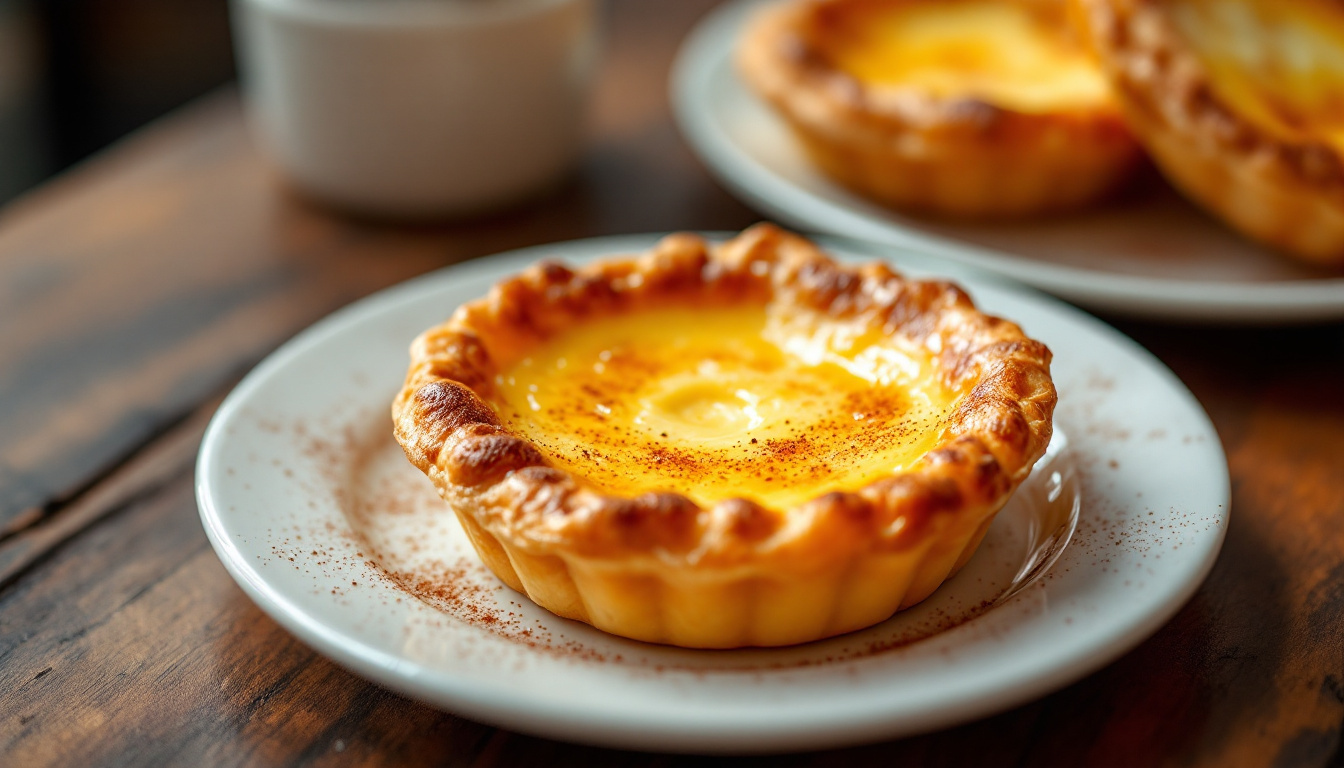
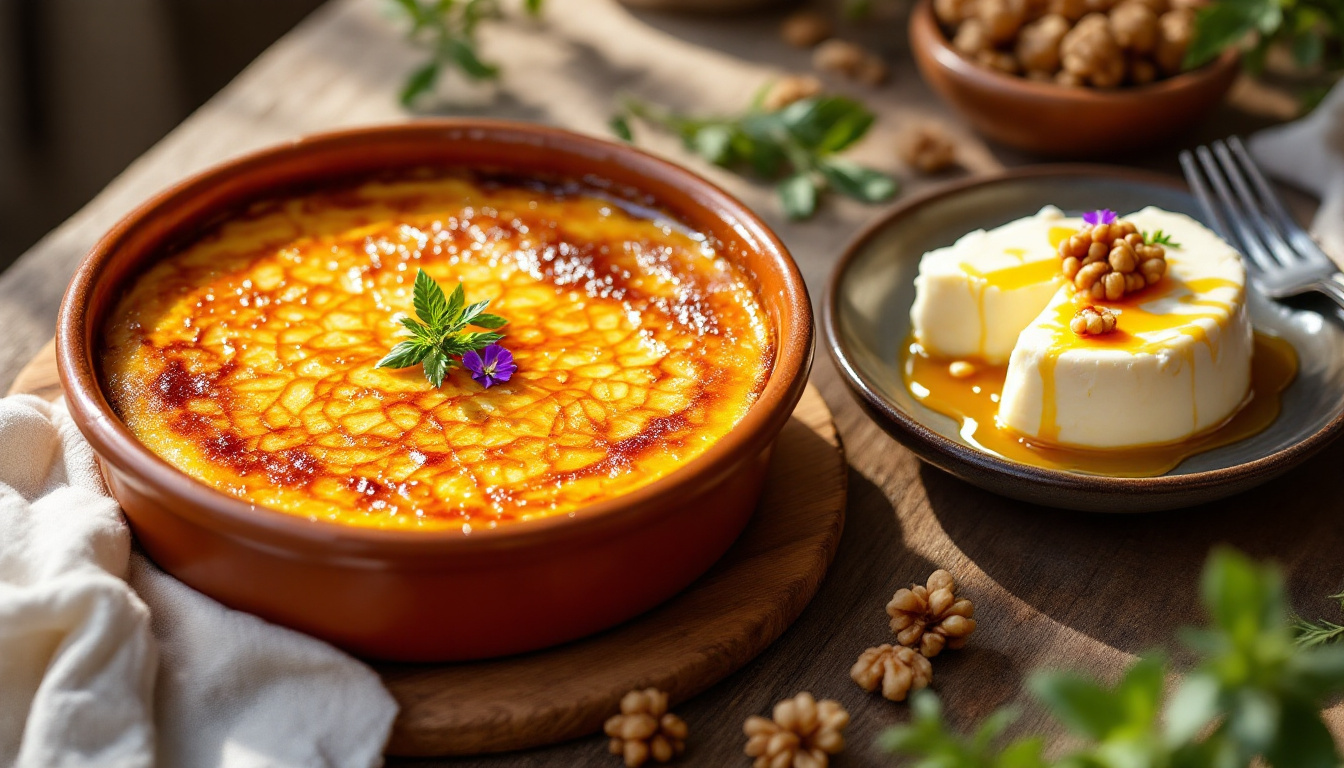
The Catalan answer to creme brulee: a citrus and cinnamon custard under a crackly burnt-sugar top. The classic way to end a meal, and a point of pride that it came first.
Mel i mato, churros and xocolata
Beyond the custard, two more sweet rituals. Mel i mato is the oldest Catalan dessert there is: fresh unsalted curd cheese drizzled with honey and sometimes walnuts, simple and ancient. And for a cold morning, do the granja tradition: thick, almost pudding-like hot xocolata with a plate of churros to dunk, best at the century-old milk bars on Carrer de Petritxol like Granja Viader or Dulcinea.
Vermut and cava
The vermut hour, late morning into lunch, is a Barcelona institution: a glass of house vermouth over ice with an olive and a few snacks. With meals, Catalonia’s own sparkling cava is the celebratory pour.
Best neighborhoods and markets
Where you eat in Barcelona matters as much as what. Each quarter and market has its own strengths.
El Born and the Gothic Quarter. Medieval streets packed with tapas bars, wine bars, and vermuterias. Touristy in parts, but full of genuinely good old bars if you step off the main drags, El Xampanyet, the tiled cava-and-anchovy institution near the Picasso Museum, is the one not to miss.
Poble Sec. Carrer Blai is a street of pintxos bars where bites cost a euro or two each, the best-value tapas crawl in the city. Round the corner, Quimet i Quimet is the legendary standing-room bar for montaditos and conservas.
Gracia. A village-like neighborhood of leafy squares, neighborhood bodegas, and modern Catalan cooking, away from the crowds.
Eixample. The grid is home to the city’s most famous all-rounder, Cerveceria Catalana, a no-reservations classic where the tapas counter is worth the queue.
Barceloneta. The old fishing quarter by the beach, home of bombas, seafood, and paella, plus old-school vermuterias. Can Sole has cooked rice dishes here since 1903.
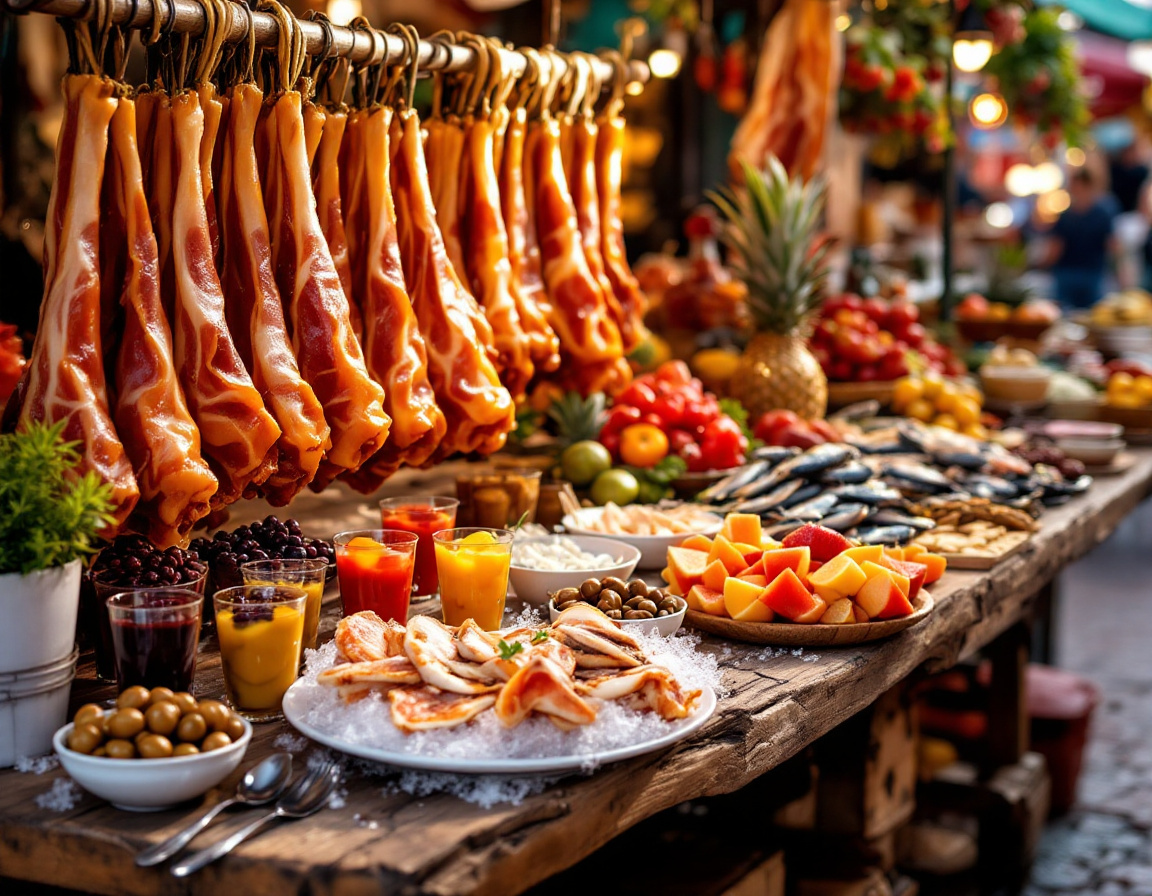
The markets. La Boqueria off La Rambla is the famous one, and the stand-up counters inside, Bar Pinotxo and El Quim, are a meal in themselves, but Santa Caterina and the Mercat de Sant Antoni are where locals shop and snack with fewer crowds. Eat breakfast at a market bar.
How much food costs in Barcelona
Barcelona spans cheap and splurge. A pintxos crawl or market lunch is great value, while seafood and sit-down dinners cost more. Rough 2026 prices below in euros; at roughly €1 to $1.10, a €15 set lunch is about $16.50.
| Item | Typical price | Where |
|---|---|---|
| Pintxo (per piece) | ~€1 to €2 | Pintxos bar |
| Glass of vermut | ~€2 to €3 | Vermuteria |
| Pa amb tomaquet | ~€2 to €3 | Tapas bar |
| Patatas bravas | ~€4 to €6 | Tapas bar |
| Menu del dia (set lunch) | ~€12 to €15 | Restaurant |
| Seafood paella (pp) | ~€18 to €25 | Seaside restaurant |
| Tapas dinner for two | ~€35 to €55 | Tapas bar |
The menu del dia, a fixed three-course lunch with a drink, is the smartest value in the city, often cheaper than a single dinner main. For more value tricks, see our cheapest cities for food guide.
Barcelona food tips that matter
A few habits separate a great Barcelona food trip from a frustrating one.
- Eat late. Lunch runs 2 to 4pm, dinner from 9pm. A restaurant open at 7 is usually aimed at tourists.
- Do the vermut hour. A glass of vermouth and a few snacks before Sunday lunch is the most local thing you can do.
- Crawl, do not settle. The best tapas nights move between bars, one or two plates at each. Do not try to do it all in one place.
- Take the menu del dia. The weekday set lunch is the best value in Spain, three courses and a drink for the price of a starter elsewhere.
- Skip the Rambla. Walk a few streets off the main tourist artery for better, cheaper food. Our food etiquette guide covers the table customs.
Frequently asked questions
What food is Barcelona famous for?
Barcelona is famous for tapas and pintxos, the Catalan staple pa amb tomaquet (bread with tomato), patatas bravas, jamon iberico, fresh seafood and fideua, the Barceloneta bomba, grilled calcots, and crema catalana, all washed down with vermut and cava.
What is the difference between Catalan and Spanish food in Barcelona?
You will find both. Spanish staples like tapas, jamon, and paella sit alongside distinctly Catalan dishes like pa amb tomaquet, escalivada, calcots with romesco, fideua, and crema catalana. Locals are proud of the Catalan tradition as its own cuisine.
Where is the best place to eat tapas in Barcelona?
Carrer Blai in Poble Sec for cheap pintxos by the piece, El Born and the Gothic Quarter for classic tapas bars, and Gracia for neighborhood bodegas. A tapas crawl across several bars beats settling in one place.
Is food expensive in Barcelona?
It ranges. Pintxos by the piece, the menu del dia set lunch, and market snacks are excellent value, often a few euros. Seafood, paella, and sit-down dinners cost more, and the tourist zones around La Rambla are the worst value.
When do people eat in Barcelona?
Late by northern European standards. Lunch is roughly 2 to 4pm and is the main meal, often a menu del dia. Dinner starts around 9pm. The vermut aperitif before Sunday lunch is a beloved local ritual.
What should I eat at La Boqueria market?
Fresh fruit cups, jamon and cheese, a plate at one of the market bars, and fried seafood. Go early before the crowds, and for a more local market with fewer tourists try Santa Caterina or Sant Antoni.
Is paella actually from Barcelona?
No. Paella is originally from Valencia, not Catalonia. You will find good seafood paella in Barcelona, but the truly local rice dishes are fideua (made with short noodles) and arros negre (rice in squid ink). If you want to eat like a local, order one of those, and treat paella as a lunch dish cooked to order, never from a tout on La Rambla.
Do I need a reservation for tapas bars in Barcelona?
For most classic tapas bars, no, they are walk-in and built for standing or grabbing a stool, and the famous ones like Cerveceria Catalana and El Xampanyet do not take reservations, so you queue or come off-peak. Book ahead only for sit-down restaurants, seaside paella spots at weekend lunch, and the high-end dining rooms.
More food guides waiting for you
Country and city deep dives across every continent we have eaten our way through.