Paisa platters in Medellín, ajiaco in Bogotá, fried snapper on the Caribbean coast, and the best coffee on Earth: a region-by-region guide to what to eat in Colombia, where to find it, and what it costs.
I did not expect to remember a breakfast for years, but a plate of calentado, leftover rice and beans fried up with a fried egg and an arepa, in a Medellín comedor wrecked me in the best way. The best food to eat in Colombia is the most underrated cooking in South America, and the country barely advertises it. There is no single Colombian dish because there is no single Colombia: the cold Andes around Bogotá eat soups and potatoes, the Paisa heartland piles plates high with pork and beans, and the Caribbean coast fries fish and cooks rice in coconut milk. Tie it together with arepas, world-class coffee, and a fruit basket most travelers cannot name, and you have a food country that deserves far more attention than it gets.
Why Colombian food is South America’s most underrated
Colombian food is the most underrated cuisine in South America because it is regional, generous, and almost never marketed abroad. The country has two national dishes, not one: bandeja paisa from the mountains around Medellín and ajiaco from Bogotá, and they have almost nothing in common. That split runs through everything. Colombia is indigenous, Spanish, and African in its roots, and each region leans on a different part of that inheritance.
The Andean interior cooks soups, potatoes (Colombia grows dozens of native varieties), and corn. The Paisa region piles plates with pork, beans, and plantain. The Caribbean coast fries fish and cooks rice in coconut, with clear African influence. The Pacific coast does some of the most distinctive seafood on the continent. And running through all of it is the arepa, the corn cake that changes shape and filling in every region.
Two things surprise first-timers. Colombian food is not spicy: chili comes on the side as a sauce called ají, and you add it yourself. And the coffee is genuinely world-class, though Colombians traditionally drink the small, simple black cup called a tinto. This guide runs through the dishes that define Colombia, then breaks the country into its food regions. It sits alongside our wider guide to the best food in the Americas.
The best food to eat in Colombia, dish by dish
These are the 13 dishes I point every first-timer toward, with a rough 2026 price and the region each belongs to. Prices are in Colombian pesos (COP), with the dollar figure at roughly COP 4,100 to USD 1.
Bandeja paisa
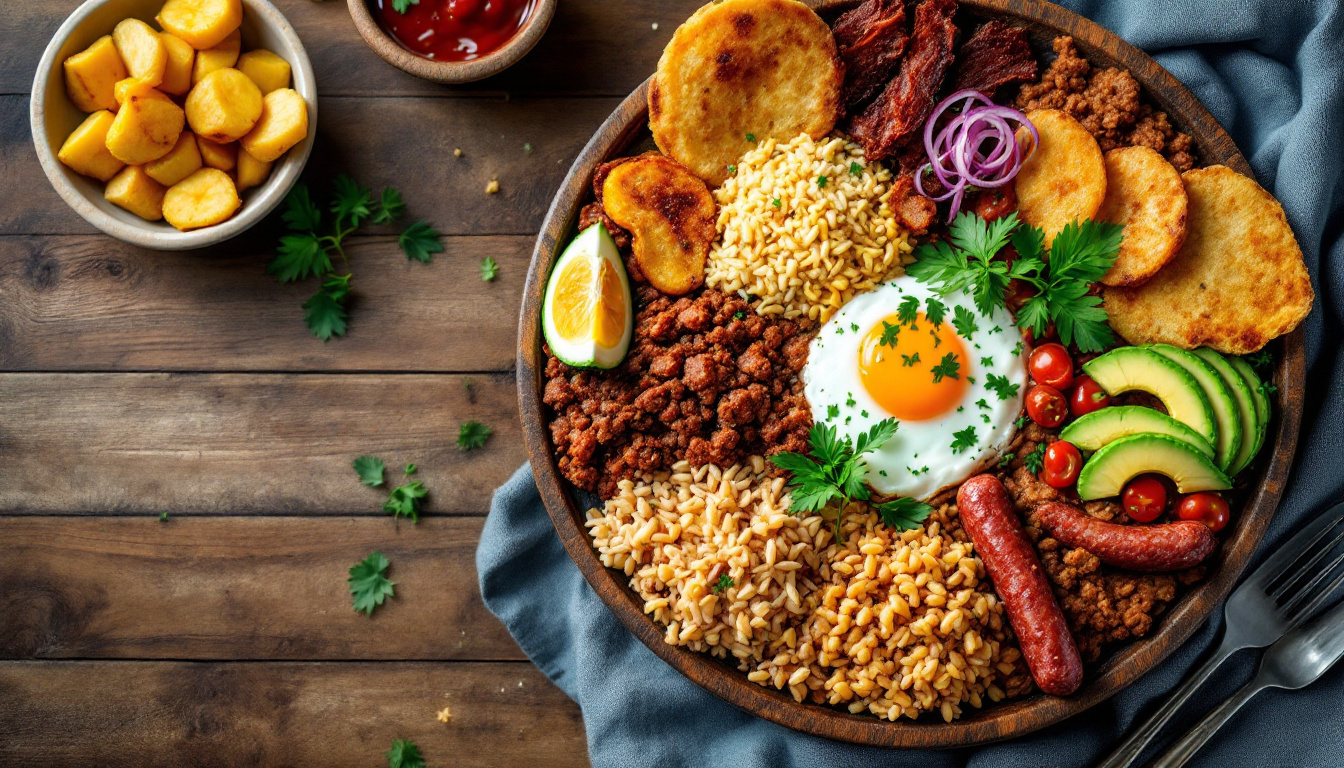
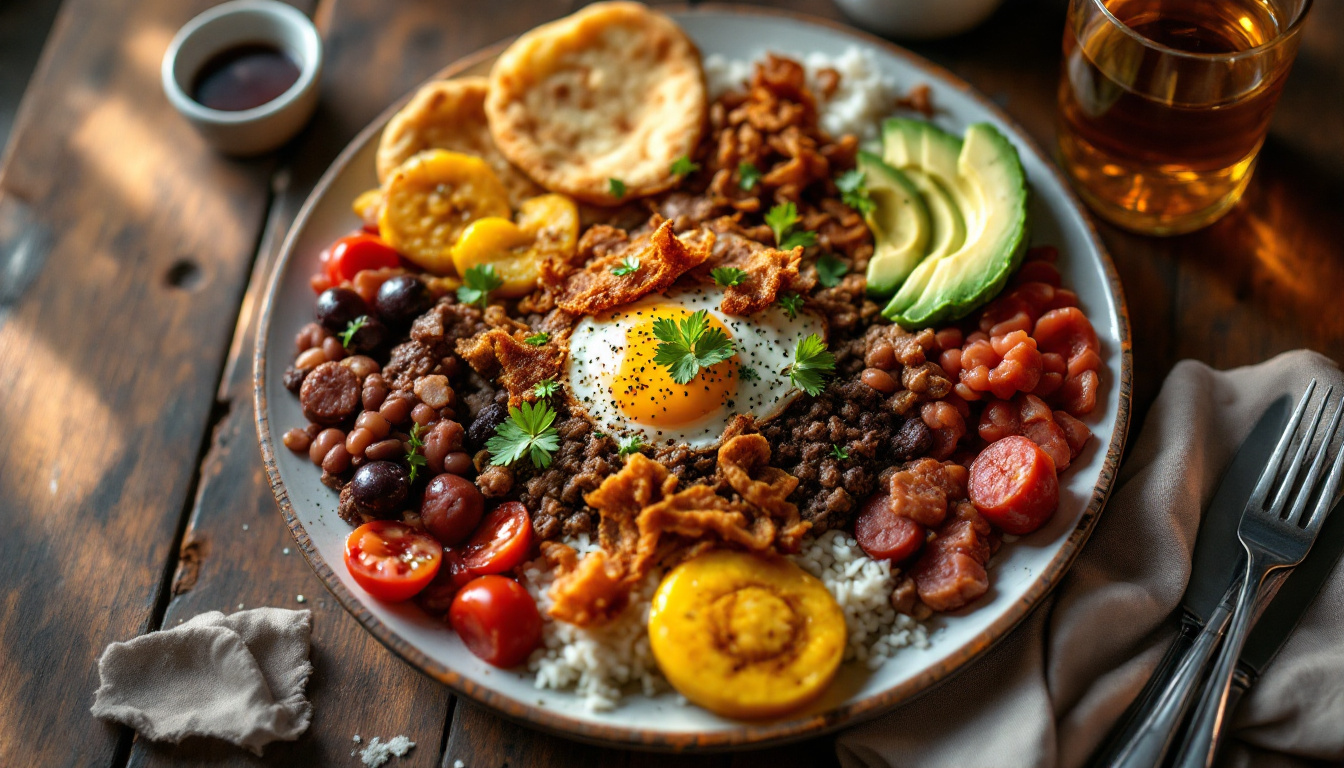
Bandeja paisa is a platter, not a plate, and it is the signature dish of the Paisa region around Medellín. The standard build is red beans, white rice, ground beef, chicharrón, a fried egg, chorizo, a slice of arepa, sweet plantain, avocado, and a wedge of black pudding, all on one tray. It was farmer’s food, designed to fuel a day of hard labor, and it still defeats most people. Come hungry, share if you must, and do not plan anything ambitious afterward.
Ajiaco ajiaco santafereño
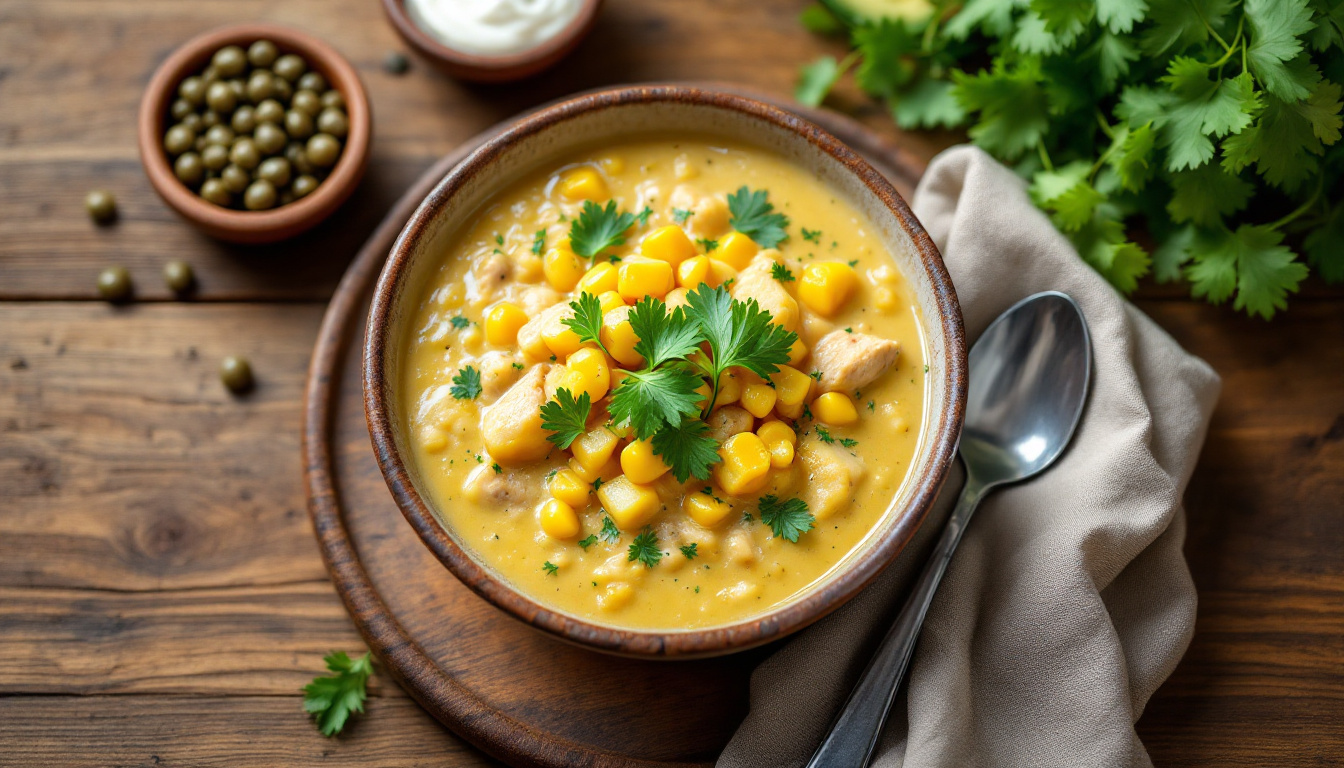
Ajiaco is Bogotá’s creamy chicken-and-potato soup, and it is the perfect antidote to the cold, high-altitude capital. Three kinds of potato are used, one of which dissolves to thicken the broth, along with chicken, corn on the cob, and a local herb called guascas that gives it its distinctive taste. It comes with capers, cream, and avocado stirred in at the table. La Puerta Falsa, a tiny spot near Bogotá’s main square, has served a famous version for over two centuries.
Arepas
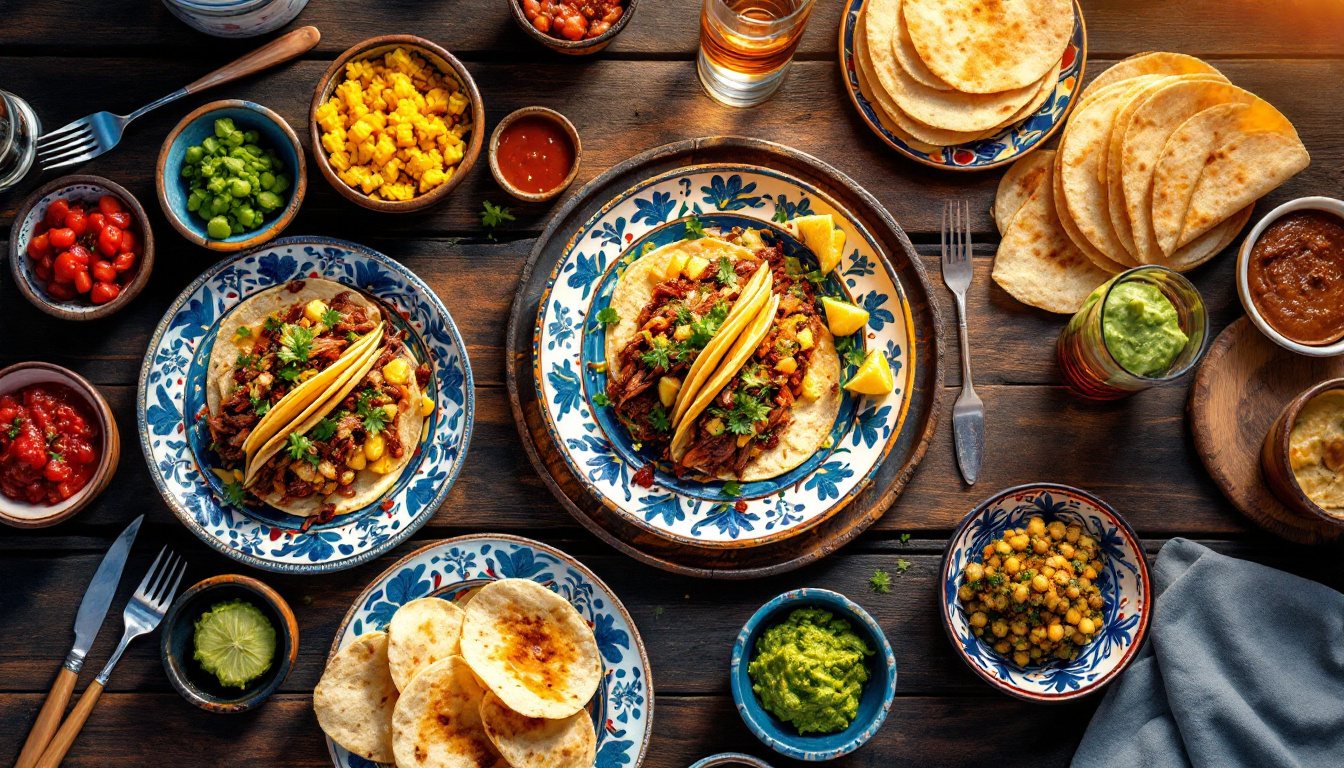
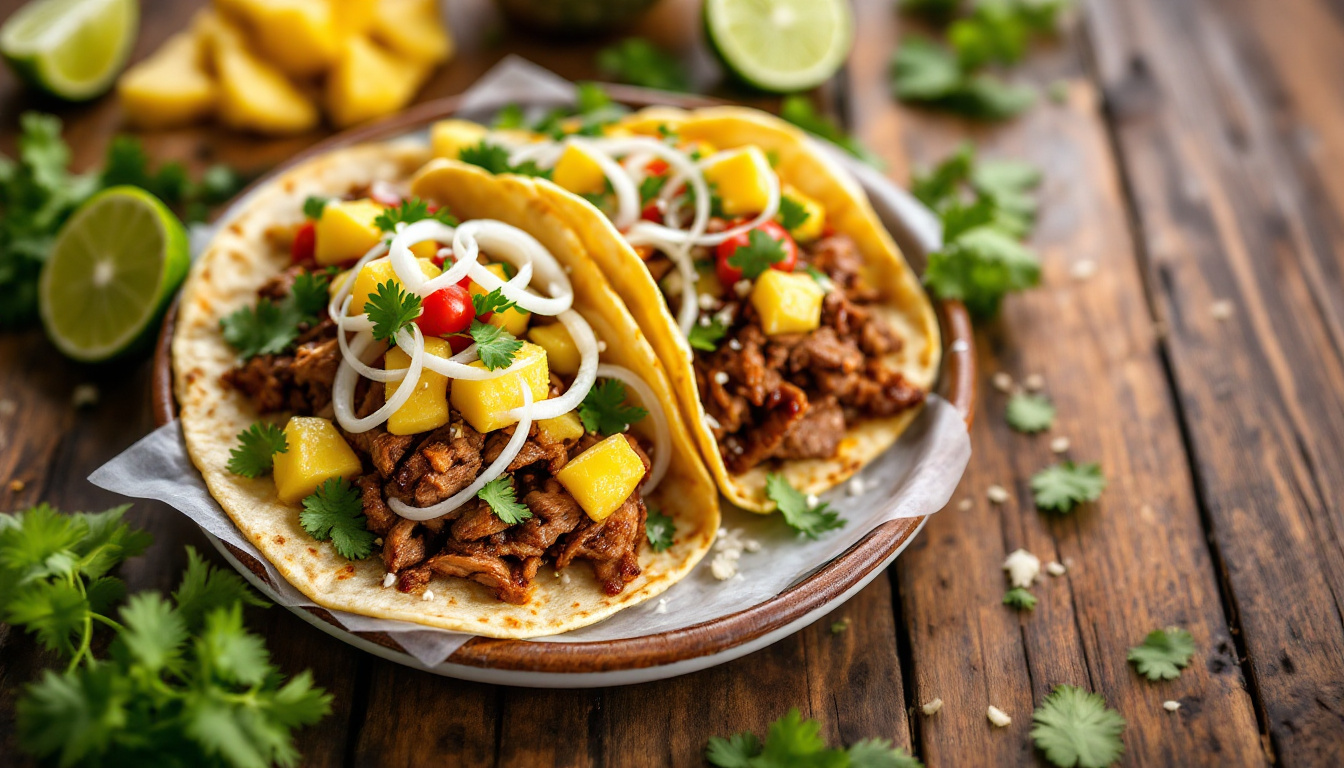
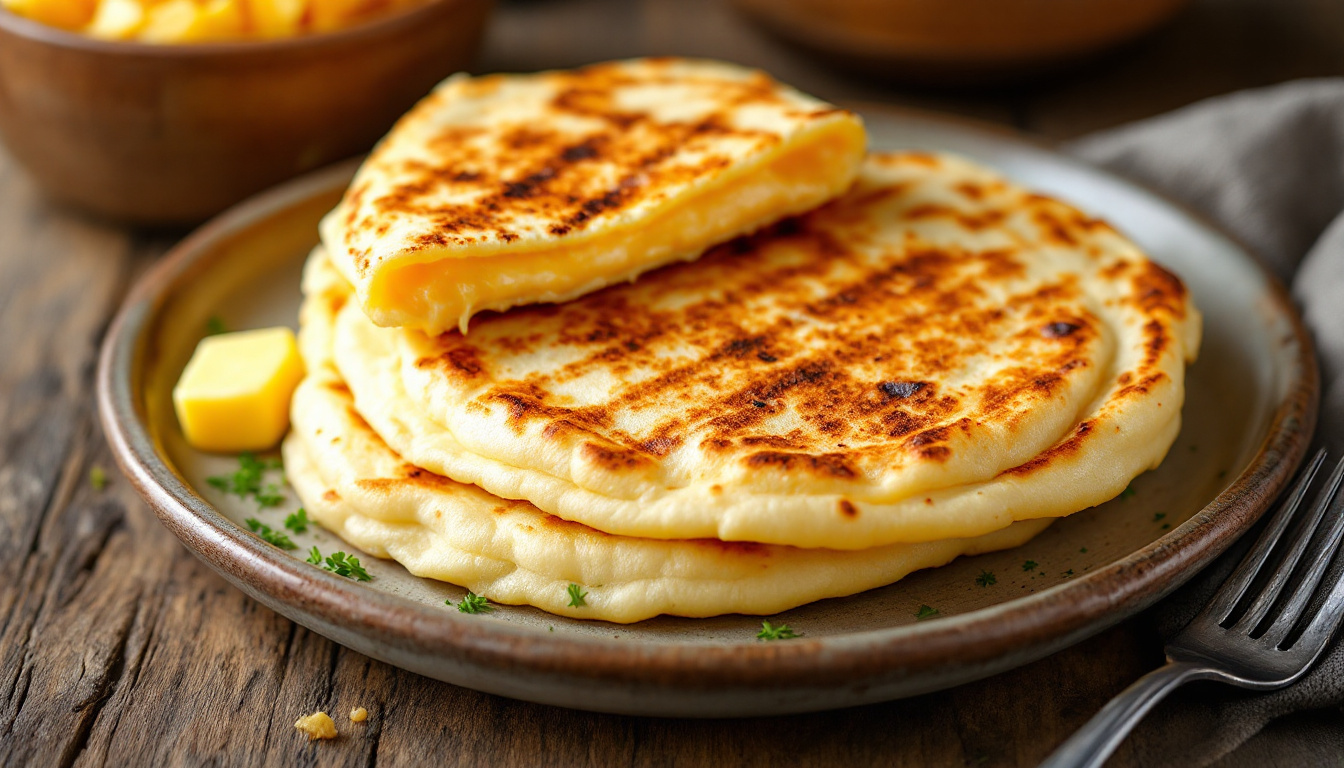
Arepas are flat corn cakes eaten across Colombia at every meal, and they change completely from region to region. The plain, thick arepa paisa of Antioquia is a side for everything; the arepa de chócolo is sweet and made from young corn; the arepa boyacense is mixed with cheese. They are griddled, grilled, or fried, split and filled, or eaten plain with butter and salt. Cheap, ancient, and everywhere, the arepa is the true backbone of Colombian eating.
Sancocho
Sancocho is a hearty soup of meat, yuca, plantain, and corn, and every region makes its own version. The Valle del Cauca around Cali does sancocho de gallina with hen, the coast uses fish, and the interior uses beef or a mix. It is Sunday and celebration food, often cooked in a big pot over a fire at a family gathering, and served with rice, avocado, and ají on the side. A good sancocho is the taste of a Colombian weekend.
Lechona lechona tolimense
Lechona is a whole pig slow-roasted for hours and stuffed with rice, yellow peas, and its own seasoned pork, served in chunks with crackling skin. It comes from the Tolima region and is celebration food, sold by weight from huge roasted pigs displayed in shop windows. A portion gets you tender stuffing and a piece of the prized crisp skin, usually with a small arepa on the side. It is one of the great pork dishes of the Americas.
Empanadas
Colombian empanadas are deep-fried corn pastries with a crisp golden shell, usually filled with seasoned beef or pork and potato, and they are the country’s default street snack. Unlike the baked wheat empanadas elsewhere in Latin America, these use a corn-flour dough that fries up shatteringly crisp. Eat them hot from the fryer with a squeeze of ají, the spicy-tangy table sauce. At a couple of thousand pesos each, they are the cheapest good bite in Colombia.
Patacones
Patacones are slices of green plantain fried, smashed flat, and fried again until crisp, and they are the side dish that turns up next to half the meals in Colombia. Savory rather than sweet, they work as a chip, a base for toppings, or a scoop for guacamole and ají. On the coast they come piled with shrimp or shredded beef as a meal in themselves. Salty, crunchy, and addictive, they are the plantain at its best. They’re almost always served with hogao, the Colombian creole sauce of slow-cooked tomato, onion and scallion that doubles as a topping, dip and cooking base across the whole cuisine, the quiet backbone of Colombian flavour.
Calentado desayuno calentado
The classic Colombian breakfast and a small lesson in thrift: yesterday’s rice and beans fried back together (calentado means “heated up”) and served with a fried egg, an arepa, maybe chorizo or carne, and a tinto (small black coffee). In the Paisa region it’s hearty enough to power a morning of work, and it is the single most everyday plate in the country, the one Colombians actually eat at home most mornings.
Pargo frito and arroz con coco
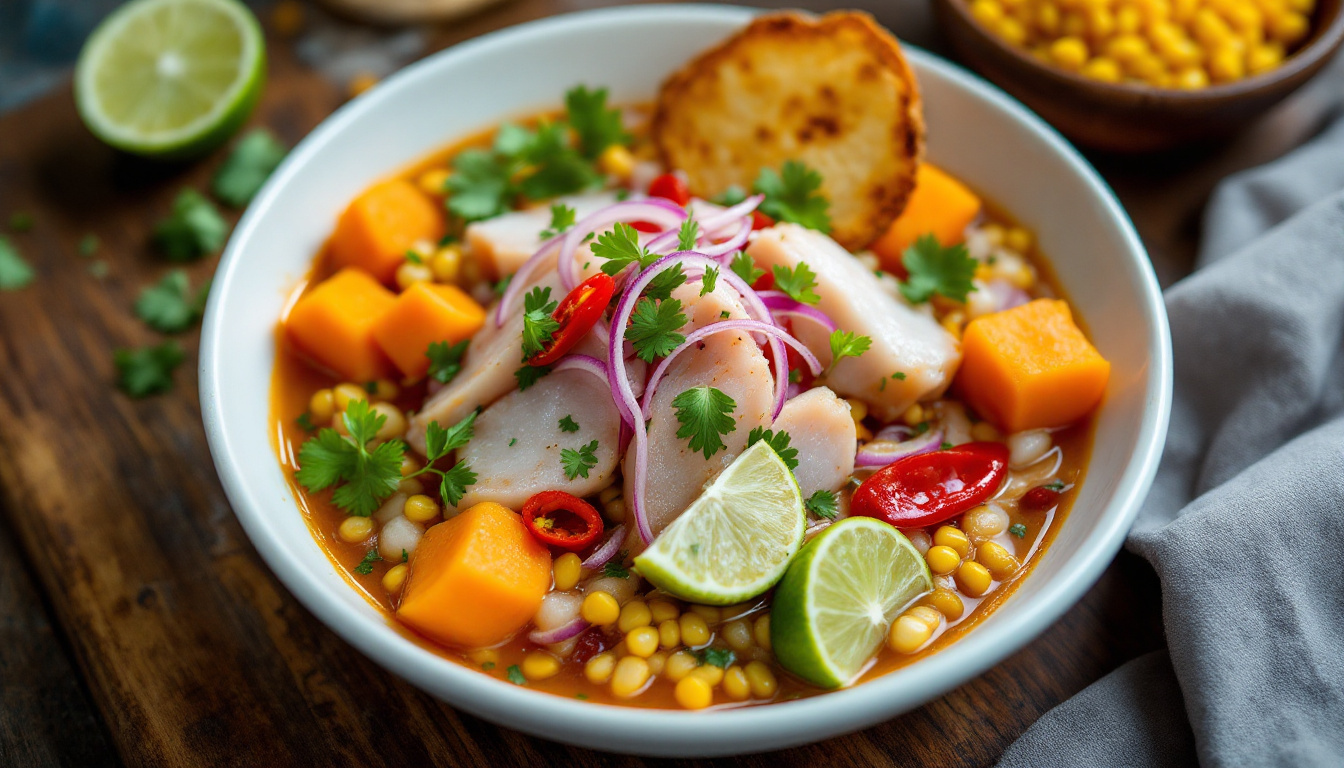
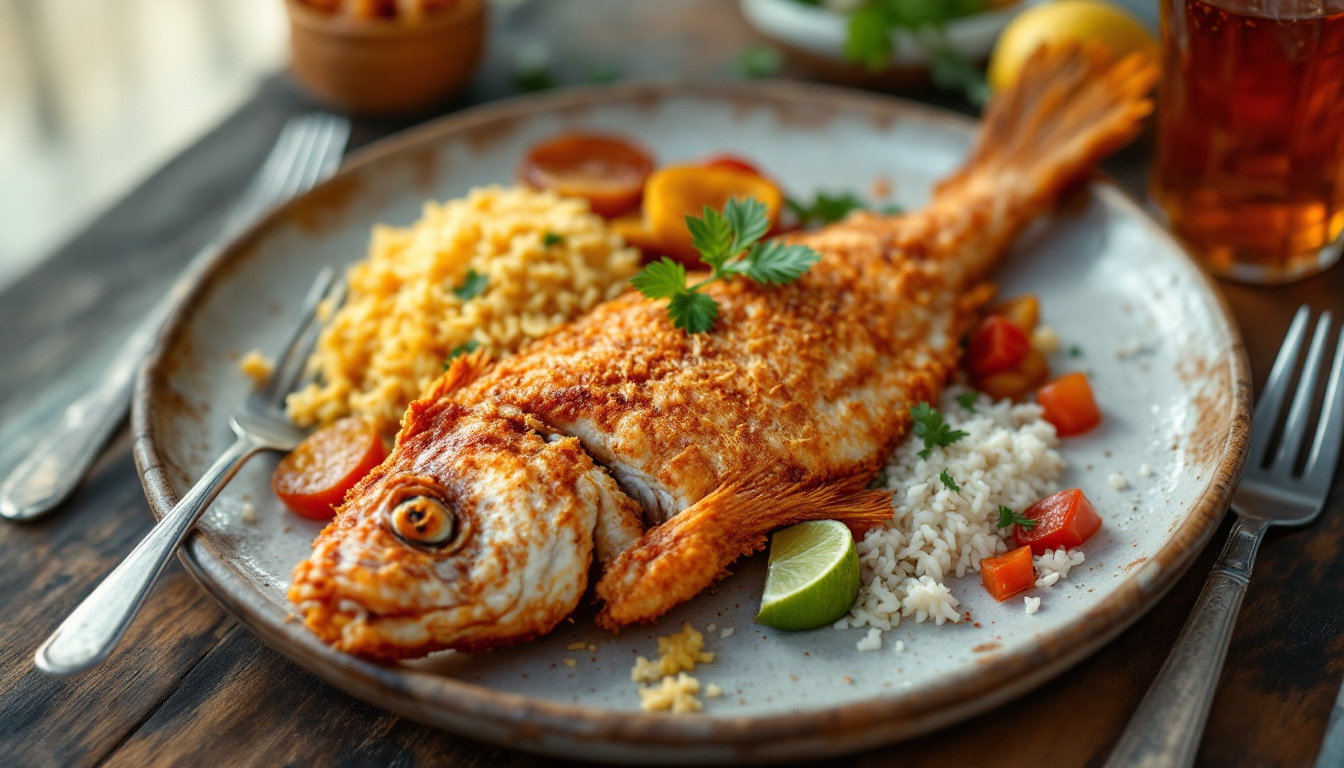
Pargo frito is a whole red snapper fried crisp and served with coconut rice and patacones, and it is the definitive meal of Colombia’s Caribbean coast. The arroz con coco, rice cooked in coconut milk until faintly sweet and studded with caramelized bits, is the African-rooted side that makes it. Eat it at a beach shack near Cartagena or on the islands, with the fish landed that morning and a coconut limeade in hand. This is coastal Colombia at its best.
Arepa de huevo
An arepa de huevo is a corn arepa fried, split, filled with a raw egg, and fried again so the egg cooks inside the puffed shell, and it is the breakfast of the Caribbean coast. Invented in the town of Luruaco, it is sold from roadside stalls and bus stops across the region. The trick is eating it hot, when the shell is crisp and the egg still soft. It is the coast’s answer to a breakfast sandwich, and far better than that sounds.
Posta negra cartagenera
Posta negra is Cartagena’s slow-braised beef in a dark, sweet-savory sauce of panela, tomato, and spices, and it is the city’s signature plate. The meat cooks down until it is dark, glossy, and tender enough to cut with a fork, balancing the sweetness of the cane sugar against garlic and cumin. It comes with coconut rice and patacones, the classic Caribbean trio. Order it at a traditional restaurant in Cartagena’s old town for the full version.
Tamales
Colombian tamales are a corn-dough parcel filled with pork, chicken, vegetables, and egg, wrapped in banana leaves and steamed, and they are a classic weekend breakfast. The tamal tolimense is the most famous, but every region has its own. Unwrapping the warm leaf at the table releases a burst of steam and aroma, and the dough inside is soft and savory. Eaten with hot chocolate or a tinto, it is a slow Sunday morning on a plate.
Buñuelos and pandebono
Buñuelos and pandebono are Colombia’s beloved cheese breads, and they turn up at breakfast and with afternoon coffee everywhere. A buñuelo is a deep-fried ball of cheese dough, crisp outside and soft within; pandebono is a baked cheese-and-cassava roll, chewy and savory. Almojábana is a third cousin, softer and lighter. None are sweet despite looking like doughnuts, and all are best warm, ideally dunked in hot chocolate or a tinto.
Obleas, arequipe and Colombian sweets
Obleas are two large thin wafers sandwiched with arequipe, the Colombian dulce de leche, and they are the country’s favorite street sweet. Vendors load them with cheese, jam, coconut, or condensed milk to order. Arequipe itself shows up everywhere, and the wider dessert tradition runs to postre de natas, brevas con arequipe (figs with caramel), and the cane-sugar treats sold at roadside stalls. Cheap, sweet, and everywhere, obleas are the easy way to finish. Two more sweets to seek out: natilla, a firm, cinnamon-scented custard set with cornstarch and panela that every family makes at Christmas (eaten with buñuelos), and bocadillo, a dense block of guava paste, best eaten con queso (with a slab of fresh white cheese) , the Colombian sweet-and-salty combo locals are devoted to.
How food changes across Colombia, region by region
Colombian food splits clearly into four regions, and knowing where you are tells you what to order. The Andes cook soups and potatoes, the Paisa region piles on pork and beans, the Caribbean coast fries fish and uses coconut, and the Pacific south does distinctive seafood. Here is the map.
Bogotá and the high Andes eat warming, starchy food built for the cold: ajiaco, the three-potato chicken soup, plus tamales, changua (a milk-and-egg breakfast soup), and cheese breads like almojábana. The capital sits at 2,600 meters, so the cooking leans on potatoes, corn, and hot soups rather than coast-style seafood. Bogotá’s markets and old-town diners are the place to eat it.
Antioquia, around Medellín, and the neighboring Coffee Region are the Paisa heartland, home of bandeja paisa, the thick arepa paisa, beans, and chicharrón. This is hearty mountain-farmer food built on pork and plantain. It is also the source of Colombia’s world-famous coffee, grown across the green hills of the Eje Cafetero and traditionally drunk as a tinto or a tinto campesino sweetened with panela.
The Caribbean coast around Cartagena, Barranquilla, and Santa Marta is Colombia’s most distinctive food region, with clear African roots. Fried fish, coconut rice, arepa de huevo, posta negra, and an endless parade of fried snacks define it, washed down with coconut limeade. The cooking is sweeter, more tropical, and more seafood-driven than the interior, and Cartagena is the place to eat it well.
Cali, the Valle del Cauca, and the Pacific coast do some of Colombia’s most underrated cooking. Cali is sancocho de gallina and lulada, a refreshing drink of crushed lulo fruit. The Pacific coast around Buenaventura cooks seafood with coconut, herbs, and smoked techniques found nowhere else in the country, drawing on a strong Afro-Colombian tradition. It is the region most travelers miss.
Where to eat: corrientazo spots, markets and the coast
The best food in Colombia is found at corrientazo lunch spots, market food halls, and coastal fish shacks, not in upscale restaurants. Each setting has its specialty, and eating like a local means matching the dish to the place. Here is where to go.
- Corrientazo spots, the everyday lunch restaurants serving a set menu (soup, a main with rice and protein, juice) for COP 12,000-18,000. The best-value meal in the country.
- Plazas de mercado, the market food halls like Bogotá’s Paloquemao, where stalls serve fresh juices, soups, and regional plates cheaply.
- Fritanga and asaderos, for grilled and fried meats, chorizo, morcilla, and chicharrón piled on a board to share.
- Coastal fish shacks, near Cartagena and on the islands, for whole fried snapper, coconut rice, and patacones with your feet in the sand.
- Panaderías, the bakeries on every corner, for buñuelos, pandebono, and a tinto at any hour.
What to drink in Colombia
Colombia’s signature drink is coffee, but locals drink it as a small black tinto rather than a fancy brew. The country also has a remarkable range of fresh fruit juices and a few distinctive local drinks worth trying.
- Tinto and Colombian coffee, the small black cup drunk all day; for the good stuff, seek out a specialty café in the coffee region or Bogotá.
- Fresh fruit juices, made from fruits you may never have seen: lulo, guanábana (soursop), maracuyá (passion fruit), curuba, and corozo. Order them en agua (with water) or en leche (with milk).
- Agua de panela, hot or cold unrefined cane-sugar water, often with lime or cheese, an everyday staple.
- Aguardiente, the anise-flavored sugarcane spirit that fuels Colombian parties, drunk in small shots.
- Refajo, an easy mix of light beer and the red cream soda Colombiana, the standard party drink.
- Lunch (almuerzo) is the main meal, eaten in the early afternoon; the corrientazo set menu is the local default.
- A tip (propina) of around 10 percent is often added to the bill; staff will usually ask if you want to include it.
- Arepas, empanadas, and patacones are hand food; no cutlery needed.
- Vegetarians can eat arepas, patacones, cheese breads, vegetable sancocho, beans, and avocado, though set menus are meat-heavy by default.
- Ají is a condiment you add yourself; the dish itself will almost never be hot.
Frequently asked questions
What is the most popular and famous Colombian food?
The most famous and most popular Colombian foods are bandeja paisa, arepas, ajiaco and sancocho, with empanadas, patacones and the everyday calentado breakfast eaten across the country. On the sweet side, obleas, natilla and bocadillo con queso are the favourites. Colombian food blends indigenous, Spanish and African traditions and is hearty rather than spicy.
What is Colombia’s national dish?
Colombia has two dishes widely regarded as national: bandeja paisa, the enormous platter of beans, pork, egg, and arepa from the Antioquia region around Medellín, and ajiaco, the chicken-and-potato soup from Bogotá. Which one is “the” national dish depends on who you ask, and the answer usually tracks where they are from.
Is Colombian food spicy?
No, Colombian food is generally not spicy. Dishes are seasoned with garlic, cumin, onion, and herbs rather than chili, and the heat is served separately as a sauce called ají that you add to taste. This surprises many visitors. If you want spice, ask for ají; it is on the table at most traditional restaurants and street stalls.
Which city has the best food in Colombia?
Bogotá, Medellín, and Cartagena are the three best food cities in Colombia. Bogotá offers ajiaco, market halls, and the widest restaurant range; Medellín is the home of bandeja paisa and Paisa cooking; and Cartagena leads for Caribbean seafood, coconut rice, and posta negra. Cali adds the Pacific and southern traditions.
Is Colombian coffee worth seeking out?
Yes, Colombia produces some of the world’s best coffee, though locals traditionally drink it as a small, simple black cup called a tinto. To taste the high-quality beans the country exports, visit a specialty café in Bogotá, Medellín, or the Coffee Region (Eje Cafetero), where you can tour farms and drink single-origin brews at the source.
Where can vegetarians eat in Colombia?
Vegetarians can eat arepas, patacones, cheese breads (buñuelos, pandebono, almojábana), avocado, beans, and vegetable versions of sancocho, plus the country’s huge range of fresh fruit and juices. Traditional set menus lean heavily on meat, so larger cities like Bogotá and Medellín, with dedicated vegetarian restaurants, are easiest for plant-based travelers.
How much does food cost in Colombia?
Colombia is very affordable to eat in. A corrientazo set lunch runs COP 12,000-18,000 (around $3-4.50), street empanadas and arepas cost COP 2,000-4,000 each, and a whole fried fish with sides on the coast is COP 35,000-60,000. A mid-range dinner with drinks lands around COP 50,000-90,000 per person. As of 2026, a dollar buys roughly 4,100 pesos.
Is street food safe to eat in Colombia?
Street food in Colombia is safe when you choose busy stalls with high turnover and food cooked to order, such as empanadas and arepas straight from the fryer or griddle. Drink bottled or filtered water outside the major cities, and on the coast make sure fried fish is fresh and served hot. The market food halls are a reliable and cheap place to eat well.
More food guides waiting for you
Browse our complete collection of food guides across the Americas.