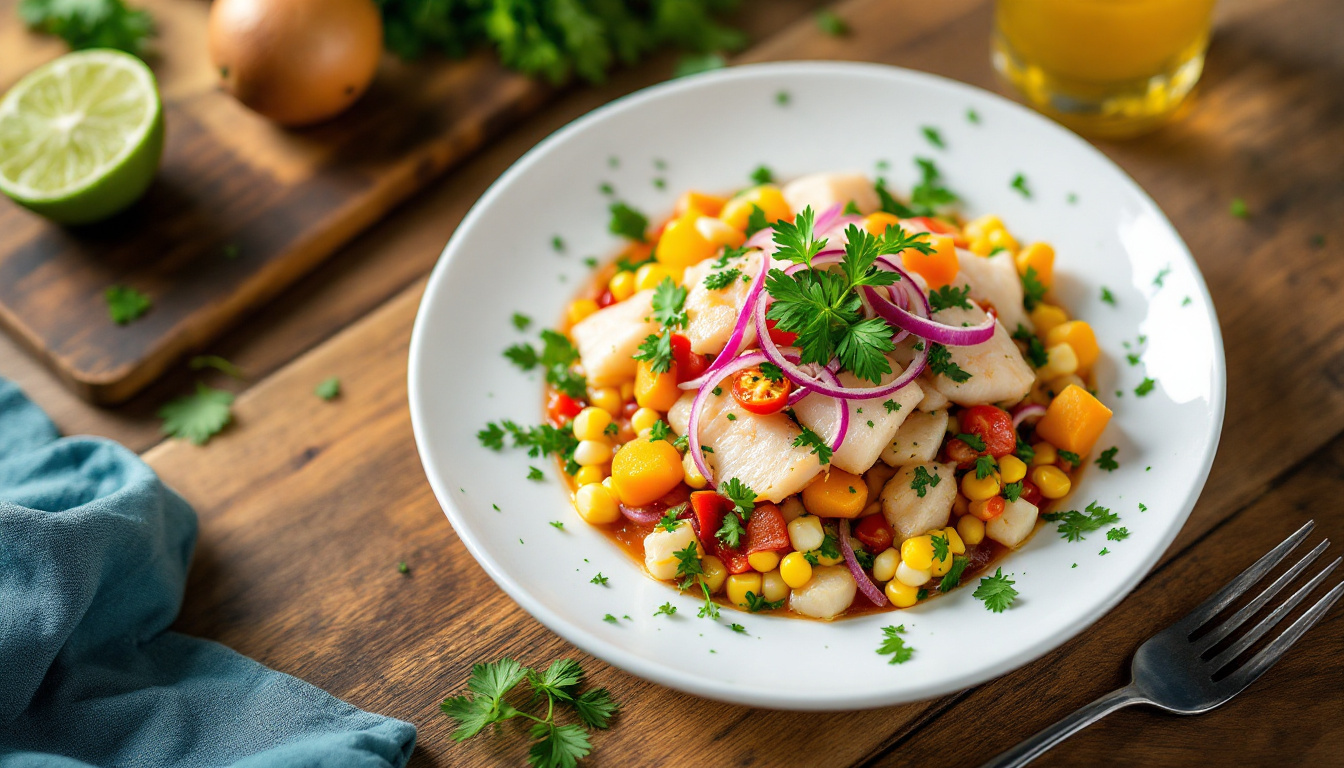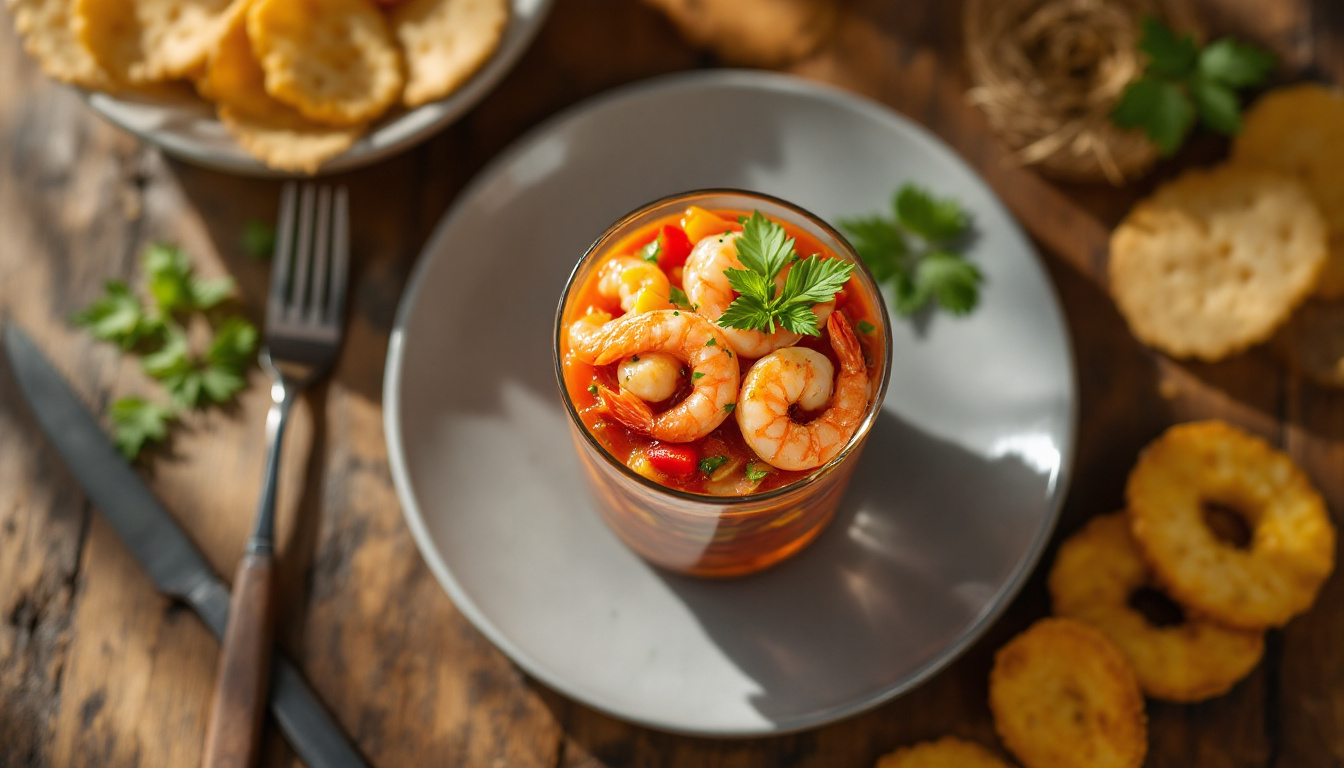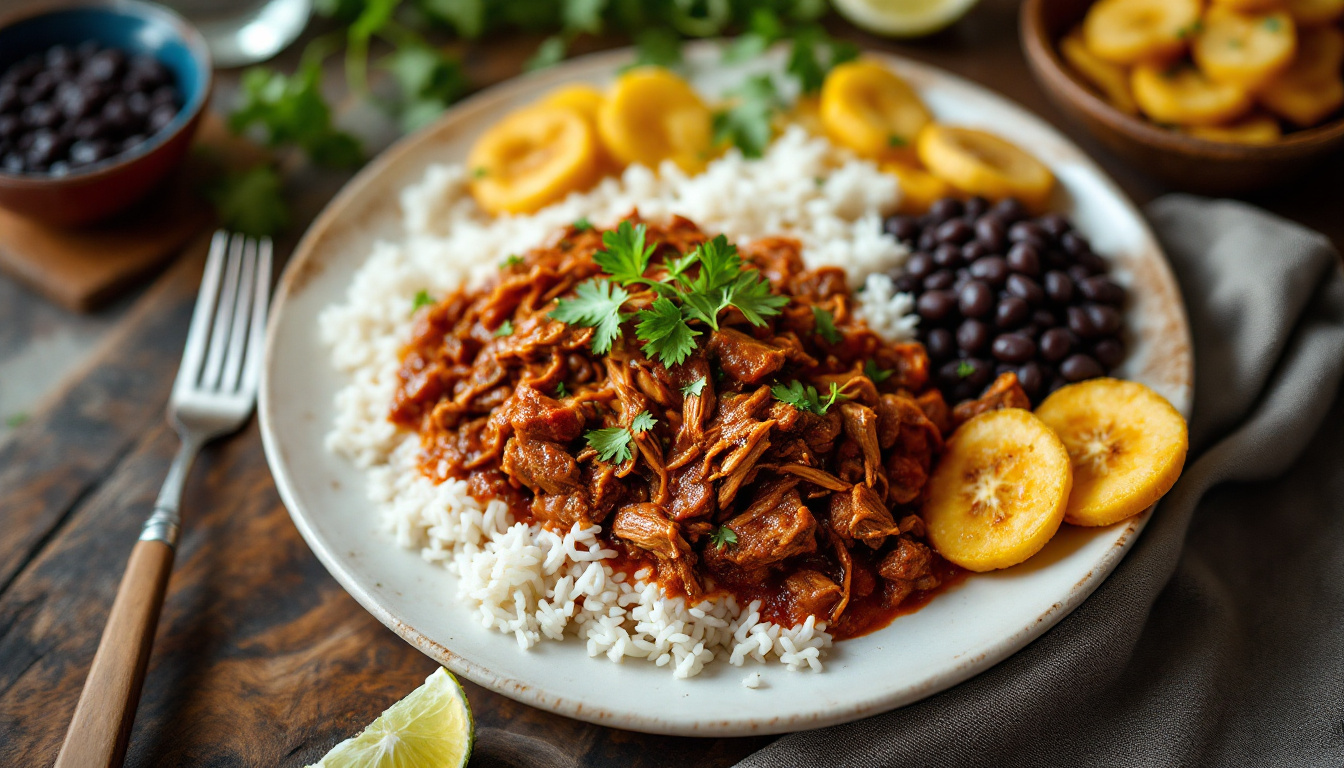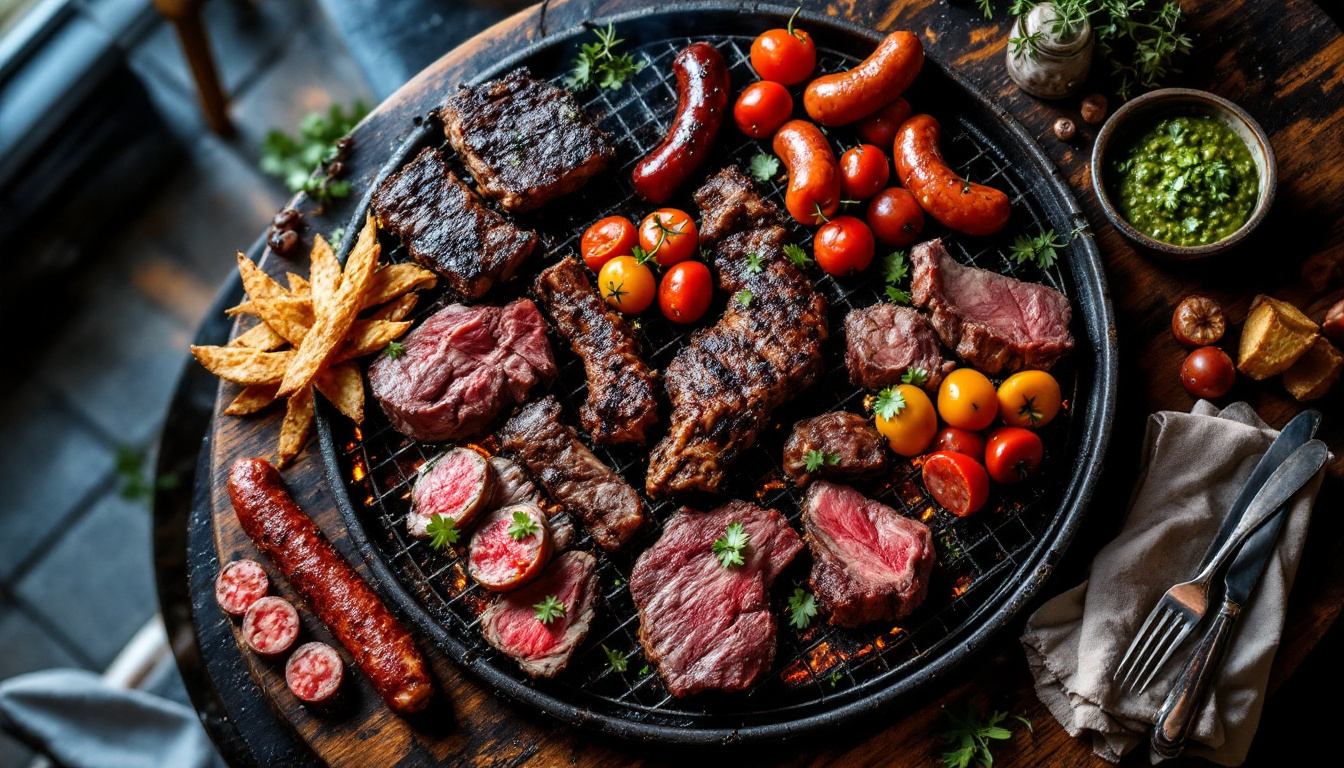
Beef grilled low over wood at the parrilla, a choripan from a riverside stand, stuffed cheese pizza on Corrientes, and a cortado with three medialunas: a neighborhood guide to eating in Buenos Aires, the most Italian-Argentine city on earth.
The best food in Buenos Aires is a love affair with two things above all: beef and Italy. This is a city where the asado is a weekly ritual and a parrilla like Don Julio ranks among the world’s best, but also where waves of Italian immigrants left the porteños eating more pizza, pasta, and gelato than almost anyone. Add the fernet-and-coke that fuels every night out, the dulce de leche in everything sweet, and a café culture built on the cortado and the medialuna, and you have one of the great, and most underrated, eating cities of the Americas.
Why Buenos Aires is a beef-and-Italian food capital
Buenos Aires is a beef-and-Italian food capital because two forces shaped its table: the cattle culture of the pampas and the millions of Italian immigrants who poured into the city around 1900. The result is a place that grills beef with religious devotion and also eats pizza, pasta, and gelato like a southern Italian city. The wider story is in our complete Argentina food guide, but Buenos Aires concentrates it, and it is one of the great cities of our guide to the best food in the Americas.
The constants are the parrilla (grill), the cafe, and a sweet tooth built on dulce de leche. Porteno eating runs late and social: a 1 PM lunch, the merienda (coffee and pastries) at 5, and dinner that does not start until 9 PM or later. It is also where the Italian inheritance shows most, in the milanesa, the pizza, the pasta, and the gelato. This guide runs through the dishes that define the city, then where to eat them.
The best food in Buenos Aires, dish by dish
These are the 14 things I tell every visitor to eat, with what makes each matter. Argentina’s peso is highly volatile, so prices are given in US dollars as a rough 2026 guide.
Asado and the parrilla
Asado is the heart of Buenos Aires eating, beef and more cooked slowly over wood and charcoal at a parrilla (grill). A proper asado is a parade: chorizo and morcilla (blood sausage) first, then the achuras (offal), then the great cuts of grass-fed beef, each grilled over embers and served with chimichurri and a malbec. It is both a restaurant experience and the weekend family ritual. Don Julio in Palermo is the world-famous temple, but every neighborhood has its parrilla. This is the meal Buenos Aires is built around.
Choripan
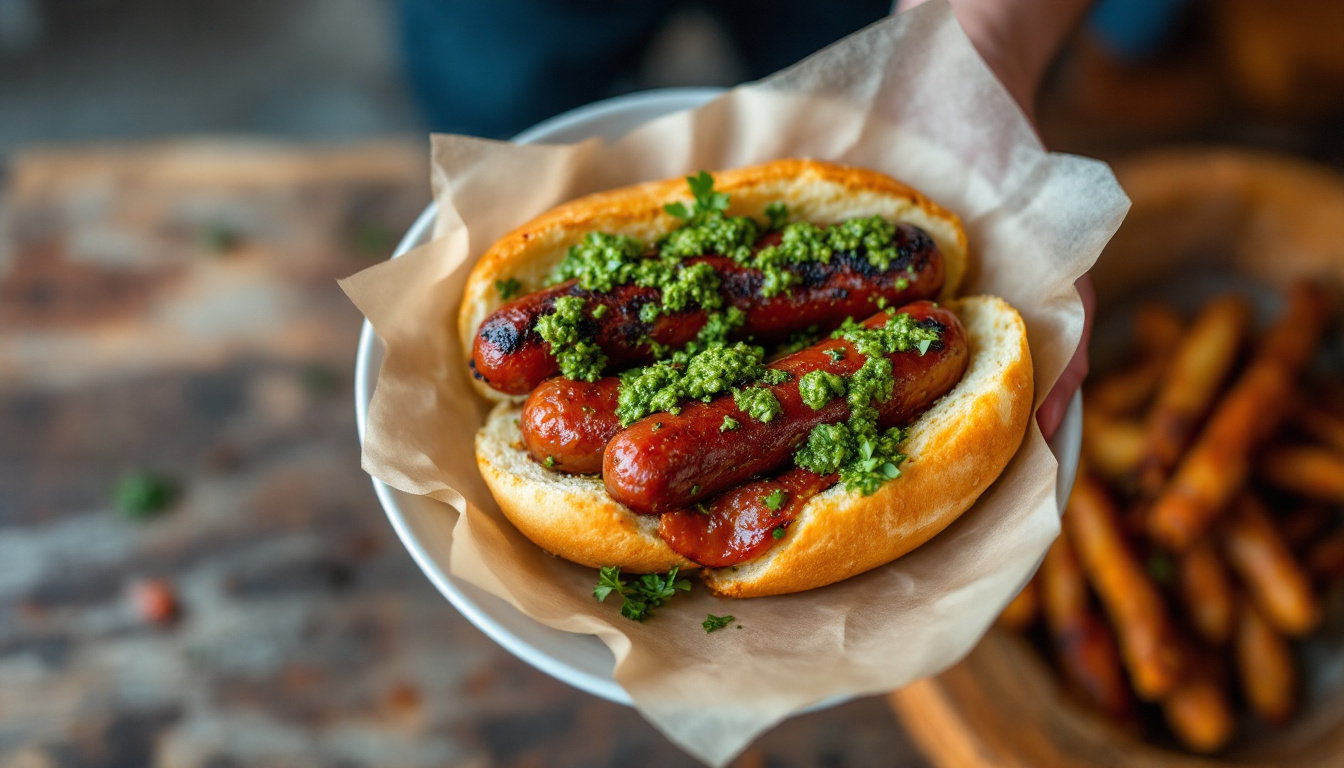
Choripan is the great street food of Buenos Aires, a grilled chorizo split and pressed into crusty bread and slathered with chimichurri. The name is a mash-up of chorizo and pan (bread), and it is the food of football matches, protests, and the riverside parrilla stands along the Costanera Sur. Smoky, garlicky, and cheap, it is the porteno hot dog and a national institution. Get one from a busy street grill, load it with chimichurri, and eat it standing up.
Empanadas
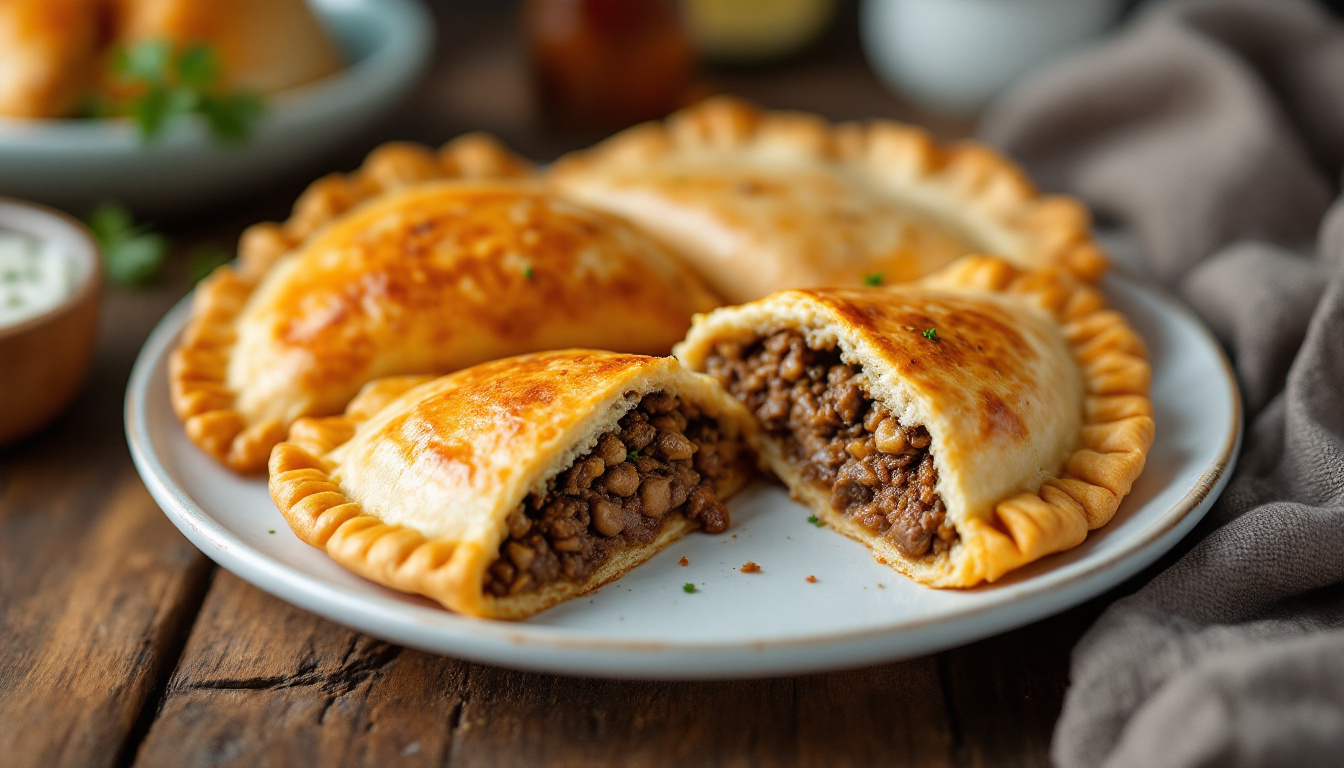
Empanadas are the everyday pastry of Argentina, and the Buenos Aires style is usually baked rather than fried, filled with carne (beef, often with egg and olive), jamon y queso (ham and cheese), humita (sweet corn), or spinach. Each filling has its own decorative crimp (repulgue) so you can tell them apart. They are eaten at any hour, as a snack, starter, or quick meal, and a dozen from a good empanaderia feeds a group. The northern provinces fry theirs, but porteno empanadas are baked and beloved.
Milanesa
The milanesa is a breaded, fried beef cutlet, the Argentine cousin of the Italian cotoletta, and it is comfort food at its most beloved. The deluxe version is the milanesa napolitana, topped with ham, tomato sauce, and melted cheese, despite the name being a Buenos Aires invention (after a restaurant called Napoli, not the city). Served with fries or a salad, or stuffed into a sandwich, it is a bodegon and home-cooking staple. A good milanesa is thin, crisp, and the size of the plate.
Pizza portena and fugazzeta
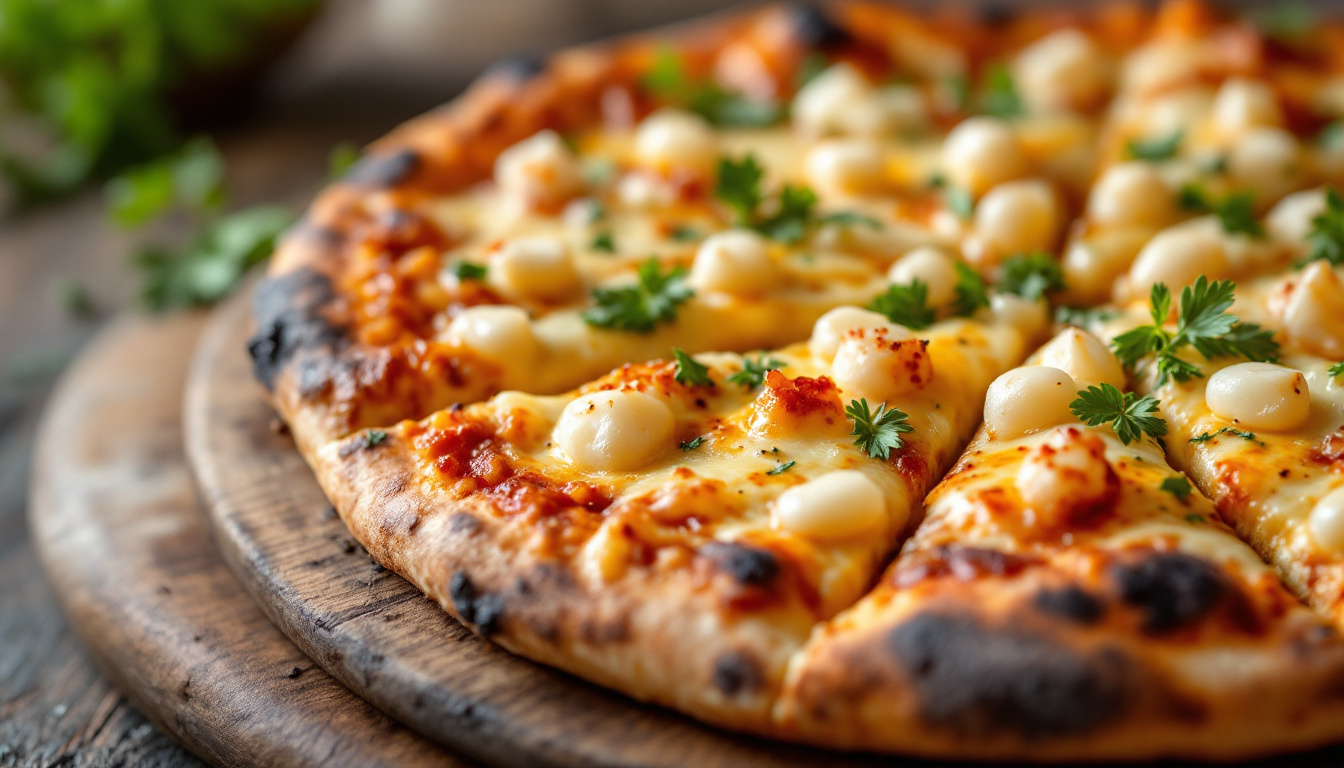
Buenos Aires pizza is its own thing, thick, doughy, and buried under a mountain of mozzarella, a legacy of Italian immigration gone gloriously local. The icon is the fugazzeta, a stuffed cheese-and-onion pizza, and its relative the fugazza (onion, no tomato). Eaten with a slice of faina (a chickpea flatbread) on top and a glass of moscato, porteno-style, the historic spots are the old pizzerias on Avenida Corrientes like Guerrin. It is pizza as comfort food, nothing like Naples and proudly so.
Pasta and los noquis del 29
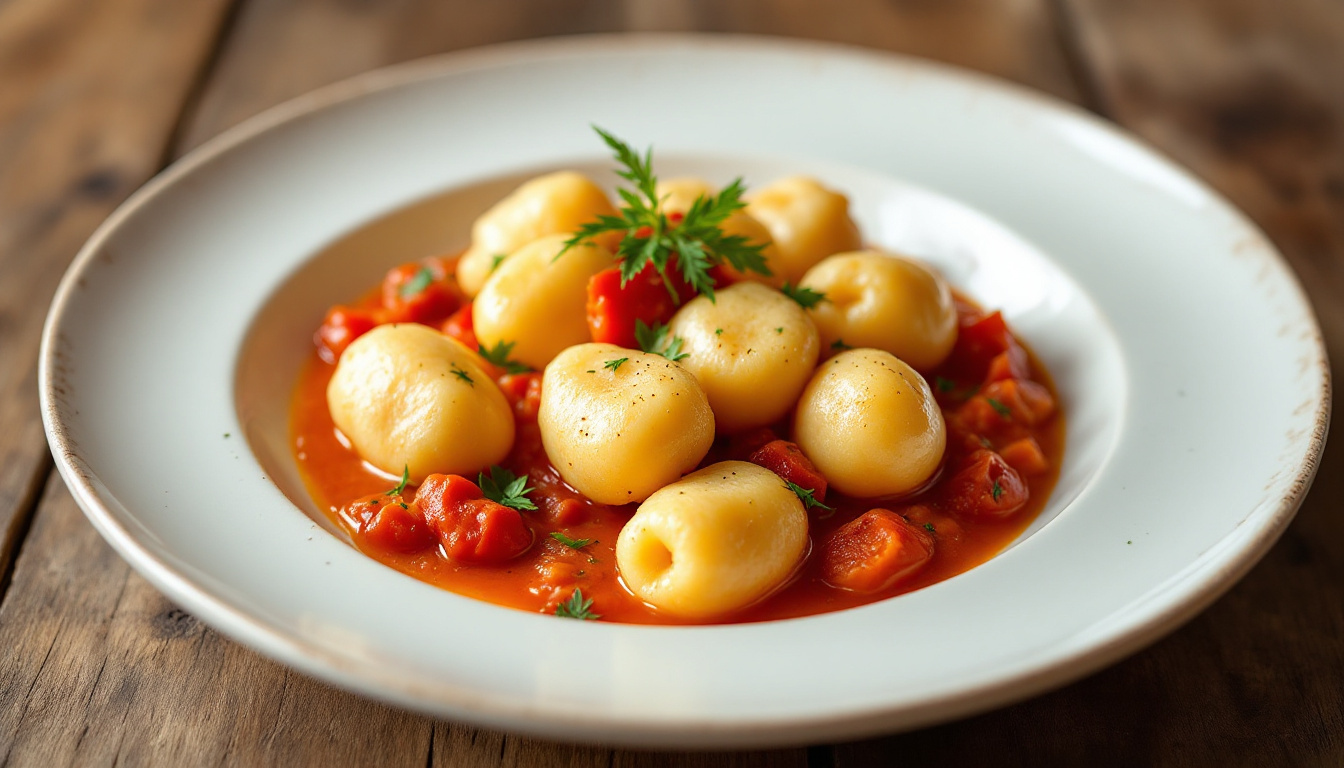
The other half of the Italian inheritance is pasta, eaten in Buenos Aires with a devotion to match the asado. Bodegones and old cantinas serve handmade ravioles, tallarines, and above all sorrentinos, a porteno-invented round stuffed pasta (ham and mozzarella, or ricotta and walnut), usually drowned in a rich tuco (tomato) or fileto sauce. The ritual to know is noquis del 29: on the 29th of each month, families eat gnocchi and tuck a banknote under the plate for good fortune, a tradition born when payday and money were both still a couple of days away. Order pasta at a wood-panelled bodegon, not a tourist trattoria, for the real thing.
Provoleta
Provoleta is the asado’s great starter, a thick disc of provolone-style cheese grilled until the outside is crisp and the inside molten, then sprinkled with oregano and chili flakes. An Argentine adaptation of Italian provolone, it is served bubbling and scooped up with bread before the meat arrives. Smoky, salty, and gooey, it is the cheese course no parrilla meal should skip. It is also one of the few vegetarian highlights of an otherwise meat-driven table.
Mollejas and achuras
Achuras are the grilled offal that open a real asado, and the star is mollejas (sweetbreads), grilled until crisp and golden outside and creamy within, finished with lemon. Around them come chinchulines (chitterlings), riñones (kidney), and morcilla (blood sausage). To Argentines these are not an afterthought but the connoisseur’s part of the asado, eaten first while the big cuts cook. Crisp mollejas with a squeeze of lemon are a genuine delicacy, and ordering them marks you as someone who knows.
Bife de chorizo and the cuts
The steak itself is the main event, and the cuts have their own language. Bife de chorizo (sirloin, no relation to the sausage) is the porteno favorite, thick and juicy; ojo de bife (rib eye), vacio (flank), entrana (skirt), and asado de tira (short ribs) each have their devotees. Argentine beef is grass-fed and grilled simply over embers, salted and served with chimichurri, cooked to your liking (jugoso for rare). Order a cut to share and a bottle of Malbec.
Medialunas and cafe culture
Medialunas are the small, sweet, glazed croissants that fuel Buenos Aires mornings and the late-afternoon merienda, eaten three at a time with a cortado (espresso cut with a little milk). They are the best-known of the facturas, the whole family of cheap porteno pastries you point at by the dozen: vigilantes, bolas de fraile (dulce-de-leche-filled doughnuts), and tortitas negras. The cafe is a porteno institution, and the classic order is a cafe con leche with medialunas or a tostado (a pressed ham-and-cheese toastie). The historic cafes notables, with their old wood and mirrors, are part of the city’s soul. It is the gentle, daily counterpoint to all the grilled meat.
Helado
Helado is Argentina’s gift from its Italian immigrants, dense, creamy gelato that locals take very seriously, often delivered to the door late at night. The flavor to try is dulce de leche (and its variants like dulce de leche granizado, with chocolate chips), alongside sambayon and the fruit sorbets. The best heladerias scoop it into towering cones and tubs, and a stop is a daily ritual in summer. Buenos Aires arguably makes the best ice cream outside Italy, and the dulce de leche is unbeatable.
Alfajores and dulce de leche
The alfajor is Argentina’s national sweet, two soft biscuits sandwiching a thick layer of dulce de leche, often coated in chocolate or rolled in coconut. They are everywhere, from kiosk brands to artisan versions, and they are the edible souvenir to take home. Dulce de leche, the slow-cooked milk caramel, is the obsession behind them and behind half of Argentine desserts, spread on toast, stuffed in medialunas, swirled into helado, and layered into chocotorta, the no-bake icebox cake of chocolate biscuits, dulce de leche, and cream cheese that turns up at every porteno birthday. Buy a box of alfajores and a jar of dulce de leche before you leave.
Sandwiches de miga and the picada
Sandwiches de miga are delicate, crustless tea sandwiches of thin white bread layered with ham, cheese, and more, a genteel porteno snack eaten by the dozen at cafes and gatherings. They pair with the picada, the Argentine grazing board of cured meats, cheeses, olives, and bread shared over drinks before dinner. Together they are the city’s social snacking culture, the things you eat with a fernet or a glass of wine while waiting for the late dinner hour to arrive.
Locro and puchero
For the older, pre-Italian Argentine table, locro and puchero are the great traditional stews. Locro is a hearty corn, bean, squash, and meat stew eaten especially on national holidays like May 25 and July 9, a dish with indigenous and colonial roots. Puchero is a boiled dinner of meat, sausage, and vegetables, comfort food for cold months. Both are heavier and humbler than the parrilla glamour, and finding a good locro on a patriotic holiday is a real taste of Argentine heritage.
Where to eat: Palermo, San Telmo and the parrillas
The best food in Buenos Aires is spread across its neighborhoods, from historic parrillas to creative kitchens. Knowing the map helps you eat well at every hour. Here is where to go.
Palermo, split into Soho and Hollywood, is the epicenter of contemporary Buenos Aires dining and nightlife. It is home to Don Julio, the world-famous parrilla, plus a dense scene of modern restaurants, wine bars, specialty coffee, and the new wave of Argentine cooking. This is where to go for both a benchmark steak (book ahead) and the city’s most creative food.
San Telmo, the cobblestoned old quarter, is the home of traditional Buenos Aires: historic bodegones, tango, and the famous Sunday market and Mercado de San Telmo, where you can eat freshly made choripan, empanadas, and grilled meats among antique stalls. It is the place for old-school porteno atmosphere and classic dishes done the way they always have been.
The Centro and Avenida Corrientes are pizza-and-cafe country. The historic pizzerias here, like Guerrin, serve the thick, cheesy porteno pizza by the slice at the counter, eaten standing with a slice of faina and a moscato. The grand cafes notables of the center, all wood and mirrors, are the place for a cortado and medialunas. It is the city’s working, everyday eating at its most classic.
Across the city, the bodegon (the old-school, generous neighborhood restaurant) is where porteno comfort food lives: enormous milanesas, pasta, and homey classics in huge portions. The parrillas, from corner grills to destinations, are everywhere. For a modern twist, places like Fogon Asado turn the asado into a multi-course tasting. Eat where the locals fill the tables and the portions are generous.
What to drink in Buenos Aires
The drink of Buenos Aires is Malbec, Argentina’s signature red, but the city’s true everyday rituals are mate and fernet. Argentine Malbec, much of it from Mendoza, is the natural partner to the asado and is excellent and affordable. Fernet con coca (the bitter Italian amaro Fernet-Branca mixed with Coca-Cola) is the national drink of a night out, drunk by the bucketload. Mate, the bitter herbal infusion sipped through a metal straw from a shared gourd, is the social glue of daily life, passed among friends everywhere. Add the cortado, specialty coffee, and Quilmes beer, and the city is well watered.
- Meals run late: lunch 1-3 PM, merienda around 5, dinner from 9 PM. Restaurants fill close to midnight.
- Tipping around 10 percent in cash is customary at restaurants (the “propina”).
- Mate is shared from one gourd and straw; if offered, it is a gesture of friendship.
- Vegetarians manage with provoleta, pizza, pasta, empanadas (humita, caprese), and salads, though the city is firmly beef-first.
- Order steak by doneness (jugoso for rare) and share large cuts and the achuras at a parrilla.
Frequently asked questions
What food is Buenos Aires known for?
Buenos Aires is known for asado (the wood-fired barbecue of beef cuts at a parrilla), choripan (a chorizo sandwich), empanadas, the thick cheesy porteno pizza (fugazzeta), milanesa, and a deep sweet culture of dulce de leche, alfajores, and Italian-style gelato. It blends Argentine beef culture with the legacy of massive Italian immigration.
Where should I eat steak in Buenos Aires?
Don Julio in Palermo is the world-famous parrilla and ranks among the world’s best, but it requires booking well ahead. Fogon Asado offers an asado tasting menu, and San Telmo has historic bodegones. That said, almost any neighborhood parrilla serves excellent grass-fed beef without a reservation, so you are never far from a great steak.
Why does Buenos Aires have so much Italian food?
Buenos Aires has so much Italian food because millions of Italian immigrants settled in Argentina around 1900, profoundly shaping the city’s culture and table. The result is the local pizza (thick and cheesy, like fugazzeta), pasta, the milanesa, gelato-style helado, and even the language and gestures. Italian and Argentine traditions have fused into something distinctly porteno.
When do people eat dinner in Buenos Aires?
Dinner in Buenos Aires starts late, typically from 9 PM and often later, with restaurants busiest toward midnight. Lunch is 1-3 PM, and the merienda (coffee and pastries like medialunas) bridges the long afternoon around 5 PM. Arriving for dinner at 7 PM means an empty restaurant, so adjust to the porteno schedule.
Can vegetarians eat well in Buenos Aires?
Vegetarians can manage in this beef-first city. Provoleta (grilled cheese), pizza and pasta, empanadas (humita sweet corn, caprese, spinach), salads, and the abundant gelato and pastries offer options, and Palermo has a growing number of vegetarian and vegan restaurants. It is not the easiest city for plant-based eating, but the strong Italian influence helps.
What should I drink in Buenos Aires?
Drink Argentine Malbec with your asado, a fernet con coca (Fernet-Branca with Coca-Cola) on a night out, and share mate (the herbal infusion) with locals by day. For everyday, the cortado coffee with medialunas is the classic cafe order, and Quilmes is the standard beer. Mendoza Malbec is the wine to seek out, excellent and affordable.
More food guides waiting for you
Browse our complete collection of food guides across the Americas.