A foot-long gatsby split between friends, fragrant Cape Malay curry from a Bo-Kaap kitchen, snoek and crayfish off the boats, and lamb on the coals at a township braai: a neighborhood guide to eating in Cape Town.
The best food in Cape Town is Cape Malay curry, fresh seafood, and meat over an open fire, all of it eaten against a backdrop of mountain and ocean. South Africa’s most beautiful city cooks like the crossroads it is. It blends Cape Malay spice, Dutch and British settler dishes, African braai culture, and the bounty of two oceans and the nearby winelands. From the spiced kitchens of the Bo-Kaap to the seafood shacks of Kalk Bay and the smoke of a township shisa nyama, it’s one of the great, and most surprising, food cities of the continent.
Why Cape Town is a great food city
Cape Town is a great food city because it sits at a crossroads of cultures and oceans, layering Cape Malay spice, settler cooking, and African fire over some of the freshest produce, seafood, and wine on earth. The wider national picture is in our complete South Africa food guide. But Cape Town concentrates its most distinctive flavors: the Bo-Kaap curries, the gatsby, the harbour seafood, and the winelands at the city’s edge. It anchors one corner of a vast and varied region we map in our guide to the best food in Africa and the Middle East.
Three constants hold it together: spice, the braai (open-fire cooking that’s part ritual, part national sport), and the sea. Cape Malay cooking, brought by enslaved people from Southeast Asia centuries ago, gives the city its fragrant curries, its sweet-savory balance, and its famous baking. Around it sit African staples, Afrikaner farm dishes, and a sophisticated modern restaurant and market scene. This guide runs through the dishes that define the city, then where to eat them.
The best food in Cape Town, dish by dish
These are the 13 things I tell every visitor to eat, with a rough 2026 price and what makes each matter. Prices are in South African rand (ZAR), and the city offers serious value.
Gatsby
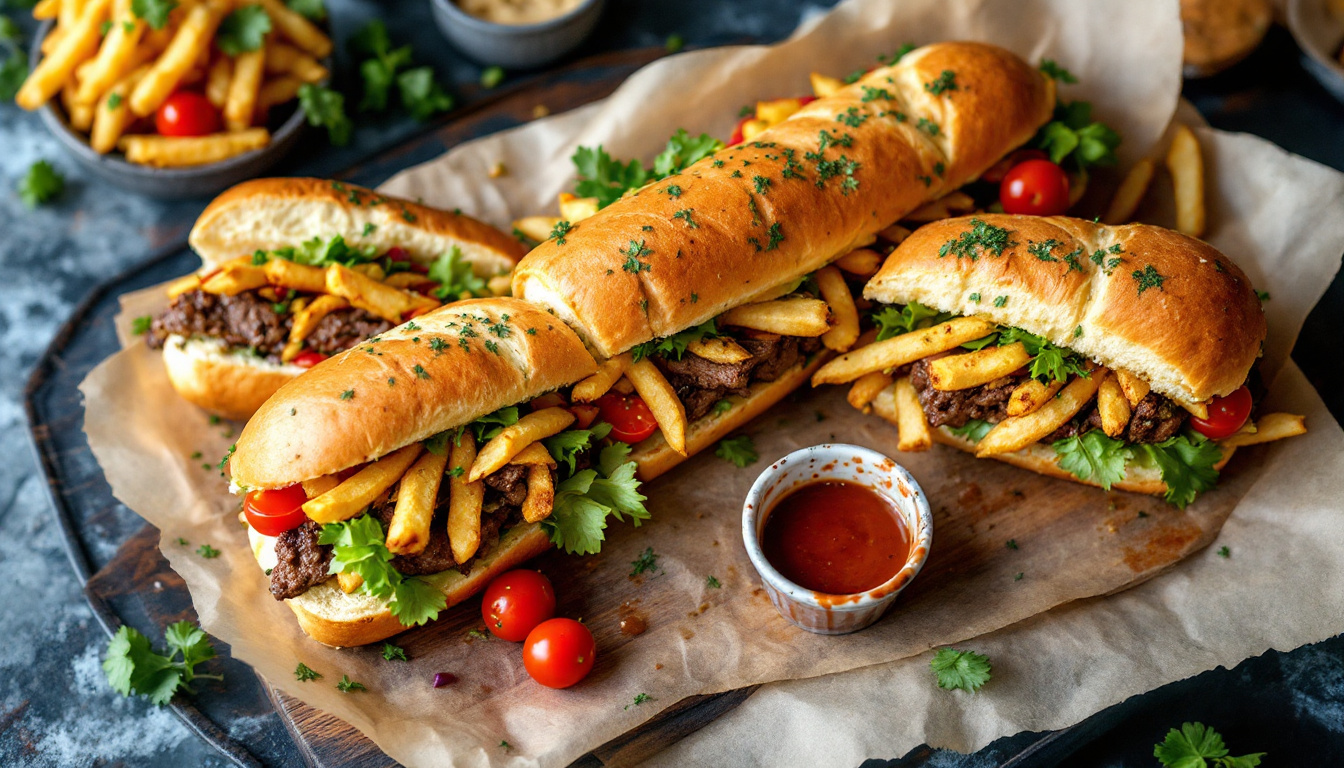
The gatsby is Cape Town’s great street sandwich, a foot-long roll crammed with chips (fries), a filling of your choice (masala steak, polony, calamari, or chicken), salad, and lashings of sauce, then cut into portions to share. Born in the working-class Cape Flats in the 1970s, it’s huge, it’s cheap, and it’s built for feeding a group. A masala steak gatsby with extra peri-peri is the classic. Messy and generous, it is the city’s most democratic feast. Its Durban-born rival, the bunny chow (a hollowed-out half-loaf of white bread filled to the brim with curry), is just as common on Cape Town menus. Between them they are the city’s great carb-and-curry street feeds.
Cape Malay curry
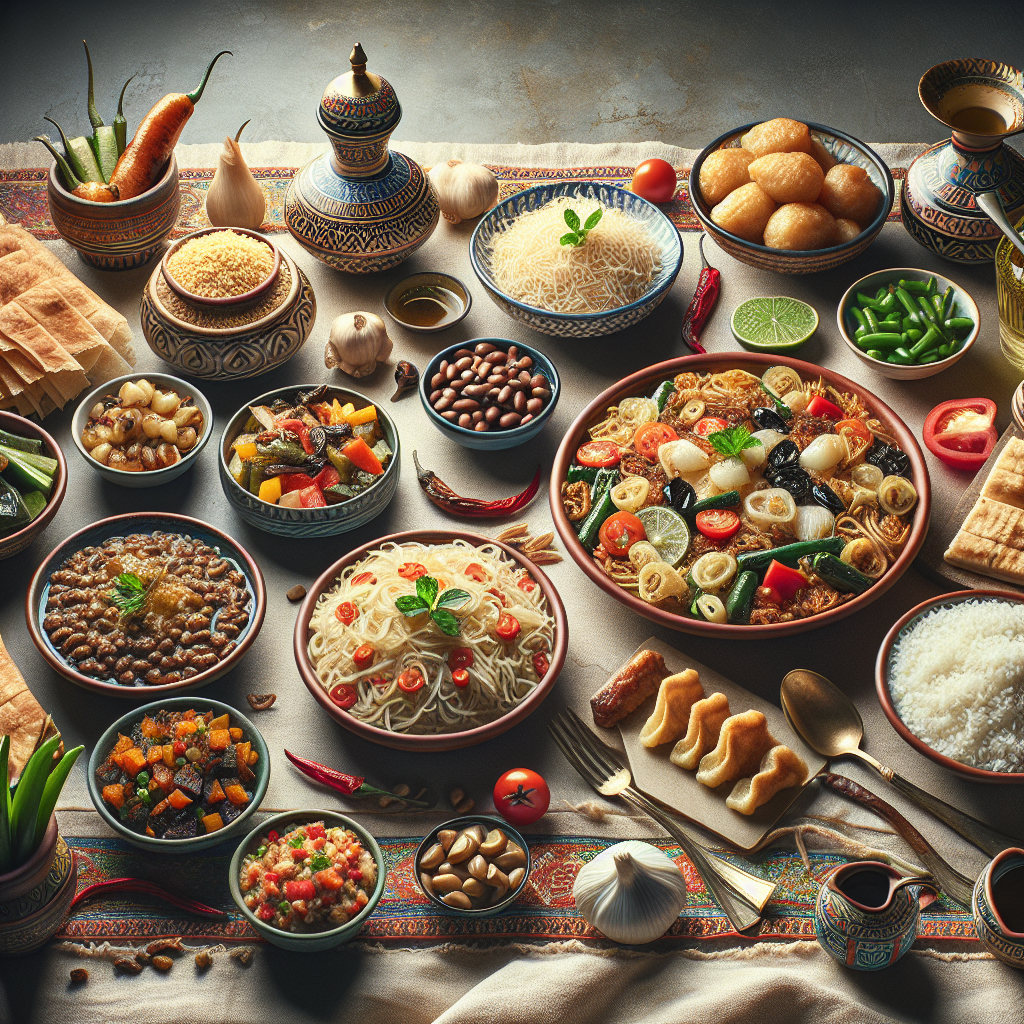
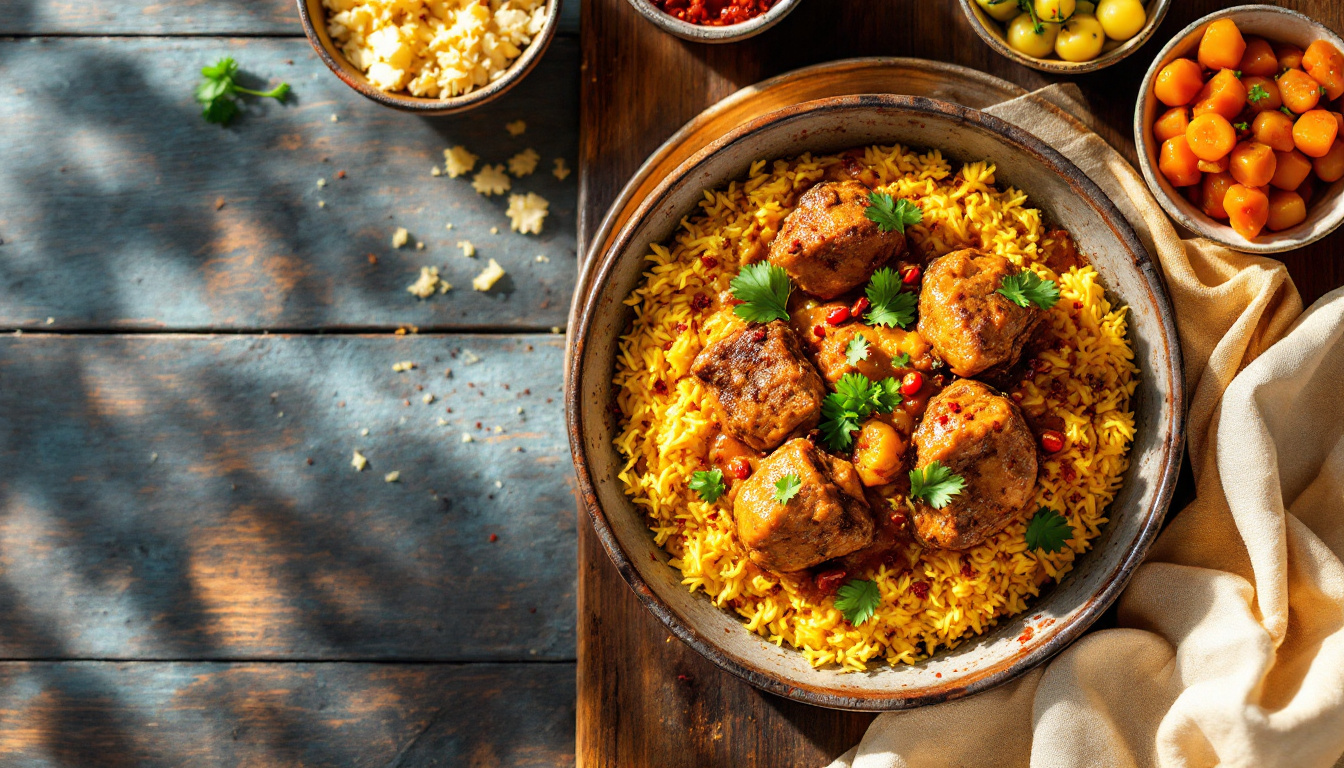
Cape Malay curry is the fragrant heart of Cape Town cooking, milder and sweeter than its Indian cousins, scented with cinnamon, cardamom, cloves, and turmeric and often touched with apricot or fruit. Classics include a lamb or chicken curry, denningvleis (a tamarind lamb stew), and bredie (a slow vegetable-and-meat stew). The most famous bredie is waterblommetjiebredie, made with the Cape’s edible “water-flower” pondweed that surfaces on the dams in winter. Served with yellow rice, sambals, and chutney, it is comforting and aromatic. Eat it in a Bo-Kaap home kitchen or restaurant for the real thing. This is the flavor that defines the city.
Bobotie
Bobotie is South Africa’s national dish and a Cape Malay treasure: spiced minced meat (usually beef or lamb) baked with dried fruit, almonds, and curry spices under a savory golden egg custard, with bay leaves on top. Sweet, savory, gently spiced, it comes with yellow turmeric rice, sambals, and chutney. Comforting and distinctly Cape, it tells the city’s whole tangled history in one dish. Try it at a traditional Cape Malay restaurant. This is the taste of the Cape table.
Braai and boerewors
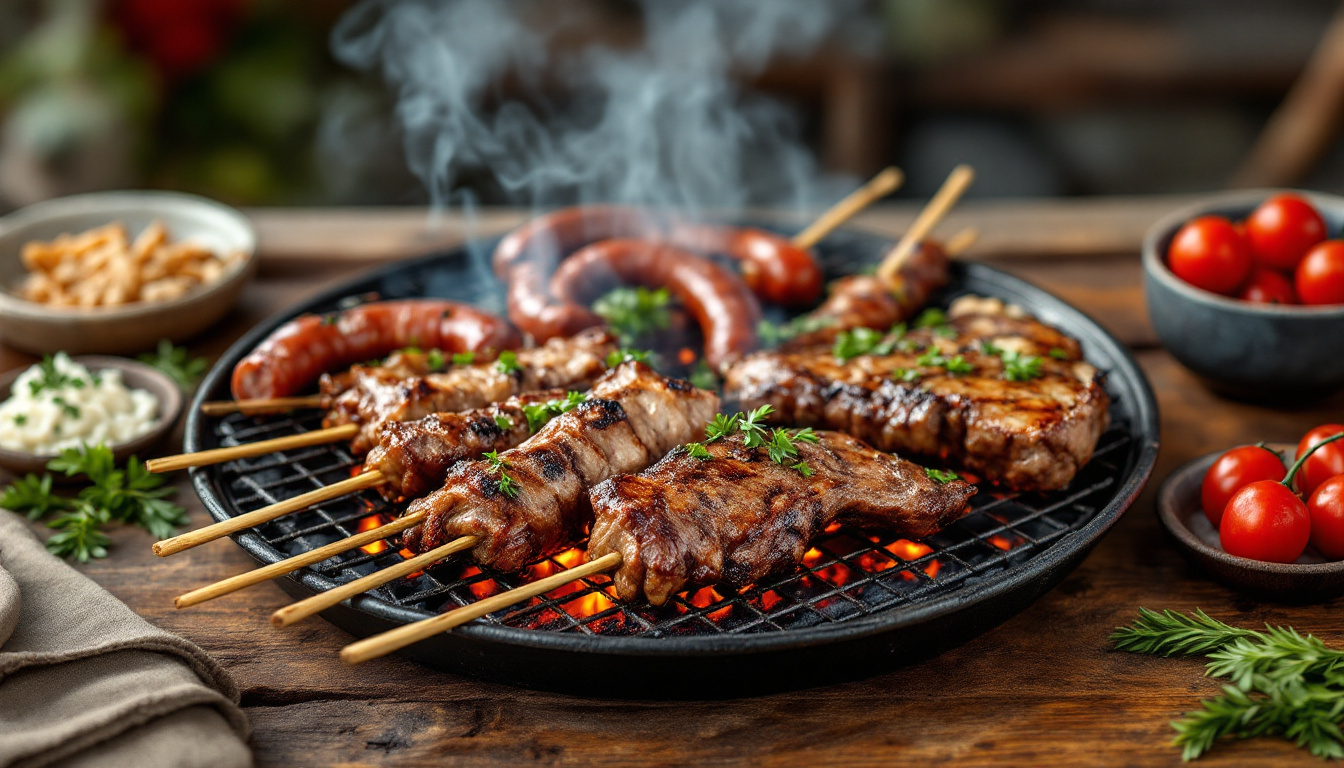
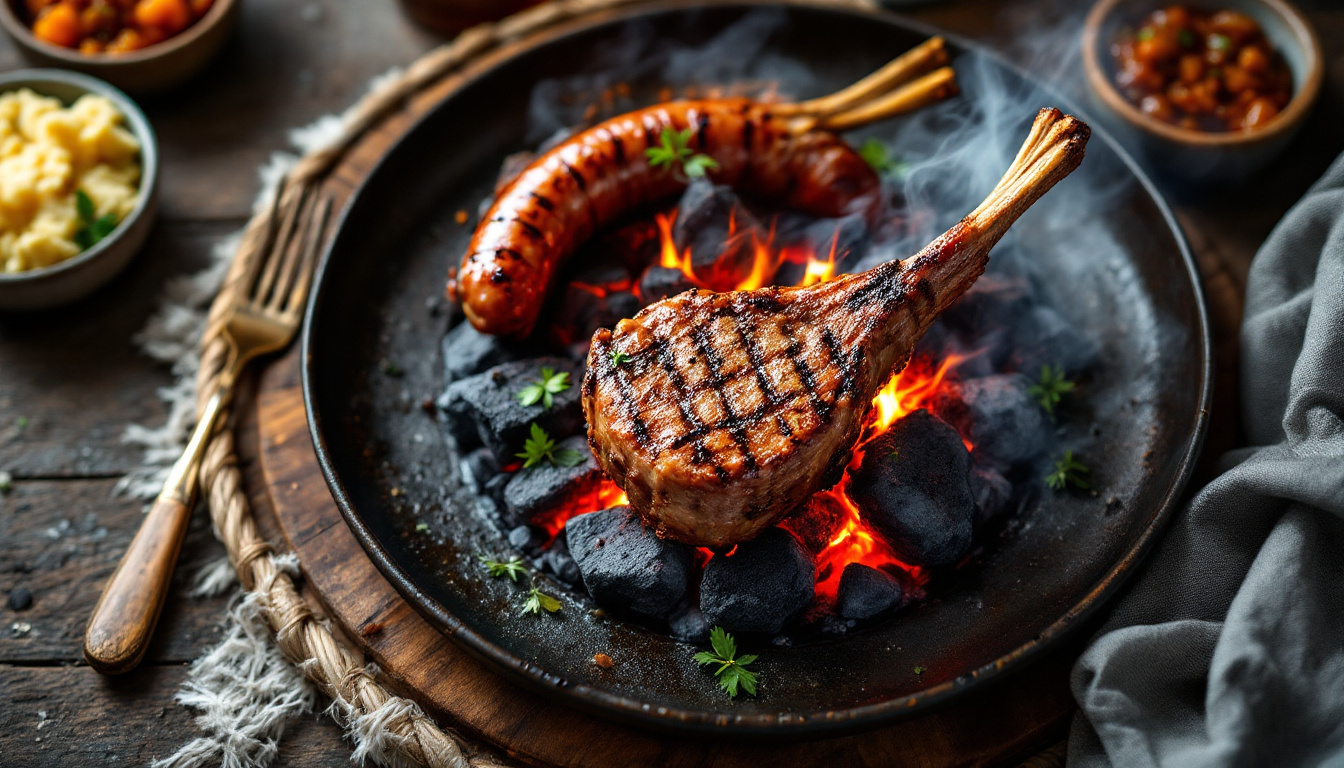
The braai is South Africa’s beloved barbecue and a way of life: meat cooked over wood or coals with friends and beer. Cape Town does it brilliantly, from backyard gatherings to the township shisa nyama, where you buy meat by weight and have it grilled. The stars are boerewors (the coiled, coriander-spiced farmer’s sausage), lamb chops, sosaties, and steak, eaten with pap (maize porridge), chakalaka relish, and bread. A braai at a place like Mzoli’s in Gugulethu? One of the city’s great, sociable feasts.
Potjiekos
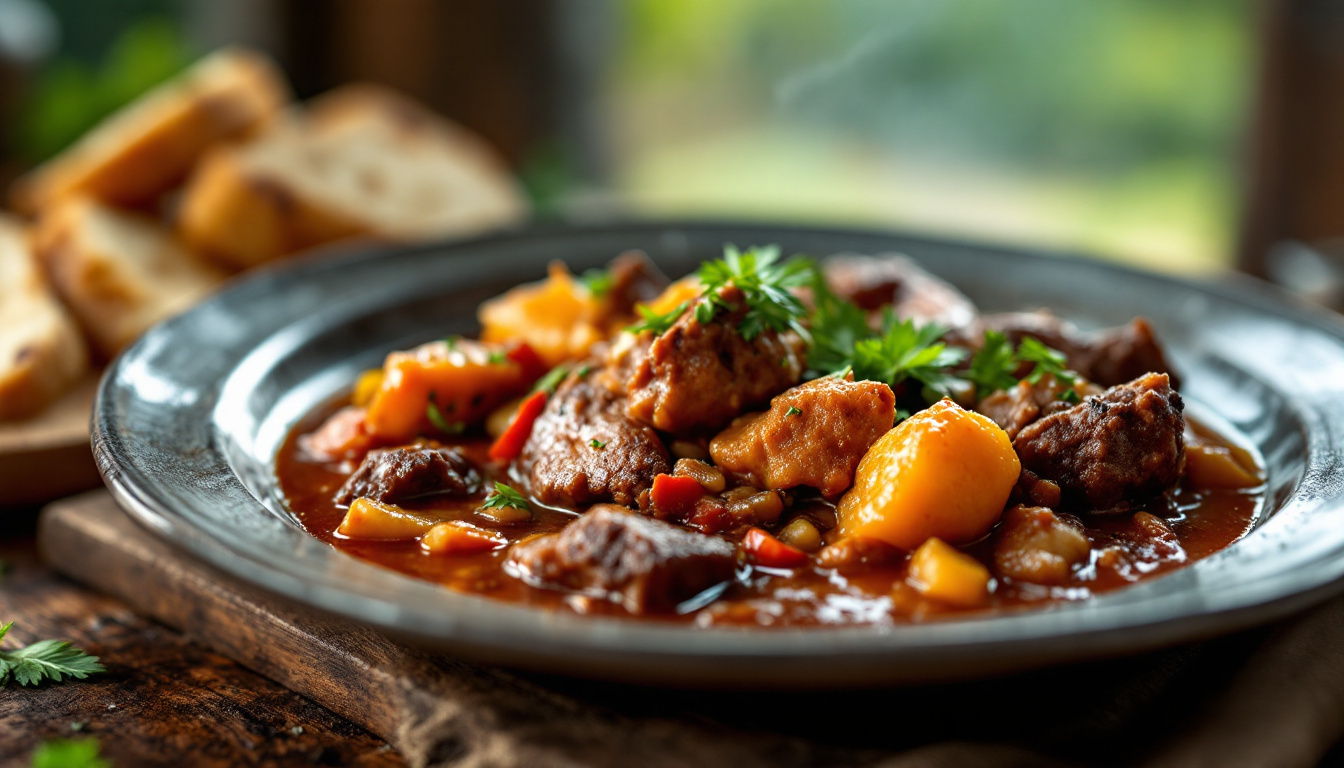
If the braai is the fast, sociable fire, potjiekos is its slow, patient cousin. The name means “small-pot food”. It’s a stew of meat, vegetables, and sometimes a splash of beer or wine, layered into a three-legged cast-iron pot (the potjie) and left to simmer over coals for hours without stirring, so each layer keeps its character. Oxtail, lamb, or chicken with potatoes and carrots are the classics, and the long, lazy cook is half the point: friends gather around the pot all afternoon, drink in hand. This is South African outdoor cooking at its most unhurried, a deeply Cape way to spend a weekend.
Snoek
Snoek is the Cape’s iconic fish, a long, oily, bony relative of the mackerel that locals adore. It’s traditionally braaied whole and basted with an apricot-jam-and-garlic glaze, or smoked and flaked into smoorsnoek (a fish-and-onion braise) and snoek pate. Best in the cooler winter months, it’s sold from West Coast roadside stalls and harbours and cooked at every coastal braai. Smoky, rich, a little salty, served with sweet potato or bread, it is a true taste of the Cape coast.
Kalk Bay seafood and crayfish
Two oceans meet at the Cape, and the seafood is superb. At Kalk Bay harbour you can buy fish straight off the boats and eat fish and chips at the legendary Kalky’s, while the West Coast is famous for kreef (rock lobster or crayfish), grilled simply with garlic and lemon. Hake, kingklip, calamari, black mussels, West Coast oysters round it out. Fresh, simple, eaten by the water: a seafood lunch at a harbour shack is one of Cape Town’s purest pleasures.
Samoosas and Bo-Kaap snacks
The Cape Malay love of savory baking fills the city with brilliant snacks. Samoosas (crisp triangular pastries stuffed with spiced mince, chicken, or vegetables) are everywhere, alongside daltjies (chili-spiced chickpea fritters), chilli bites, vetkoek (fist-sized fried dough buns split and stuffed with curried mince or jam), and spicy mince-filled rolls. Sold from Bo-Kaap kitchens, corner shops, and markets, they’re cheap, addictive, and perfect with a cup of tea. Picking up a paper bag of hot samoosas and daltjies? One of the easiest, tastiest things to do in Cape Town.
Sosaties
Sosaties are the Cape’s own kebabs, cubes of lamb (sometimes with dried apricots and onion between them) marinated in a fragrant, lightly sweet curry sauce with tamarind and turmeric, then grilled on skewers over the coals. A Cape Malay classic with roots in the same Southeast Asian heritage as satay, they are a braai favorite, sweet, tangy, and tender. Served with rice or bread and the leftover sauce, sosaties are a delicious, very Cape way to eat grilled meat.
Biltong and droewors
Biltong is South Africa’s beloved cured meat: strips of beef (or game like kudu and ostrich) seasoned with coriander, vinegar, and salt and air-dried, then sliced into chewy, savory bites. Its cousin droewors is a thin, dried version of boerewors sausage. Sold by weight at specialist shops and markets, snacked on everywhere, especially watching sport, biltong is utterly addictive. It’s the perfect, protein-packed taste of the country to nibble between meals or carry on a hike up Table Mountain.
Koeksisters and koesisters
Cape Town has two beloved sweet doughnuts with confusingly similar names. The Afrikaner koeksister is a plaited dough, deep-fried and dunked in cold sugar syrup until crisp and sticky. The Cape Malay koesister is a different thing entirely: a spiced, fried dumpling soaked in syrup and rolled in coconut, traditionally eaten on Sunday mornings in the Bo-Kaap. Both are sweet, syrupy, irresistible with coffee. Trying the two side by side is a delicious little lesson in the city’s mixed heritage.
Malva pudding
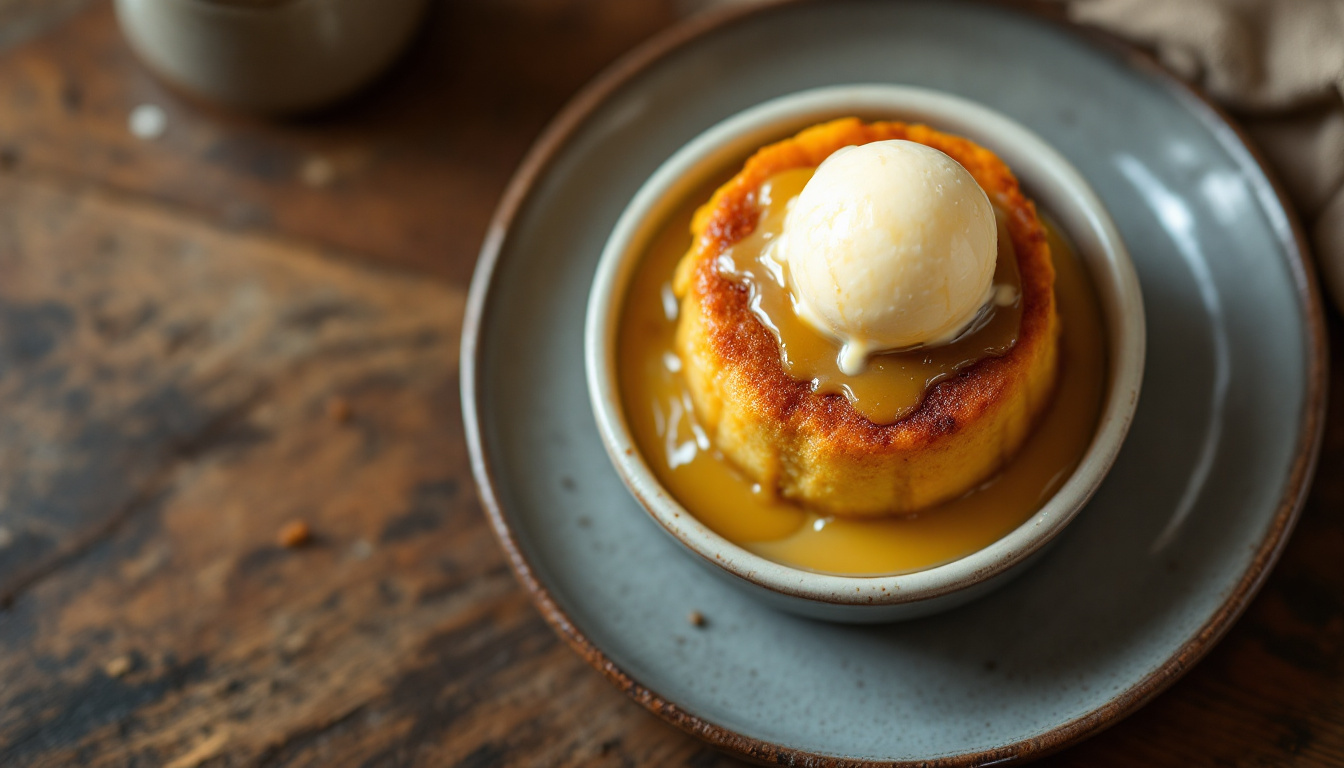
Malva pudding is South Africa’s favorite dessert, a warm, spongy baked pudding made with apricot jam and a touch of vinegar, drenched while hot in a creamy butter-and-cream sauce so it turns sticky and caramel-rich. Served with custard or ice cream, it is comforting, sweet, and deeply moreish, a staple of Sunday lunches and restaurant menus across the Cape. Often credited to Cape Dutch kitchens, it is the cozy, sticky-sweet way to finish a Cape Town meal.
Cape wine and drinks
Cape Town sits on the doorstep of one of the world’s great wine regions, and drinking here is a highlight. The Stellenbosch, Franschhoek, and Constantia winelands produce superb chenin blanc, sauvignon blanc, pinotage (South Africa’s own grape), and elegant reds, with tastings a short drive away. In the city, sip local wine, craft beer, and brandy, the herbal rooibos tea grown only in the Cape, and the creamy Amarula liqueur. A wine-tasting day trip? About the best thing any food lover can do here.
Where to eat: the Bo-Kaap, the harbours and the townships
The best food in Cape Town is scattered across a dramatic landscape of mountain, sea, and suburb, from the painted Bo-Kaap to the harbours and the townships. Knowing where to go is half the adventure. Here’s the map.
The Bo-Kaap, with its famous candy-colored houses on the slopes of Signal Hill, is the historic heart of Cape Malay culture and cooking. This is where to eat fragrant curries and bobotie, pick up hot samoosas and koesisters, and learn the city’s spice story, often on a cooking class or food tour with a local family. Atmospheric and deeply flavorful, it’s the single best neighborhood for understanding what makes Cape Town food unique.
Kalk Bay, a charming fishing village on the railway line south of the city, is seafood central. Boats land the catch and you eat fish and chips at Kalky’s by the harbour. The wider False Bay and Atlantic coasts, from Hout Bay to the West Coast, serve fresh fish, snoek, and crayfish with an ocean view. For seafood eaten simply and by the water, the coastal villages beat the smart city restaurants.
Woodstock, the revived industrial quarter, is home to the Old Biscuit Mill and its Saturday Neighbourgoods Market, the hub of Cape Town’s modern food scene, where you graze artisan stalls, street food, and craft drinks among hip restaurants. Add the Oranjezicht City Farm Market at the V&A Waterfront and the city’s wave of inventive chefs, and this is where contemporary Cape Town eats. Come hungry on a Saturday morning and taste your way around.
For the most sociable eating, head to the townships, where the shisa nyama (buy-and-braai meat joints) like Mzoli’s in Gugulethu turn weekends into music-filled feasts of grilled meat, pap, and beer. The Cape Flats are also the birthplace of the gatsby. Best visited on a guided food tour for context and ease, these neighborhoods serve some of the city’s warmest hospitality, and its most authentic braai culture.
What to drink in Cape Town
Cape Town drinks some of the best wine in the world, made almost on its doorstep. The Stellenbosch, Franschhoek, and Constantia winelands pour world-class chenin blanc, sauvignon blanc, the local pinotage, and fine reds, and a tasting day trip is essential. In the city there’s excellent craft beer, the mainstream Castle and Black Label lagers, and good South African brandy. Non-drinkers are spoiled too. Rooibos, the naturally caffeine-free red bush tea, grows only in the Cape, the coffee scene is serious, and the creamy Amarula liqueur makes a sweet nightcap. Tap water is safe to drink.
- The braai is a social event, not just a meal. If invited, accept, and expect to eat late and generously.
- Tipping is expected, around 10 to 15 percent in restaurants, and car guards appreciate a few rand.
- A gatsby is huge and meant to be shared; one easily feeds two hungry people.
- Cape Malay food is mild and fragrant rather than fiery, with sweetness balancing the spice.
- Vegetarians do well with curries, bredies, samoosas, market food, and the produce-rich modern scene.
Frequently asked questions
What food is Cape Town known for?
Cape Town is known for Cape Malay cooking (fragrant curries, bobotie, sosaties, and koesisters), the gatsby (a giant shared sandwich), fresh seafood and snoek from its harbours, braai (barbecue) culture at township shisa nyamas, and the world-class wine of the nearby Stellenbosch and Constantia winelands. Its food blends Cape Malay, African, and settler influences with two oceans of seafood.
What is a gatsby?
A gatsby is Cape Town’s giant submarine sandwich, a foot-long roll stuffed with chips (fries), a filling such as masala steak, calamari, or polony, salad, and plenty of sauce, then cut into pieces to share. Invented in the working-class Cape Flats in the 1970s, it is cheap, enormous, and a beloved local feast. One easily feeds two people.
What is Cape Malay food?
Cape Malay food is the cuisine of the Cape Malay community, descended from people brought to the Cape from Southeast Asia centuries ago. It features fragrant, lightly sweet curries, bobotie, denningvleis, sosaties, samoosas, and syrup-soaked koesisters, scented with cinnamon, cardamom, and turmeric. Milder and sweeter than Indian curries, it is best experienced in the historic Bo-Kaap neighborhood.
Where should I eat seafood in Cape Town?
Head to the harbours. Kalk Bay on the False Bay coast is famous for fish straight off the boats and fish and chips at Kalky’s, while Hout Bay and the West Coast serve fresh snoek, crayfish (kreef), and oysters. Two oceans meet at the Cape, so the seafood is excellent and best eaten simply by the water. Snoek and crayfish are at their best in winter.
How much does food cost in Cape Town?
Cape Town offers excellent value for visitors. A gatsby to share is around ZAR 60-120, a Cape Malay curry or bobotie ZAR 90-180, and a generous braai plate ZAR 120-280. A wine tasting in the winelands is modestly priced, and even fine dining is cheaper than in Europe or North America. Tipping of 10 to 15 percent is expected.
Is Cape Town good for vegetarians?
Yes, Cape Town is increasingly vegetarian-friendly. Cape Malay vegetable curries and bredies, samoosas and daltjies, the produce-rich Woodstock and Oranjezicht markets, and a strong modern restaurant scene all cater well to plant-based eaters. The food culture is meat- and seafood-heavy, especially around the braai, but vegetarians and vegans eat well, particularly in the city and at the markets.
More food guides waiting for you
Browse our complete collection of Middle East and African food guides.