A bowl of koshari eaten standing at a downtown counter, fava beans scooped with warm baladi bread at dawn, smoky grills in the old city, and syrup-soaked kunafa to finish: a neighborhood guide to eating in Cairo.
The best food in Cairo is koshari, ful medames, and a stack of baladi bread, eaten cheaply and with real pleasure on streets that never quite sleep. Egypt’s capital runs on its national bowl of koshari (rice, lentils, pasta, and fried onions under a tangy tomato sauce), on ful and ta’ameya for breakfast, and on the smoke of charcoal grills in the old quarters. It’s one of the great street-food cities of the world. Loud, ancient, astonishingly cheap, where a filling meal costs less than a coffee back home.
Why Cairo is a great street-food city
Cairo is a great street-food city because it feeds a vast, hungry population brilliantly and cheaply, turning humble ingredients into food people line up for. The wider picture is in our complete Egypt food guide. But Cairo is where it all comes together: the koshari counters, the dawn ful carts, the grills of the old city, the pastry shops glowing with syrup. It anchors one of the world’s richest food regions, covered in our guide to the best food in Africa and the Middle East.
The constants are bread, beans, rice, and grilled meat, built on layers of Egyptian, Ottoman, and Levantine influence. Baladi bread (the puffy, wholemeal flatbread) is at every meal, breakfast is ful and ta’ameya, and lunch is often a bowl of koshari eaten fast and standing. Much of the best food is meat-free and costs almost nothing. The grills and pastry shops are where Cairenes splurge. This guide runs through the dishes that define the city, then where to find them.
The best food in Cairo, dish by dish
These are the 13 things I tell every visitor to eat, with a rough 2026 price and what makes each matter. Prices are in Egyptian pounds (EGP), and most of this food is gloriously cheap.
Koshari
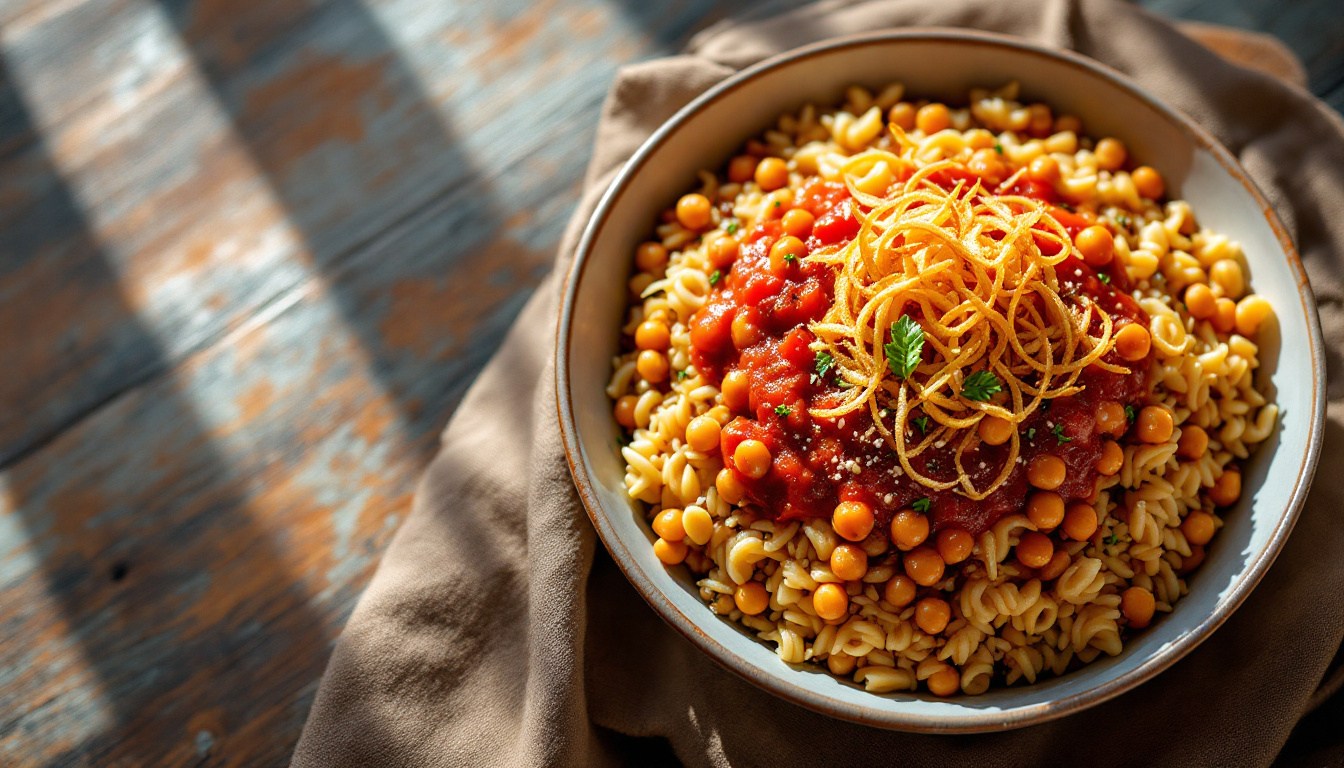
Koshari is Egypt’s national dish and the edible soul of Cairo, a carb-on-carb marvel of rice, brown lentils, and macaroni topped with spiced chickpeas, a tangy tomato sauce, garlicky vinegar (da’a), and a crown of crisp fried onions. Add fiery shatta (chili) to taste and stir it all together. It started as cheap, filling worker food. Now everyone eats it. Abou Tarek downtown is the most famous temple to it. Vegan, addictive, and barely a dollar, it’s the first thing to eat in the city.
Ful medames
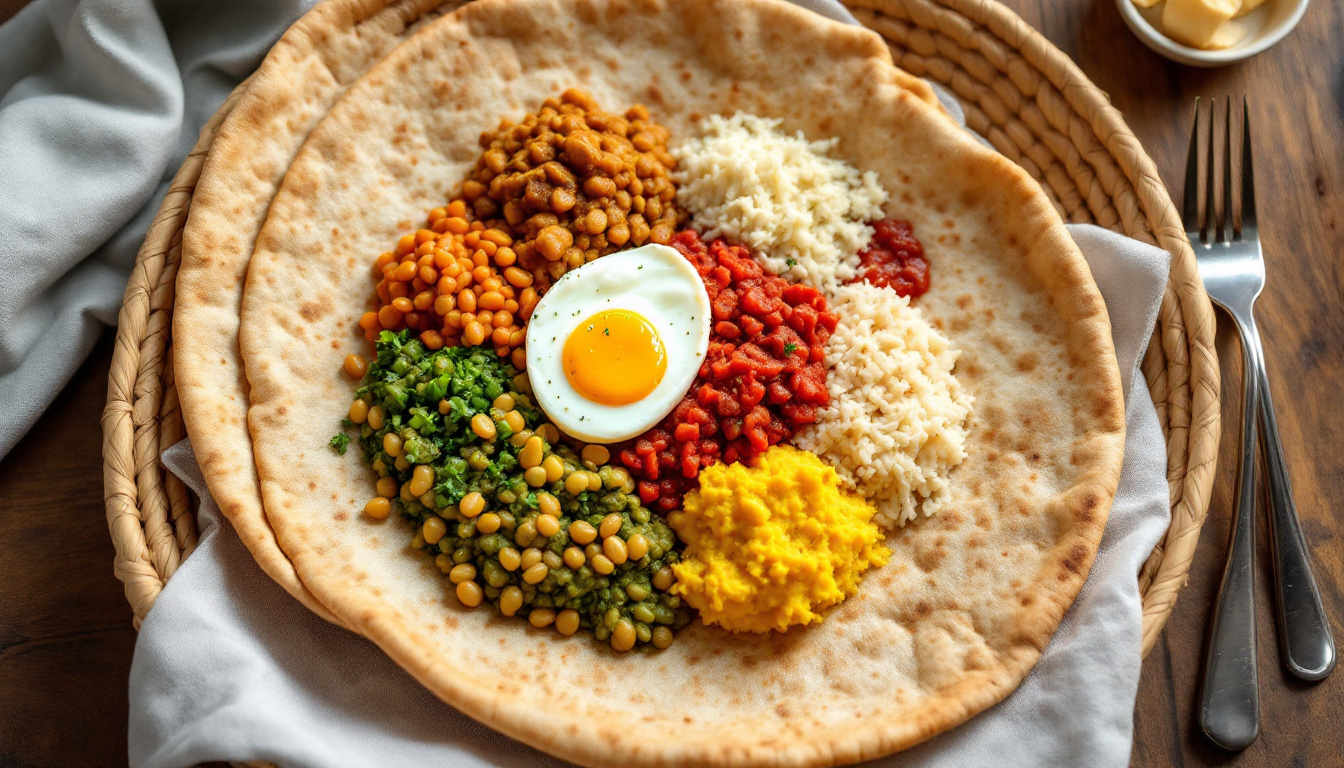
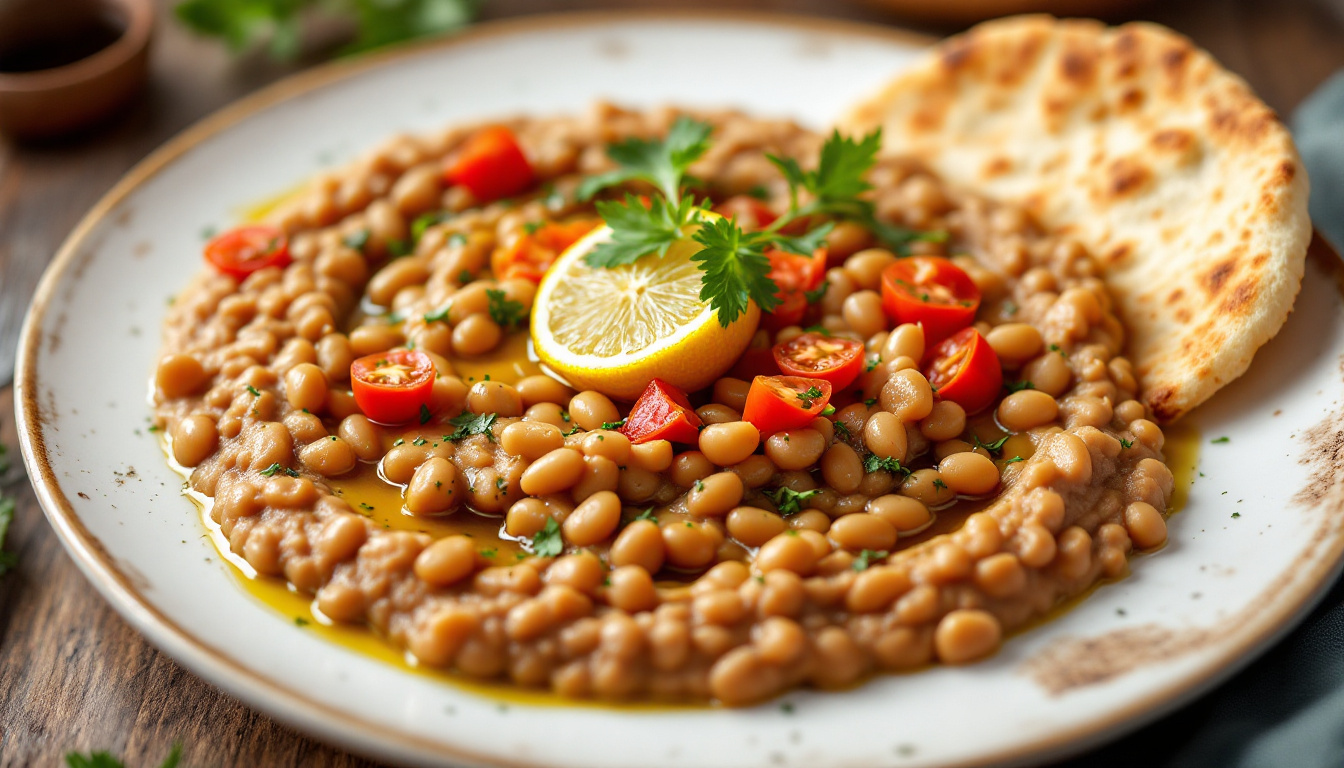
Ful medames is Cairo’s breakfast, fava beans slow-stewed overnight and mashed with olive oil, lemon, cumin, and garlic, then scooped up with warm baladi bread. Often dressed with tahini, tomato, chili, or a fried egg, it’s hearty, cheap, and everywhere, from dawn carts to the famous ful spots. Egyptians have eaten it for millennia, and it remains the fuel that starts the day. Filling and naturally vegan, a plate of ful with fresh bread is the most Egyptian meal of all.
Ta’ameya
Ta’ameya is Egypt’s falafel, and many argue the original: made from dried fava beans rather than chickpeas, it’s greener inside, fluffier, and often crusted with sesame seeds. Fried to order and eaten hot, it’s stuffed into baladi bread with salad, tahini, and pickles to make the classic breakfast sandwich, or served alongside ful. Crisp outside, soft within. It’s one of the great cheap pleasures of the city, and proof that Cairo does vegetarian street food as well as anywhere.
Hawawshi
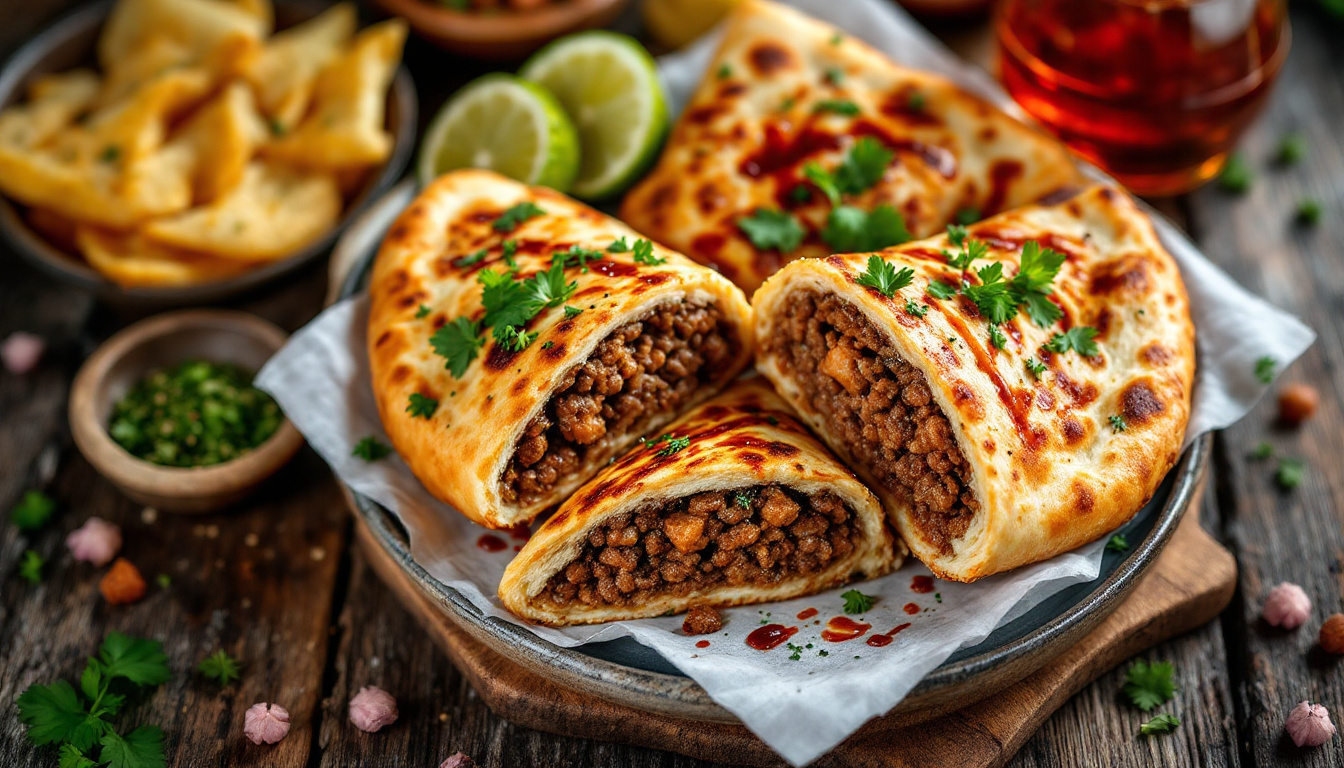
Hawawshi is spiced minced meat (beef or lamb with onion, chili, and parsley) packed inside baladi bread and baked or grilled until the bread crisps and the juices soak in. The result is somewhere between a stuffed pizza and a meat pie, eaten hot and messy. Cairo street stalls and grill houses each have their version, and El Refaay is a famous name for it. Savory, satisfying, cheap. It’s the city’s favorite handheld meat fix.
Molokhia
Molokhia is the green stew that divides and delights, made from finely chopped jute mallow leaves cooked into a thick, slightly viscous soup, sharpened with garlic and coriander fried in ghee (the ta’leya). It’s ladled over rice and usually served with rabbit, chicken, or meat. Earthy and deeply homey, it’s the Sunday-lunch comfort food of Egypt, the dish Cairenes grow up on. Try it at a traditional restaurant. The texture is unusual, but the flavor wins people over.
Mahshi
Mahshi means “stuffed,” and it covers a whole family of vegetables filled with herbed, spiced rice: vine leaves (wara’ enab), cabbage rolls, zucchini, peppers, eggplant, and tomatoes, simmered in tomato broth. Cooked slowly until soft and fragrant with dill, parsley, and mint, it is festive home cooking that also fills restaurant tables. Often vegetarian (the rice version), sometimes with minced meat, a mixed plate of mahshi is one of the most comforting and colorful meals in Cairo. Its great companion on the family table is macarona béchamel, Egypt’s baked pasta casserole of penne layered with spiced minced meat and a thick, golden béchamel, cut into squares like a savory cake and adored by every Cairo child.
Fattah
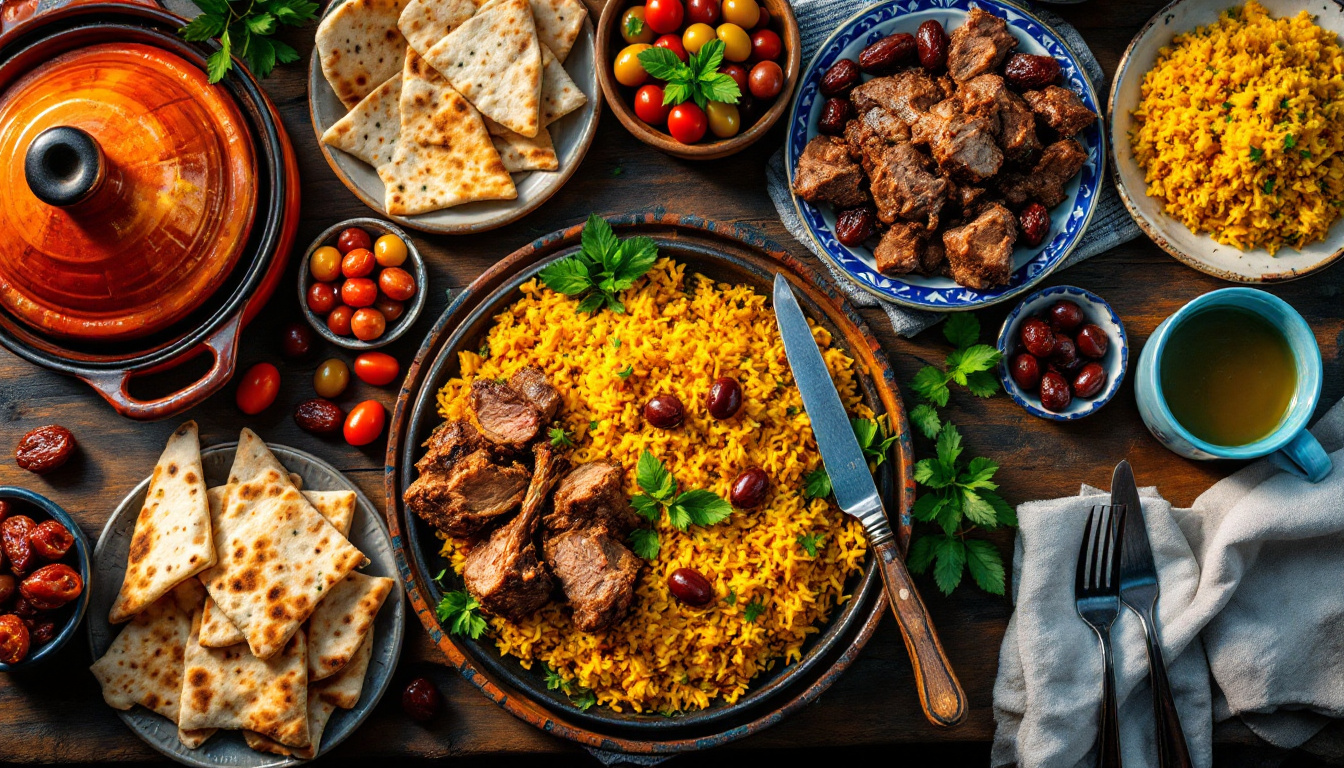
Fattah is Egypt’s great celebration dish, layers of crisp toasted bread and rice doused in a garlicky tomato-and-vinegar sauce and topped with chunks of boiled or fried meat. Rich, tangy, and heavy in the best way, it’s the centerpiece of Eid al-Adha and big family occasions, with roots stretching back to ancient Egypt. You’ll find it at traditional restaurants year-round. Hearty, festive food, the kind of dish that anchors a long, celebratory lunch.
Kebab and kofta
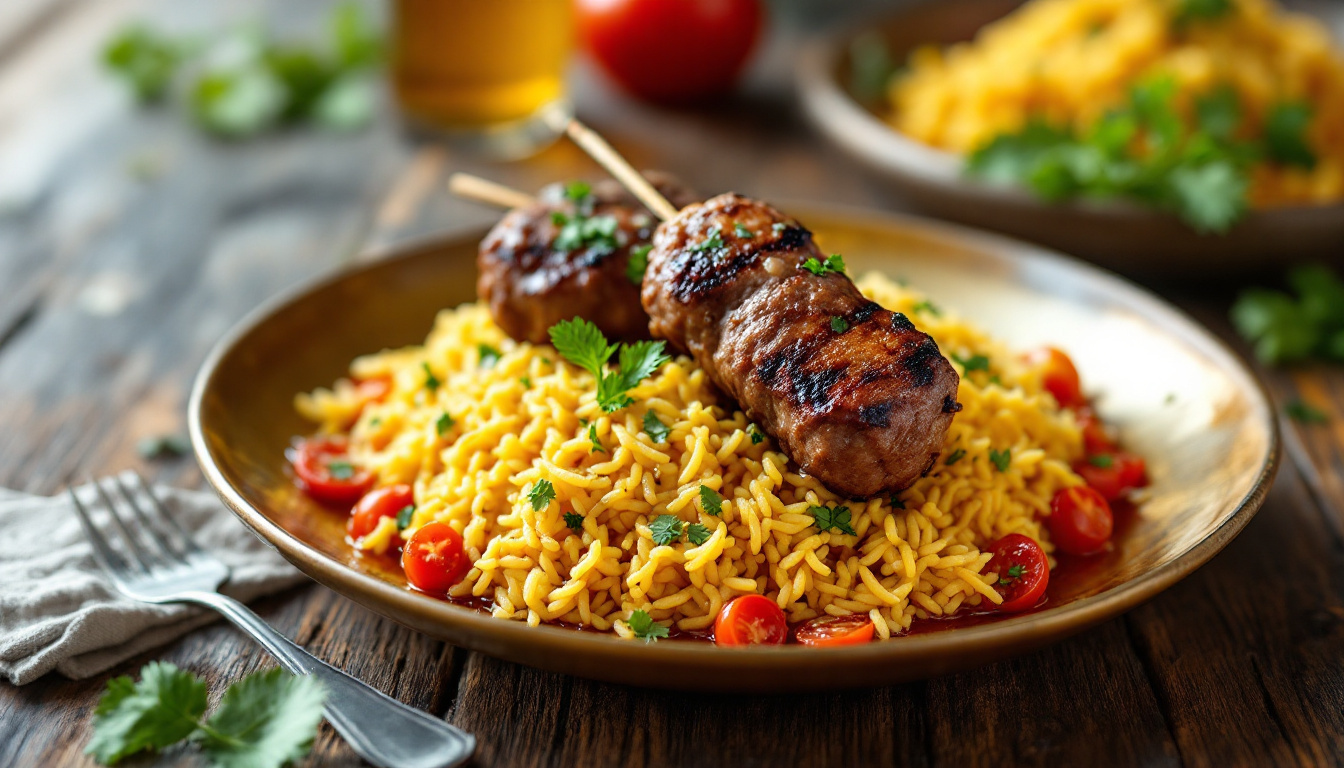
Cairo’s grill houses turn out superb charcoal-cooked kebab (chunks of marinated lamb or beef) and kofta (spiced minced meat molded onto skewers), served sizzling with baladi bread, tahini, grilled tomatoes, and salads. You often choose your meat by weight at the counter and watch it hit the coals. The grills around Sayeda Zeinab and the old city are legendary, with names like Sayed Hanafy and El Refaay. A grill feast is how Cairenes celebrate. Smoky, generous, built for sharing.
Hamam mahshi
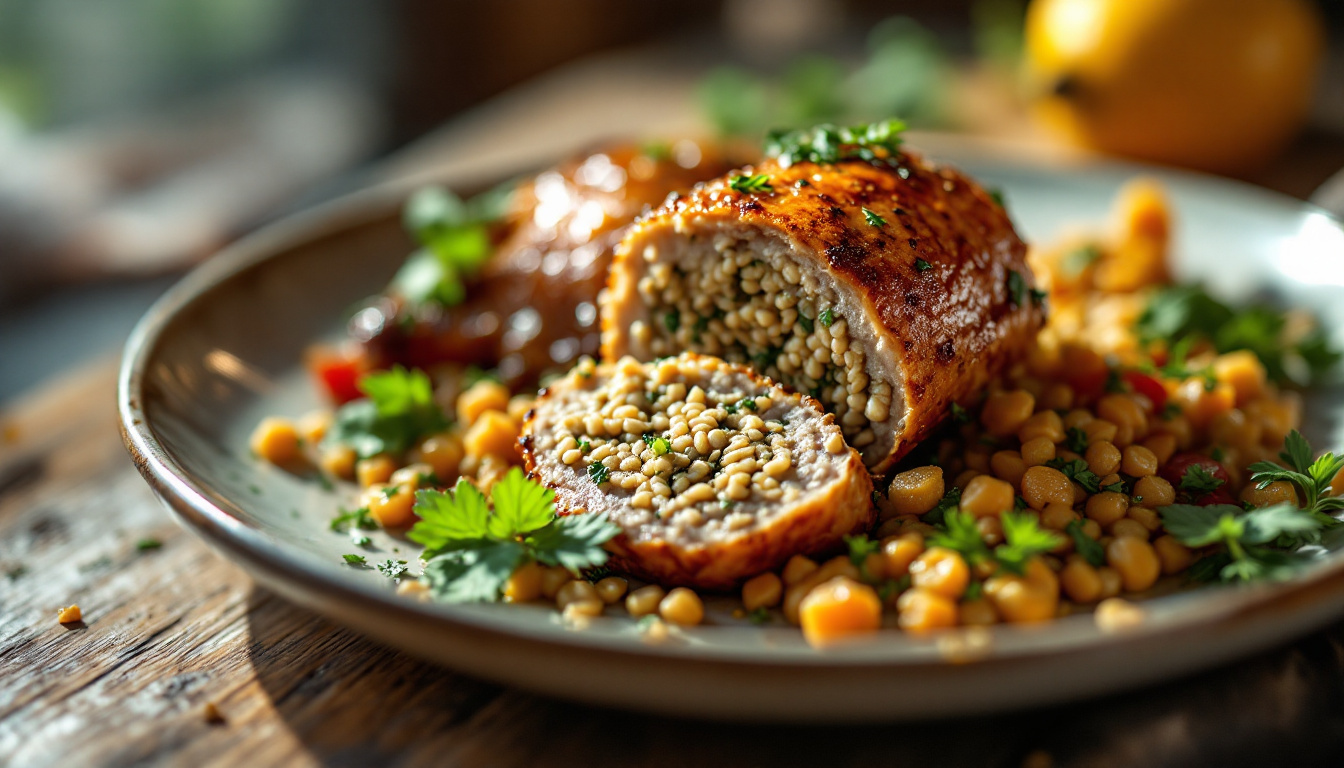
Hamam mahshi, stuffed pigeon, is Egypt’s great delicacy and a Cairo restaurant rite of passage. The small birds are packed with seasoned freekeh (green roasted wheat) or spiced rice, then grilled or roasted until the skin crisps and the stuffing drinks up the juices. There is little meat on a pigeon, so you eat with your hands and work for it, but the smoky, faintly gamey flavor and the nutty freekeh are the reward. Pigeons have been farmed in mud-brick dovecotes across the Delta for centuries, and the dish is what Cairenes order for a celebration. Famous pigeon houses like Farahat in Bulaq do little else.
Feteer meshaltet
Feteer meshaltet is Egypt’s flaky layered pastry, sometimes called Egyptian pancake or pizza, dough stretched paper-thin, folded with ghee many times over, and baked into a rich, buttery, golden pie. It comes plain (with honey, syrup, or cheese to dip), sweet (with cream and powdered sugar), or savory (stuffed with cheese, egg, or minced meat). Crisp, layered, indulgent, it’s a beloved treat from the countryside to the city, equally at home as breakfast, dessert, or a meal.
Kebda and street sandwiches
Cairo runs on sandwiches stuffed into baladi or soft rolls. The star is kebda eskandarani (Alexandrian-style liver), strips of beef liver fried hard with garlic, chili, and peppers, piled into bread, fiery and offaly and beloved. Alongside it sit sogo’ (spicy sausage), shawarma carved from the spit, and hearty egg or sausage sandwiches. Cheap, fast, and full of flavor, the street-sandwich carts are how the city eats on the move, day and night.
Kunafa, basbousa and om ali
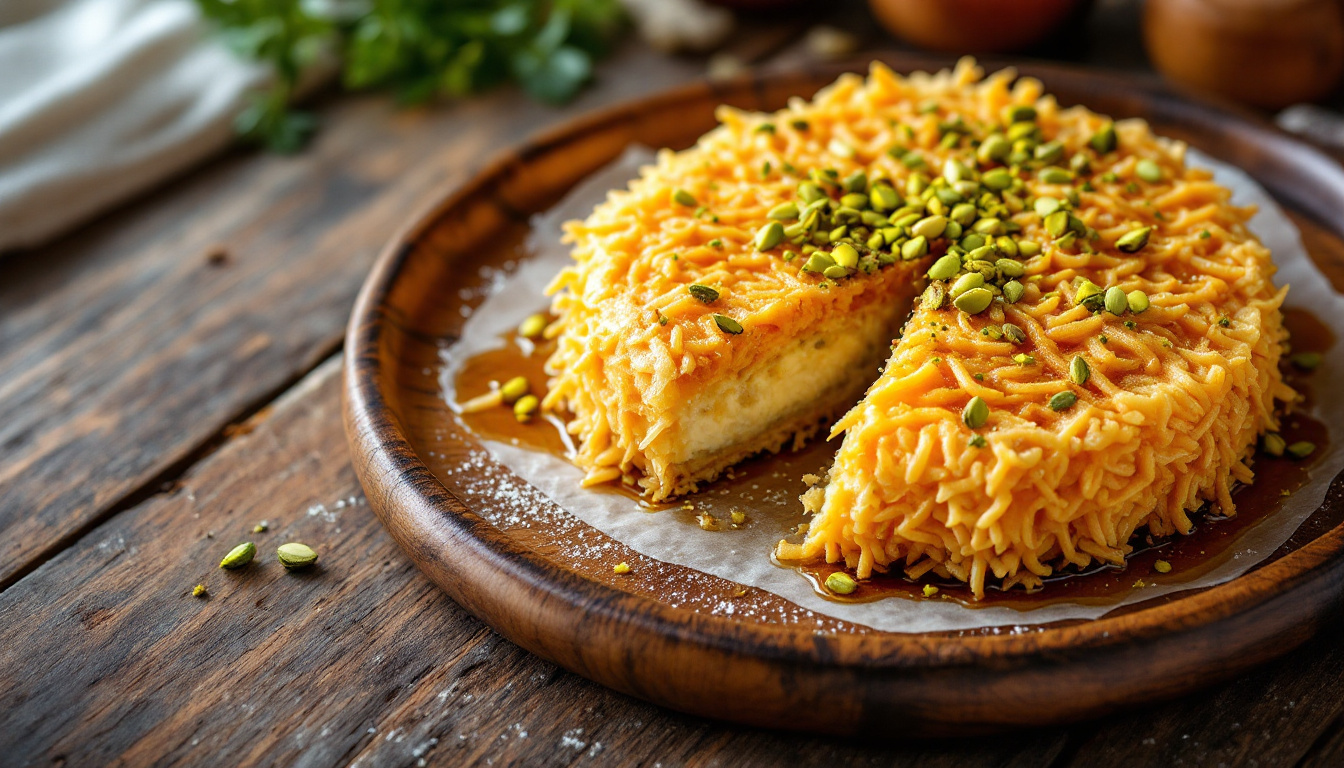
Cairo finishes sweet, and gloriously so. Kunafa is shredded pastry baked crisp over cream or nuts and soaked in syrup; basbousa is a dense semolina cake drenched in syrup; and om ali, Egypt’s signature dessert, is a warm bread-and-pastry pudding baked with milk, cream, nuts, and raisins. Add to them sticky qatayef during Ramadan and date-filled cookies at feasts. The pastry shops glow with trays of syrup-soaked sweets, and a plate with tea is the perfect end to a Cairo meal.
Sugarcane juice and Cairo drinks
The street drinks are half the fun. Asab (fresh sugarcane juice), pressed to order at bright juice bars, is the iconic Cairo refresher, frothy and intensely sweet. Karkade (cold or hot hibiscus tea) is tart and ruby red, sahlab is a warm, thick orchid-root milk drink topped with nuts in winter, and tamr hindi (tamarind) and sob’ya cool the summer. With them comes endless sweet shai (tea) and thick Turkish-style ahwa (coffee). The juice and tea stands are woven into daily life here.
Where to eat: Downtown, Khan el-Khalili and the old city
The best food in Cairo is spread across a sprawling, chaotic city, from downtown koshari counters to the grills of the old quarters. Knowing where to head makes all the difference. Here’s the map.
Downtown Cairo, with its faded belle-epoque grandeur, is koshari and ful country. This is home to Abou Tarek, the city’s most famous koshari house, along with old ful and ta’ameya spots, juice bars, and historic cafes. The streets are dense with cheap, brilliant eats, and easy to explore on foot. Come hungry. Eat a bowl of koshari standing at the counter, and graze your way between the sandwich and juice stands.
The medieval bazaar of Khan el-Khalili and the surrounding Islamic Cairo are the atmospheric old heart, where you can sip mint tea and smoke shisha at El Fishawy, a cafe open for over two centuries. Among the alleys and mosques are grills, pastry shops, and stalls selling everything from sandwiches to sweets. It is touristy but genuinely historic, and a wonderful place to rest with tea and a plate of sweets between the sights.
Sayeda Zeinab and the older, working-class quarters are where the famous charcoal grills smoke, with legendary kebab and kofta houses and offal sandwich stalls drawing crowds late into the night. This is local, no-frills Cairo at its most delicious, where you order meat by weight and eat it fresh off the coals. For grilled meat and a real taste of how the city eats, the old districts beat the smart ones. Every time.
Zamalek, the leafy island district, along with Maadi and the newer suburbs, is where modern Cairo eats, with cafes, international restaurants, smarter Egyptian spots, and river views over the Nile. It is calmer and pricier than downtown, good for a sit-down meal, a coffee, or a felucca-side dinner. For polished versions of Egyptian classics and a break from the street, these greener neighborhoods are the place.
What to drink in Cairo
Cairo drinks tea, coffee, and fresh juice, all cheap and everywhere. Shai (sweet black tea, often with mint) is the social glue, poured from morning to midnight, while ahwa (thick, unfiltered Turkish-style coffee) is sipped slowly at the old cafes. The street refreshers are the real treat: asab (sugarcane juice) pressed fresh, ruby-red karkade (hibiscus), warm sahlab in winter. Mango, guava, and other fresh juices crowd the bars in summer. Egypt is largely a dry-leaning culture, but the local Stella and Sakara beers and Egyptian wines are available in many restaurants and bars.
- Much of the best food is vegetarian and vegan (koshari, ful, ta’ameya, mahshi), making Cairo easy for plant-based eaters.
- Cash is king at street stalls; carry small EGP notes, as cards are rare and change is tight.
- Bread (baladi) comes with almost everything and is used as a utensil to scoop.
- Tipping (baksheesh) is part of life; round up or add about 10 percent at restaurants.
- Eat with the right hand, and expect generous hospitality; refusing food or tea can seem unfriendly.
Frequently asked questions
What food is Cairo known for?
Cairo is known for koshari (the national bowl of rice, lentils, pasta, chickpeas, fried onions, and tomato sauce), ful medames (stewed fava beans) and ta’ameya (fava-bean falafel) for breakfast, hawawshi (spiced meat baked in bread), molokhia (jute-leaf stew), grilled kebab and kofta, and sweets like kunafa and om ali. It is one of the world’s great cheap street-food cities.
What is koshari?
Koshari is Egypt’s national dish, a hearty vegan bowl of rice, brown lentils, and macaroni topped with spiced chickpeas, a tangy tomato sauce, garlicky vinegar, and crisp fried onions, with chili sauce added to taste. Cheap, filling, and addictive, it is the signature street food of Cairo. Abou Tarek downtown is the most famous place to try it.
Is Cairo good for vegetarians?
Yes, Cairo is excellent for vegetarians and vegans. Many of its staples are plant-based: koshari, ful medames, ta’ameya, the rice version of mahshi (stuffed vegetables), and plenty of bread, salads, and pickles. Much of the best and cheapest street food contains no meat at all, so plant-based travelers eat very well and very cheaply here.
How much does food cost in Cairo?
Cairo is one of the world’s cheapest food cities. A bowl of koshari is around EGP 30-70 (under $1.50), a ful or ta’ameya sandwich just EGP 15-40, and a generous grill feast of kebab and kofta perhaps EGP 200-450 per person. Street drinks like sugarcane juice cost a few pounds. Carry small cash, as the best stalls do not take cards.
Is street food in Cairo safe to eat?
Street food in Cairo is a highlight and generally safe if you choose busy stalls with high turnover, where food is cooked fresh and hot. Drink bottled water, be cautious with ice and raw salads washed in tap water, and ease into rich dishes like liver sandwiches. Following the local crowds is the best guide to where to eat well and safely.
What should I drink in Cairo?
Drink fresh sugarcane juice (asab) pressed at street bars, tart red karkade (hibiscus tea), and endless glasses of sweet mint shai (tea). Thick Turkish-style ahwa (coffee) is sipped at the old cafes, and warm sahlab is a winter treat. In summer, fresh mango and guava juices are everywhere. Local Stella and Sakara beers are available in many restaurants.
More food guides waiting for you
Browse our complete collection of Middle East and African food guides.