Ropa vieja in a Havana paladar, roast pork with mojo, the original Cuban sandwich, and a mojito where Hemingway drank his: a guide to what to eat in Cuba, where to find it, and how dining really works on the island.
The best food to eat in Cuba is honest, garlicky comfort food, and eating well here is as much about where you go as what you order. Cuban cooking, comida criolla, is a Spanish, African, and Caribbean blend built on pork, rice, beans, and citrus, not chili heat. The catch is that decades of shortages mean the state restaurants are hit or miss and the menu depends on what arrived that week. Eat at the private paladares, talk to the cook, and you will eat far better than the island’s reputation suggests.
Why Cuban food is about more than rice and beans
Cuban food is a Spanish, African, and Caribbean fusion that rewards knowing where to eat, not just what to order. The cooking, called comida criolla, leans on pork, rice, black beans, root vegetables, and the bright garlic-and-sour-orange marinade called mojo. It is slow-cooked, savory, and mild; chili almost never appears. Ropa vieja is the national dish, but the most-eaten plate is the simple rice and beans of moros y cristianos.
The honest part most guides skip is supply. Decades of economic hardship and shortages mean ingredients come and go, and a menu printed on the wall does not guarantee the kitchen has any of it today. State-run restaurants can be slow and uneven. The food revolution of the last fifteen years has been the rise of paladares, privately run restaurants, often in someone’s home, where the cooking is personal, the owner is present, and the quality is far higher.
For a traveler, that means two rules. Eat at paladares whenever you can, and stay flexible about what is actually available. Do those two things and Cuba feeds you well. This guide runs through the dishes that define the island, then explains how dining actually works. It sits alongside our wider guide to the best food in the Americas.
The best food to eat in Cuba, dish by dish
These are the 13 dishes and staples I tell every first-timer to seek out in Cuba, with a rough 2026 price in US dollars, the currency most useful to carry. Prices are for paladares and casual spots; state cafeterias can be cheaper but less reliable.
Ropa vieja
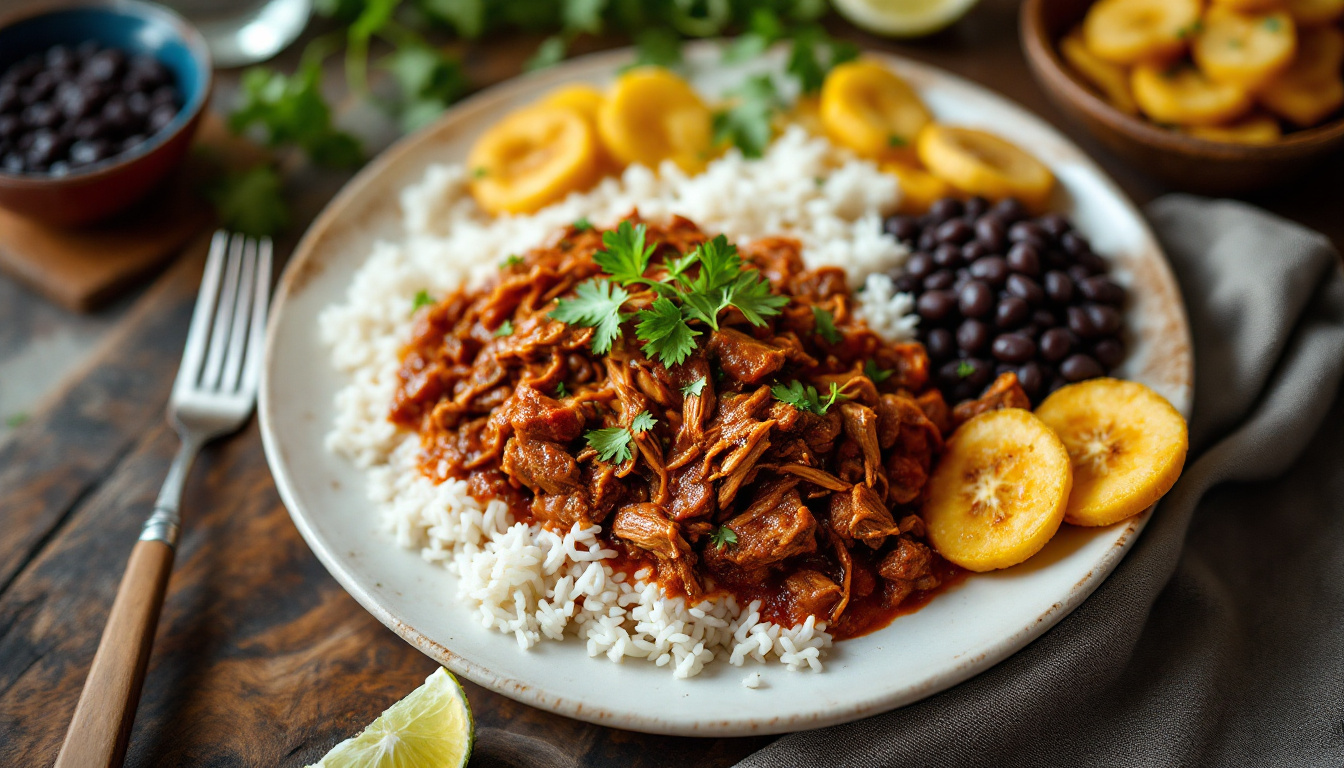
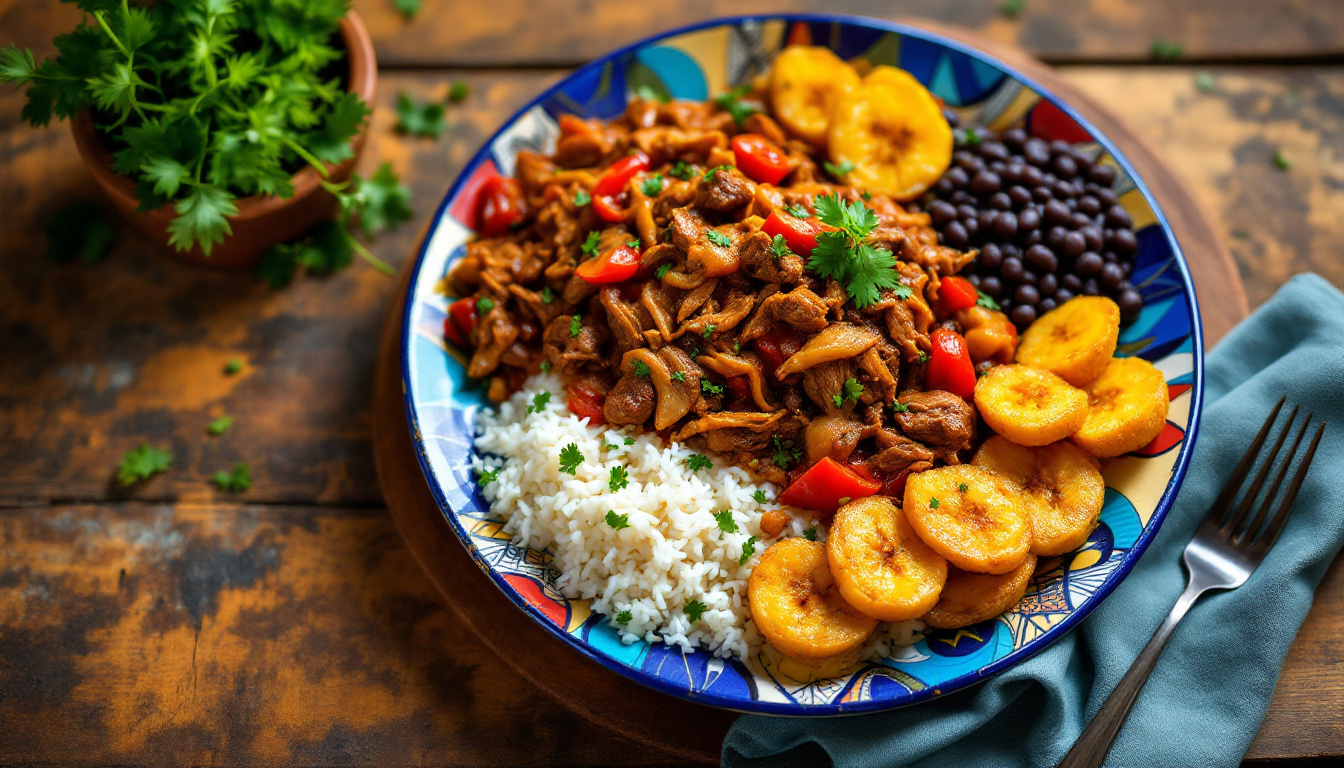
Ropa vieja is shredded beef slow-cooked with tomatoes, peppers, onions, and wine until meltingly tender, and it is Cuba’s national dish. The name means “old clothes,” after the way the frayed strands of beef look in the pot. It comes with white rice, black beans, and fried plantain, the classic criollo plate. Almost any paladar serving home-style food does a reliable version, and a good one is deeply savory rather than spicy.
Lechón asado pork with mojo
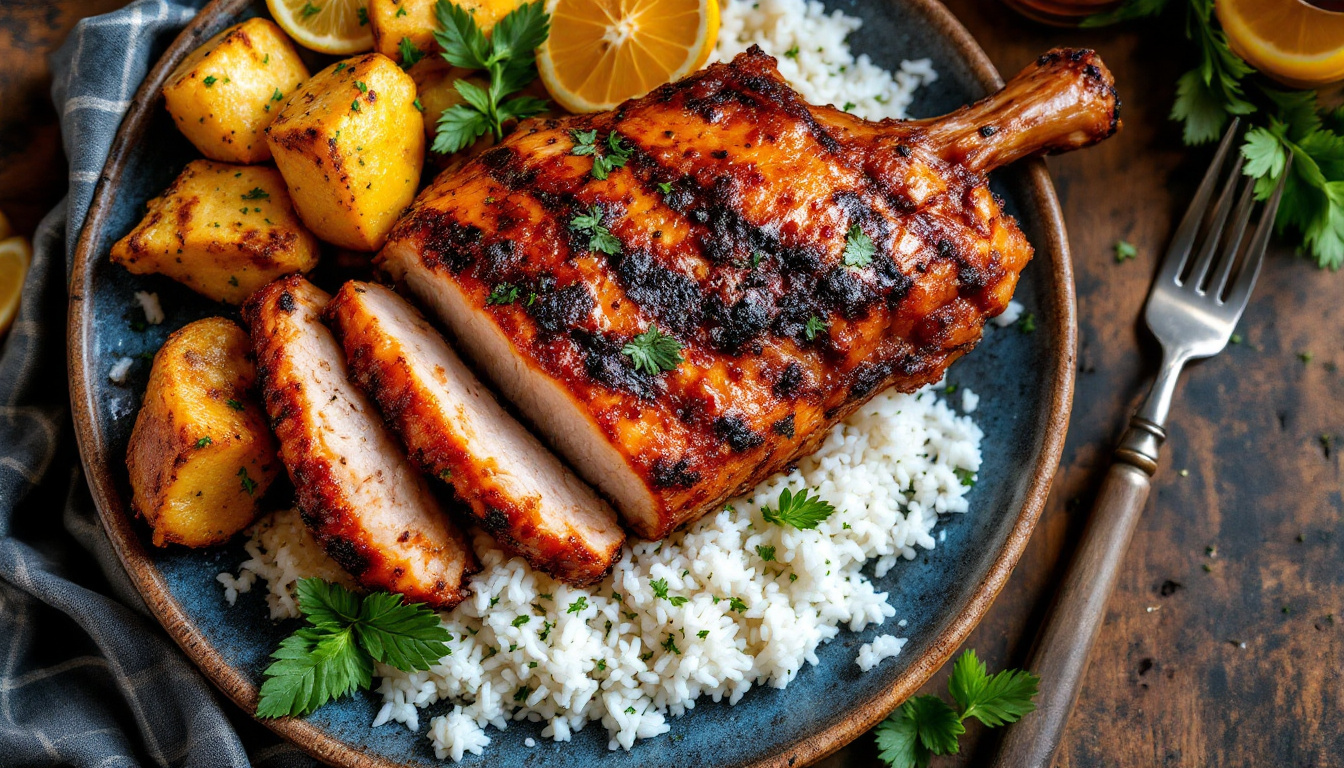
Lechón asado is pork slow-roasted until the meat falls apart and the skin crisps, marinated in mojo, a punchy sauce of garlic, sour orange, and oregano. It is the centerpiece of every Cuban celebration, above all Nochebuena on Christmas Eve, when whole pigs roast in backyard pits across the island. Served with moros y cristianos and yuca con mojo, it is the heart of Cuban home cooking. The crackling is the prize everyone fights over.
Moros y cristianos congrí
Moros y cristianos is black beans and white rice cooked together in one pot with garlic, cumin, and a little pork fat, and it is the dish Cubans eat most. The name, “Moors and Christians,” is a nod to the contrast of black beans and white rice. In eastern Cuba the same idea, often made with red beans, is called congrí. It is the default side to almost every meal, and a well-seasoned version is far more than the sum of its parts.
Picadillo
Picadillo is ground beef simmered with tomato, onion, garlic, olives, raisins, and capers, a sweet-savory hash that is pure Cuban home cooking. The olives and raisins together are the signature, a Spanish-Moorish touch that balances salty and sweet. It is served over white rice, often with fried plantain and a fried egg on top. Cheap, comforting, and on every family table, it is the weeknight dinner of the island.
Vaca frita
Vaca frita is ropa vieja’s crispy cousin: the same shredded beef, but pan-fried hard with onions until the edges go brown and crunchy, then finished with lime and garlic. The name means “fried cow.” Where ropa vieja is saucy and soft, vaca frita is dry, charred, and intense, with a hit of citrus at the end. A pork version, masas de puerco fritas, follows the same idea. Order it when you want texture and a sharper bite.
Cuban sandwich el cubano
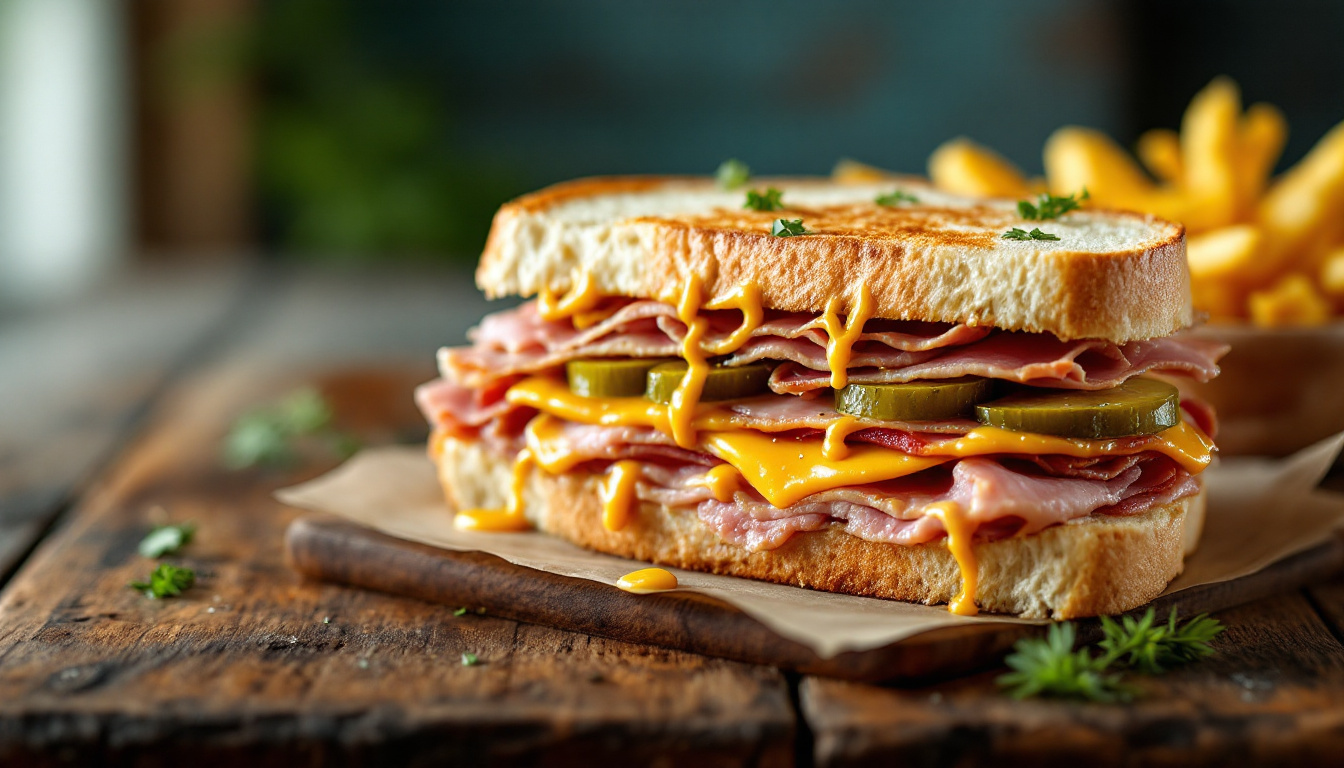
The Cuban sandwich is roast pork, ham, Swiss cheese, pickles, and mustard pressed flat in Cuban bread until the cheese melts and the crust crisps, and it is the island’s most famous export. Its modern fame was built by Cuban communities in Tampa and Miami, where it became an icon, so the version you eat in Florida and the one in Havana differ slightly. Either way it is the perfect cheap lunch. Skip any place that adds mayonnaise or lettuce; the classic is clean and simple. Its night-owl cousin is the medianoche (“midnight”), the same roast pork, ham, Swiss, pickles and mustard but pressed inside a soft, slightly sweet egg roll instead of crusty Cuban bread, traditionally eaten after a night out.
Tostones and plátanos maduros
Tostones and plátanos maduros are the two faces of the plantain, and one of them lands on nearly every Cuban plate. Tostones are green plantains fried, smashed flat, and fried again until crisp and savory, served with a garlic mojo for dipping. Maduros are ripe plantains fried until caramelized, soft, and sweet. Together they cover both ends of the spectrum, and a good criollo meal often comes with one or the other alongside the rice and beans.
Yuca con mojo
Yuca con mojo is boiled cassava drenched in a warm garlic, citrus, and olive-oil sauce, and it is the side that shows what mojo can do. The yuca turns soft and slightly sweet, and the sharp garlic-and-sour-orange dressing soaks right in. It is a staple of the criollo table, especially alongside roast pork, and a reminder that the best Cuban cooking gets huge flavor from a short list of cheap ingredients. Vegetarians can build a meal around it.
Croquetas and Cuban snacks
Croquetas are small, creamy ham or chicken fritters fried golden, and they anchor Cuba’s lineup of cheap snacks. Alongside them you will find pan con lechón (a roast pork sandwich), empanadas, and pastelitos, flaky pastries filled with guava and cheese. These are the bites sold from windows, cafeterias, and street counters for a dollar or two, the food that keeps the island fed between meals. The guava-and-cheese pastelito is the one to try first.
Arroz con pollo
Arroz con pollo is chicken and rice cooked together with peppers, tomato, and beer until everything turns golden and the flavors meld, and it is Cuban one-pot comfort food. The Spanish-rooted dish is colored with achiote or saffron and studded with peas and pimento. It is a Sunday and family-gathering plate, generous and inexpensive, made to feed a crowd from a single pot. A squeeze of lime at the end lifts the whole thing.
Langosta and seafood
Cuban langosta, the Caribbean spiny lobster, is the island’s seafood splurge, usually grilled or cooked in garlic (enchilada de langosta). For an island, Cuba eats surprisingly little fish day to day, partly due to old restrictions, so seafood is more a tourist treat than everyday food. Lobster and shrimp turn up at paladares and coastal towns at prices that are high for Cuba but low by Western standards. Buy it from a licensed paladar rather than an informal seller.
Tamal en cazuela and criollo stews
Tamal en cazuela is a soft cornmeal-and-pork porridge, like a tamale taken out of its husk and cooked in a pot, and it sits among Cuba’s comforting criollo stews. Alongside it is ajiaco, a hearty stew of meats, root vegetables, and corn that is one of the oldest dishes on the island, with indigenous Taíno roots. These slow-cooked, one-pot meals are the backbone of rural and home cooking, less flashy than ropa vieja but just as Cuban.
Flan and Cuban desserts
Flan, the silky caramel-topped custard, is the dessert you will see most in Cuba, and it ends a criollo meal perfectly. Around it sits a sweet tradition shaped by the island’s sugar: arroz con leche (cinnamon rice pudding), the guava-and-cheese pastelito, dulce de leche, and natilla, a soft vanilla custard. Cubans have a serious sweet tooth, and even in lean times dessert and strong coffee close out the meal. The flan is almost always a safe bet.
How dining works in Cuba: paladares, state restaurants and scarcity
Eating well in Cuba comes down to choosing paladares over state restaurants and carrying cash. The island’s dining scene runs on a few realities that catch visitors off guard, so it helps to know how it actually works before you sit down.
- Paladares are the best food. These privately run restaurants, often in a family home, offer the freshest, most personal cooking. Havana names worth booking include La Guarida, Doña Eutimia near the cathedral, and San Cristóbal for old-school criollo plates.
- State restaurants are uneven. Government-run spots can be slow, understocked, and indifferent. They are not all bad, but the odds are better at a paladar.
- The menu is a wish list. Shortages mean a kitchen may be out of half its card on any given day. Ask what they actually have rather than ordering from the menu cold.
- Bring cash. Cards from many countries do not work, and US cards generally do not work at all. Carry euros or US dollars and change as needed; prices for visitors are increasingly quoted in hard currency.
- Regional note. Havana has the most paladares and variety, while eastern Cuba (Oriente, around Santiago) leans more African and Caribbean, with congrí and a touch more spice than the west.
What to drink in Cuba
Cuba’s signature drinks are rum cocktails and strong coffee, and both are cheap and excellent on the island. Cuban rum is world-class, and the classic cocktails were invented here, so this is the place to drink them properly.
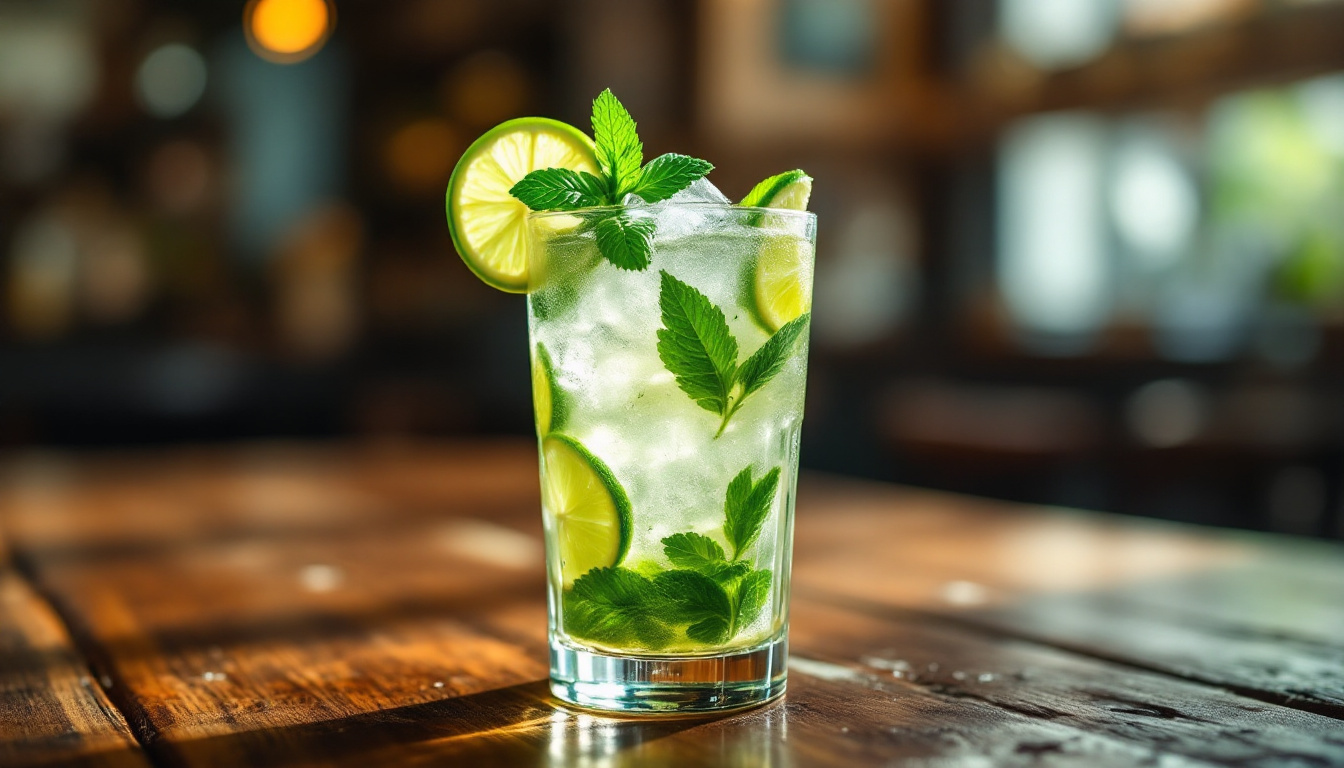
- Mojito, white rum, lime, sugar, mint, and soda, famously associated with Havana’s La Bodeguita del Medio. Refreshing and everywhere.
- Daiquiri, rum, lime, and sugar shaken or frozen, the cocktail Hemingway drank at El Floridita in Havana.
- Cuba libre, rum and cola with lime, the simple highball born on the island.
- Café cubano, a sweet, strong espresso; the cortadito adds a little milk, and a colada is a shared takeaway cup. The fuel of every Cuban morning.
- Guarapo and rum, fresh-pressed sugarcane juice from a street stand, and Havana Club rum sipped neat or aged for the good stuff.
- Paladares (private) almost always beat state-run restaurants for quality and freshness.
- Tip around 10 percent in cash; it is a meaningful part of staff income.
- Menus change daily with supply, so ask what is actually available.
- Vegetarians have a harder time; lean on rice and beans, yuca con mojo, tostones, eggs, and avocado, and ask paladares to adapt a dish.
- Cuban food is mild, so do not expect heat; the flavor comes from garlic, citrus, and slow cooking.
Frequently asked questions
What is the most popular and famous Cuban food?
The most famous and most popular Cuban foods are ropa vieja (the national dish), lechón asado, moros y cristianos, the Cuban sandwich and croquetas. Everyday plates pair rice, black beans and pork or chicken, and Cuba is just as famous for its drinks, the mojito, daiquiri and Cuba libre, all built on Cuban rum.
What is Cuba’s national dish?
Ropa vieja, shredded beef slow-cooked in a tomato and pepper sauce, is widely considered Cuba’s national dish. It is served with white rice, black beans, and fried plantain. The most commonly eaten everyday food, however, is the simple combination of black beans and rice known as moros y cristianos, and roast pork (lechón asado) is the classic celebration dish.
Is Cuban food spicy?
No, Cuban food is not spicy. It is seasoned with garlic, cumin, oregano, sour orange, and onion rather than chili, and dishes are savory and mild. The signature flavor is mojo, a garlic-citrus marinade. Visitors expecting Caribbean heat are often surprised by how gentle and comforting Cuban cooking is.
Is it hard to eat well in Cuba?
It can be, if you rely on state-run restaurants, which are often understocked and uneven. The key is to eat at paladares, the privately run restaurants (often in family homes) that offer the freshest and most personal cooking. Shortages mean menus change daily, so ask what the kitchen actually has. Do that and you will eat very well.
What is a paladar?
A paladar is a privately owned restaurant in Cuba, frequently run out of a family home, as opposed to a state-run establishment. Since private dining expanded, paladares have driven Cuba’s food revival, offering better quality, fresher ingredients, and more personal service. In Havana, well-known paladares include La Guarida, Doña Eutimia, and San Cristóbal.
Is the Cuban sandwich actually Cuban?
The Cuban sandwich has roots in Cuba but built its modern fame in Florida. Made of roast pork, ham, Swiss cheese, pickles, and mustard pressed in Cuban bread, it was popularized by Cuban communities in Tampa and Miami in the 20th century. You will find versions on the island, but it is as much a Cuban-American icon as a Havana street food.
Where can vegetarians eat in Cuba?
Vegetarians have a harder time in meat-heavy Cuba but can eat well with planning. Staples like moros y cristianos (rice and beans), yuca con mojo, tostones, plátanos maduros, eggs, rice, and avocado are widely available, and paladares will often adapt a dish on request. Larger Havana paladares increasingly offer vegetarian options. Confirm that rice and beans were not cooked with pork if you are strict.
Should I carry cash in Cuba?
Yes, carry cash. Many foreign bank cards do not work in Cuba and US-issued cards generally do not work at all, so bring euros or US dollars and budget on the assumption that ATMs may be unreliable. Hard currency is increasingly used for tourist prices, and a cash tip of around 10 percent is appreciated by restaurant staff.
More food guides waiting for you
Browse our complete collection of food guides across the Americas.