Smoky khorovats off the grapevine embers, paper-thin lavash from a clay tonir, stuffed grape-leaf dolma, and apricots and pomegranates everywhere: a guide to the ancient food culture of Armenia, one of the world’s oldest.
The best food to eat in Armenia comes from one of the oldest continuous food cultures on Earth, where bread is baked in clay pits the way it was thousands of years ago and the world’s earliest known winery sits in a cave. Armenian cooking is a Caucasus and Anatolian table built on grilled meat, herbs, dried fruit, and an almost spiritual reverence for bread, fruit, and family feasting. It shares dishes with Turkey, Georgia, and the Levant. But the apricot orchards, the lavash, and the brandy are gloriously its own.
Why Armenia has one of the world’s oldest food cultures
Armenia has one of the world’s oldest food cultures because it has been farming, baking, and making wine in the same highlands for thousands of years. The world’s oldest known winery, around 6,100 years old, was found in a cave at Areni, and lavash bread is so central to identity that UNESCO recognized it as Intangible Cultural Heritage. This is a cuisine of deep ritual and ancient technique. It’s closest in spirit to its neighbors in our guide to the best food in Africa and the Middle East.
The food is a Caucasus and Anatolian table: grilled meat (khorovats is practically a national sport), stuffed vegetables and leaves, herbs by the bunch, dairy, and an extraordinary love of fruit, above all the apricot, Armenia’s national fruit, and the pomegranate. It shares dolma, lahmajoun, baklava, and basturma with Turkey, the Levant, and neighboring Iran, a legacy of the region and the worldwide Armenian diaspora. This guide runs through the dishes that define the country, then the regions and drinks behind them.
The best food to eat in Armenia, dish by dish
These are the 14 dishes I tell every visitor to seek out, the most popular and typical food to eat in Armenia, with a rough 2026 price and what makes each matter. Prices are in Armenian dram (AMD), with the dollar figure at roughly AMD 400 to USD 1.
Khorovats
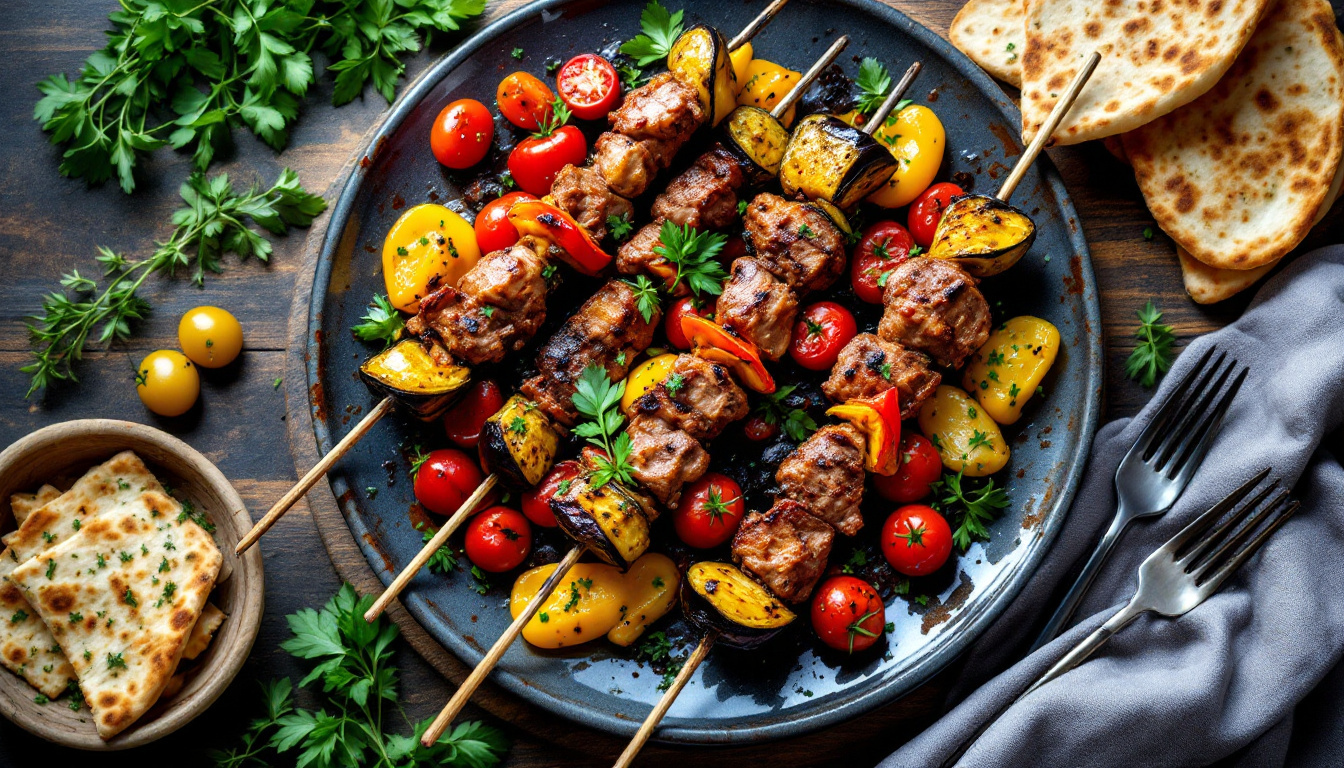
Khorovats is Armenian barbecue, and it’s closer to a national obsession than a dish. Chunks of pork, lamb, beef, or chicken are marinated with onion and spices, skewered, and grilled over grapevine embers, which give a distinctive sweet smoke. Whole vegetables (eggplant, peppers, tomatoes) are grilled alongside and mashed into a smoky dip called khorovats-style salad. It’s the centerpiece of every family gathering and weekend in the countryside, cooked by the men with great ceremony. Eat it wrapped in lavash with raw onion and herbs.
Lavash
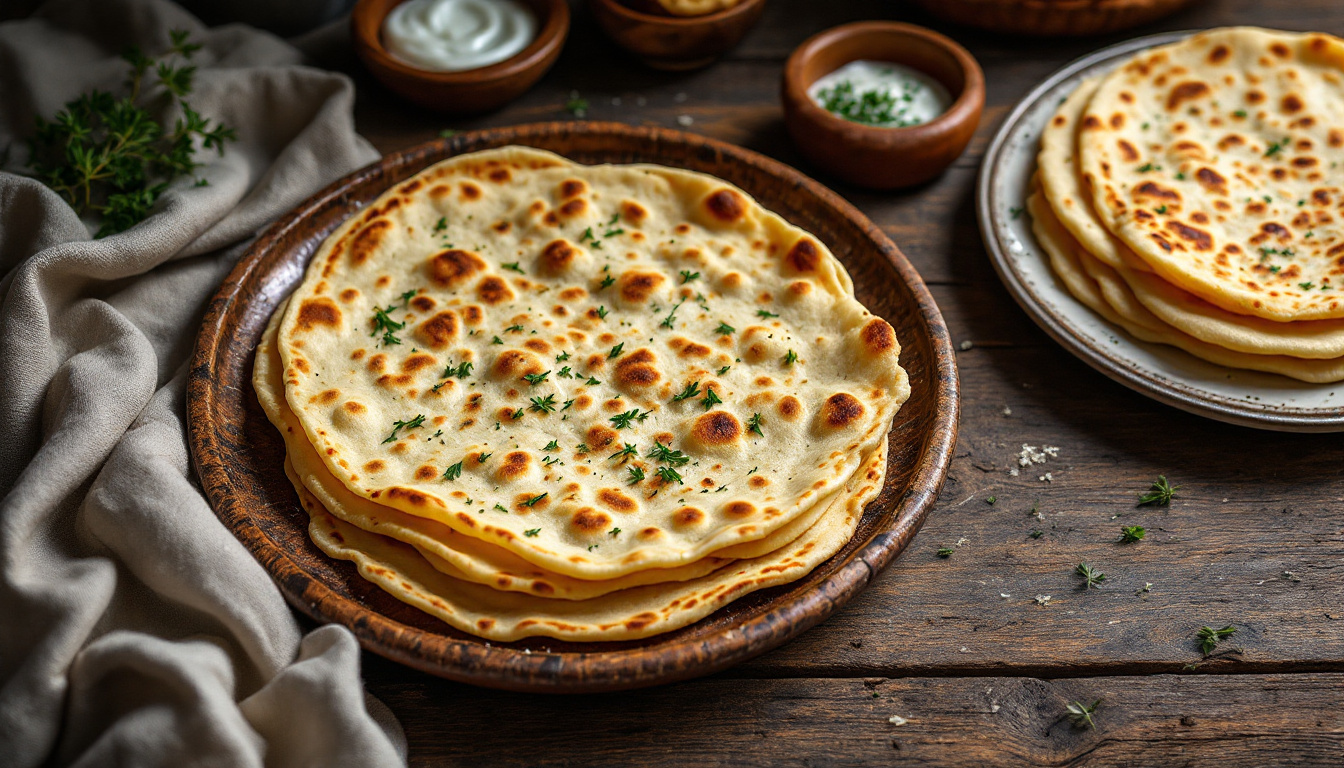
Lavash is the soft, paper-thin flatbread that is the foundation of the Armenian table, baked by slapping the dough onto the wall of a clay tonir pit oven. It’s so central to the culture that UNESCO lists it as Intangible Cultural Heritage, and the communal baking of it is a tradition passed down through generations of women. It wraps khorovats and cheese, it scoops, and it even gets dried and stored for months. Watch it baked fresh and eat it warm. That part’s essential.
Dolma tolma
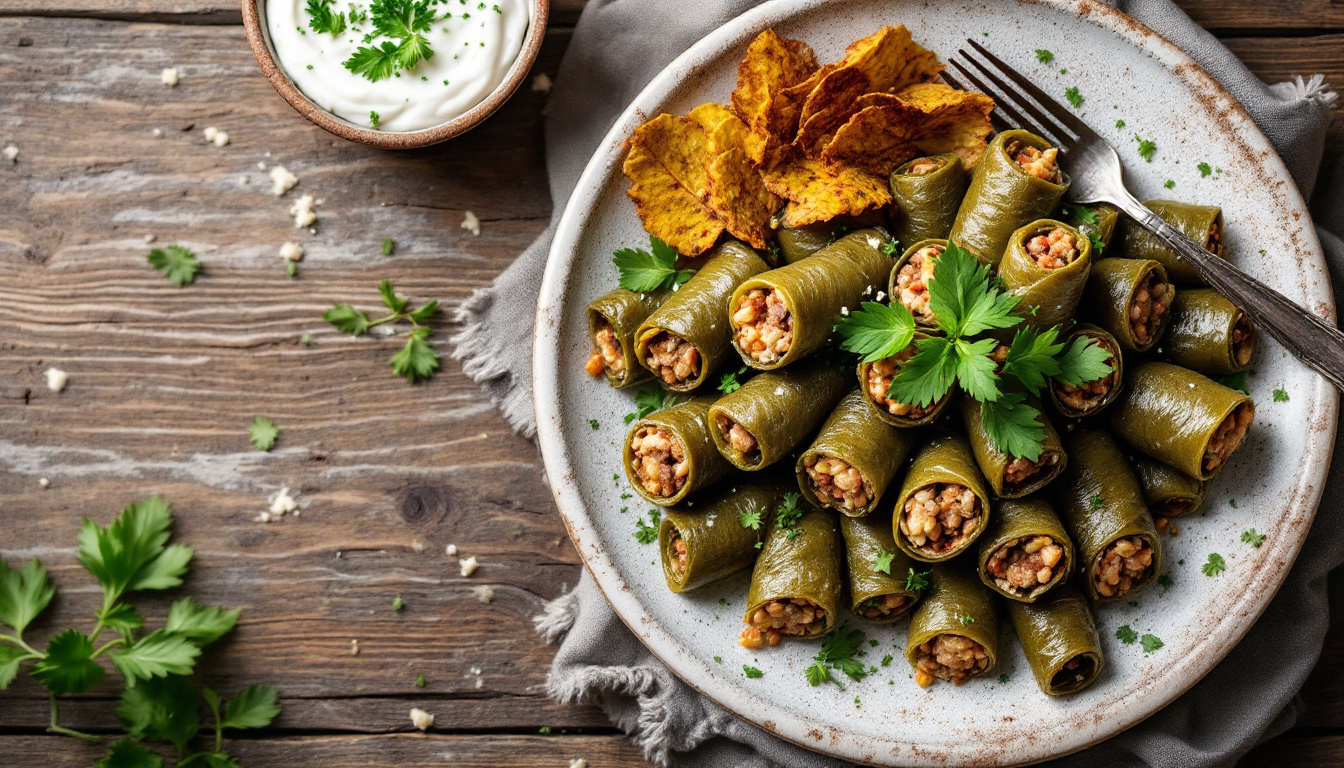
Dolma (tolma) is widely considered the national dish of Armenia, minced lamb or beef mixed with rice, fresh mint, and herbs, wrapped in grape leaves and slow-cooked. In summer it’s also made with the leaves; in the harvest season comes the famous pasuts tolma, a meatless version stuffed into cabbage, peppers, and other vegetables for fasting periods. Served with a garlicky yogurt sauce (matsun), it’s the dish of celebration and family, and Armenia even holds a dolma festival.
Harissa
Harissa is a thick, comforting porridge of dried cracked wheat (korkot) and fatty meat, usually chicken, beaten together for hours until smooth, and it’s one of Armenia’s most ancient and emotionally loaded dishes. Note this is the porridge, not the North African chili paste of the same name. It’s tied to ritual and remembrance, especially to the Armenian Genocide commemoration, and is cooked communally in huge pots at gatherings. Plain and nourishing, it carries enormous cultural weight.
Khash
Khash is a hearty winter broth made from slowly boiled cow’s feet and tendons, served with mountains of dried lavash, raw garlic, and shots of vodka, and it’s more a ritual than a meal. Traditionally eaten early on cold winter mornings among friends, it’s an acquired taste built around the ceremony: crumble the lavash, mash in garlic, drink the broth, repeat. One of the most authentic and bonding experiences in Armenian food culture. Far from a tourist dish.
Basturma and sujukh
Basturma is air-cured beef coated in a thick, pungent paste of fenugreek, garlic, cumin, and paprika, then dried and sliced wafer-thin, and it’s the prince of Armenian cured meats. Intense, salty, aromatic. You eat it with bread and eggs or as part of a spread. Its cousin sujukh is a dry, spiced sausage. Both are sold at markets and have traveled the world with the Armenian diaspora. A few slices of good basturma are pure umami, a little going a long way.
Lahmajoun
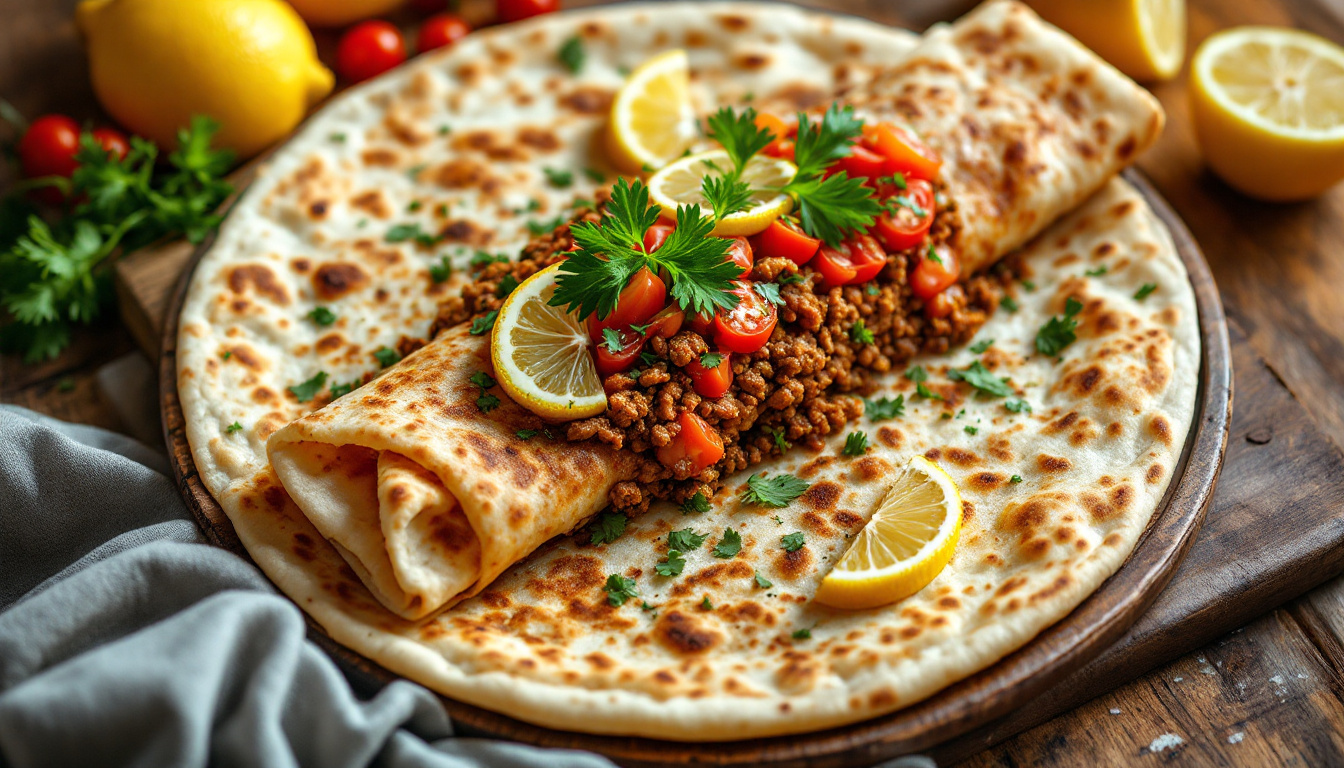
Lahmajoun is Armenia’s thin, crisp flatbread spread with a layer of spiced minced meat, tomato, and herbs, often called “Armenian pizza,” though it’s thinner and lighter. You squeeze lemon over it, sometimes roll it with parsley and onion inside, and eat it folded as a quick, cheap meal. Shared with Anatolian and Levantine cooking, it’s a diaspora favorite and a staple of casual eating. A classic order alongside a cold tahn yogurt drink.
Zhingyalov hats
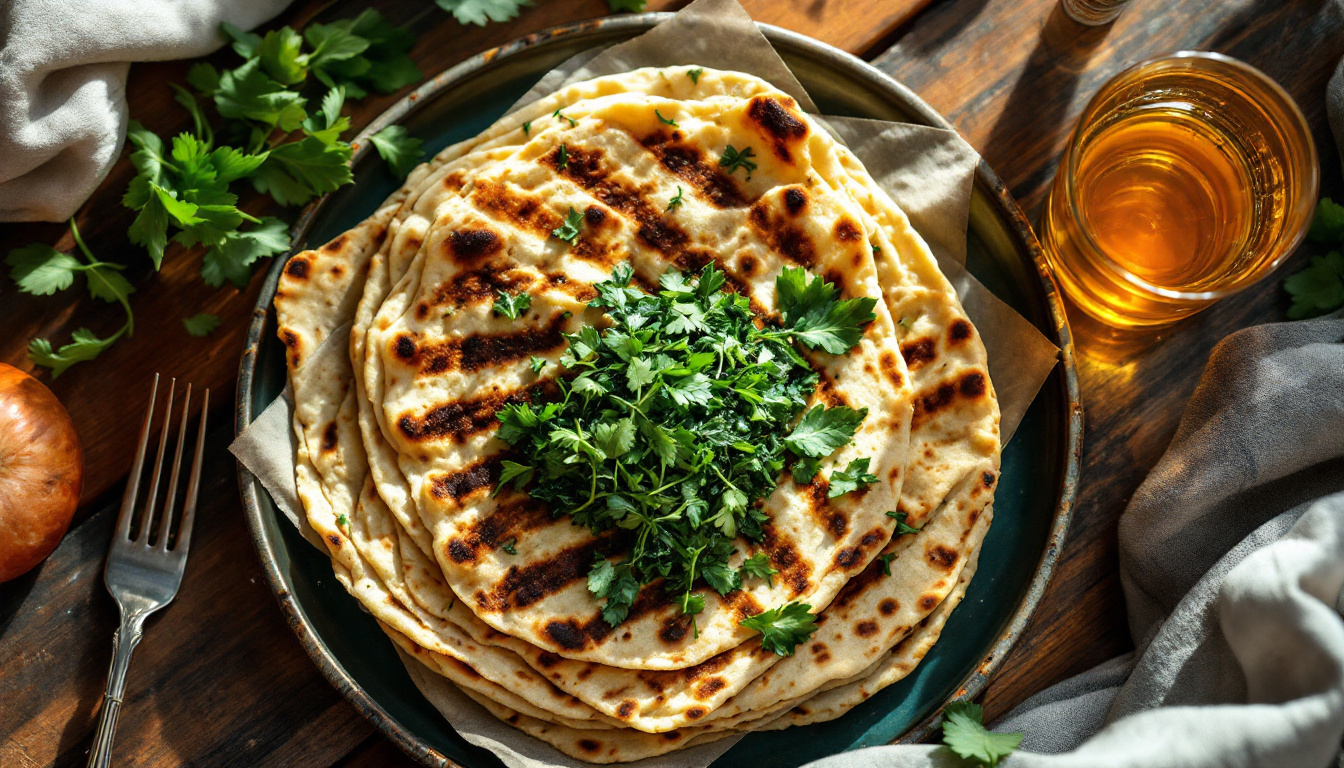
Zhingyalov hats is a thin flatbread stuffed with a dense tangle of up to twenty wild greens and herbs, chopped fine, seasoned, and griddled until the dough blisters and the filling wilts. Born in Artsakh and the mountainous south, it’s the great Armenian vegan dish, packed with spinach, chard, sorrel, dandelion, and whatever else the season offers. The flavor is fresh, green, faintly bitter, completely different from all the grilled meat. It’s wonderful eaten warm off the pan with a glass of tahn. Seek it out at markets and in Yerevan spots that specialize in it.
Ghapama
Ghapama is a whole pumpkin hollowed out and stuffed with rice, dried fruit (apricots, raisins, prunes), nuts, and honey, then baked until tender and brought to the table whole, and it’s the showstopper of Armenian feasts. Sweet, fragrant, festive. It’s associated with weddings and holidays and even has its own folk song. Cutting it open releases a cloud of spiced, fruity steam. It captures the Armenian love of fruit and celebration in one dramatic dish.
Spas and Armenian soups
Spas is a warm yogurt-and-wheat soup thickened with egg and scented with herbs (especially mint and cilantro), and it’s the comforting everyday soup of Armenia. Made from matsun (the local yogurt), it’s tangy, soothing, and good hot or cold. It heads a deep bench of Armenian soups, from the meaty bozbash to lentil and bean soups that anchor the home table. Light and probiotic, spas is the gentle counterpoint to all the grilled meat.
Ishkhan and Lake Sevan fish
Ishkhan is the prized Sevan trout, a fish native to Armenia’s great high-altitude Lake Sevan, traditionally grilled or stuffed and served lakeside. The name means “prince,” fitting for the country’s most celebrated fish. Around the lake, simple shacks and restaurants serve it fresh alongside crayfish from the same waters. In a largely landlocked, meat-heavy cuisine, the Sevan fish is a special treat. Reason enough to make the trip out to the lake on a summer day.
Gata and Armenian sweets
Gata is a sweet, flaky pastry with a buttery sugar-and-flour filling (khoriz), often beautifully patterned on top, and it is the classic Armenian treat with coffee or tea. Sold at monasteries and roadside stands (the gata from Geghard is famous), it ranges from cookie-like to bread-like. Around it sits a wide sweet tradition: pakhlava (baklava), and the chewy churchkhela, strings of walnuts dipped repeatedly in thickened grape juice and dried into a candle shape. Armenian sweets lean on nuts, honey, and grape.
Apricots, pomegranates and dried fruit
Fruit is sacred in Armenia, above all the apricot, the national fruit so identified with the country that its Latin name is Prunus armeniaca and its color sits on the flag. Summer brings extraordinary fresh apricots, peaches, figs, and grapes, while the markets overflow year-round with dried fruit and the pomegranate, a national symbol of abundance. No Armenian table is complete without a bowl of fruit. The dried apricots and sujukh (the sweet grape-and-walnut kind) are the edible souvenirs to take home.
Armenian manti and kufta
Armenian manti are tiny boat-shaped dumplings of spiced meat, baked until crisp and served in broth or under garlicky yogurt, smaller and crunchier than their Central Asian cousins. Alongside them, kufta (and the silky, pounded harkanush or kololak meatballs) are a point of pride, springy meatballs poached in broth that take real skill to make. Both are home-style comfort dishes that show the finesse behind the rustic grilled food, often reserved for guests and special meals.
The cuisine: Yerevan, Lake Sevan and wine country
Armenian food is fairly unified across this small country, but it shifts with the landscape, and a few areas are worth orienting around. Knowing them helps you plan what to eat where. Here’s the map.
Yerevan, the capital, is where you eat the full range of Armenian food, from traditional taverns serving khorovats and dolma to a lively modern restaurant scene reinventing the classics. The GUM Market is the place to taste basturma, sujukh, cheeses, and mountains of dried fruit, and the cafe culture runs on Armenian coffee and gata. It’s the easiest base for eating across the whole cuisine.
Lake Sevan, the vast high-altitude lake, is the country’s fish destination, where ishkhan trout and crayfish are grilled at lakeside spots in summer. The surrounding highlands and regions like Gegharkunik and Lori bring hearty mountain cooking, dairy, and the winter khash culture. This is the place for a fish lunch with a view and a taste of the cooler, pastoral side of Armenian food.
The Vayots Dzor region around Areni is Armenia’s wine heartland and the site of the world’s oldest known winery, over 6,000 years old. The area is enjoying a winemaking revival built on the native Areni grape, and you can tour cellars and taste alongside village food and gata. Armenia is one of the cradles of wine. Drinking it where it began, paired with local cheese and dried fruit, is a highlight.
Much of Armenian food belongs to a wider Caucasus, Anatolian, and Levantine world, and the global diaspora carried it everywhere. Dolma, lahmajoun, basturma, kufta, and pakhlava are shared with Turkish, Georgian, and Middle Eastern kitchens, each claiming their own versions. Beirut‘s Bourj Hammoud and communities from Los Angeles to Moscow keep Armenian cooking alive abroad, which is why you may have eaten it without knowing.
Where to eat: GUM market, taverns and trout shacks
The best food in Armenia is found at the GUM market, traditional taverns, and lakeside trout shacks, plus the family table. Each has its role, and a market visit is the fastest way into the cuisine. Here’s where to go.
- GUM Market (Yerevan), the covered market for basturma, sujukh, cheeses, pickles, dried fruit, and homemade preserves, with vendors keen to offer samples.
- Traditional taverns, Yerevan spots like Tavern Yerevan and the Lavash restaurant for khorovats, dolma, and the full spread with live music.
- Modern Armenian restaurants, like Sherep, reinventing the classics with regional ingredients and contemporary plating.
- Lake Sevan trout shacks, the lakeside grills serving fresh ishkhan and crayfish in summer.
- Monasteries and roadside stands, for fresh gata (Geghard is famous) and tonir-baked lavash on a day trip.
What to drink in Armenia
The two famous drinks of Armenia are its brandy and its ancient wine, both of which carry real history. Armenian brandy, the cognac-style spirit aged for years and reputedly a favorite of Winston Churchill, is the national pride, with Ararat the best-known label. Armenian wine is enjoying a renaissance built on the native Areni grape in land that holds the world’s oldest known winery. Beyond them, oghi is a strong homemade fruit vodka (often mulberry or apricot), Armenian coffee (soorj) is the thick, unfiltered everyday ritual, and tahn is a salty yogurt drink that cuts through grilled meat. Jermuk mineral water and fresh pomegranate juice round out the table.
- Meals are social and generous; expect toasts (led by a tamada at feasts) and constant urging to eat more.
- Lavash is wrapped around meat and cheese and used to scoop; it is on every table.
- Tipping around 10 percent is normal in restaurants; a service charge is sometimes added.
- Vegetarians do reasonably well with pasuts tolma (meatless dolma), spas soup, grilled vegetables, lentil dishes, cheeses, and the fruit, though the cuisine is meat-leaning.
- Fruit, especially apricots and pomegranates, is part of the meal, not just dessert.
Frequently asked questions
What is the national dish of Armenia?
Dolma (tolma) is widely considered the national dish of Armenia, minced meat and rice with herbs wrapped in grape leaves and slow-cooked, served with garlicky yogurt. Khorovats (Armenian barbecue) and harissa (a ritual wheat-and-meat porridge) are also strong contenders for the title. All three are central to Armenian celebration and identity.
What is the most popular Armenian food?
The most popular and most famous Armenian food is khorovats, the country’s beloved barbecue grilled over grapevine embers, alongside dolma (stuffed grape leaves), widely seen as the national dish. Other typical favorites are lavash flatbread, harissa, basturma, lahmajoun, and the vegan zhingyalov hats packed with wild greens. Wash it down with Armenian brandy or Areni wine, and finish with apricots, pomegranates, and gata.
What is lavash?
Lavash is the thin, soft Armenian flatbread baked by slapping dough onto the wall of a clay tonir pit oven. It is so central to Armenian culture that UNESCO recognized it as Intangible Cultural Heritage. It is used to wrap khorovats and cheese, to scoop food, and can be dried and stored for months. Eating it fresh and warm is an essential Armenian experience.
Is Armenian harissa the same as the chili paste?
No, they are completely different despite the shared name. Armenian harissa is a thick, comforting porridge of cracked wheat and fatty meat (usually chicken), beaten for hours until smooth, with deep ritual and remembrance significance. The North African harissa is a fiery red chili paste. If you order harissa in Armenia, you will get the porridge.
Is Armenia known for wine or brandy?
Both. Armenian brandy (cognac-style) is the more famous, aged for years and reputedly favored by Winston Churchill, with Ararat the best-known label. But Armenia is also one of the cradles of wine: the world’s oldest known winery, around 6,100 years old, was found at Areni, and the native Areni grape drives a modern wine revival. Both are worth seeking out at the source.
Where can vegetarians eat in Armenia?
Vegetarians do reasonably well in Armenia. Look for pasuts tolma (meatless dolma stuffed into vegetables for fasting periods), spas (yogurt soup), grilled vegetables from the khorovats, lentil and bean dishes, fresh cheeses, lavash, and the country’s extraordinary fruit. The cuisine leans toward meat, but the strong tradition of Lenten fasting food means plant-based options exist.
Where should I eat in Armenia?
Start at Yerevan’s GUM Market for basturma, sujukh, cheeses, and dried fruit, then eat khorovats and dolma at a traditional tavern such as Tavern Yerevan or the Lavash restaurant, or a modern spot like Sherep. Head to Lake Sevan for fresh ishkhan trout, and take a day trip to the Areni wine country and a monastery like Geghard for fresh gata.
More food guides waiting for you
Browse our complete collection of food guides across Africa and the Middle East.