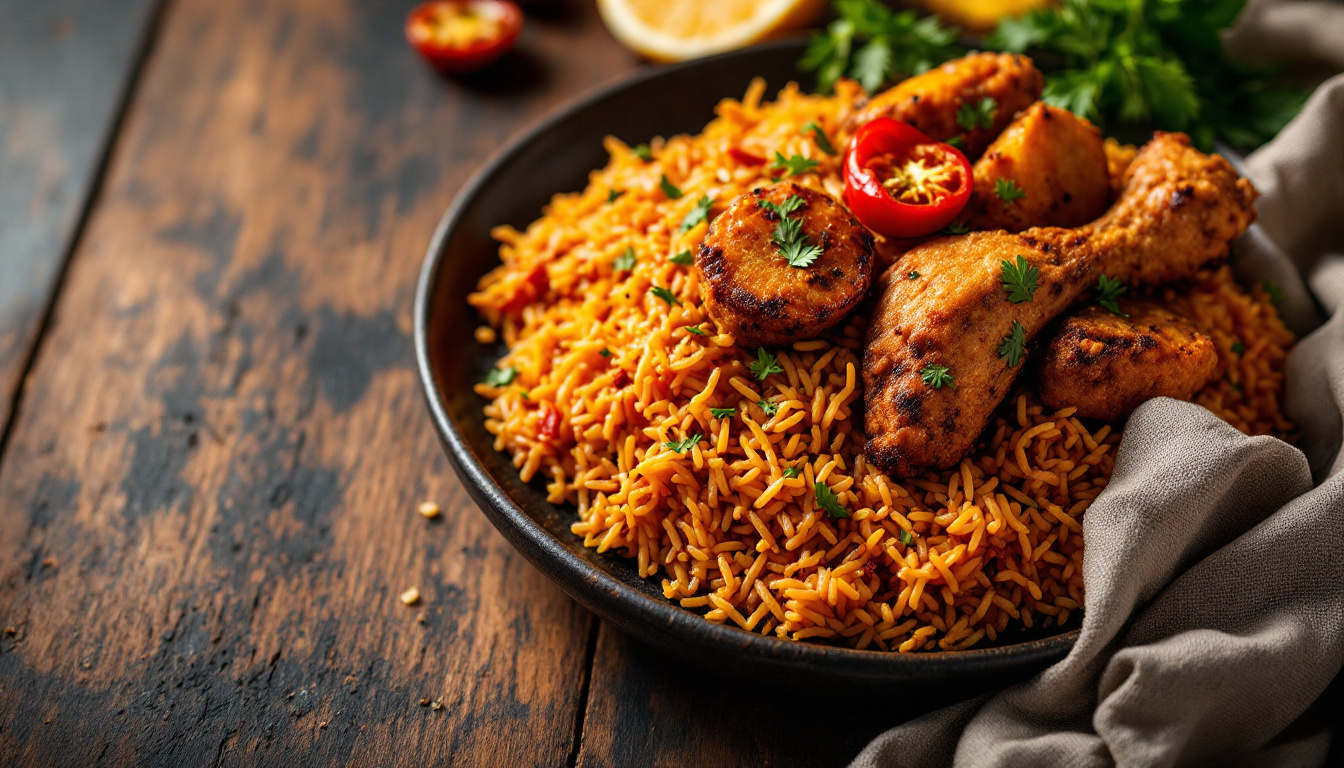
A warm bowl of hummus scooped with pillowy pita, sabich layered with fried eggplant and amba, a pan of shakshuka for brunch, and grilled fish by the old port of Jaffa: a neighborhood guide to eating in Tel Aviv.
The best food in Tel Aviv is hummus, sabich, and a market spread of mezze, eaten in the sun beside the Mediterranean. Israel’s beachfront city has become one of the most exciting food destinations anywhere. It fuses the cooking of Jewish communities from across the world with Levantine and Arab traditions and the bounty of the Mediterranean. From the legendary hummus joints and the sabich stand to the packed Carmel Market, the seafood of Jaffa, and a wave of inventive chefs, Tel Aviv eats with real swagger.
Why Tel Aviv is a great food city
Tel Aviv is a great food city because it blends the home cooking of Jewish communities from dozens of countries with Levantine and Arab traditions, all powered by superb Mediterranean produce and a young, hungry, creative crowd. The wider national picture is in our complete Israel food guide, but Tel Aviv is the engine: the best hummus joints, the sabich and falafel stands, the markets, and the chefs reinventing it all. And it sits in one of the world’s richest food regions, mapped in our guide to the best food in Africa and the Middle East.
The constants are chickpeas, eggplant, tahini, olive oil, fresh vegetables, and pita, with the meal built around mezze, the spread of small salads and dips. Tel Aviv eats casually and often. Breakfast and brunch are a serious affair, and much of the best food is cheap street food and market grazing. Its Levantine flavors share deep roots with neighbors like Beirut, yet Tel Aviv adds its own diaspora twist. This guide runs through the dishes that define the city, then where to find them.
The best food in Tel Aviv, dish by dish
These are the 12 things I tell every visitor to eat, with rough notes on cost and what makes each matter. Prices are in shekels (ILS), and the city is not cheap, but the street food is great value.
Hummus
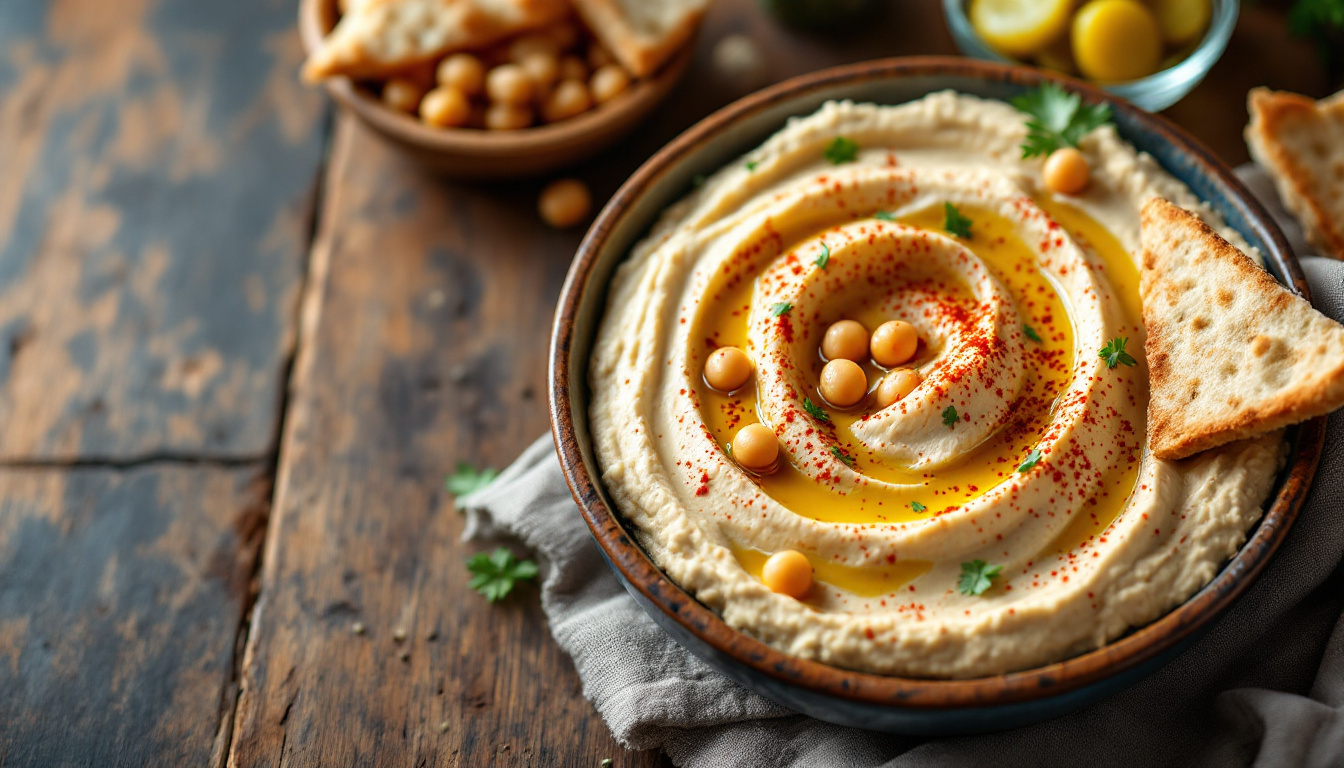
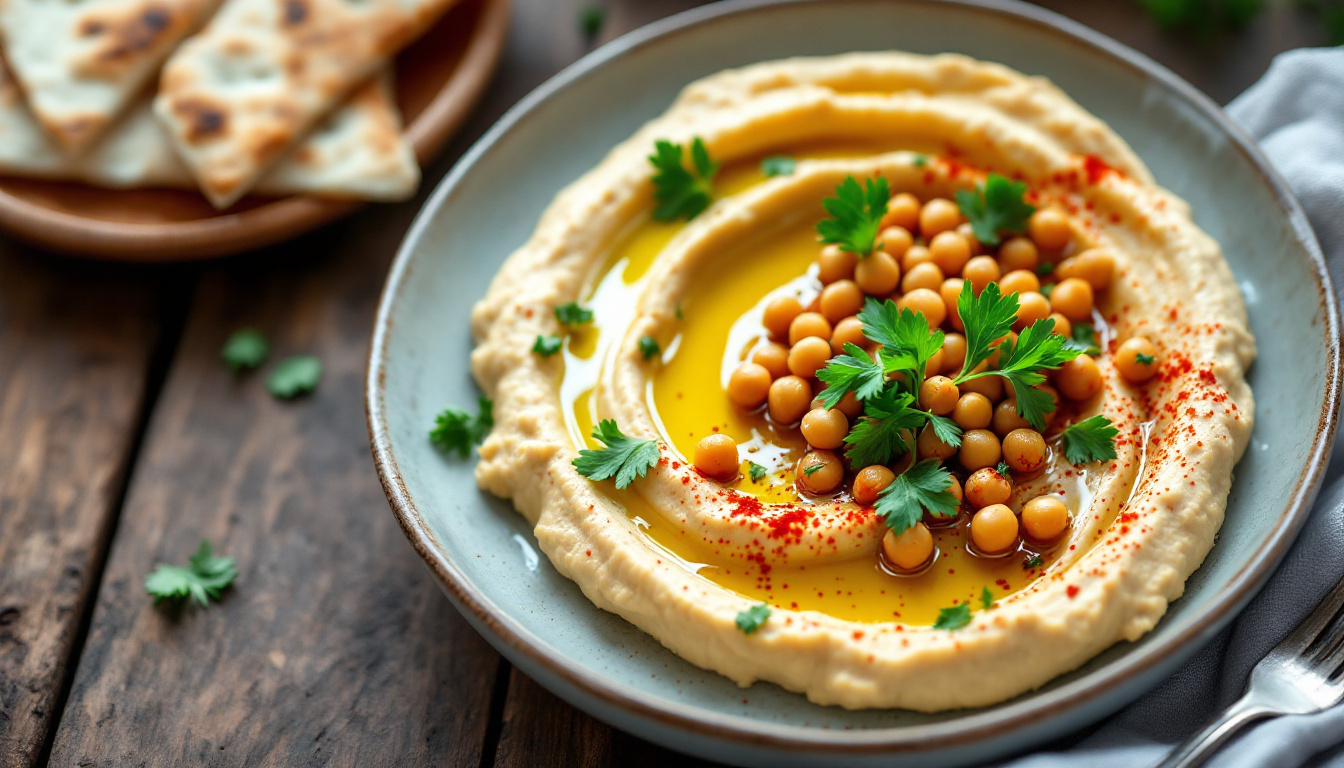
Hummus in Tel Aviv is a religion, and a world away from the supermarket tub: warm, silky, and served as a full meal at a dedicated hummusiya. The chickpea-and-tahini puree is swirled into a bowl, pooled with olive oil, and topped your way, with whole chickpeas, ful (fava beans), or masabacha (warm, coarse chickpeas). You scoop it with pillowy fresh pita, raw onion, and pickles. Eat it early, because the good places sell out by afternoon. Rich, nutty, and comforting, hummus is the soul of the city.
Sabich
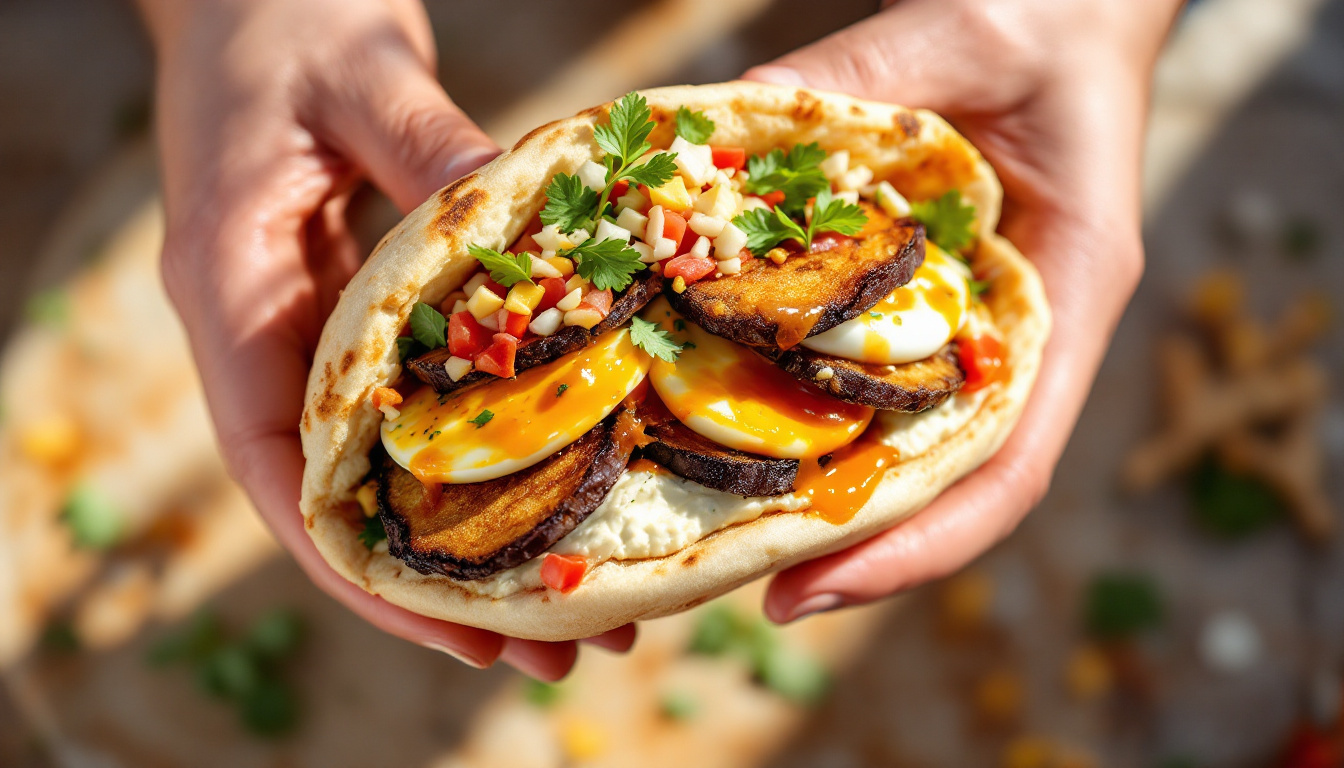
Sabich is the great Tel Aviv sandwich, a pita stuffed with slices of fried eggplant, hard-boiled egg, hummus, tahini, chopped salad, and pickles, all brought together by amba, a tangy fermented mango sauce. Brought by Iraqi Jews and originally a Shabbat breakfast, it’s become a beloved street-food icon. A good sabich is messy, layered, and a complete meal in bread. Seek out a famous stand like Sabich Tchernichovsky and eat it standing, dripping down your wrist.
Falafel
Falafel is the quintessential street snack, deep-fried balls of ground chickpeas (and herbs and spices) that are crisp and dark outside, green and fluffy within, fried fresh to order. Stuffed into a pita with hummus, tahini, chopped salad, pickles, and fiery zhug (chili paste), or piled in a laffa wrap, it’s cheap, filling, and entirely vegetarian. Add fried eggplant and chips and you have a meal. You’ll find it on every corner, and a well-made hot falafel pita is a Tel Aviv staple and a vegan favorite.
Shakshuka
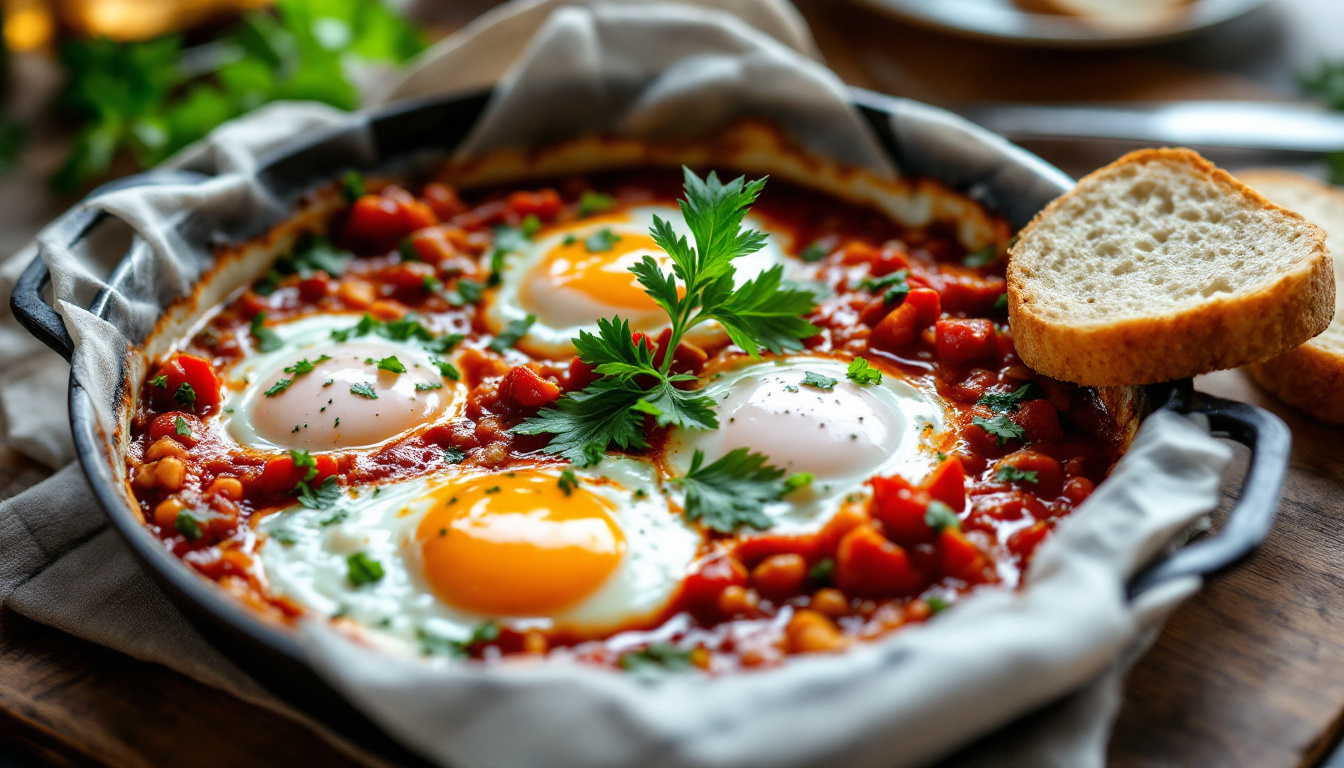
Shakshuka is Tel Aviv’s brunch champion, eggs poached in a bubbling skillet of tomatoes, peppers, onion, garlic, and warm spices like cumin and paprika, served sizzling in the pan with plenty of bread to mop it up. It’s of North African (Tunisian and Libyan) Jewish origin, comforting and savory, and endlessly riffed on (green shakshuka, with feta, with merguez). Dr. Shakshuka in Jaffa is a famous spot. Eaten late and lazily with good bread and coffee, it is the perfect Tel Aviv morning.
Mezze and salatim
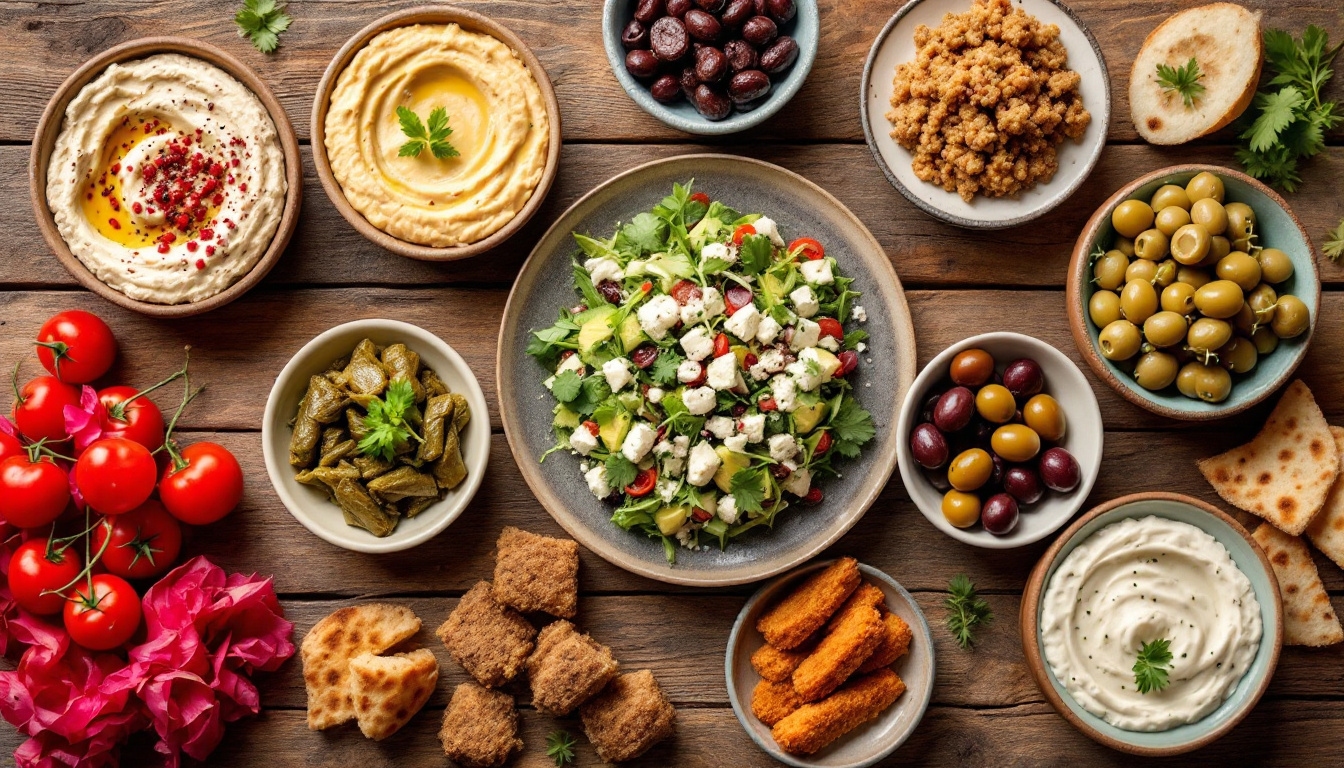
No Tel Aviv meal starts without the salatim, the parade of small salads and dips that lands on the table, often free or cheap and endlessly refilled. Expect hummus, tahini, baba ganoush (smoky eggplant), matbucha (cooked tomato and pepper), Israeli salad (finely chopped cucumber and tomato), labneh, pickles, and more, all scooped with pita. The mezze spread is half the joy of eating out here, a colorful, vegetable-forward start that often outshines the main.
Shawarma and grilled meats
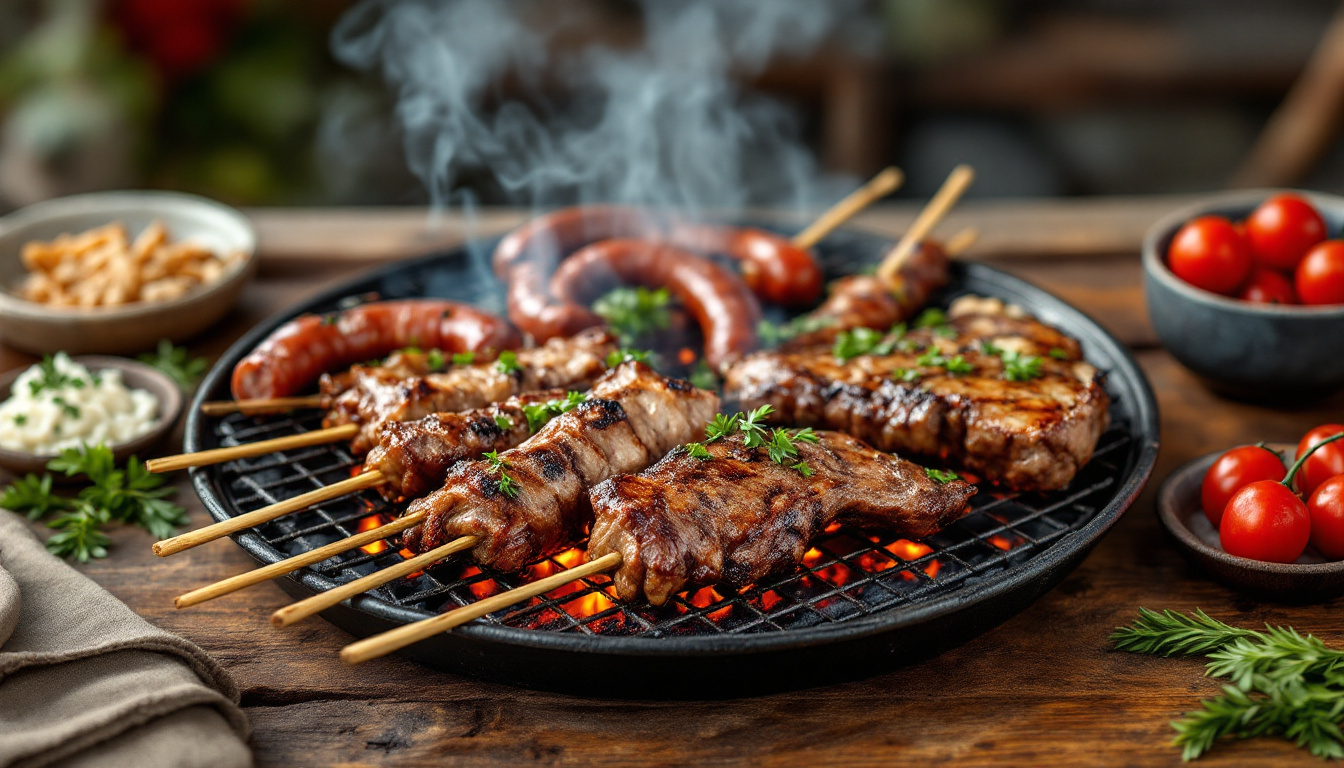
For meat, shawarma is the street king, spiced lamb, turkey, or chicken stacked on a vertical spit, slow-roasted, and shaved into a pita or laffa with hummus, salad, tahini, and pickles. Around it sits the world of the grill: skewers of meat and chicken (shipudim), shashlik, kebabs, and merguez sausage, plus the Jerusalem mixed grill (meorav yerushalmi, offal and chicken seared with onion and spices). And no list of Israeli comfort food is complete without schnitzel, the thin breaded chicken cutlet that turns up in a pita, in a baguette, or on a plate with chips and salad, a genuine national obsession. Loaded with toppings and sauces, a fat shawarma wrap is a satisfying, savory street meal and the natural counterpart to all the city’s vegetarian street food.
Bourekas and savory pastries
Bourekas are the beloved flaky pastries of Sephardic and Balkan Jewish tradition, buttery puff or filo dough filled with salty cheese, potato, spinach, or mushroom and baked golden, often sprinkled with sesame. Sold warm from bakeries and stands, they’re a classic breakfast or anytime snack, traditionally served with a hard-boiled egg and pickles. A fresh cheese boureka with a coffee is a simple Tel Aviv pleasure and one of the city’s great cheap, vegetarian eats. The Friday-bakery counterpart is challah, the soft, glossy braided egg bread baked for Shabbat and piled high in every bakery before sundown.
Jaffa seafood and grilled fish
On the Mediterranean, the fish is fresh and the seafood excellent, best enjoyed around the old port of Jaffa. Whole grilled fish (denis, or sea bream, and locus), calamari, shrimp, and a spread of fishy mezze come dressed simply with olive oil, lemon, and herbs. Old Jaffa’s fish restaurants, some Arab-owned institutions, serve a long, leisurely seafood feast by the water. It’s a splurge by street-food standards, but a grilled-fish lunch with a sea view is one of the area’s finest meals.
Jachnun, malawach and Yemenite food
The Yemenite Jewish kitchen gives Tel Aviv some of its most distinctive dishes, best found in the Kerem HaTeimanim (Yemenite Quarter) by the Carmel Market. Jachnun is a slow-baked, rolled pastry traditionally cooked overnight for Shabbat, served with grated tomato, hard-boiled egg, and fiery zhug; malawach is its richer, flaky fried cousin, like a buttery flatbread, and kubaneh is the soft, pull-apart butter bread baked slowly overnight. Add the warming, herb-laden meat soup and the fenugreek relish hilbeh. Comforting and unique, these slow breads are a beloved weekend ritual worth seeking out.
Carmel Market street food
The Carmel Market (Shuk HaCarmel) is the city’s great grazing ground, a packed lane of stalls and tiny eateries selling everything from fresh produce and spices to knafeh, sabich, hummus, juices, and inventive street bites. Newer stands run by young chefs sit beside old-timers, and eating your way along the shuk is a meal in itself. Loud and crowded and delicious, the market is the single best place to taste the range of Tel Aviv food cheaply and all in one go.
Knafeh, malabi and sweets
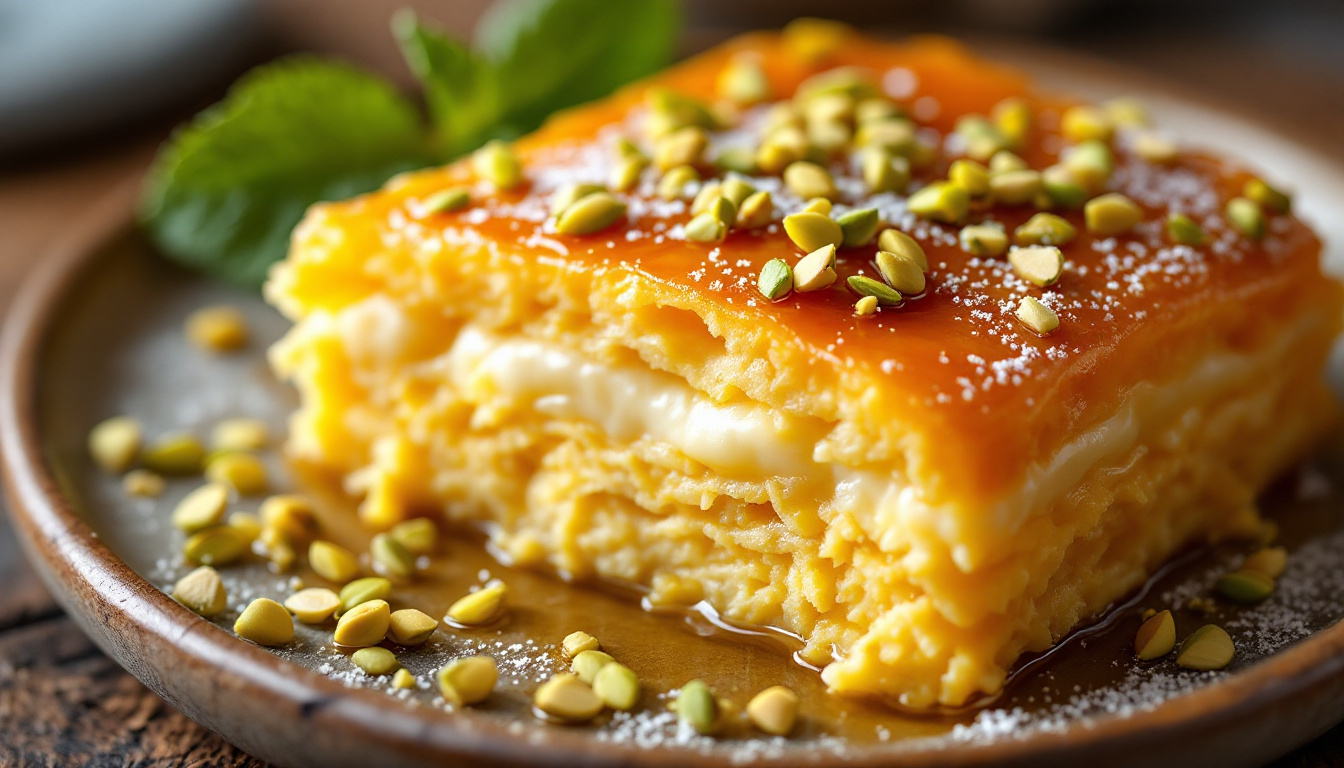
Tel Aviv finishes sweet and Levantine. Knafeh is the showstopper, warm shredded pastry or semolina over melting cheese, soaked in syrup and crowned with pistachio, best from a market stand or Jaffa. Malabi is the cooling milk pudding scented with rose or orange water and topped with syrup, coconut, and nuts. Around them come halva (sesame), baklava, rugelach and babka (the dense, swirled chocolate or halva yeast cakes that are an Israeli bakery icon, best from a place like Lehamim), and sahlab in winter. Sticky, fragrant, and irresistible, the desserts are a highlight, not an afterthought.
Fresh juice, limonana and Tel Aviv drinks
In the Mediterranean heat, the drinks shine. Freshly squeezed juices (pomegranate, orange, carrot) are sold from market stands, and limonana, a slushy blend of lemon and fresh mint, is the iconic local cooler. Coffee is a ritual: order a cafe hafuch (the local cappuccino) or a thick botz (mud coffee). For something stronger, Israeli wine has come a long way, the anise spirit arak (drunk with water or grapefruit) is the local pour, and the Goldstar and Maccabi beers fuel a famously good nightlife.
Where to eat: the markets, Florentin and Jaffa
The best food in Tel Aviv runs from the heaving markets to the bar-lined streets of Florentin and the old stones of Jaffa. Knowing where to go shapes the trip. Here’s the map.
The Carmel Market (Shuk HaCarmel) and the adjacent Kerem HaTeimanim (Yemenite Quarter) are the city’s tastiest patch, a dense maze of produce stalls, spice sellers, hummus joints, sabich and knafeh stands, and tiny Yemenite restaurants serving jachnun and malawach. Graze your way through the shuk by day, and stay for the small bars and eateries that liven up at night. For the widest, cheapest sweep of Tel Aviv street food, start here.
Florentin, the gritty, graffiti-covered former workshop district, is the hipster heart of the city, packed with hummusiyot, casual eateries, bakeries, bars, and a young, creative crowd. This is the place for a classic hummus breakfast, late-night eats after the bars, and a feel for where Tel Aviv’s food scene is heading. Less polished and more local than the seafront, Florentin rewards wandering between hole-in-the-wall joints, craft beer spots, and street food.
Ancient Jaffa, the old Arab port now folded into Tel Aviv, is the place for seafood, hummus, and a deep, mixed Arab-Jewish food culture. Around the harbor and the Jaffa flea market (Shuk HaPishpeshim) sit fish restaurants, famous shakshuka, hummus institutions, bakeries, and atmospheric bars in old stone buildings. More historic and characterful than central Tel Aviv, Jaffa is where to eat fresh fish by the water and feel the city’s older, Levantine soul.
The northern Tel Aviv Port (Namal) and the beachfront are where to eat with a sea view, from seafood and breakfast spots to casual cafes, while the restored Sarona Market is a polished indoor food hall of gourmet stalls and produce. These areas are more modern, smart, and pricier, good for a relaxed waterfront meal or an air-conditioned graze. For sunset drinks and dinner by the Mediterranean, head to the port and the beach.
What to drink in Tel Aviv
Tel Aviv drinks fresh, strong, and well. Freshly squeezed juices, above all ruby pomegranate and orange, are everywhere, and limonana (frozen lemon-mint slush) is the signature cooler. Coffee is taken seriously: the cafe hafuch (a frothy local cappuccino) is the default, with the thick, unfiltered botz (mud coffee) for traditionalists. Israeli wine, especially from the Galilee and Judean Hills, has earned real respect, and arak, the cloudy anise spirit, is the local tipple, sipped with water or grapefruit juice. The Goldstar and Maccabi lagers, plus a strong craft-beer scene, power one of the Mediterranean’s best nightlife cities. Tap water is safe to drink.
- Hummus is a meal eaten early; the best hummusiyot sell out and close by mid-afternoon.
- Shabbat (Friday afternoon to Saturday evening) closes many places, though Tel Aviv stays livelier than most Israeli cities.
- The salatim (mezze salads) are often included or cheap and refilled, so do not over-order mains.
- Tipping is expected, around 12 to 15 percent, and often added in cash even when paying by card.
- The city is a paradise for vegetarians and vegans, with hummus, falafel, sabich, and salatim everywhere.
Frequently asked questions
What food is Tel Aviv known for?
Tel Aviv is known for hummus (served warm as a full meal at dedicated hummusiyot), sabich (a pita with fried eggplant, egg, and amba), falafel, shakshuka (eggs in spiced tomato sauce), and the salatim, the spread of mezze salads and dips. It is also famous for Carmel Market street food, Jaffa seafood, Yemenite jachnun and malawach, and Levantine sweets like knafeh and malabi.
What is sabich?
Sabich is Tel Aviv’s signature sandwich: a pita stuffed with slices of fried eggplant, hard-boiled egg, hummus, tahini, chopped salad, and pickles, tied together with amba, a tangy fermented mango sauce. Brought by Iraqi Jews as a Shabbat breakfast, it has become a beloved street-food icon. It is filling, layered, vegetarian, and best eaten fresh from a dedicated sabich stand.
Is Tel Aviv good for vegetarians and vegans?
Tel Aviv is one of the best cities in the world for vegetarians and vegans. So much of the core cuisine, hummus, falafel, sabich, salatim, tahini, baba ganoush, bourekas, and grilled vegetables, is plant-based, and the city has a huge number of dedicated vegan restaurants. Plant-based travelers eat exceptionally well here, often without even seeking out special menus.
Where should I eat in Tel Aviv?
For the widest, cheapest range, graze the Carmel Market (Shuk HaCarmel) and the adjacent Yemenite Quarter; for hummus, casual eats, and nightlife, head to Florentin; and for seafood, shakshuka, and Arab-Jewish food, go to old Jaffa and its flea market. For a sea-view meal, try the northern Port (Namal) and the beachfront, or the upscale Sarona Market food hall.
How much does food cost in Tel Aviv?
Tel Aviv is an expensive city, but the street food is great value. A sabich or falafel pita is around ILS 18-35, a bowl of hummus ILS 25-45, and a shakshuka brunch ILS 38-58, while a sit-down dinner or Jaffa seafood feast costs much more. Eating from markets and hummusiyot keeps costs down. Tipping of 12 to 15 percent is expected.
Does Tel Aviv shut down for Shabbat?
Many businesses in Tel Aviv close for Shabbat, from Friday afternoon to Saturday evening, including some restaurants and most public transport. However, Tel Aviv is far more secular and lively than other Israeli cities, so plenty of cafes, restaurants, and bars stay open throughout. Still, it is worth checking opening hours and planning meals around Shabbat, especially on Friday evening.
More food guides waiting for you
Browse our complete collection of Middle East and African food guides.