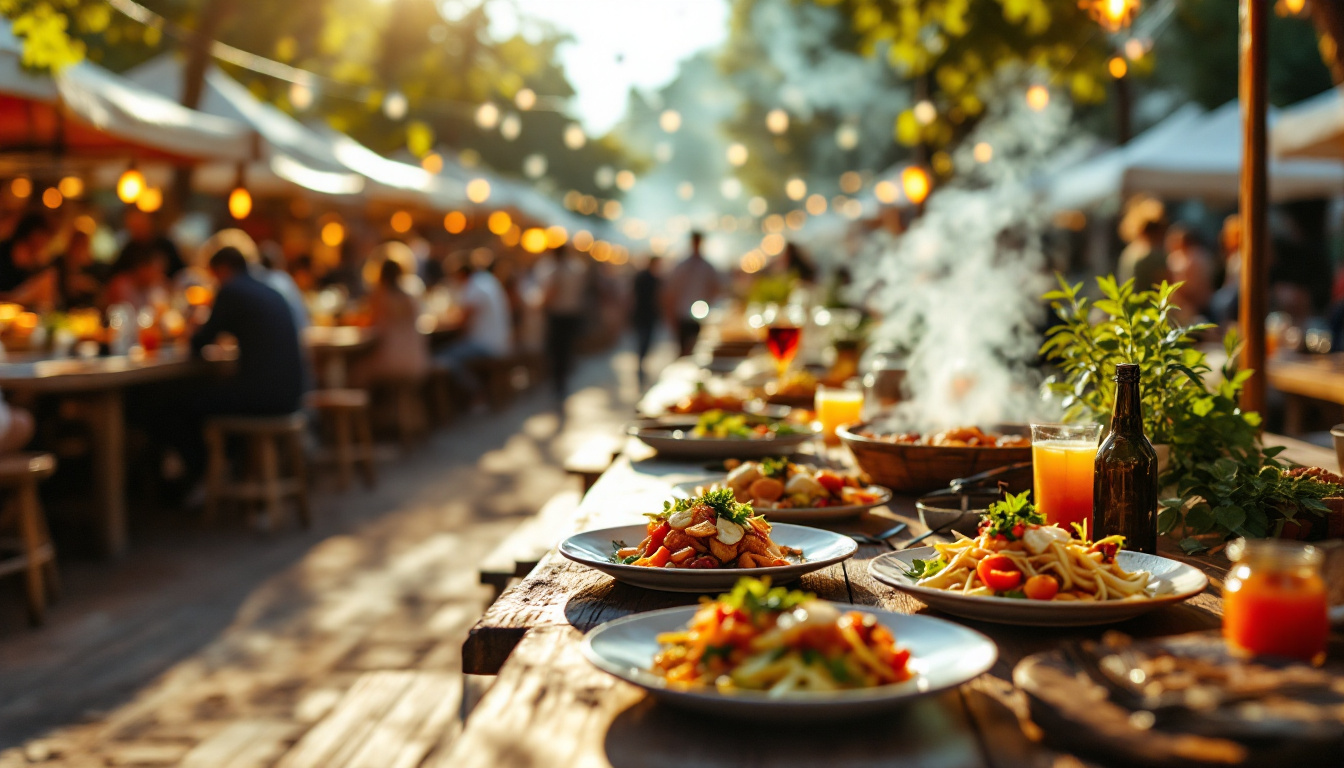
There is a particular magic to eating where a hundred cooks compete under one roof or one stretch of street. The smoke, the noise, the plastic stools, the impossible choice of what to order first. Night markets and food halls are where a city’s food is at its most democratic and most delicious. This is my guide to the best of them and how to eat there like a local.
The best night markets and food halls are not tourist attractions that happen to sell food. They are where locals eat dinner, where a single stall has cooked one dish for thirty years, where five dollars buys a feast. From the glowing streets of Bangkok to the hawker centers of Singapore, these are the places to plan an entire trip around.
Most of the world’s great food markets cluster across Asia, and they overlap heavily with our best street food cities guide. This is the market-by-market companion.
Night markets vs food halls: what’s the difference
A night market is an outdoor affair, a street or lot that fills with stalls after dark, heavy on grilled skewers, noodles, snacks, and the theater of open-air cooking. A food hall, or hawker center, is its permanent indoor cousin: rows of fixed stalls around shared tables, open all day, regulated and reliable. Singapore perfected the second model; Thailand and Taiwan rule the first.
Both run on the same logic, which is why they’re such good value. Each stall specializes. Competition is fierce, rents are low, and locals vote with their feet every single day. The bad stalls don’t survive. The great ones become institutions.
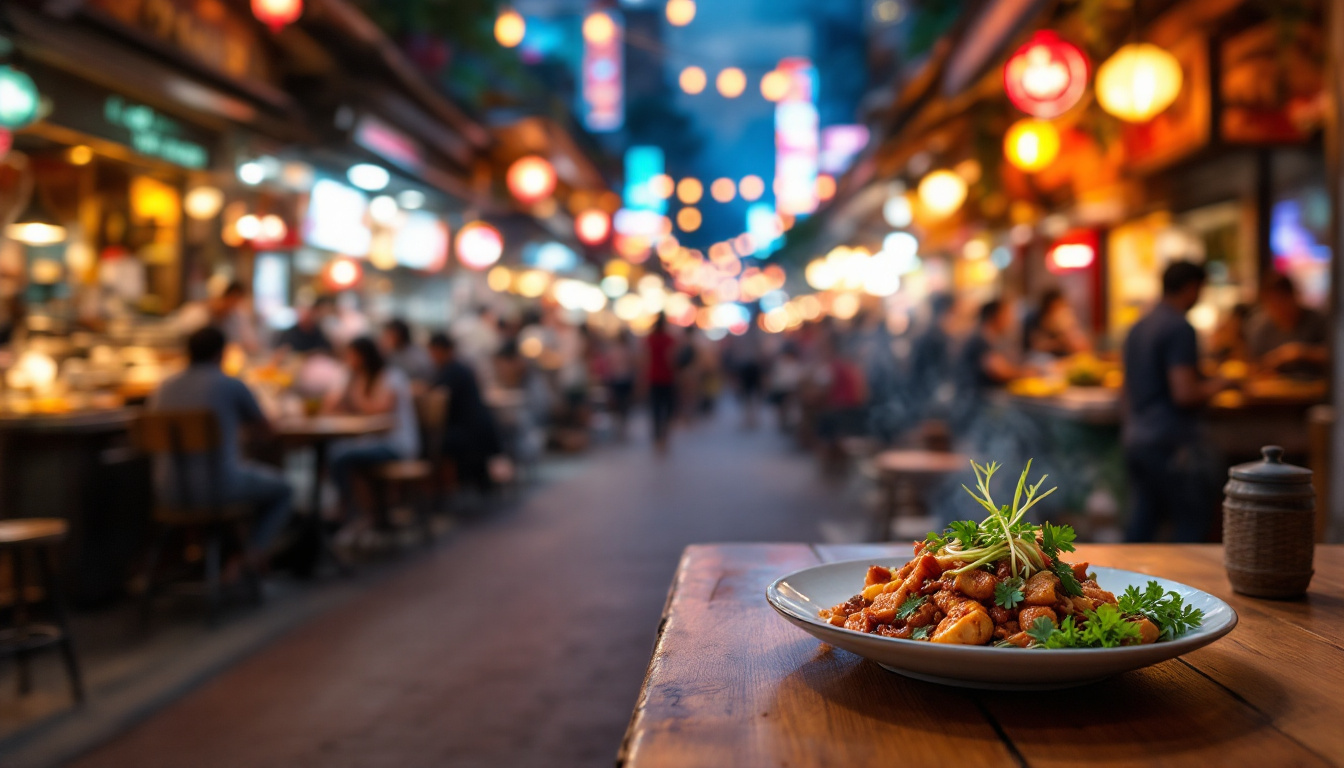
The best night markets and food halls around the world
Bangkok, Thailand
Bangkok is the night market capital, from the sprawling weekend lots to the food streets of Chinatown’s Yaowarat, where woks roar past midnight. Grilled satay, pad thai cooked to order, mango sticky rice, oyster omelettes. All of it everywhere, for pocket change. Our Bangkok food guide and Thailand food guide map the best of it.
Chiang Mai, Thailand
The Sunday Walking Street and the nightly bazaars turn Chiang Mai into one long edible stroll. Northern Thai specialties like khao soi and sai ua sausage are the things to hunt for. See our Chiang Mai food guide.
Kuala Lumpur, Malaysia
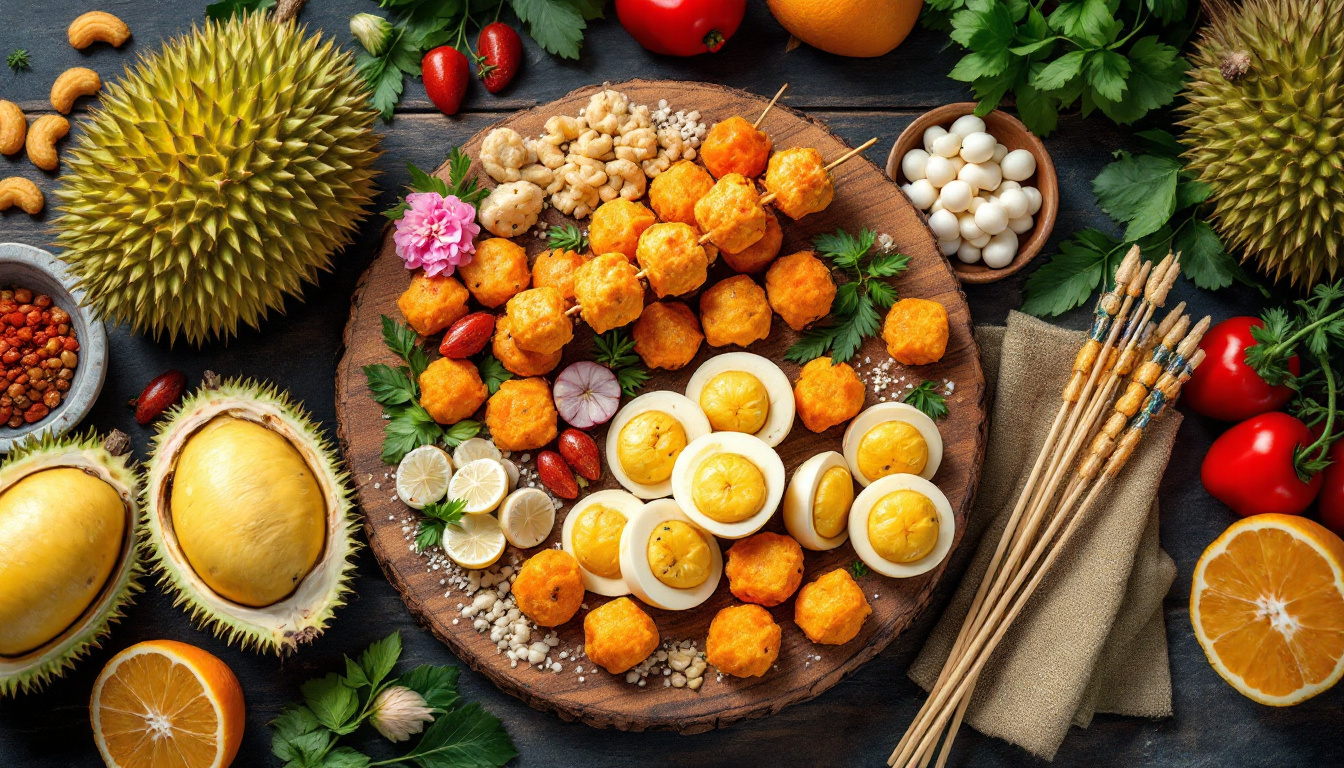
Jalan Alor is the city’s most famous food street, a neon-lit row of stalls serving satay, char kway teow, grilled seafood, and durian to crowds every night. The mamak stalls run almost around the clock. Our Kuala Lumpur food guide and Malaysia food guide have more.
Singapore
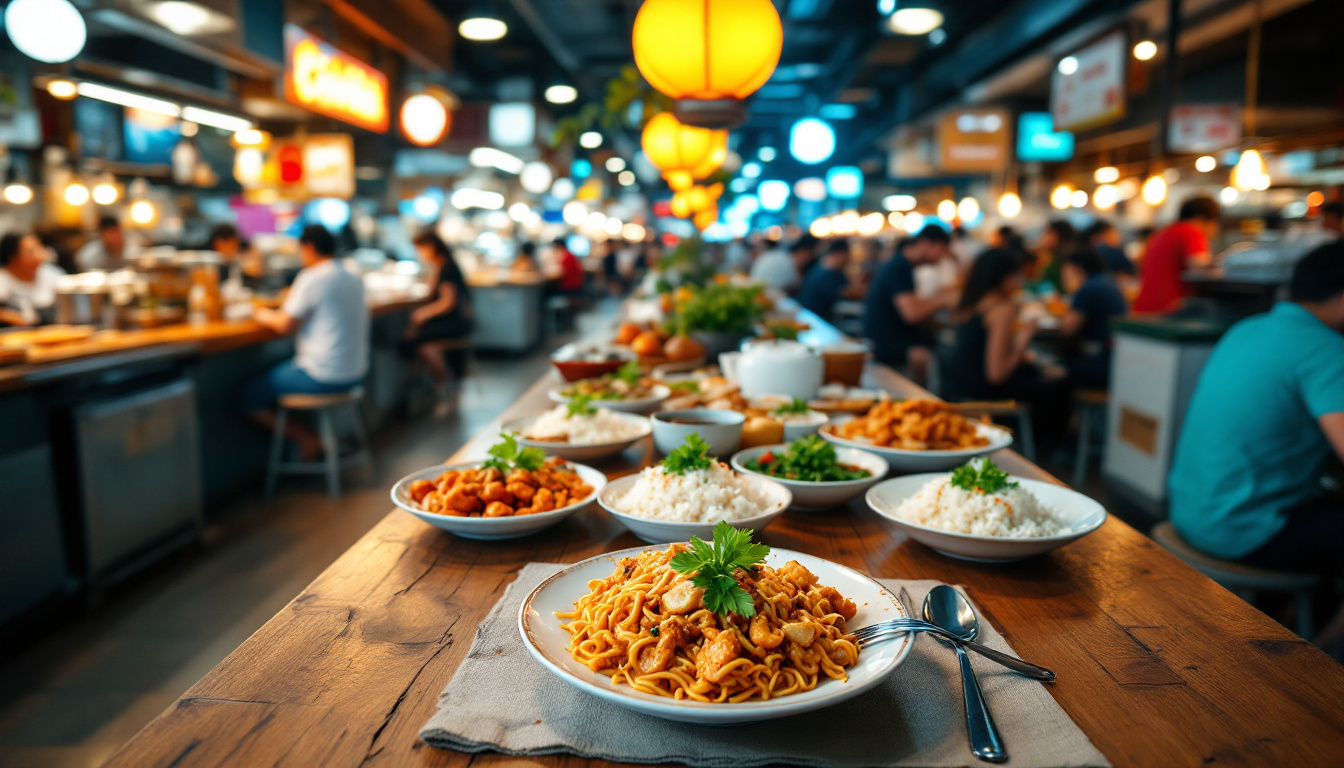
Singapore turned the food hall into an art form. Its hawker centers, places like Maxwell, Lau Pa Sat, and Old Airport Road, serve Hainanese chicken rice, laksa, char kway teow, and satay for a few dollars, and one stall has even held a Michelin star. It’s the cleanest, most organized way to eat brilliantly cheap. Our Singapore food guide points you to the legends.
Hong Kong, China
Temple Street Night Market in Kowloon is the classic, with dai pai dong stalls cooking clay-pot rice, salt-and-pepper seafood, and stir-fries late into the night. Street snacks like curry fish balls and egg waffles fill the gaps. Our Hong Kong food guide covers the scene.
Osaka, Japan
Dotonbori is Osaka’s glowing food canyon, where takoyaki and okonomiyaki are cooked in front of you under giant neon signs. The city’s nickname, the nation’s kitchen, is earned street by street. Our Osaka food guide is built around it.
Seoul, South Korea
Gwangjang Market is the soul of Seoul street food, famous for mung-bean bindaetteok, gimbap, and live octopus, while the night-time pojangmacha tents serve tteokbokki and soju to the after-work crowd. Our Seoul food guide has the details.
Taipei, Taiwan
If any city out-night-markets Bangkok, it’s Taipei. Taiwan has over a hundred night markets, and the capital’s are the gold standard: Shilin is the biggest, a covered warren of 500-plus stalls; Raohe, in the glow of Songshan Ciyou Temple, is the connoisseur’s pick for pepper buns and stinky tofu; and Ningxia is “Taipei’s kitchen,” tiny, food-only, and beloved by locals. Oyster omelettes, braised pork rice, bubble tea, tang hu lu candied fruit. All everywhere. Our Taiwan food guide goes deeper.
Marrakech, Morocco
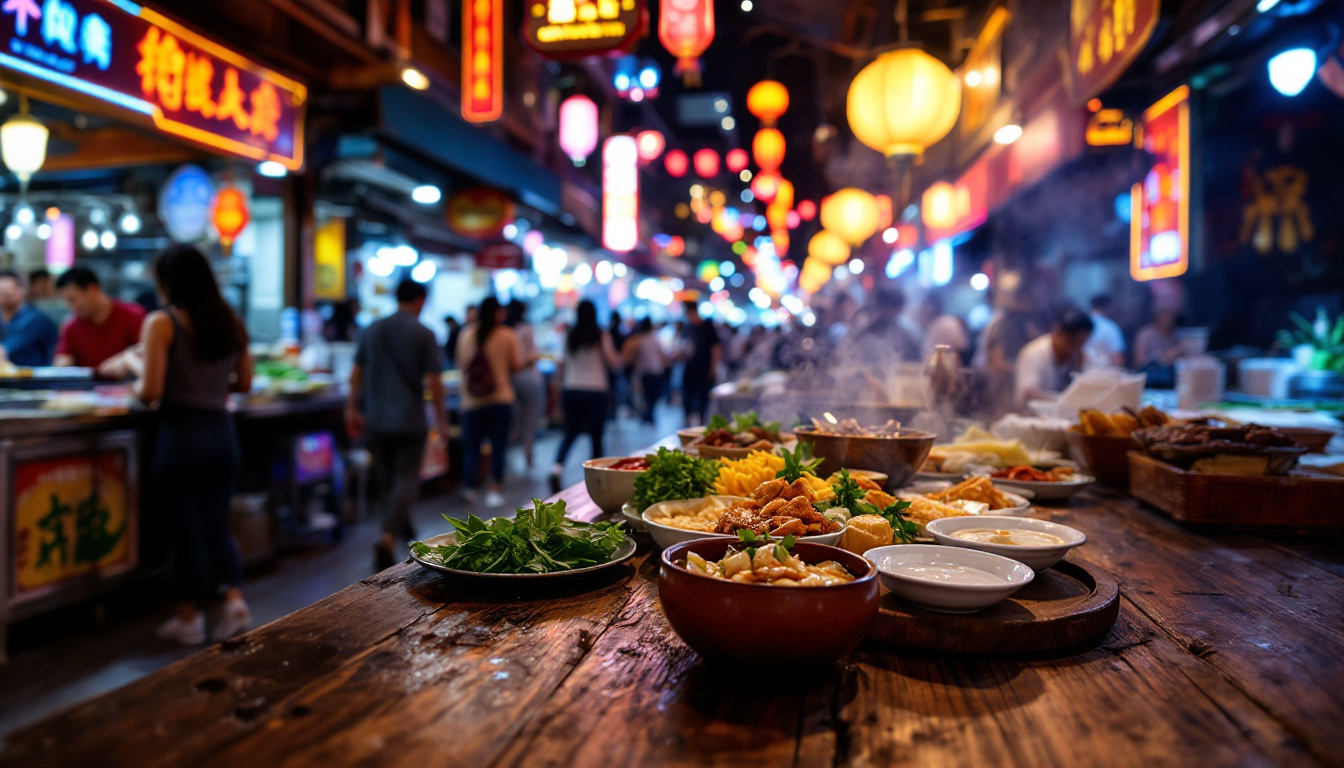
As the sun sets, the great square of Jemaa el-Fnaa fills with food stalls, smoke, and crowds, serving grilled meats, harira soup, snail broth, and merguez. It’s the most theatrical night market outside Asia. Our Morocco food guide covers the wider table.
Mexico City, Mexico
Mexico City’s markets and evening taco stands are their own kind of food hall, with mercados like the city’s covered markets serving everything from tacos and quesadillas to barbacoa and aguas frescas. Our Mexico food guide shows what to order.
Beyond night markets: the world’s great food halls
If Asia rules the night market, the food hall, the curated, indoor, eat-and-graze kind, has its capitals in Europe and the Americas. These are the ones worth planning around.
Time Out Market, Lisbon
The blueprint for the modern food hall. Time Out gathered some of Lisbon’s best chefs and restaurants under one roof of the Mercado da Ribeira, so you can eat a Michelin-level dish and a custard tart at the same shared table. It’s been copied in cities worldwide, but the original is still the best.
Borough Market, London
The grandfather of them all, trading by London Bridge since the 1700s. Borough is part produce market, part street-food paradise: confit duck sandwiches, raclette, fresh oysters, salt-beef bagels, and stalls dedicated to a single cheese or pie. It’s the high point of London in our UK food guide.
Mercado de San Miguel, Madrid
A beautiful iron-and-glass hall by Plaza Mayor where you graze on tapas, jamon, and cava stall by stall. Touristy but genuinely delicious, and the easiest crash course in Spanish small plates. More in our Spain food guide.
Mercato Centrale, Florence
The upper floor of Florence’s central market is a buzzing food court of Tuscan specialists: fresh pasta, lampredotto tripe sandwiches, pizza, and wine. Barcelona’s own La Boqueria, covered in our Barcelona guide, plays the same role in Spain. See the wider table in our Italy food guide.
Chelsea Market and Smorgasburg, New York
America does the food hall big. Chelsea Market fills a former Nabisco factory with everything from lobster rolls to tacos, while open-air Smorgasburg in Brooklyn is the country’s most famous weekend food market, a launchpad for the next viral dish.
How to eat at a night market
The strategy is simple once you know it: graze, share, follow the crowd. Here’s how to do it without missing the best stalls.
| Step | What to do | Why |
|---|---|---|
| Walk it first | Do one full loop before buying | You spot the busiest stalls and pace yourself |
| Follow the queue | Eat where locals line up | Lines mean fresh food and proven quality |
| Order small | One dish per stall, share everything | You taste far more across the night |
| Carry cash | Small notes and coins | Stalls rarely take cards |
| Grab a seat smartly | At hawker centers, reserve a table first | A packet of tissues is the local seat marker |
Prices at markets are usually fixed and fair, even where bargaining is normal elsewhere. Watch what locals pay if you are unsure.
Market tips that matter
A handful of habits will keep you eating well and feeling fine the next morning.
- Go where it is busy. High turnover is the single best signal of both quality and safety. A mobbed stall is cooking fresh constantly. For the full playbook, see our food safety tips for travelers.
- Eat it hot and fresh. Choose things cooked to order in front of you over items sitting out under a lamp.
- Reserve hawker seats the local way. In Singapore and Malaysia, a packet of tissues left on a table claims it. This is called choping.
- Pace yourself. The whole point is variety, so order small and keep room for the next three stalls.
- Mind the etiquette. Customs vary by country; our food etiquette guide covers the rules worth knowing.
Frequently asked questions
What is the best night market in the world for food?
Bangkok is widely considered the best for sheer variety and energy, with night markets and food streets across the city. For permanent food halls, Singapore’s hawker centers are unmatched for quality and value, including a Michelin-starred stall.
What is the difference between a night market and a hawker center?
A night market is an outdoor, often temporary gathering of stalls that comes alive after dark. A hawker center, or food hall, is a permanent indoor space with fixed stalls around shared tables, open through the day. Both house many specialist cooks under one roof or street.
Is street food at night markets safe to eat?
Generally yes, if you eat where it is busy. High turnover means food is cooked fresh and not left sitting. Choose stalls with a local crowd, pick items cooked to order in front of you, and start with hot, freshly made dishes.
How much should I budget for a night market meal?
In most Asian night markets you can eat very well for five to ten dollars by grazing across several stalls. Singapore’s hawker centers run a few dollars per plate. It is some of the best-value eating anywhere in the world.
How do I reserve a table at a hawker center?
In Singapore and Malaysia, you claim a seat before you order by leaving a personal item on the table, traditionally a packet of tissues. This practice is called choping, and locals respect it, so find and mark your seat first, then go order.
What time do night markets open?
Most night markets get going around sunset and run late into the evening, with the busiest hours from about 6pm to 10pm. Arriving early in that window means the freshest food and smaller crowds before the rush.
What is the best night market in Asia?
Taipei’s Shilin and Raohe are the benchmark, with Taiwan running over a hundred night markets in total, closely followed by Bangkok for sheer scale and variety. Kuala Lumpur’s Jalan Alor and Seoul’s Gwangjang are other essentials.
What is the best food hall in the world?
Time Out Market in Lisbon is the most influential, gathering a city’s best chefs under one roof, while London’s centuries-old Borough Market is the most beloved. Madrid’s Mercado de San Miguel and Florence’s Mercato Centrale are other standouts.
More food guides waiting for you
Country and city deep dives across every continent we have eaten our way through.