Traveling as a vegetarian or vegan used to mean living on bread and fries. It does not anymore. Some of the world’s greatest cuisines are built around plants, and a few are almost entirely meat-free by tradition. This is my guide to where eating without meat is a pleasure rather than a problem, what to order, and how to avoid the hidden animal products that trip up even careful travelers.
The best countries for plant-based eating aren’t the ones with the most vegan cafes. They’re the ones where vegetable cooking is old, respected, and central to the table: temple kitchens, fasting traditions, and home cooking that treated meat as a luxury for centuries. Get to those places and you eat better than the meat-eaters at the next table.
This guide draws on our country and city food guides across Asia, Europe, and Africa and the Middle East. Where a country is a standout for plant-based eating, I link straight to its full guide so you can plan dish by dish.
Vegetarian vs vegan on the road
The two aren’t the same once you leave home, and the gap matters. Vegetarian travel is easy in most of the world: dairy and eggs are everywhere, and entire cuisines are built around them. Vegan travel is harder, because animal products hide in places you don’t expect. The fish sauce in a Thai vegetable stir-fry, the ghee on an Indian dal, the dashi in a Japanese miso soup.
The good news is that the cuisines best suited to vegetarians are usually the same ones with deep vegan options, because the meat-free tradition came from religion, fasting, or poverty rather than modern lifestyle choices. Those kitchens already know how to build a full meal from plants alone.
Best cuisines for plant-based travelers
1. India
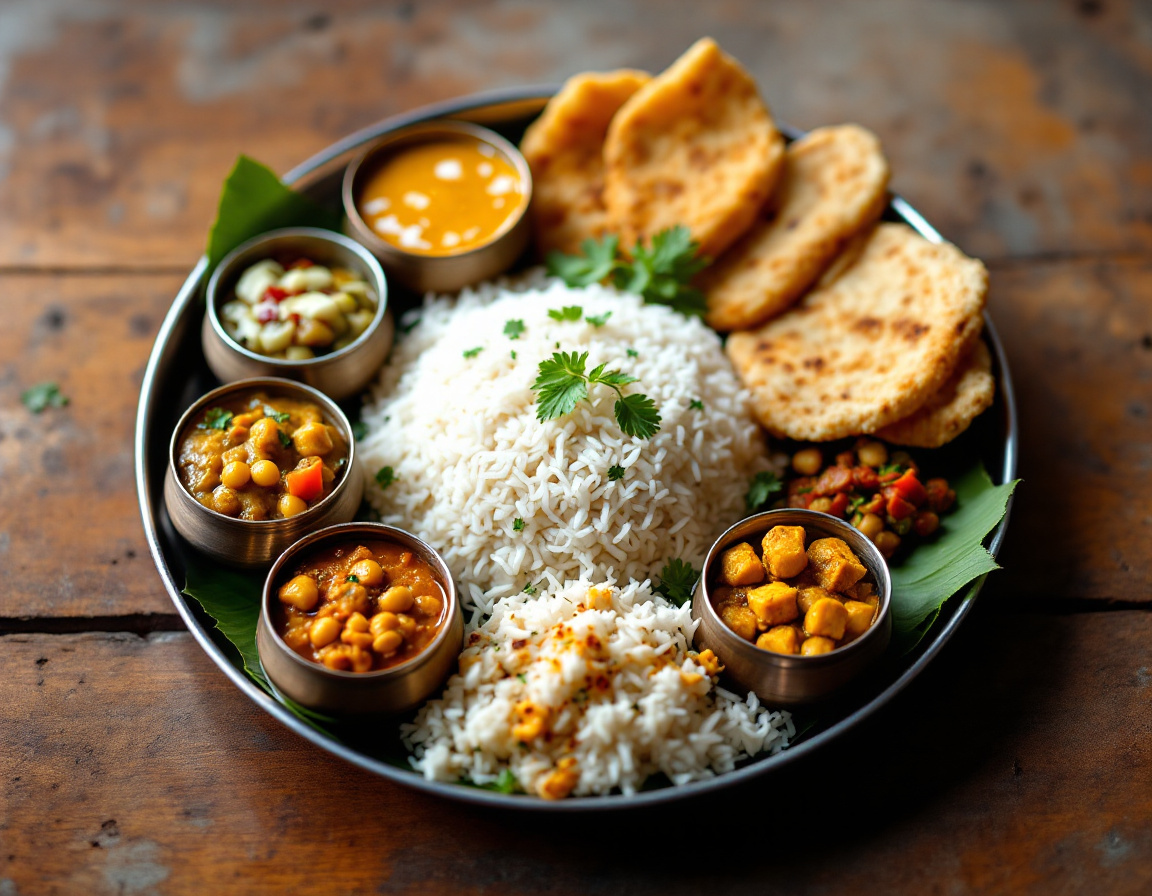
No country on Earth makes vegetarian eating this good or this normal. Roughly a third of India is vegetarian, restaurants are routinely marked “pure veg,” and a meatless thali is a complete, layered feast: dal, paneer, chana masala, sabzi, rice, roti, raita, and pickle. The south goes further with dosa, idli, sambar, and uttapam, much of it naturally vegan if you skip the ghee. India is the single best destination for plant-based travel anywhere. Full stop. Plan it with our India food guide.
Ask for “no ghee, no butter, no paneer, no curd” and you unlock a huge vegan menu, especially in the south. Coconut-based curries and most street snacks (bhel puri, pani puri, masala dosa with oil) are naturally vegan. A useful extra word is “Jain”: Jain cooking leaves out onion, garlic, potatoes and other root vegetables, because uprooting them kills the whole plant, and many restaurants will make a Jain version on request. It can still contain dairy, so vegans should keep the “no ghee, no paneer” line.
2. Buddhist temple cuisine: Korea, Japan and Taiwan
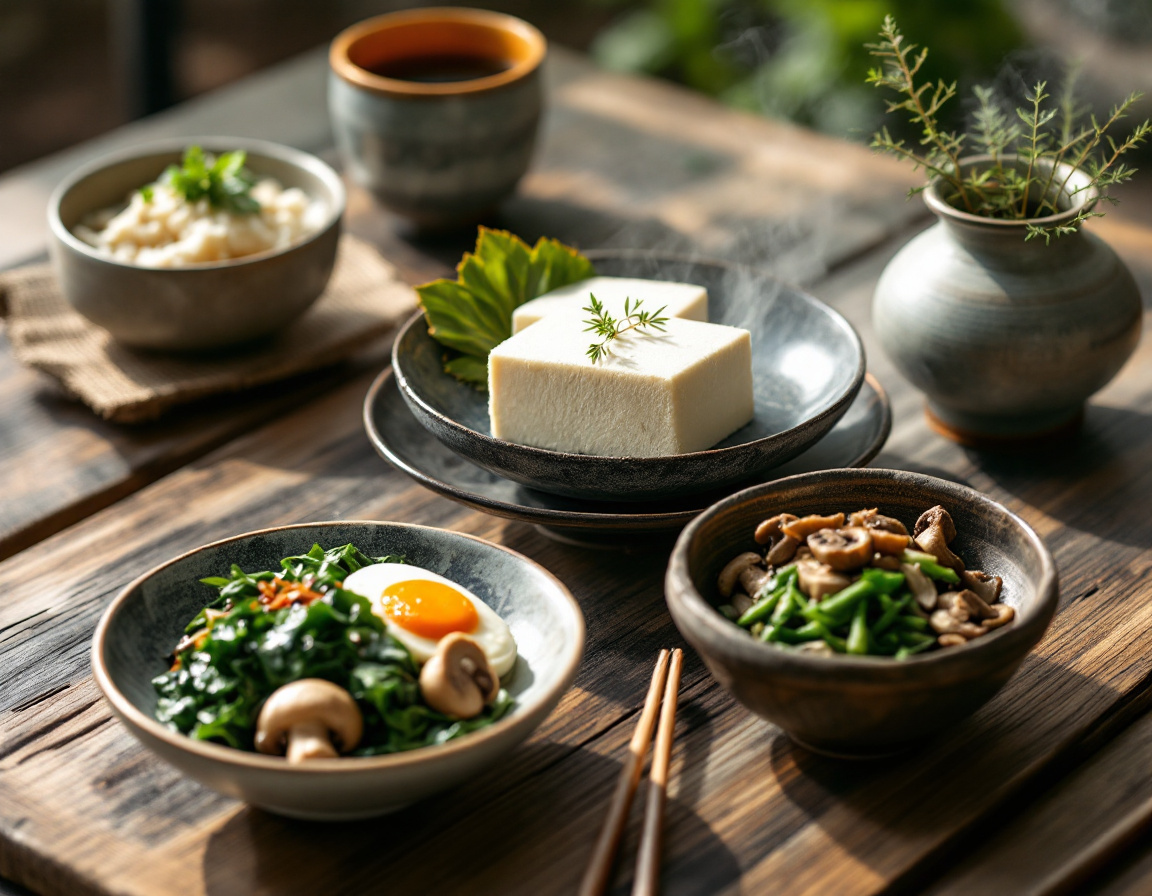
East Asian temple cooking is among the most refined vegan food in the world, and most of it predates the word “vegan” by a thousand years. Korean temple food (sachal eumsik) and Japanese shojin ryori turn tofu, mushrooms, mountain vegetables, and fermented soy into meals of real depth, no onion or garlic required. And Taiwan has the most developed vegetarian restaurant scene in Asia, with entire buffet chains built for it. Pair this with our Japan food guide and the Seoul food guide.
The hidden trap is dashi, the bonito (fish) stock in miso soup, broths, and many simmered dishes. Look for shojin ryori restaurants near temples, where the stock is kombu (kelp) and shiitake instead.
Taiwan has around 6,000 vegetarian restaurants and one of the clearest labelling systems anywhere: packaged food must carry one of five vegetarian categories. Look for 全素 or 純素, which means fully vegan; 蛋奶素 includes egg and dairy, and 植物五辛素 is plant-based but allows the five pungent vegetables (onion, garlic, scallion, leek and asafoetida) that strict Buddhist cooking avoids.
3. The Levant and Middle East
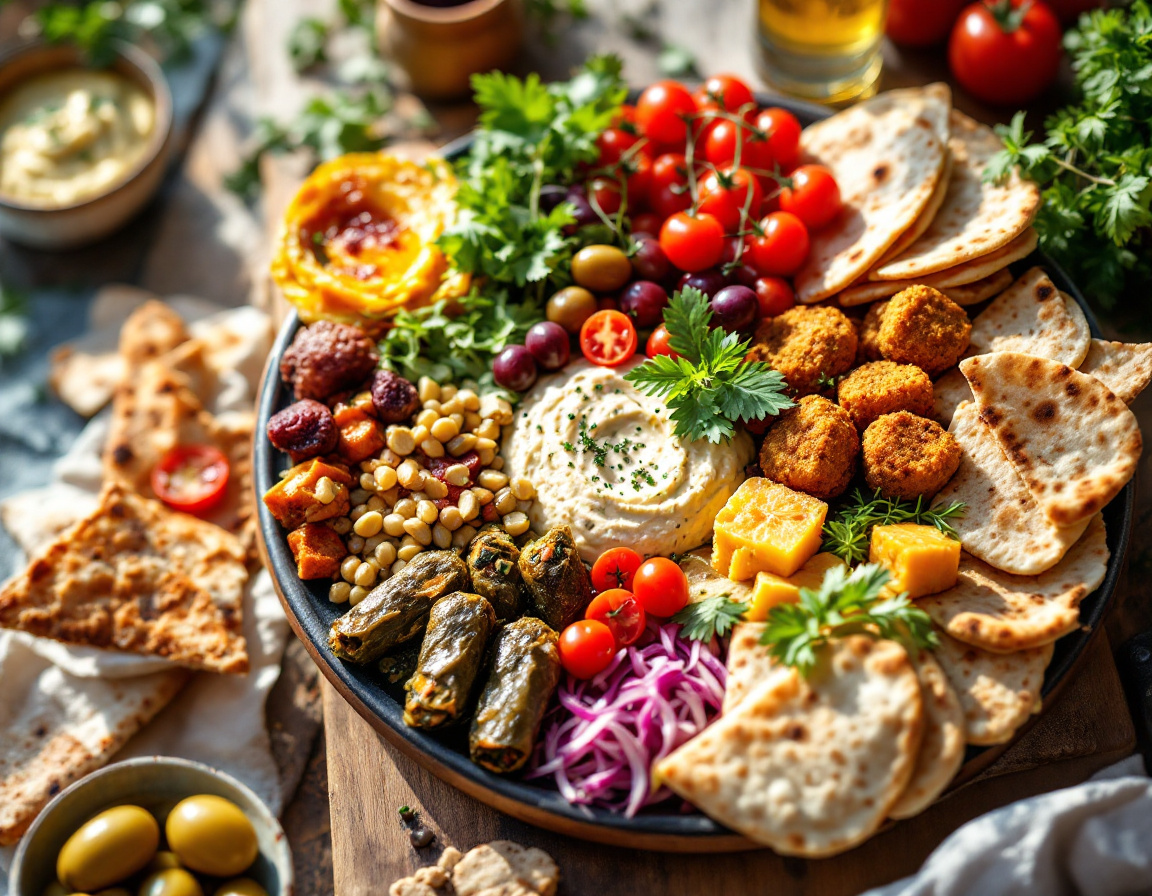
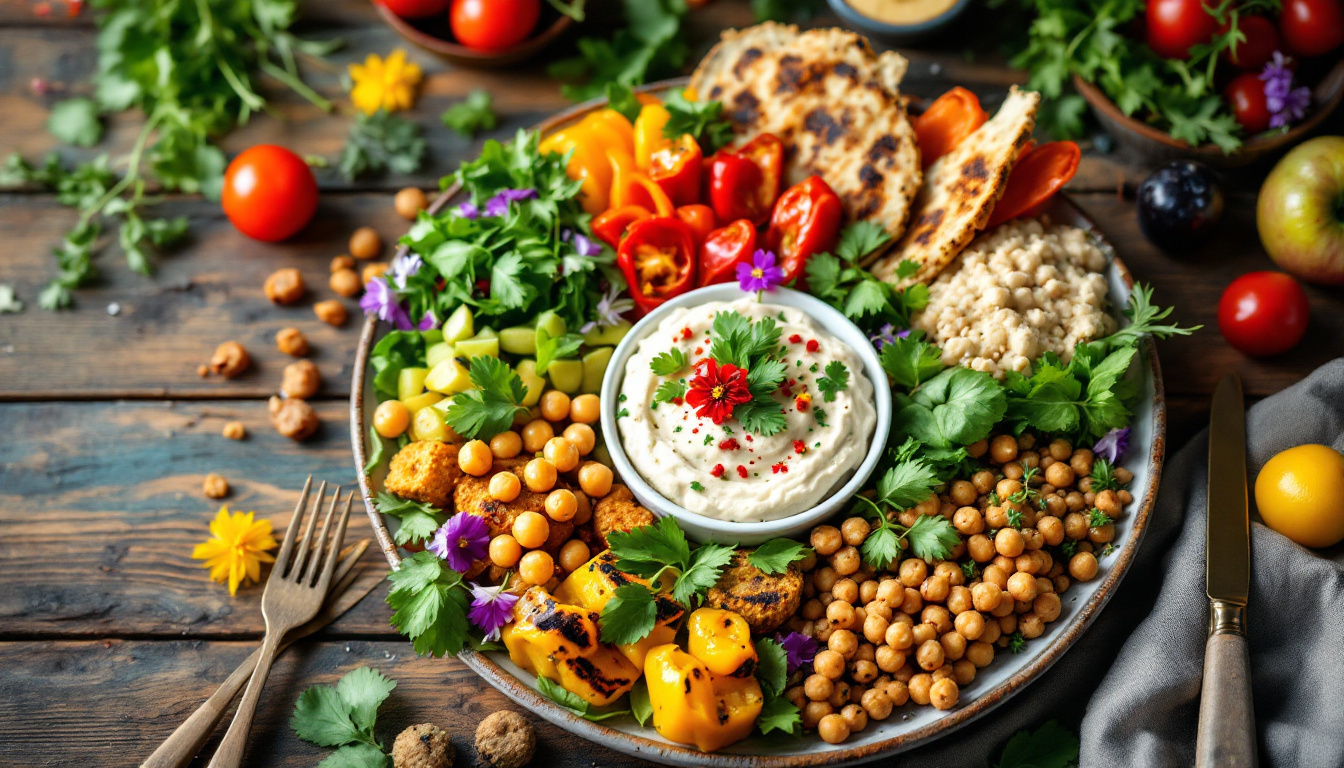
Mezze culture is a gift to vegetarians. Hummus, baba ganoush, falafel, tabbouleh, fattoush, stuffed grape leaves, foul medames, and warm pita make a full table before a single piece of meat appears, and most of it is naturally vegan. Lebanese, Palestinian, Syrian, and Turkish cooking all share this plant-forward mezze base. Israel belongs here too. Tel Aviv has one of the highest vegan populations on earth, and dishes like sabich and shakshuka make it a plant-based stronghold (more on that below). Explore it through our Africa and Middle East guide and the Turkey food guide.
4. Italy
Italian food is quietly one of the most vegetarian-friendly cuisines in Europe. Margherita and marinara pizza, pasta al pomodoro, cacio e pepe, melanzane alla parmigiana, ribollita, minestrone, and a whole world of vegetable contorni. The catch for vegans is cheese and egg, both central to many classics, but pasta with tomato or oil-based sauces and good bread carry you a long way. See our Italy food guide.
Marinara pizza (tomato, garlic, oregano, no cheese) is a genuine traditional dish, not a compromise. Ask for pasta “senza formaggio” and watch for egg in fresh pasta, dried pasta is almost always vegan.
5. Greece and the Eastern Mediterranean
Greek cooking has a built-in vegan tradition thanks to Orthodox fasting (nistisima), when the devout skip all animal products for long stretches. That gives you gemista (stuffed vegetables), gigantes (baked beans), fava, dolmades, briam, and horta, all naturally plant-based. Add Greek salad and fresh bread with olive oil and you eat very well. Details in our Greece food guide.
6. Thailand
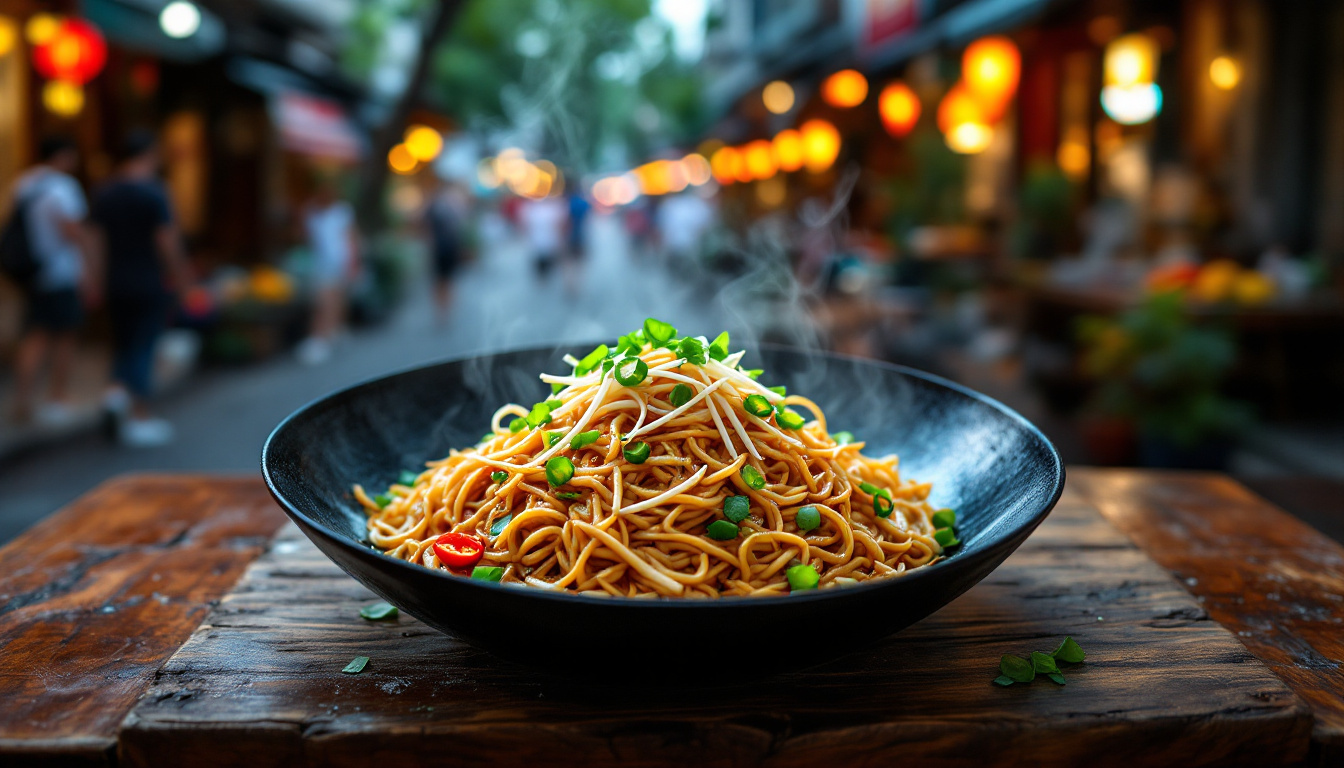
Thai food is a vegetarian pleasure once you get past the fish sauce. Look for “jay” (the Thai vegan tradition, marked with a yellow-and-red sign), which excludes meat, fish sauce, and even pungent vegetables. Green curry, pad thai, som tam, and stir-fried morning glory can all be made vegetarian. Plan with our Thailand food guide and the Chiang Mai guide, which has a strong jay scene.
The hidden animal products are fish sauce (nam pla), oyster sauce, and shrimp paste (kapi), which are in almost everything by default. Say “jay” or “mang sa wirat, mai ao nam pla” (vegetarian, no fish sauce) and stick to jay stalls when you can.
7. Indonesia and Bali
Bali is the easiest place in Southeast Asia to eat plant-based, thanks to a strong wellness scene layered over genuine local options like gado-gado (vegetables in peanut sauce), tempeh and tofu in every form, urap, and sayur. Tempeh was invented here, and it is everywhere. See our Bali food guide and the wider Indonesia guide.
8. Ethiopia
Ethiopian food may be the best vegan cuisine you’ve never tried. Orthodox fasting days mean every restaurant serves a “fasting plate” (yetsom beyaynetu): spongy injera topped with spiced lentils (misir wot), split peas (kik alicha), collard greens (gomen), and cabbage, all vegan by tradition and eaten by hand. No special menu required. Just order the fasting platter.
9. Mexico
Mexican food is more plant-friendly than its reputation suggests. Bean and cheese antojitos, nopales (cactus), rajas, esquites, guacamole, quesadillas, and chiles rellenos give vegetarians plenty, and corn tortillas are naturally vegan. Watch for lard (manteca) in beans and masa. Our Mexican food guide has the dishes.
10. Vietnam
Vietnam has a deep Buddhist vegetarian tradition (com chay), with dedicated chay restaurants in every city and meat-free versions of pho, banh mi, and fresh spring rolls. On the first and fifteenth of each lunar month, many cooks go vegetarian and chay food is everywhere. Plan with our Vietnam food guide and the Hanoi guide.
11. Georgia
Georgia is the surprise on this list. The Georgian Orthodox calendar sets roughly 200 fasting days a year, when observant believers give up meat, dairy and eggs, so the cuisine grew a whole vegan repertoire that sits on ordinary menus rather than in health-food cafes: pkhali (minced spinach, beet or leek bound with walnuts, garlic and herbs), badrijani nigvzit (fried aubergine rolls filled with walnut paste), lobio (kidney beans stewed with coriander in a clay pot), lobiani (bean-stuffed bread) and mchadi cornbread. Walnuts do the job dairy does elsewhere, which is why so much of it tastes rich, and during Lent many restaurants add dedicated fasting dishes. The trap is cheese: khachapuri and plenty of breads are loaded with it. Plan it with our Georgia food guide.
12. Jamaica
Jamaica’s plant-based tradition comes from Rastafari and is called ital, from the word “vital”: food that is natural and unprocessed, meant to build livity, the life energy Rastafari see running through all things. Strict ital cooking is vegan, and the most devout cooks leave out salt as well. The signature is ital stew, root vegetables, pumpkin and beans simmered in coconut milk with thyme and scotch bonnet, and ital cookshops also turn out callaloo and rice and peas cooked with kidney beans and coconut milk. Outside ital kitchens, ask about saltfish, which often goes into callaloo and always comes with ackee. For the Caribbean diaspora version, see the Brixton section of our London food guide.
The world’s great vegan cities
The cuisines above are about deep tradition. But if you want a city where dedicated vegan restaurants are on every block and “vegan” is the default rather than a footnote, a handful of modern capitals lead the way.
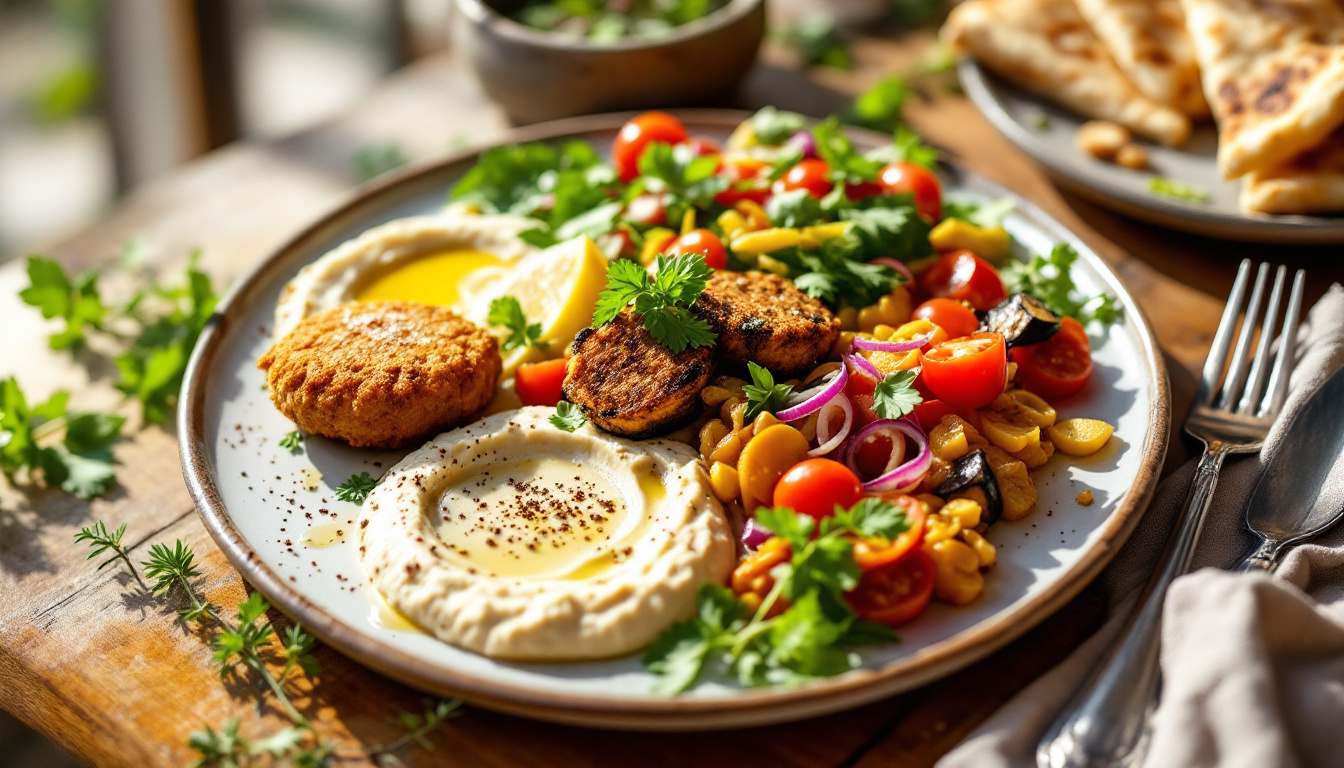
Widely called the vegan capital of the world. Roughly five percent of Israelis are vegan, the highest share anywhere, so plant-based options are everywhere and rarely an afterthought: falafel and hummus that need no edits, sabich, and a wave of fully vegan restaurants and street stalls.
Europe’s modern vegan capital. Döner shops serve seitan versions without irony, supermarkets dedicate whole aisles to plant-based products, and the city has one of the densest concentrations of vegan restaurants and even vegan supermarkets on the continent.
The most underrated vegan city on earth. Generations of Buddhist and I-Kuan Tao vegetarianism mean dedicated meat-free buffets and restaurants (look for the su character) on nearly every block, at local prices.
Beyond the jay tradition, both cities now have thriving modern vegan scenes, with convenience stores stocking plant-based pork buns and soy yogurt. Chiang Mai in particular is a long-running haven for plant-based digital nomads.
Honorable mentions for dedicated vegan dining: London, Los Angeles, Lisbon, and Warsaw are all fast-growing, and Phuket was recently measured as having the highest density of vegan restaurants per capita in the world.
Quick country comparison
| Country | Best for | Signature meat-free dish | Hidden animal product |
|---|---|---|---|
| India | Vegetarian and vegan | Thali, masala dosa, chana masala | Ghee, paneer, curd |
| Japan | Refined vegan (temple) | Shojin ryori, vegetable tempura | Dashi (bonito stock) |
| Korea | Temple vegan | Sachal eumsik, bibimbap (no egg) | Anchovy stock, fish sauce in kimchi |
| Lebanon/Turkey | Vegan mezze | Hummus, falafel, tabbouleh | Yogurt, occasional meat stock |
| Italy | Vegetarian | Marinara pizza, pasta al pomodoro | Cheese, egg in fresh pasta |
| Greece | Vegan (fasting food) | Gemista, gigantes, dolmades | Feta, occasional meat stock |
| Thailand | Vegetarian (jay) | Pad thai jay, green curry | Fish sauce, oyster sauce, shrimp paste |
| Indonesia | Vegan (Bali) | Gado-gado, tempeh, urap | Terasi (shrimp paste), chicken stock |
| Ethiopia | Vegan (fasting plate) | Yetsom beyaynetu, misir wot | Niter kibbeh (spiced butter) |
| Mexico | Vegetarian | Quesadillas, nopales, esquites | Lard (manteca), chicken stock |
| Georgia | Vegan (fasting food) | Pkhali, lobio, badrijani nigvzit | Cheese in khachapuri and breads |
| Jamaica | Vegan (ital) | Ital stew, callaloo, rice and peas | Saltfish, meat stock outside ital kitchens |
“Best for” reflects how easy each cuisine makes plant-based eating by tradition, not the number of dedicated vegan restaurants.
Hidden animal products to watch for
The dishes that look vegetarian but are not catch travelers everywhere. These five are the usual culprits, and knowing them by name solves most of the problem:
- Fish sauce and shrimp paste. The default seasoning across Southeast Asia, in stir-fries, curries, dressings, and dips. Ask for “jay” (Thailand) or “chay” (Vietnam) to be safe.
- Dashi. Japanese stock made from bonito (dried fish), hiding in miso soup, broths, and simmered dishes that otherwise look vegetable-based.
- Ghee and dairy. Clarified butter on Indian dals and breads, and paneer or curd in dishes that read as vegetable. Vegan travelers should name all three.
- Lard. Manteca in Latin American beans, masa, and tortillas, and animal fat in refried beans. Ask “sin manteca.”
- Gelatin and rennet. Gelatin in desserts and gummies, animal rennet in many traditional cheeses. The vegan’s quiet enemy in Europe.
How to order without meat anywhere
A few habits make plant-based travel smooth almost everywhere:
- Seek out the tradition, not the trend. Temple restaurants, fasting plates, and “pure veg” signs beat trendy vegan cafes for value and authenticity.
- Learn three phrases. “No meat, no fish,” “no [local hidden ingredient],” and “is there [ingredient] in this?” cover most situations.
- Eat where the meal is built for it. Indian thali, Levantine mezze, and Ethiopian fasting plates are complete meals by design, no substitutions needed.
- Use the lunar calendar in Buddhist countries. In Vietnam, Thailand, and Taiwan, vegetarian food multiplies on specific days of the lunar month.
- Carry a written translation. A phone note in the local language naming what you avoid removes the guesswork at stalls where no one speaks English.
Frequently asked questions
What is the best country for vegetarian travelers?
India, without question. Around a third of the country is vegetarian, restaurants are widely marked “pure veg,” and a meatless thali is a complete, layered meal. No other country makes plant-based eating this normal or this good.
Where is the best vegan food in the world?
For refined vegan cooking, East Asian temple cuisine (Korean sachal eumsik, Japanese shojin ryori) and Taiwan lead. For everyday vegan eating, Ethiopian fasting plates, Indian south, and Levantine mezze are unbeatable and naturally plant-based by tradition.
What animal products hide in “vegetarian” food abroad?
The big five are fish sauce and shrimp paste (Southeast Asia), dashi (Japan), ghee and dairy (India), lard (Latin America), and gelatin or animal rennet (Europe). Naming the specific ingredient when you order solves most problems.
Is it hard to eat vegan in Southeast Asia?
It takes care because fish sauce and shrimp paste are default seasonings, but the Buddhist vegetarian tradition makes it manageable. Look for “jay” in Thailand and “chay” in Vietnam, which mark fully meat-free and usually vegan food.
Can you eat well as a vegetarian in Italy?
Yes. Margherita and marinara pizza, pasta al pomodoro, cacio e pepe, melanzane alla parmigiana, and a wide range of vegetable contorni make Italy very vegetarian-friendly. Vegans should watch for cheese and egg in fresh pasta.
How do I order vegetarian food when I do not speak the language?
Keep a phone note written in the local language stating “no meat, no fish” plus the specific hidden ingredient to avoid. Seek out cuisines with built-in meat-free meals like Indian thali, Levantine mezze, or Ethiopian fasting plates, where no substitutions are needed.
What is the vegan capital of the world?
Tel Aviv is the one most often given the title, with around five percent of Israelis vegan and plant-based options built into menus and street food by default. Berlin and Taipei are close behind, both packed with dedicated vegan restaurants.
Which city has the most vegan restaurants?
By sheer numbers, big cities like London, Berlin, Bangkok, and Los Angeles top the lists, while Tel Aviv and Taipei lead on how normal vegan eating is. By density per resident, Phuket in Thailand was recently measured as the highest in the world.
More food guides waiting for you
Country-by-country deep dives across every continent we have eaten our way through.