The best food to eat in Mexico is one of the world’s great cuisines, recognized by UNESCO and built on corn, chili, and centuries of indigenous cooking. Forget the Tex-Mex of nachos and hard shells: real Mexican food is regional, ancient, and astonishingly varied, from a two-peso street taco al pastor to a mole with thirty ingredients that takes days to make.
My first real taco al pastor in Mexico City changed how I think about street food: pork shaved off a spinning trompo, a slice of charred pineapple flicked onto two small corn tortillas, salsa, onion, cilantro, lime, gone in three bites for almost nothing. Mexican food rewards eating where the locals queue, at the taquería at midnight, the market fonda at lunch, the mole stall in an Oaxaca market, each dish tied to a specific place.
This guide covers tacos and antojitos, the great regional dishes, the sweets, and the drinks, region by region, with what to order and what it costs. It sits in our Americas collection alongside our Lima food guide and beyond.
Why Mexican food is worth the trip
Mexican food is worth a trip because it is a UNESCO-listed world cuisine built over thousands of years on the indigenous trinity of corn, beans, and chili, refined by the Aztec and Maya and layered with Spanish and Arab influence. It is also fiercely regional: the mole and mezcal of Oaxaca, the achiote and citrus of the Yucatán, the seafood of the Pacific and Baja, and the tacos and street food of the capital are almost different cuisines.
And the best of it is cheap and on the street. The taquería, the market fonda, the antojito stand, these are where Mexican food lives, where a few pesos buys some of the best eating on earth. Forget the Tex-Mex stereotype; real Mexican food is fresh masa, complex salsas, and slow-cooked depth.
Tacos: what to order from the taquería
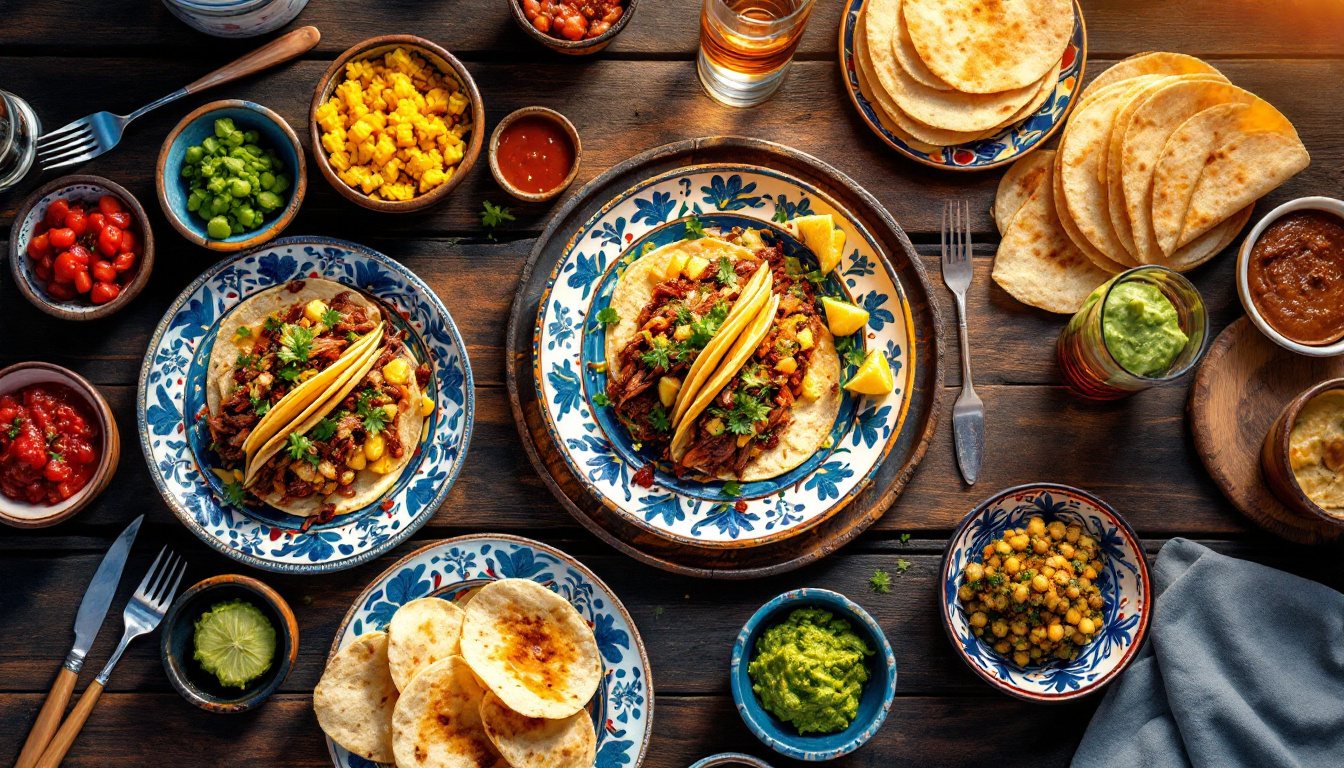
The taco is the heart of Mexican street eating: a small soft corn tortilla, a filling, salsa, onion, cilantro, and lime. The fillings are a world of their own.
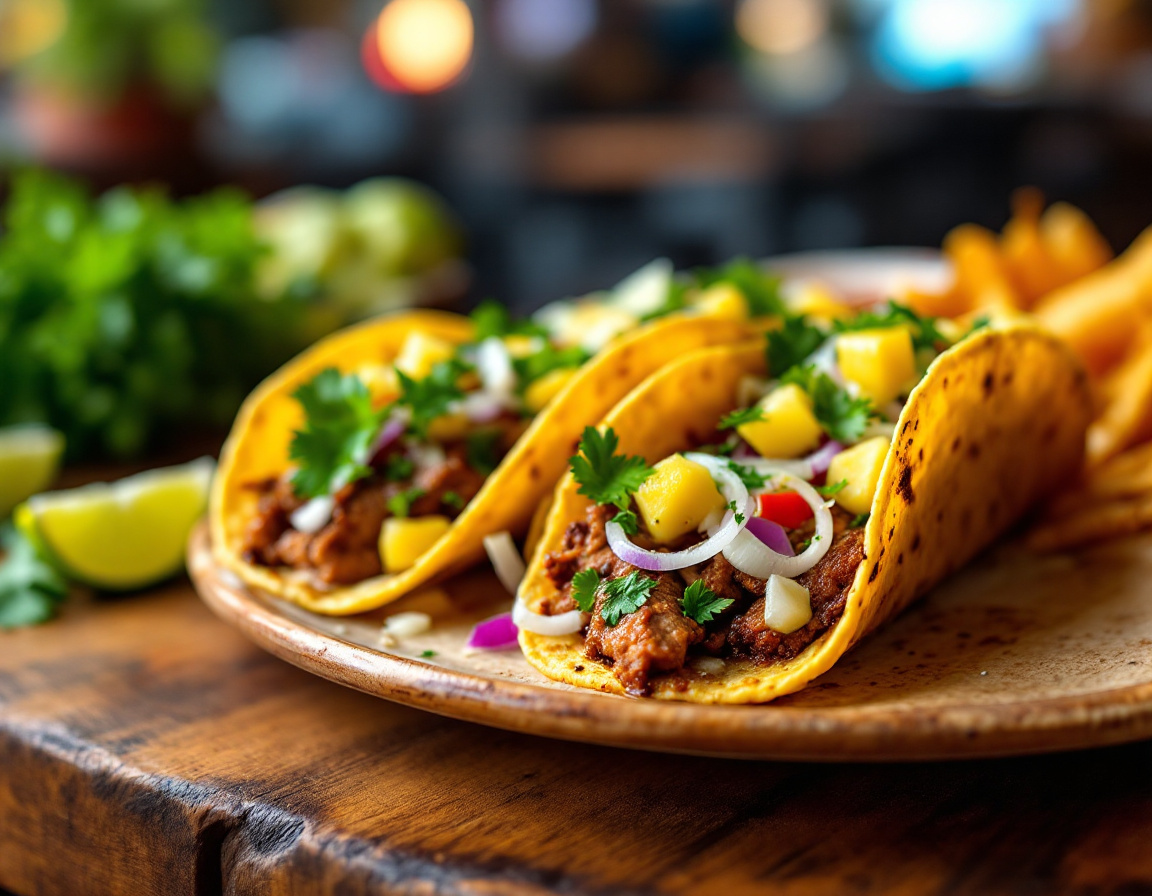
Tacos al Pastor Tacos al pastor
Pork marinated in chilies and achiote, stacked on a vertical spit (trompo) with a pineapple on top, slow-roasted and shaved off to order, with the taquero flicking a sliver of charred pineapple onto each pair of small corn tortillas. Brought by Lebanese immigrants (a cousin of shawarma), it is now the defining Mexico City taco, eaten with onion, cilantro, salsa, and lime.
MXN 15 to 25 a taco. Best from a busy late-night taquería where the trompo never stops turning.
- Carnitas. Pork slow-confited in its own fat until tender and crisp at the edges, chopped to order; a Michoacán specialty sold by weight on weekends.
- Suadero and tacos de guisado. Slow-cooked beef cut from between belly and leg, and stewed-dish tacos (chicharron in salsa verde, tinga, rajas) ladled from clay pots.
- Barbacoa and birria. Lamb or goat slow-steamed in maguey leaves (barbacoa, the Sunday taco), and the chili-rich birria stew now famous as the cheese-crisped quesabirria taco.
- Tacos de pescado and camaron. Baja-style battered fish and shrimp tacos with cabbage and crema, the great Pacific-coast contribution.
Antojitos: tamales, tortas and street eats
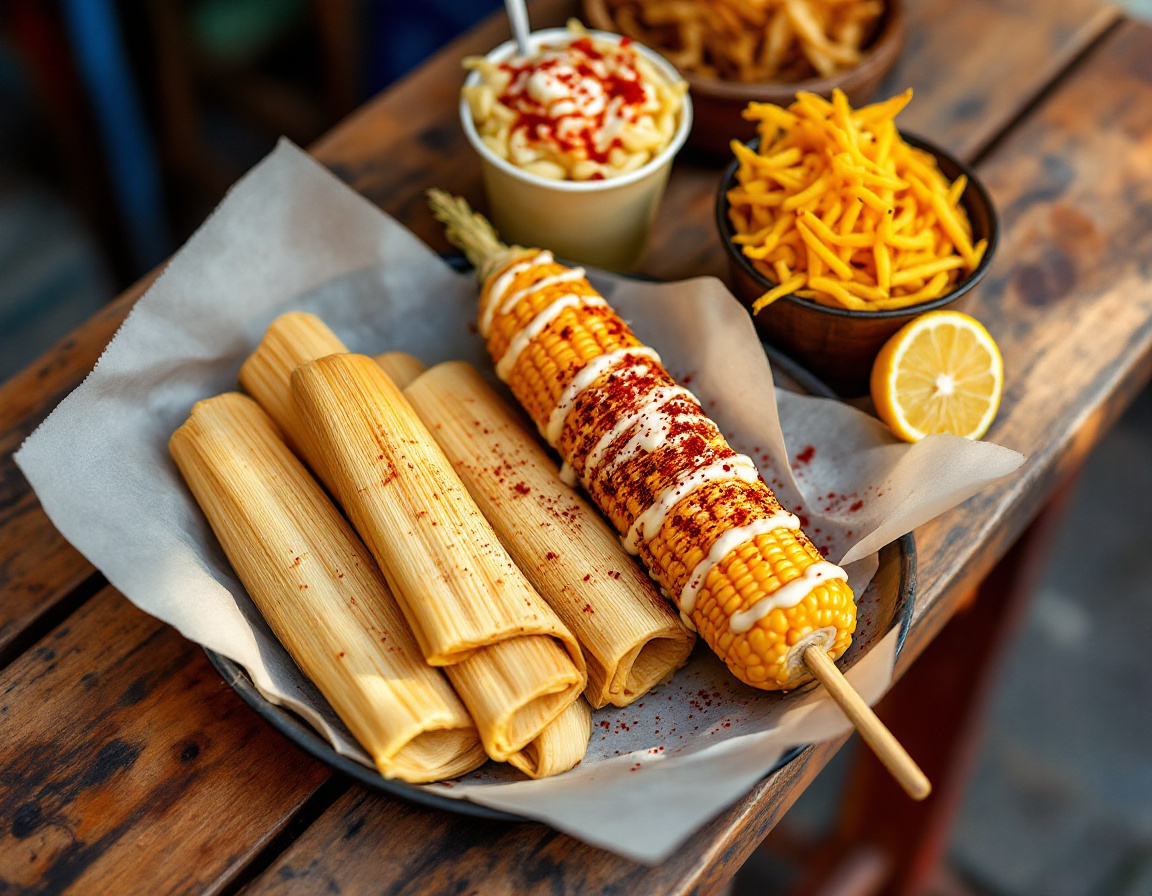
Tamales Tamales
Masa (corn dough) filled with meat in salsa, cheese and chili, or sweet fruit, wrapped in a corn husk or banana leaf and steamed. A pre-Hispanic food eaten at dawn from street steamers, and in Mexico City stuffed into a bread roll as the carb-on-carb guajolota torta. Oaxaca wraps its mole tamales in banana leaf.
MXN 15 to 30 each. A morning tamal with a cup of atole (warm corn drink) is the classic Mexican breakfast on the go.
Chilaquiles Chilaquiles
Fried tortilla triangles (totopos) simmered just enough in salsa verde or roja to soften without going soggy, topped with crema, crumbled cheese, raw onion, and often a fried egg or shredded chicken. The definitive Mexican breakfast and hangover cure, eaten at home and at every fonda.
MXN 60 to 110. Ask for them “no muy aguados” (not too soggy) if you like the chips with some bite.
- Quesadillas, sopes and huaraches. Masa griddled with cheese (and in Mexico City, famously, optional cheese), and thicker masa boats and oblong “sandals” topped with beans, salsa, cream, and meat.
- Tlacoyos and tlayudas. Stuffed masa torpedoes with beans or fava, and the giant crisp Oaxacan “Mexican pizza” tlayuda spread with bean paste, asiento, cheese, and meat.
- Tortas and tortas ahogadas. The Mexican sandwich on a crusty bolillo or telera, and Guadalajara’s tortas ahogadas, pork sandwiches “drowned” in a fiery tomato-arbol chili sauce.
- Elote, esquites and guacamole. Grilled corn slathered in mayo, cheese, chili, and lime (or served in a cup as esquites), and fresh guacamole of mashed avocado, lime, chili, onion, and cilantro.
The great regional dishes
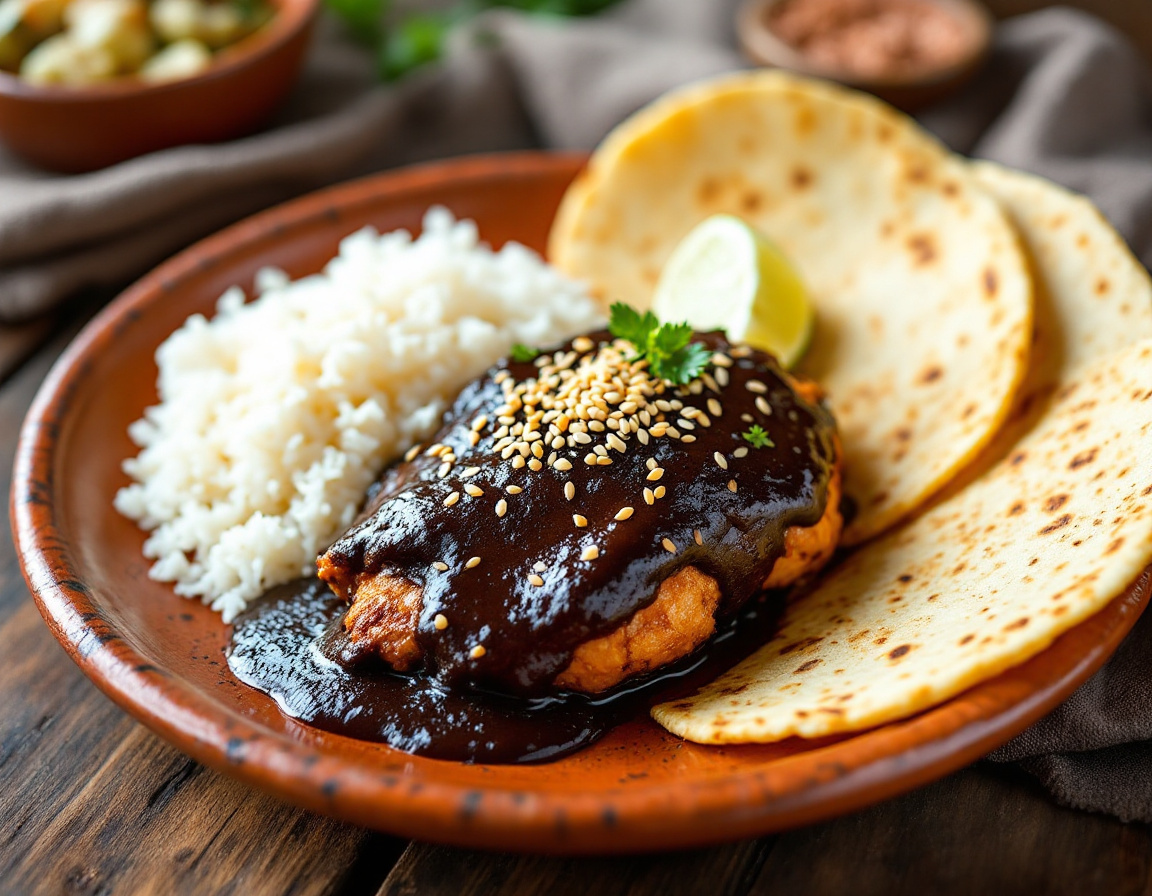
Mole Poblano Mole poblano
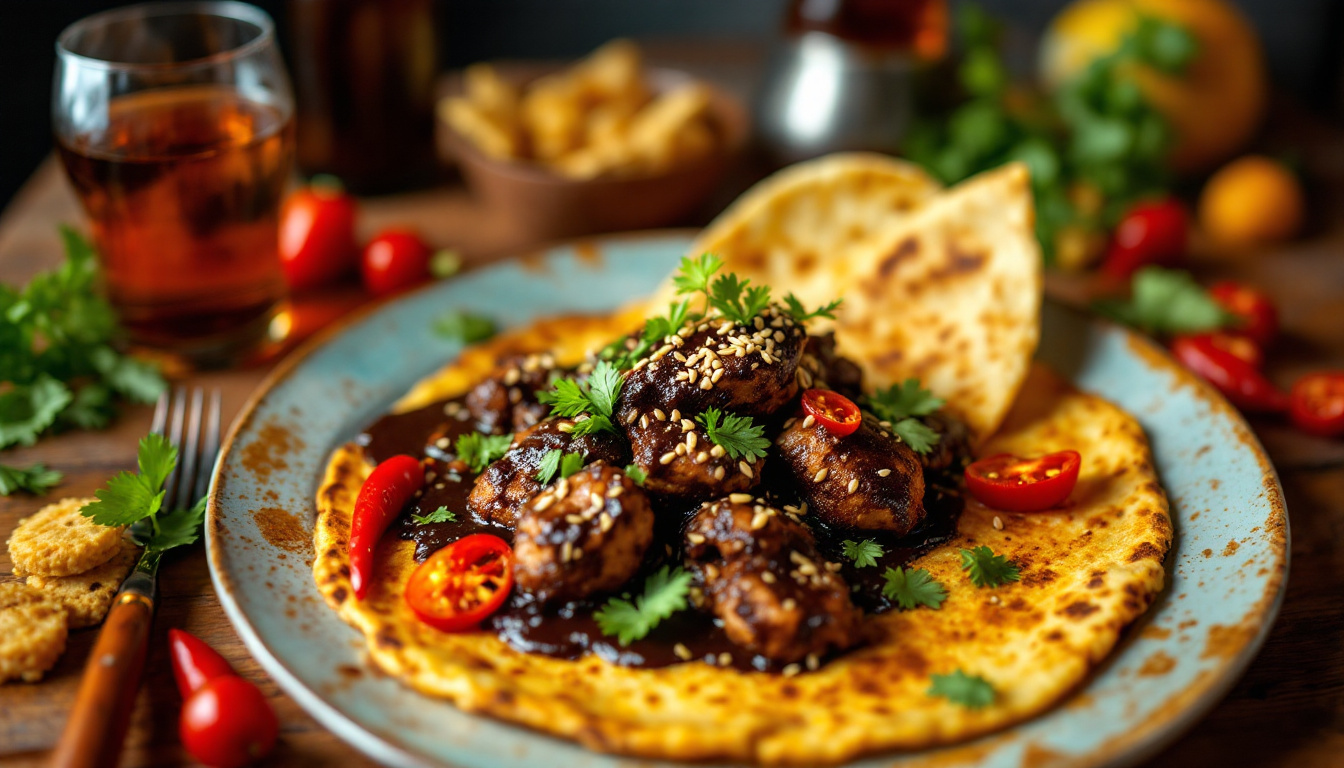
The most celebrated Mexican sauce: a dark, complex blend of several dried chilies, nuts, seeds, spices, fruit, and a little chocolate, ground and slow-cooked into a deep, barely-sweet sauce poured over turkey or chicken. Puebla and Oaxaca (land of seven moles, from negro to coloradito) are the heartlands, and a proper mole can take days and dozens of ingredients.
MXN 90 to 180. Oaxaca’s mole negro, served over chicken with rice, is the one to seek out.
Cochinita Pibil Cochinita pibil
Yucatecan pork marinated in achiote (annatto) and sour orange, wrapped in banana leaves, and slow-roasted in an underground pit (pib) until it falls apart, served in tacos or with rice and topped with pickled red onion and fiery habanero salsa. The deep red color and earthy-citrus flavor are unmistakable.
MXN 70 to 140, best at breakfast on a Sunday in Merida. Pair it with the Yucatan’s other classics: panuchos and salbutes.
Pozole Pozole
A brothy soup of hominy (large dried corn kernels) and pork (or chicken), red, green, or white depending on the chili base, served with a tray of toppings you add yourself: shredded cabbage or lettuce, radish, raw onion, oregano, lime, chili, and crisp tostadas. A pre-Hispanic dish and the centerpiece of Thursday and weekend family meals.
MXN 80 to 150. The ritual of dressing your own bowl is half the pleasure.
- Chiles en nogada. Poblano chilies stuffed with sweet-savory picadillo, draped in a cold walnut cream sauce, and dotted with pomegranate, the red-white-green patriotic dish of late summer.
- Birria and menudo. The chili-braised goat or beef stew (and its quesabirria taco), and menudo, the tripe-and-hominy soup that is Mexico’s legendary hangover cure.
- Aguachile and Baja seafood. Raw shrimp “cooked” in lime and blitzed green chili, served wetter and spicier than ceviche, the star of the Pacific northwest.
- Ceviche and pescado a la talla. Citrus-cured fish and the grilled, chili-rubbed whole fish of the coasts, light and bright against the inland richness.
- Enchiladas. Corn tortillas dipped in chili sauce, rolled around chicken, cheese or egg, then baked or served wet under more sauce, crema and crumbled queso. The classics are enchiladas verdes (tangy tomatillo), rojas (dried-chili red), and enfrijoladas in a bean sauce; enchiladas mineras are the Guanajuato version loaded with carrots and potatoes.
Sweets and drinks
- Churros and chocolate. Fried ridged dough rolled in cinnamon sugar, dipped in thick Mexican hot chocolate spiced with cinnamon, a legacy of the country’s deep cacao history.
- Flan, tres leches and pan dulce. Silky caramel custard, the milk-soaked sponge cake, and the vast world of sweet breads (conchas, orejas) eaten with coffee.
- Agua fresca and horchata. Fruit waters (jamaica/hibiscus, tamarindo, melon) and the cinnamon-rice horchata, ladled from big glass barrels at every fonda.
- Mezcal, tequila and michelada. The agave spirits, tequila from Jalisco and smoky mezcal from Oaxaca sipped neat with orange and sal de gusano, and the michelada, beer with lime, chili, and a salted rim.
- Marquesita. A Yucatan street dessert: crepe batter griddled into a crisp rolled tube and filled with grated Edam cheese plus a sweet drizzle of cajeta, chocolate or honey. The salty-sweet contrast is what makes it addictive, sold from carts around Merida’s plazas at night.
Best food cities in Mexico
The greatest street-food city in the Americas: tacos al pastor, suadero, and guisado at all hours, the tamale and guajolota breakfast, fondas, markets like Mercado de San Juan, and a world-ranked fine-dining scene (Pujol, Quintonil).
Mexico’s culinary soul: the seven moles, tlayudas, chapulines (grasshoppers), string cheese (quesillo), the market mezcal, and the most distinct indigenous cooking in the country.
Puebla for mole poblano, chiles en nogada, and cemita sandwiches; Merida and the Yucatan for cochinita pibil, panuchos, salbutes, sopa de lima, and the citrus-and-achiote Mayan kitchen.
Guadalajara for tortas ahogadas, birria, and tequila country; the Pacific (Baja, Sinaloa, Nayarit) for fish tacos, aguachile, and ceviche straight off the boat.
Best food to eat in Mexico: the dish guide with prices and ratings
| Dish | Type | Region | Price (MXN) | Must-try |
|---|---|---|---|---|
| Tacos al pastor | Taco | Mexico City | 15–25 each | ★★★★★ |
| Mole poblano | Sauce/main | Puebla / Oaxaca | 90–180 | ★★★★★ |
| Cochinita pibil | Pork | Yucatan | 70–140 | ★★★★★ |
| Pozole | Soup | Central | 80–150 | ★★★★★ |
| Tamales | Masa | Nationwide | 15–30 | ★★★★★ |
| Chilaquiles | Breakfast | Nationwide | 60–110 | ★★★★★ |
| Chiles en nogada | Main (seasonal) | Puebla | 180–320 | ★★★★☆ |
| Tlayuda | Antojito | Oaxaca | 70–130 | ★★★★☆ |
| Birria / quesabirria | Stew / taco | Jalisco | 50–120 | ★★★★★ |
| Carnitas | Pork | Michoacan | by weight | ★★★★☆ |
| Tortas ahogadas | Sandwich | Guadalajara | 50–90 | ★★★★☆ |
| Aguachile | Seafood | Pacific NW | 120–220 | ★★★★☆ |
| Elote / esquites | Street food | Nationwide | 20–45 | ★★★★★ |
| Guacamole | Starter | Nationwide | 60–120 | ★★★★★ |
| Churros con chocolate | Dessert | Nationwide | 40–80 | ★★★★☆ |
| Enchiladas | Prepared | Nationwide | 60–120 | ★★★★★ |
| Marquesita | Street dessert | Yucatán | 40–70 | ★★★★☆ |
How to eat in Mexico
- Tacos are hand food. Fold a soft taco and eat it with your hands; cutlery on a street taco marks you as a tourist. Two small tortillas per taco is normal.
- Salsa is yours to control. The taquería sets out several salsas and limes; Mexican food is about building heat and acid to taste, not pre-drowning the plate.
- Eat where it is busy. The best taquería is the one mobbed with locals at the right hour; al pastor is a late-night food, barbacoa and birria are weekend mornings.
- Comida is the big meal. The main meal (comida) is mid-afternoon, roughly 2 to 4 PM; the menu del dia (set lunch) at a fonda is the best value going.
- Tipping is about 10 to 15 percent. Standard at sit-down restaurants; round up at stalls and for service.
For dining customs across other countries, see our guide to food etiquette around the world. Mexico City also ranks among our best food cities in the world.
How to eat well in Mexico on any budget
Prices here are 2026, in Mexican pesos, where about 19 pesos equals US$1. Street food is where Mexico shines and stays cheap: a couple of tacos, an elote, or a torta each run just a dollar or two, and the busiest stall is almost always the best one.
Budget: the taquería and market
Tacos at MXN 15 to 25 each, a tamal-and-atole breakfast, a fonda menu del dia for MXN 80 to 120, and elote or esquites from a cart. Mexico is one of the world’s great cheap-eating countries, and the street food is the best food.
Mid-range: fondas and regional restaurants
A full mole or cochinita pibil plate, a pozole feast, mezcal flights, and sit-down regional restaurants. The sweet spot for eating across Mexico’s regional cuisines without splurging.
High-end: world-ranked dining
Mexico City’s Pujol and Quintonil rank among the world’s 50 best restaurants, reinterpreting mole, masa, and indigenous ingredients, and Oaxaca and Baja have destination kitchens of their own. Even the top tables are a relative bargain.
Frequently asked questions about Mexican food
What is the national dish of Mexico?
Mexico has several contenders rather than one: mole poblano is often cited as the national dish, chiles en nogada is the patriotic dish, and tacos and pozole are the everyday icons. Mexican cuisine is UNESCO-listed and intensely regional, so the “national dish” depends on who you ask.
Is real Mexican food like Tex-Mex?
No. Tex-Mex (hard-shell tacos, nachos, chili con carne, lots of yellow cheese) is a US-Mexican border creation. Real Mexican food is built on soft corn tortillas, fresh salsas, complex moles, slow-cooked meats, and regional specialties, and it is far more varied and less cheese-heavy.
What is a taco al pastor?
Tacos al pastor are made from pork marinated in chilies and achiote, stacked on a vertical spit with pineapple on top, slow-roasted and shaved onto small corn tortillas with onion, cilantro, salsa, lime, and a sliver of charred pineapple. Brought by Lebanese immigrants, it is Mexico City’s signature taco.
How much does food cost in Mexico per day?
Mexico is excellent value. Street tacos are MXN 15 to 25 each, a fonda menu del dia MXN 80 to 120, and a regional restaurant meal MXN 150 to 300. Budget travelers eat extremely well on street food for a few dollars a day; fine dining is a relative bargain.
Is Mexican food good for vegetarians?
Yes, with care. Quesadillas, esquites, guacamole, tlacoyos, nopales (cactus), frijoles, rajas, mushroom and cheese tacos, and many antojitos are meat-free. Watch for lard (manteca) in beans and masa, and chicken broth in rice. Mexico City and Oaxaca have growing vegetarian and vegan scenes.
Is it safe to eat street food in Mexico?
Generally yes. Choose the busiest stalls with high turnover and food cooked to order in front of you, like tacos al pastor and quesadillas. Drink bottled or purified water, ease into raw salsas and seafood, and follow the local crowds. Most travelers eat street food happily.
More food guides waiting for you
Browse our complete collection of food guides from the Americas.