From Tokyo’s sushi counters and Bangkok’s sizzling wok stalls to Delhi’s spice-drenched street food, Asia is the greatest food continent on Earth. Asian cuisine is also the most diverse on the planet, so here’s the complete guide to eating your way across it, country by country.
If you only travel for one reason, let it be the food. Slurping ramen at a six-seat counter in Osaka, tearing into a fresh tandoori naan on a Delhi sidewalk, dipping spring rolls into nuoc cham at a Saigon market stall, this is the continent where eating stops being a side activity and becomes the whole point.
Best food in Japan: precision, freshness and umami
Japanese cuisine is built on respect for ingredients. The best sushi in Tokyo isn’t about fancy sauces. It’s about a single cut of fish, a perfect mound of vinegared rice, and decades of training behind the counter. The food scene goes far beyond sushi, though. Each region has specialties locals are fiercely proud of, from Hokkaido’s rich miso ramen to Osaka’s crispy takoyaki to Hiroshima’s layered okonomiyaki.
Must-try dishes in Japan
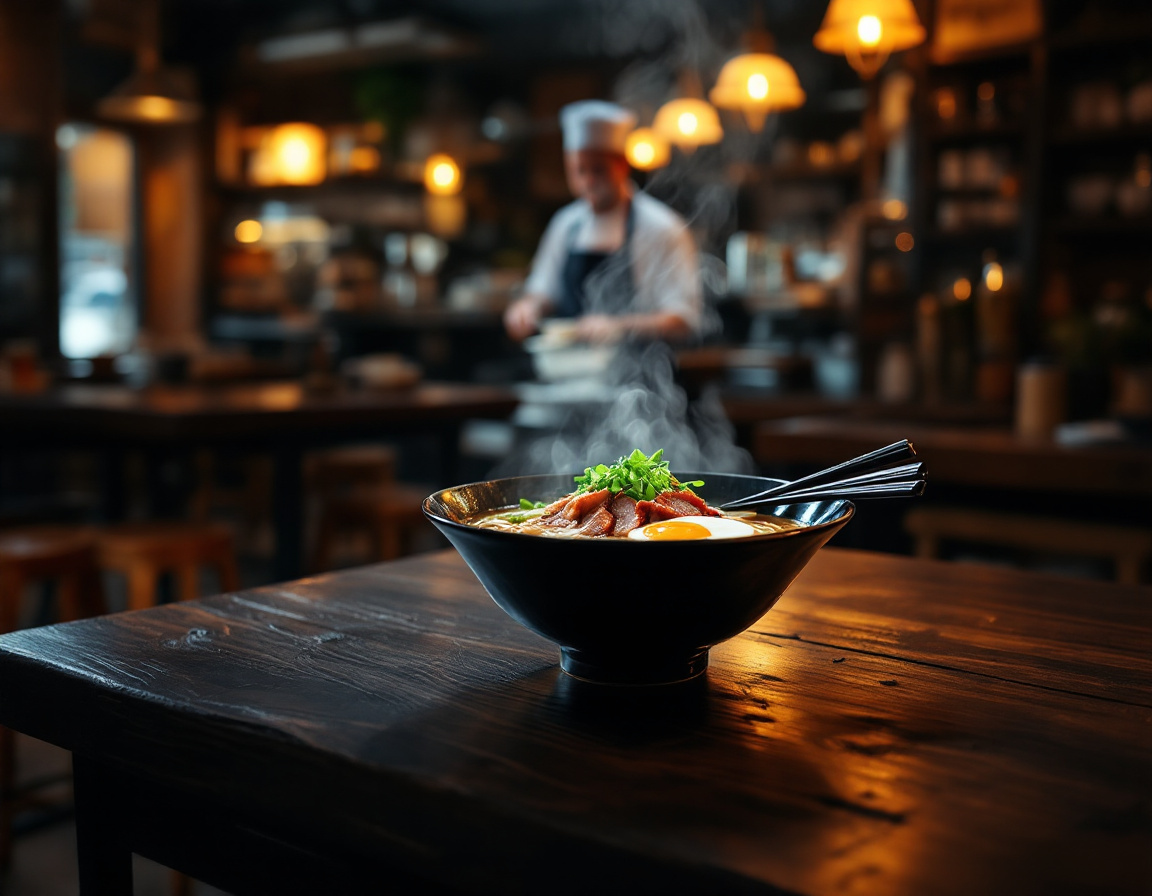
Ramen varies wildly by region. Tokyo-style shoyu (soy sauce) ramen is light and clear; Hakata-style tonkotsu from Fukuoka is creamy, porky, and rich; Sapporo is famous for miso ramen with butter and corn. A bowl costs ¥800-1,200 ($5-8 USD) at most local shops.
Sushi at a conveyor belt (kaiten-zushi) restaurant is surprisingly affordable, ¥100-300 per plate ($0.70-2 USD). For the high-end omakase experience, expect ¥15,000-30,000 ($100-200 USD) at top counters in Ginza. Mid-range standing sushi bars near Tsukiji Outer Market are the sweet spot for most travelers: incredible quality for ¥2,000-4,000 ($13-27 USD).
Other essentials: tempura (especially anago, sea eel), yakitori (grilled chicken skewers at smoky izakaya bars), tonkatsu (breaded pork cutlet with shredded cabbage), and okonomiyaki in Osaka. Don’t skip Japanese curry rice, the country’s favorite comfort food, available at chains like CoCo Ichibanya for under ¥800.
Full country guide: Best Food to Eat in Japan: Sushi, Ramen and Beyond. City deep dive: best food in Tokyo.
Best food in Thailand: street food, curries and bold flavors
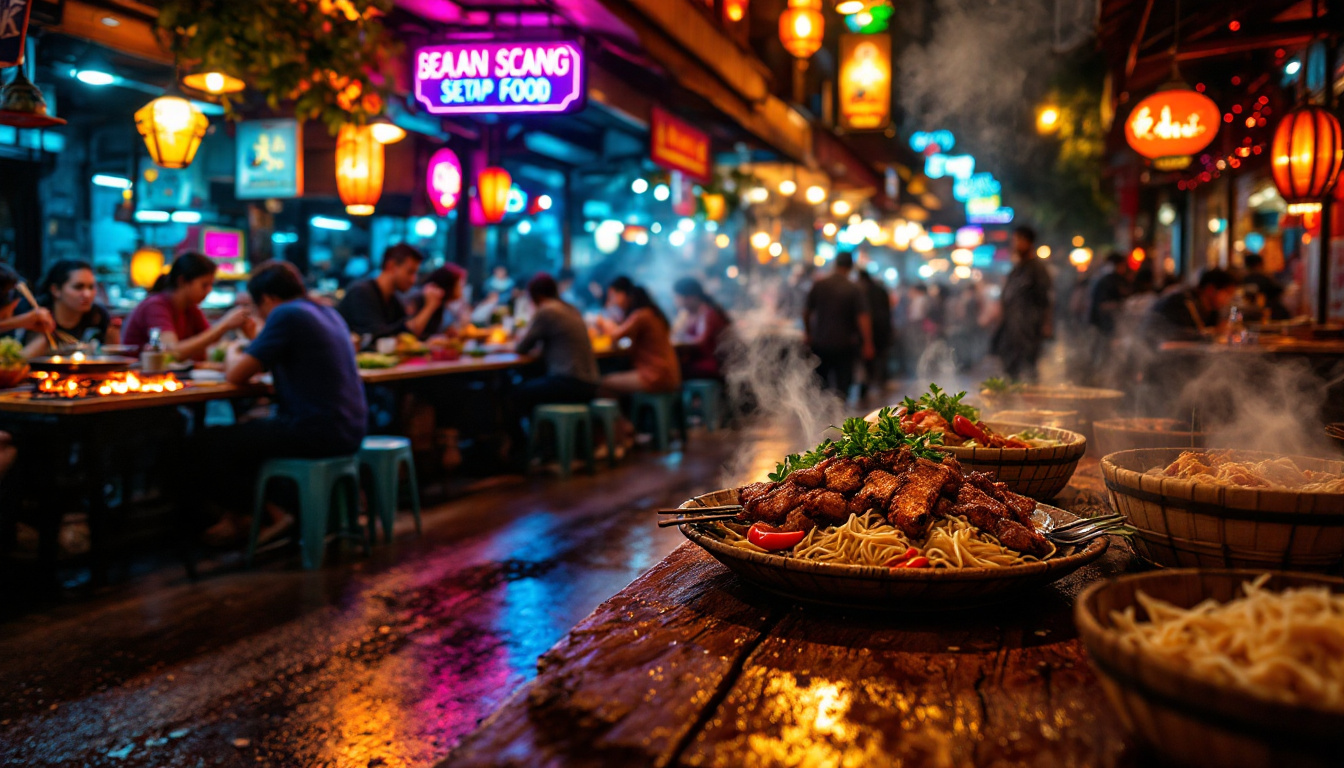
Thailand is the world’s undisputed street food champion. Bangkok alone has an estimated 300,000+ street food vendors, and the quality is staggering, Michelin-starred dishes served from carts on the sidewalk for 40-60 baht ($1-2 USD). Thai cuisine revolves around balancing four flavors in every dish: sweet, sour, salty, and spicy. Done right, each bite hits all four at once.
Must-try dishes in Thailand
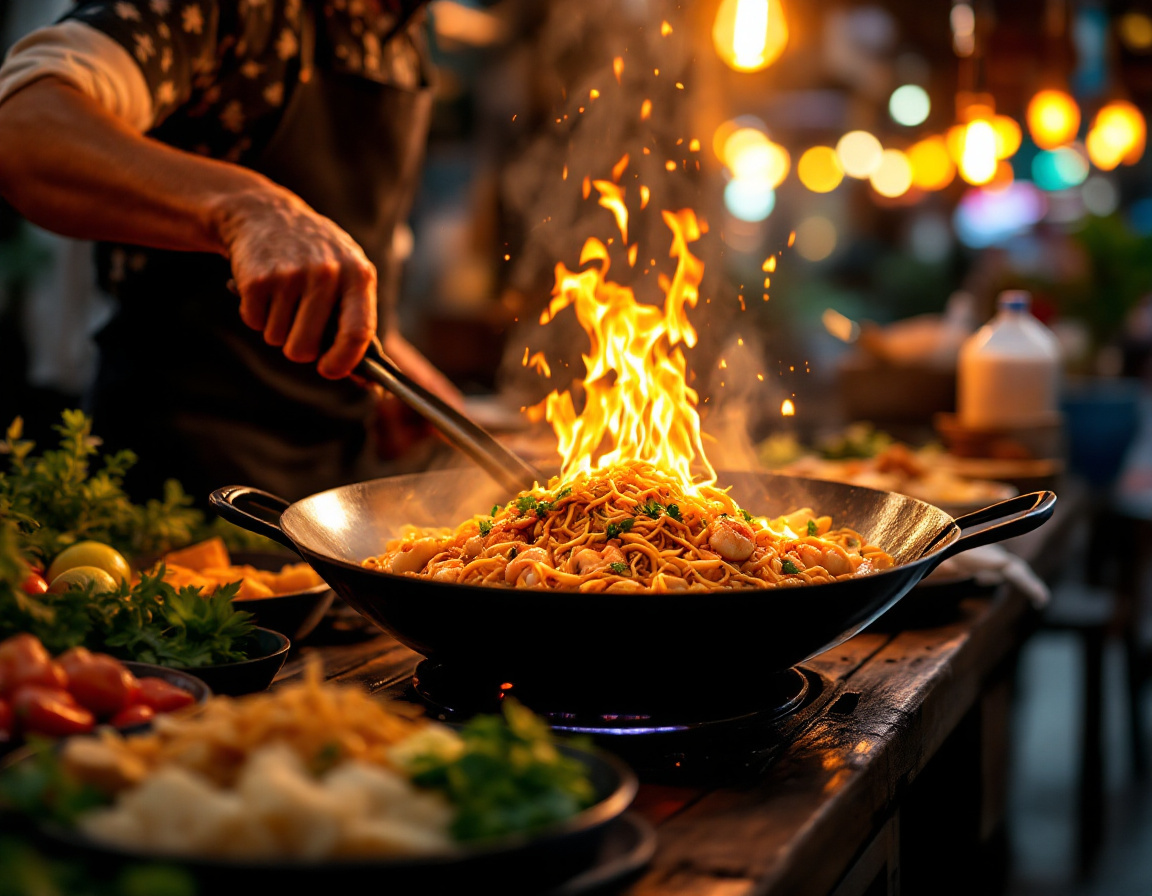
Pad thai is the ambassador dish, but the version at Thip Samai in Bangkok, wok-fried with shrimp and wrapped in a thin egg crepe, is nothing like the pale imitation served overseas. Cost: 60-100 baht ($1.70-3 USD).
Green curry (gaeng keow wan) is coconut-rich, fragrant with Thai basil and kaffir lime, and ranges from gently warm to face-meltingly spicy depending on where you order it. Southern Thai curries are hotter. Central Thai curries (Bangkok-style) are creamier.
Som tum (green papaya salad) is the dish most Thais eat daily. Pounded to order in a clay mortar: shredded green papaya, dried shrimp, peanuts, lime, fish sauce, chili, tomato. The Isaan (northeastern) version uses fermented crab and is an acquired taste. Start with the classic som tum thai.
Also try: khao soi (Chiang Mai’s famous coconut curry noodle soup), massaman curry (a southern specialty with Persian origins), tom yum goong (hot-and-sour shrimp soup), mango sticky rice (the best dessert in Southeast Asia), and boat noodles (tiny, intensely flavored bowls for 15 baht each).
Full country guide: Best Food to Eat in Thailand: Street Food, Curries and Tropical Flavors. City deep dive: best food in Bangkok.
Best food in India: a continent of flavors in one country
India doesn’t have one cuisine. It has dozens. Northern Indian food (creamy curries, tandoori meats, naan bread) is what most Westerners know, but it’s just the beginning. Southern India is all about rice, coconut, and vegetarian thalis. Coastal Goa has Portuguese-influenced seafood. Kolkata’s Bengali cuisine revolves around fish and mustard. And the street food alone, from Mumbai’s vada pav to Delhi’s chaat, could fill a lifetime of eating.
Must-try dishes in India
Butter chicken (murgh makhani) was invented in Delhi in the 1950s and remains India’s most famous export. The original is at Moti Mahal in Daryaganj, where it was created. Creamy tomato sauce, tender tandoori chicken, served with naan or rice. ₹250-400 ($3-5 USD) at local restaurants.
Biryani is India’s great rice dish, fragrant basmati layered with spiced meat, saffron, and fried onions, slow-cooked until the flavors meld. Hyderabadi biryani is the gold standard, but Lucknowi (Awadhi) biryani and Kolkata biryani with potato are also legendary. ₹150-350 ($2-4 USD).
Masala dosa from South India is a crispy fermented rice-and-lentil crepe filled with spiced potato, served with coconut chutney and sambar. Breakfast in Bangalore or Chennai is incomplete without it. ₹50-120 ($0.60-1.50 USD).
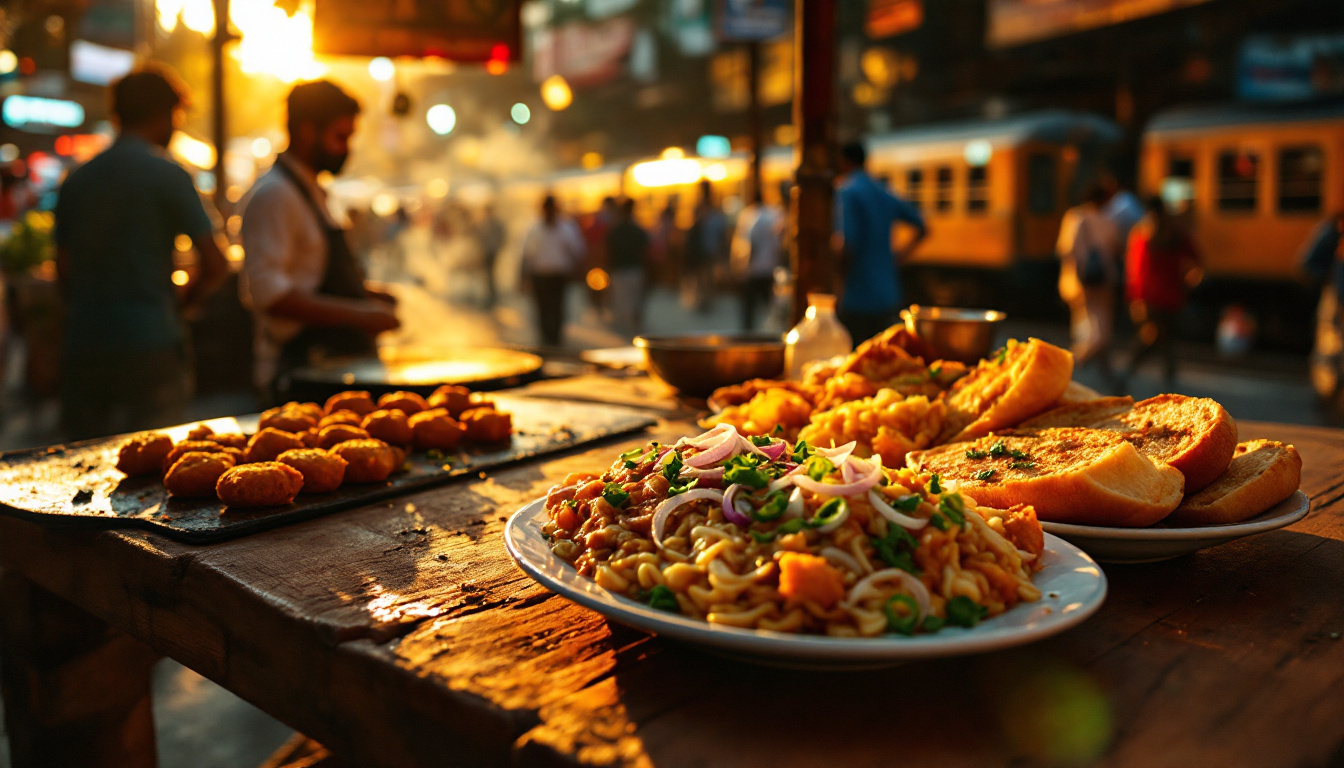
Street food stars: pani puri (hollow crispy shells filled with spiced water, messy, addictive), vada pav (Mumbai’s spicy potato fritter sandwich), chole bhature (chickpea curry with puffy fried bread), and jalebi (bright orange deep-fried syrup spirals).
Full country guide: Best Food to Eat in India: Regional Dishes Every Traveler Must Try.
Best food in Vietnam: fresh, light and impossibly addictive
Vietnamese food is defined by freshness. Every dish comes with a mountain of herbs, Thai basil, cilantro, mint, perilla, sawtooth herb, that you tear and add yourself. The cuisine is lighter than Thai food and less oily than Chinese, obsessed with balance between broth depth, herb brightness, chili heat, and the funk of fish sauce. And it’s one of the cheapest countries to eat in Asia.
Must-try dishes in Vietnam
Pho is Vietnam’s national dish, a clear, deeply savory beef or chicken broth ladled over rice noodles with thin-sliced meat, served with a plate of bean sprouts, lime, chili, and herbs. Hanoi pho is more austere and brothy. Ho Chi Minh City pho is sweeter with more garnishes. A bowl costs 35,000-60,000 VND ($1.40-2.50 USD).
Banh mi is the world’s greatest sandwich and the finest legacy of French colonialism in Asia. A crusty baguette stuffed with pâté, cold cuts, pickled daikon and carrot, cilantro, chili, cucumber. On every street corner for 15,000-30,000 VND ($0.60-1.20 USD).
Bun cha (Hanoi’s signature dish) is grilled pork patties and sliced pork belly served in a sweet-savory dipping broth with rice noodles and herbs. Obama ate it with Anthony Bourdain at Bun Cha Huong Lien, now known as “Bun Cha Obama.” Still only 50,000 VND ($2 USD).
Also essential: cao lau (Hoi An’s thick noodle specialty), banh xeo (crispy Vietnamese crepe), com tam (broken rice with grilled pork, Saigon’s breakfast), and egg coffee (ca phe trung) in Hanoi, a rich, custard-like coffee whipped with egg yolk.
Full country guide: Best Food to Eat in Vietnam: Essential Vietnamese Dishes. City deep dive: best food in Hanoi.
Best food in South Korea: fermented, fiery and social
Korean food is built on fermentation and fire. Kimchi (fermented chili cabbage) shows up at every single meal, breakfast, lunch, and dinner, alongside a constellation of small side dishes called banchan that arrive free with your order. Korean dining is social and interactive. You grill your own meat, share stews, and wrap bites in lettuce leaves at the table.
Must-try dishes in South Korea
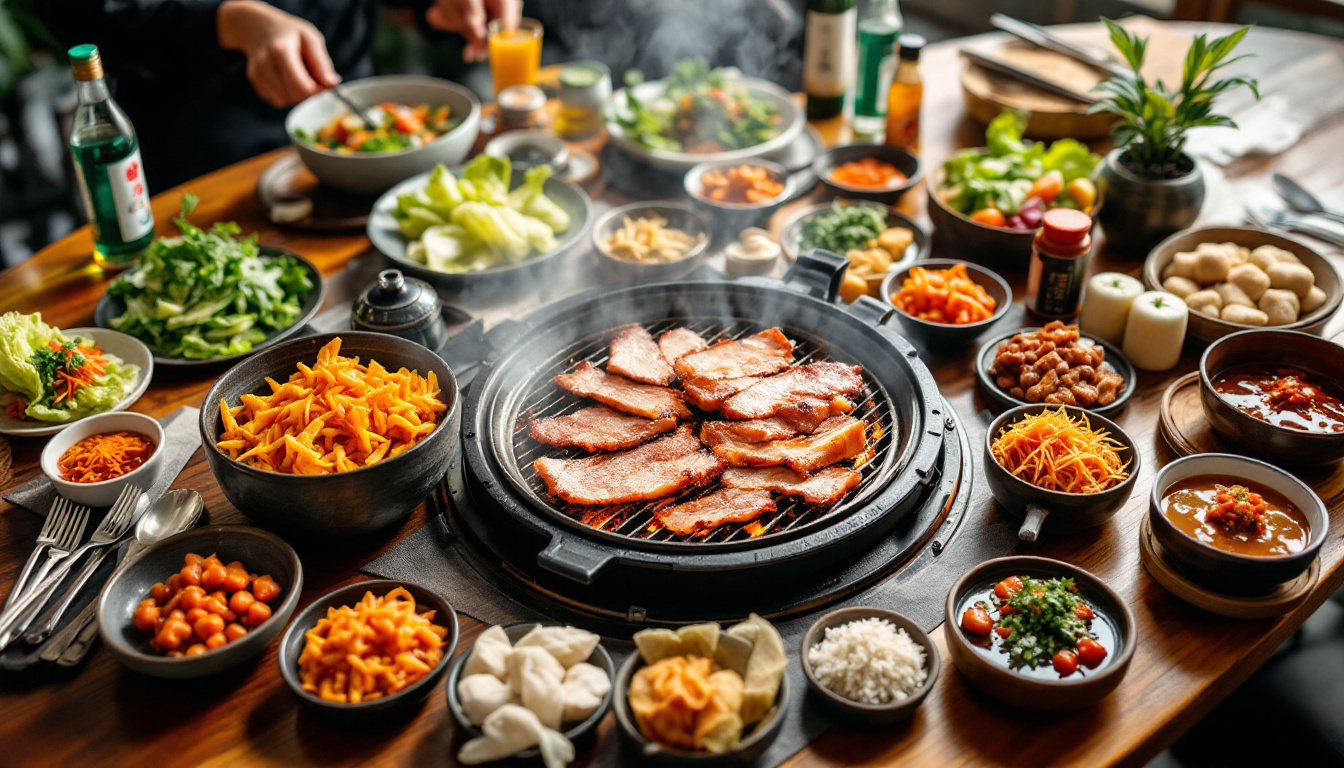
Korean BBQ (gogigui) is the headline experience, premium beef (hanwoo), pork belly (samgyeopsal), or marinated short ribs (galbi) grilled at your table. A BBQ session in Seoul runs ₩15,000-40,000 ($11-30 USD) per person including banchan, rice, and stew.
Bibimbap is rice topped with sautéed vegetables, chili paste (gochujang), a fried egg, and often beef. The Jeonju version, served in a hot stone bowl so the rice gets crispy, is the definitive one. ₩8,000-12,000 ($6-9 USD).
Tteokbokki (spicy rice cakes) is Korea’s most popular street food, chewy cylindrical rice cakes in a sweet-spicy gochujang sauce. Available at every market and pojangmacha (street stall) for ₩3,000-5,000 ($2-4 USD).
Don’t miss: kimchi jjigae (kimchi stew, the ultimate comfort food), japchae (glass noodles with vegetables), sundubu-jjigae (soft tofu stew), and chimaek, fried chicken with beer, Korea’s national late-night ritual.
Full country guide: Best Food to Eat in South Korea: Korean Dishes Every Visitor Should Order. City deep dive: best food in Seoul.
Best food in China: eight great cuisines and endless regional depth
Talking about “Chinese food” as one thing is like talking about “European food” as one thing. It misses the point entirely. China has eight officially recognized regional cuisines, each radically different. Sichuan is mouth-numbing and spicy. Cantonese, delicate and seafood-focused. Shandong is hearty and wheat-based, Hunan smoky and chili-hot. And that’s before you get to the street food of Xi’an, the hand-pulled noodles of Lanzhou, or the breakfast culture of Wuhan.
Must-try dishes in China
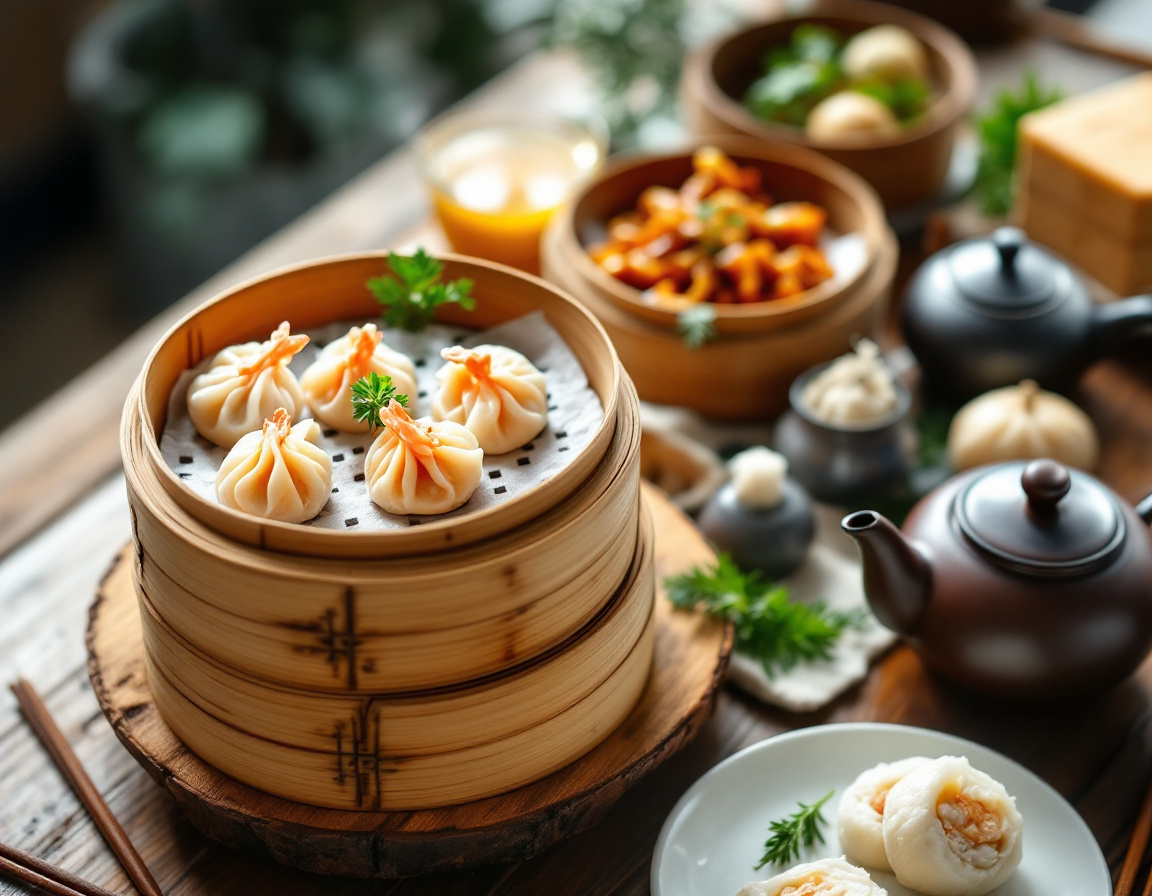
Dim sum (Cantonese, best in Hong Kong and Guangzhou) is a parade of small steamer baskets: translucent shrimp dumplings (har gow), pork siu mai, BBQ pork buns (char siu bao), rice noodle rolls (cheung fun). A proper dim sum session costs HK$100-200 ($13-26 USD) per person.
Peking duck in Beijing is ceremonial, lacquered, roasted until the skin crackles, carved tableside, and wrapped in thin pancakes with scallion and hoisin sauce. Da Dong and Quanjude are the classic restaurants. ¥200-400 ($28-55 USD) for a half duck.
Mapo tofu (Sichuan) is soft tofu in a fiery sauce of chili oil, fermented bean paste, Sichuan peppercorns, and ground pork. The numbing tingle of Sichuan pepper (mala) is unlike any other sensation in food. ¥20-40 ($3-6 USD) at local restaurants.
Regional highlights: xiaolongbao (Shanghai soup dumplings), Lanzhou hand-pulled beef noodles, Xi’an roujiamo (Chinese “hamburger”), Chongqing hotpot, and Yunnan crossing-the-bridge noodles.
Full country guide: Best Food to Eat in China: Classic Dishes From Every Region. City deep dive: best food in Hong Kong.
Best food in Malaysia: where every culture meets at the table
Malaysia’s food is the product of three culinary traditions colliding: Malay, Chinese, and Indian. The result is hawker centers where you eat Malay nasi lemak, Chinese char kway teow, and Indian roti canai, all within 20 meters of each other, all for under $2. Penang is regularly voted the best street food city in the world. The capital Kuala Lumpur isn’t far behind.
Must-try dishes in Malaysia
Nasi lemak is Malaysia’s national dish, fragrant coconut rice served with sambal (chili paste), crispy anchovies, roasted peanuts, cucumber, and a hard-boiled egg. The basic version from a banana-leaf wrapped packet costs RM 2-3 ($0.45-0.65 USD). Restaurant versions with fried chicken or rendang run RM 8-15 ($1.75-3.30 USD).
Laksa comes in two forms: Penang asam laksa (sour, tamarind-based fish broth, ranked among the world’s best foods by CNN) and curry laksa (coconut curry broth with noodles, tofu puffs, and shrimp). Both are extraordinary.
Rendang is a slow-cooked dry curry where beef or chicken simmers in coconut milk and spices until the sauce caramelizes into the meat. It takes hours to make and was voted the world’s most delicious food by CNN in 2017.
More essentials: roti canai (flaky flatbread with dhal), char kway teow (smoky wok-fried flat noodles), satay (grilled meat skewers with peanut sauce), and cendol (shaved ice dessert with palm sugar and coconut milk).
Full country guide: Best Food to Eat in Malaysia: Laksa, Rendang and Hawker Center Favorites.
Best food in Indonesia: 17,000 islands of flavor
Indonesia is the world’s largest archipelago, and its cuisine reflects that scale. Javanese food is sweet and mild. Padang food (from West Sumatra) is spicy, rich, and served in a dramatic tower of small plates. Balinese food has its own distinct character, with roasted suckling pig and mixed rice plates. And across all the islands, the warungs (small family-run eateries) serve some of the cheapest, most satisfying meals in Asia.
Must-try dishes in Indonesia
Nasi goreng (fried rice) is Indonesia’s national dish, wok-fried with sweet soy sauce (kecap manis), shallots, garlic, chili, topped with a fried egg, served with prawn crackers. Available literally everywhere for Rp 10,000-25,000 ($0.60-1.50 USD).
Rendang (shared with Malaysia but originally Minangkabau from West Sumatra) and satay (grilled skewers with peanut sauce) are Indonesia’s other global stars.
Nasi Padang is a Sumatran tradition where 10-15 small dishes are placed on your table and you pay for what you eat. Expect spicy rendang, fried fish, green chili eggs, cassava leaves, and fiery sambal. A full Padang lunch: Rp 25,000-50,000 ($1.50-3 USD).
Island specialties: babi guling (Balinese roast suckling pig), gudeg (Yogyakarta’s sweet jackfruit stew), soto ayam (chicken soup with turmeric), and martabak (stuffed pancake, the sweet version with chocolate and peanuts is legendary street food).
Full country guide: Best Food to Eat in Indonesia: Nasi Goreng, Satay and Island Flavors. City deep dive: best food in Bali.
Best food in the Philippines: bold, sour, sweet and underrated
Filipino food has long been Asia’s most underrated cuisine. But it’s finally getting global recognition. The flavor profile is unique: sour (vinegar-based dishes), sweet (caramelized meats), salty (fermented shrimp paste), rich (coconut milk stews). It’s comfort food dialed to the extreme, shaped by centuries of Malay, Chinese, Spanish, and American culinary contact.
Must-try dishes in the Philippines
Adobo is the unofficial national dish, chicken or pork braised in vinegar, soy sauce, garlic, bay leaves, and black peppercorns until tender and deeply savory. Every family has their own recipe. ₱80-150 ($1.40-2.60 USD) at local eateries (carinderias).
Lechon (whole roasted pig) is the centerpiece of Filipino celebrations. The best comes from Cebu, the skin crackling like glass, the meat juicy and herb-scented. Lechon Cebu portions: ₱150-300 ($2.60-5.20 USD).
Sinigang is a sour soup, tamarind-based broth with pork, shrimp, or fish, loaded with vegetables. It’s the Filipino soul food, the dish everyone craves when homesick.
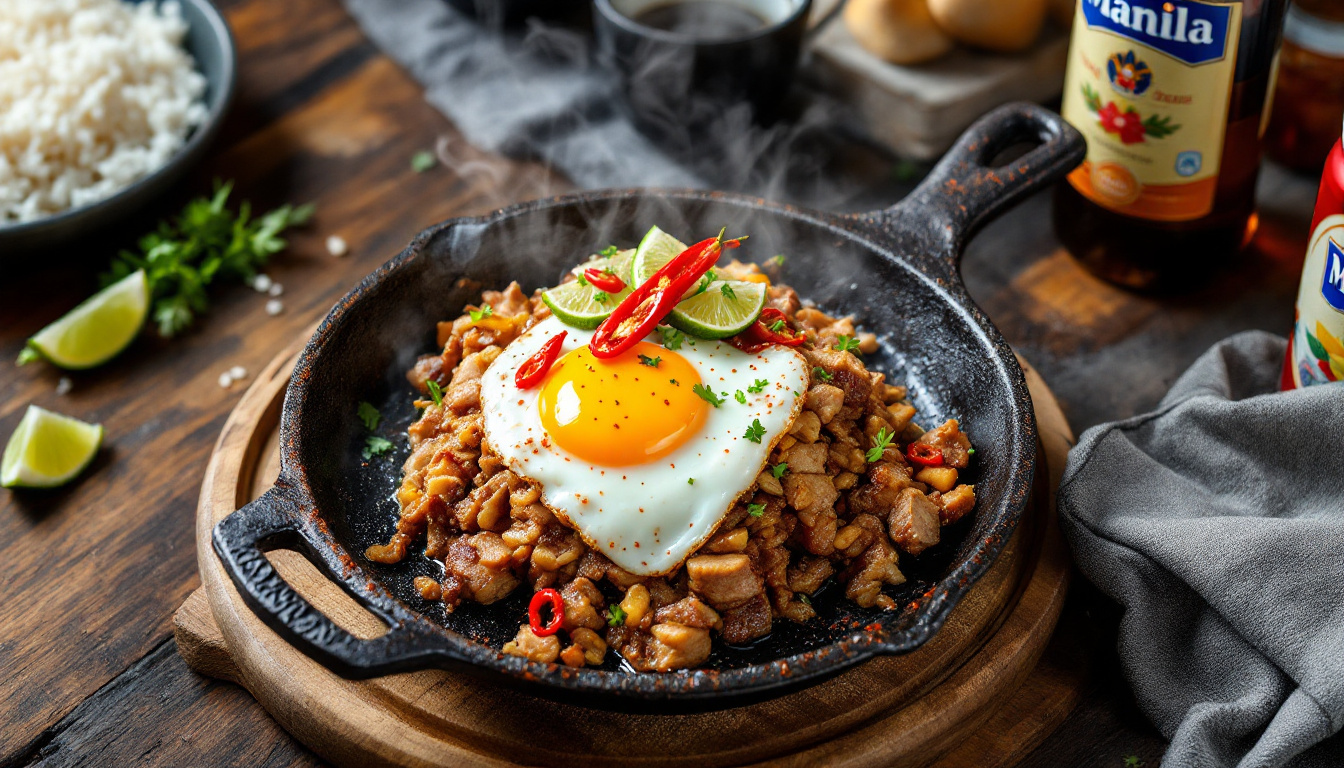
Street food picks: sisig (sizzling chopped pork face with chili and calamansi, invented in Pampanga), kare-kare (oxtail peanut stew), lumpia (spring rolls), and halo-halo (shaved ice dessert piled with beans, jellies, ube ice cream, and leche flan).
Full country guide: Best Food to Eat in the Philippines: Adobo, Lechon and Filipino Street Food.
More Asian food destinations worth a detour
Nine countries can’t contain a continent this big. Five more destinations belong on any serious eater’s map, and each has its own deep-dive guide:
- Singapore, perhaps the most concentrated food city on Earth: UNESCO-listed hawker centres serving Hainanese chicken rice, chili crab, laksa, char kway teow and satay, often Michelin-recognised for a few dollars. See our best food in Singapore guide.
- Hong Kong, the home of dim sum, roast goose, wonton noodles, egg tarts and the cha chaan teng diner culture. See our best food in Hong Kong guide.
- Taiwan, the night-market capital of Asia: beef noodle soup, xiao long bao, gua bao, stinky tofu and the birthplace of bubble tea. See our best food in Taiwan guide.
- Sri Lanka, the most underrated cuisine in Asia: rice and curry, crisp egg hoppers, the clatter of kottu roti, fiery Jaffna crab curry and pol sambol, all coconut, chili and Ceylon tea. See our best food to eat in Sri Lanka guide.
- Kazakhstan, the great cuisine of the steppe: beshbarmak (boiled meat over flat noodles eaten by hand), horse-meat kazy sausage, manty, lagman and fermented kumys, plus a unique Korean-Kazakh strand. See our best food to eat in Kazakhstan guide.
Asian food destinations compared: prices, flavors and highlights
Use this table to compare the nine countries at a glance, what they’re famous for, how much you’ll spend, and the one dish you absolutely cannot miss.
| Country | Famous For | Signature Dish | Street Food Meal | Mid-Range Meal | Spice Level | Vegetarian-Friendly |
|---|---|---|---|---|---|---|
| Japan | Precision, umami, freshness | Ramen / Sushi | $5-8 | $15-30 | Mild | Limited |
| Thailand | Street food, four-flavor balance | Pad Thai / Green Curry | $1-3 | $5-12 | Hot | Good |
| India | Spice blends, regional diversity | Butter Chicken / Biryani | $1-2 | $3-8 | Very hot | Best in the world |
| Vietnam | Fresh herbs, light broths | Pho / Banh Mi | $1-2 | $3-7 | Mild to medium | Limited |
| South Korea | Fermentation, BBQ, banchan | Korean BBQ / Bibimbap | $3-5 | $10-20 | Medium-hot | Limited |
| China | 8 regional cuisines, dim sum | Peking Duck / Dim Sum | $1-3 | $5-15 | Varies by region | Moderate |
| Malaysia | Multicultural fusion, hawker food | Nasi Lemak / Laksa | $1-2 | $3-8 | Medium | Good (Indian options) |
| Indonesia | Island diversity, sambal, rendang | Nasi Goreng / Rendang | $0.60-1.50 | $2-6 | Medium | Limited |
| Philippines | Vinegar-sour, sweet, bold | Adobo / Lechon | $1-2 | $3-7 | Mild | Limited |
The cheapest countries for food travel in Asia are Vietnam, India, Indonesia, and the Philippines, all easily under $10 per day eating street food. Japan and South Korea are the most expensive, but even there you can eat well for $20-30 per day if you stick to ramen shops, konbini, and local izakayas.
Essential tips for eating your way across Asia
Follow the locals, not the tourists
The best food in Asia is almost never in the tourist district. Menu in six languages and photos of every dish? Walk past it. If a stall has a line of locals, no English menu, and a grandma who’s been cooking one dish for 40 years, that’s where you eat.
Learn a few food words in the local language
You don’t need to be fluent, but knowing how to say “delicious,” “not spicy,” “no meat,” and “thank you” in the local language transforms your food experience. Vendors light up when you make the effort, and you’ll often get better portions or a free extra dish.
Eat at peak hours
Street food stalls are safest and best when turnover is highest, lunch rush and dinner rush. Food sitting in the sun at 3 PM is a gamble. Food cooked fresh at 12 PM is not.
Embrace the unfamiliar
Some of the best things you’ll eat in Asia are things you’ve never heard of. Don’t default to pad thai every night in Bangkok, ask your hotel staff, your taxi driver, your guesthouse host what they eat for dinner. That’s where the magic is.
FAQ
What is the most popular food in Asia?
There’s no single most popular Asian food, but the most famous dishes are sushi and ramen (Japan), pad thai (Thailand), dumplings and Peking duck (China), pho (Vietnam) and Korean BBQ. Rice and noodles are the shared backbone across the continent. The most popular street foods include dumplings, satay, spring rolls and grilled skewers, found in some form almost everywhere.
Which Asian country has the best food?
Thailand, Japan, and India consistently top global food rankings, but the answer depends on your preferences. Thailand excels at street food with bold, balanced flavors. Japan is unmatched for precision and freshness, especially sushi and ramen. India offers the greatest regional diversity, with dramatically different cuisines in every state. Vietnam, Malaysia, and South Korea are also world-class food destinations.
What is the cheapest country for food in Asia?
Vietnam, India, and Indonesia are the cheapest countries for food in Asia. A full street food meal in Vietnam costs $1-2 USD, Indian thali plates run $1-3 USD, and Indonesian warungs serve nasi goreng for under $1.50 USD. Thailand and the Philippines are also very affordable at $2-4 USD per street food meal.
Is Asian food safe for travelers?
Yes, Asian street food and restaurant food is generally safe for travelers who follow basic precautions. Eat at busy stalls with high turnover, choose freshly cooked dishes over pre-made ones sitting out, drink bottled or boiled water, and peel your own fruit. Japan and South Korea have some of the highest food safety standards in the world.
What is the best street food city in Asia?
Bangkok is widely considered the best street food city in Asia and one of the best in the world. Other top contenders include Penang (Malaysia) for its multicultural hawker food, Osaka (Japan) for takoyaki and okonomiyaki, Ho Chi Minh City (Vietnam) for pho and banh mi, and Delhi (India) for chaat and kebabs.
Is Asia good for vegetarian travelers?
India is the best country in the world for vegetarian food. Around 30% of the population is vegetarian, so meatless options are everywhere. Thailand has a strong Buddhist vegetarian tradition (look for yellow-flag jay restaurants). Japan offers excellent Buddhist shojin ryori cuisine. Other countries like Vietnam, China, and Indonesia have vegetarian options but meat and fish are more central to the cuisine.
What dishes should I try on my first trip to Asia?
Essential first-timer dishes include: pad thai and green curry in Thailand, pho and banh mi in Vietnam, sushi and ramen in Japan, butter chicken and biryani in India, nasi goreng in Indonesia, bibimbap in South Korea, dim sum in China (Hong Kong), and laksa in Malaysia. These are widely available, beginner-friendly, and represent the best of each cuisine.
How much should I budget for food per day in Asia?
Budget travelers eating street food and local restaurants can spend $5-15 USD per day in most of Southeast Asia and India. Mid-range dining runs $15-30 USD per day. Japan and South Korea are more expensive at $20-50 USD per day for a mix of casual and mid-range meals. Fine dining in cities like Tokyo, Bangkok, or Singapore can cost $50-200+ per person.
More Asian food guides waiting for you
Country-by-country deep dives, city food guides, and dish-specific stories from across the continent.