The best food to eat in Argentina starts with fire and beef but runs much deeper. This is a country that eats more red meat per person than anywhere on earth, grills it for hours over wood at the asado, fills empanadas a different way in every province, and folds a century of Italian immigration into its pizza, pasta, and milanesa. Then it drowns everything sweet in dulce de leche.
My first real asado lasted five hours and I have thought about it ever since: provoleta blistering on the grill, then chorizo and morcilla, then offal, then the great cuts of beef, each one rested and carved in turn, all washed down with Malbec and ending in a fernet and coke. Argentine food is about time and gathering as much as flavor. Beyond the steak lie crisp empanadas, the national locro stew, and a sweet tooth with no equal in South America.
This guide covers the asado and the cuts, the empanadas and street food, the Italian-Argentine classics, the sweets, and the drinks, with what to order and what it costs. It sits in our Americas collection alongside our Brazil food guide.
Why Argentine food is worth the trip
Argentine food is worth a trip for the beef alone, but the real story is wider. Argentines eat more red meat per capita than any nation, and the asado (the wood-fired barbecue and the social ritual around it) is the soul of the cuisine. Layered on top is one of the largest Italian immigrant legacies anywhere, which gave Argentina its pizza, pasta, ñoquis, and milanesa, plus a Spanish base, indigenous northern dishes, and a national sweet tooth built on dulce de leche.
It is also a cafe-and-ritual culture: mate passed around in the afternoon, long dinners that start at 10 PM, and a Sunday asado that can last all day. Buenos Aires is the food heart, but the northwest, Mendoza wine country, and Patagonia each bring something distinct.
Asado and the parrilla
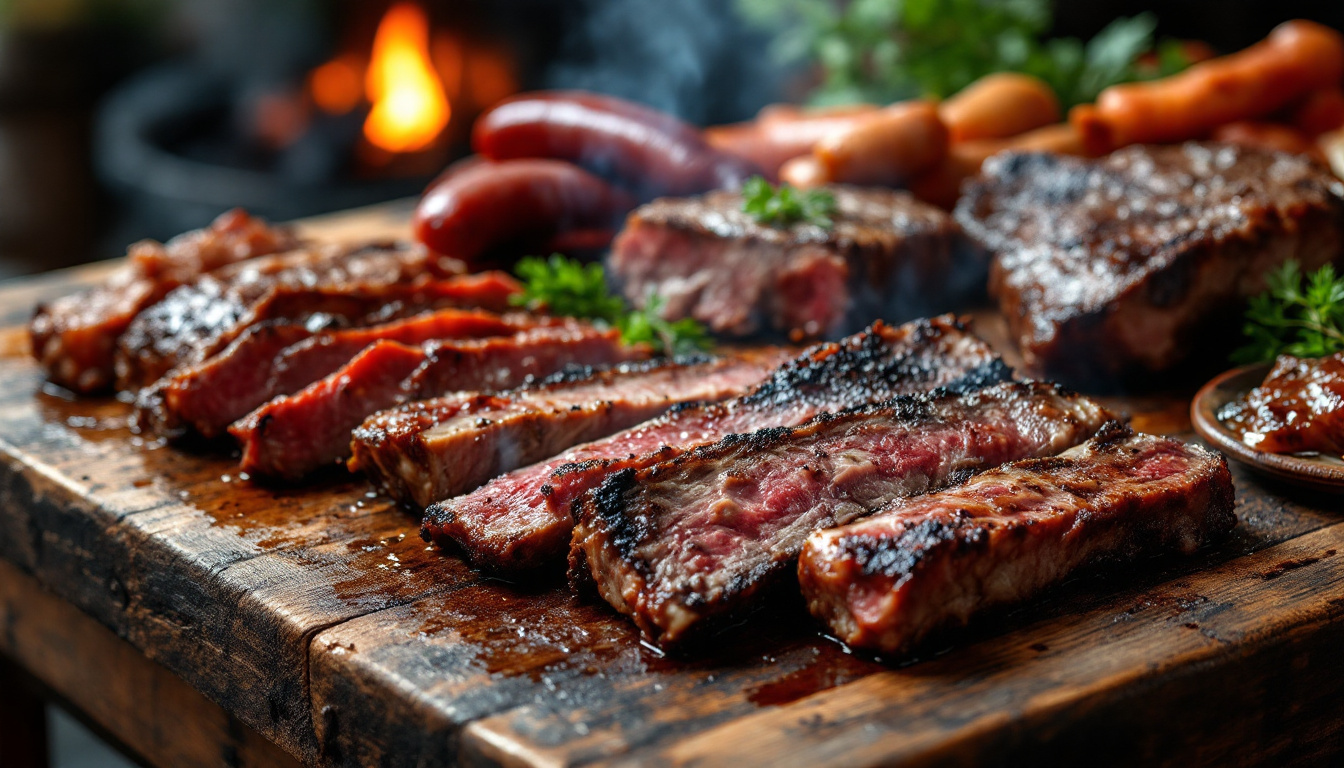
The asado is both a method (grilling over wood embers, not gas) and an event (the Sunday gathering led by the asador). At a parrilla restaurant you can eat the whole sequence yourself, course by course off the grill.
Asado Asado / parrillada
A slow procession off the wood fire: first the sausages (chorizo, morcilla blood sausage) and offal (mollejas sweetbreads, chinchulines small intestine, riñones kidneys), then the great cuts of beef, each cooked low over embers and carved as it is ready. A shared parrillada platter brings a selection of all of it. The asador who runs the fire is the host, and the meat is salted simply and let speak.
Order it at any parrilla, or angle for an invitation to a home asado, the real thing. Chimichurri (parsley, garlic, oregano, vinegar, oil) is the only sauce you need.
Bife de Chorizo and the Cuts Bife de chorizo, vacio, lomo
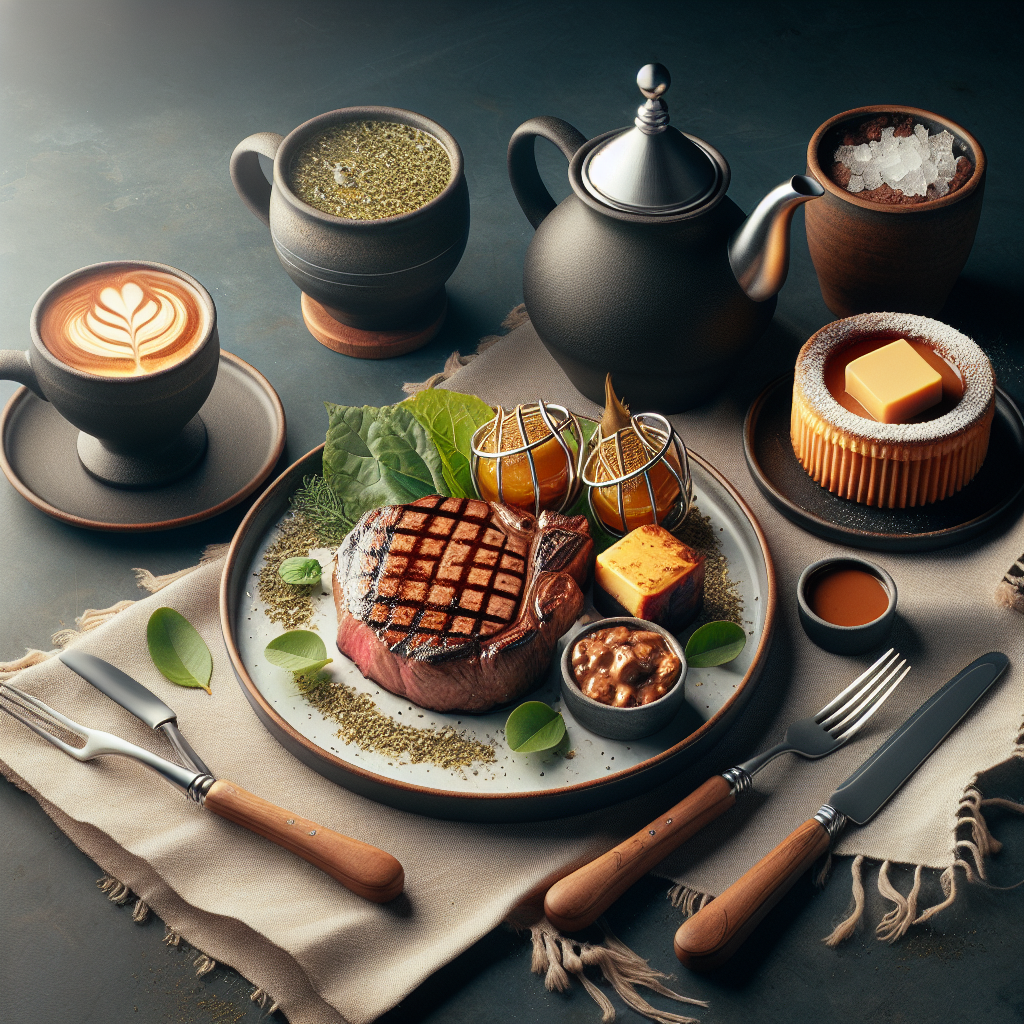
The benchmark steak is the bife de chorizo, a thick boneless sirloin with a good fat cap (no relation to the sausage). Other cuts to know: vacio (flank with a crisp fat layer), lomo (lean tenderloin), ojo de bife (ribeye), tira de asado (crosscut short ribs), and entraña (skirt). Ask for it jugoso (juicy/medium-rare) or a punto (medium).
A great steak is enormous and cheap by Western standards. Don Julio in Buenos Aires is the world-famous parrilla, but every neighborhood has its own.
Provoleta Provoleta
A thick disc of provolone grilled directly on the parrilla until the outside crusts and the inside goes molten, dusted with oregano and chili flakes and eaten with bread. The classic asado opener, an Italian-Argentine invention, and the proof that the parrilla is not only for meat.
Order it first, while the embers are hottest and the rest of the asado is still cooking.
Empanadas, choripan and street food
Empanadas Empanadas
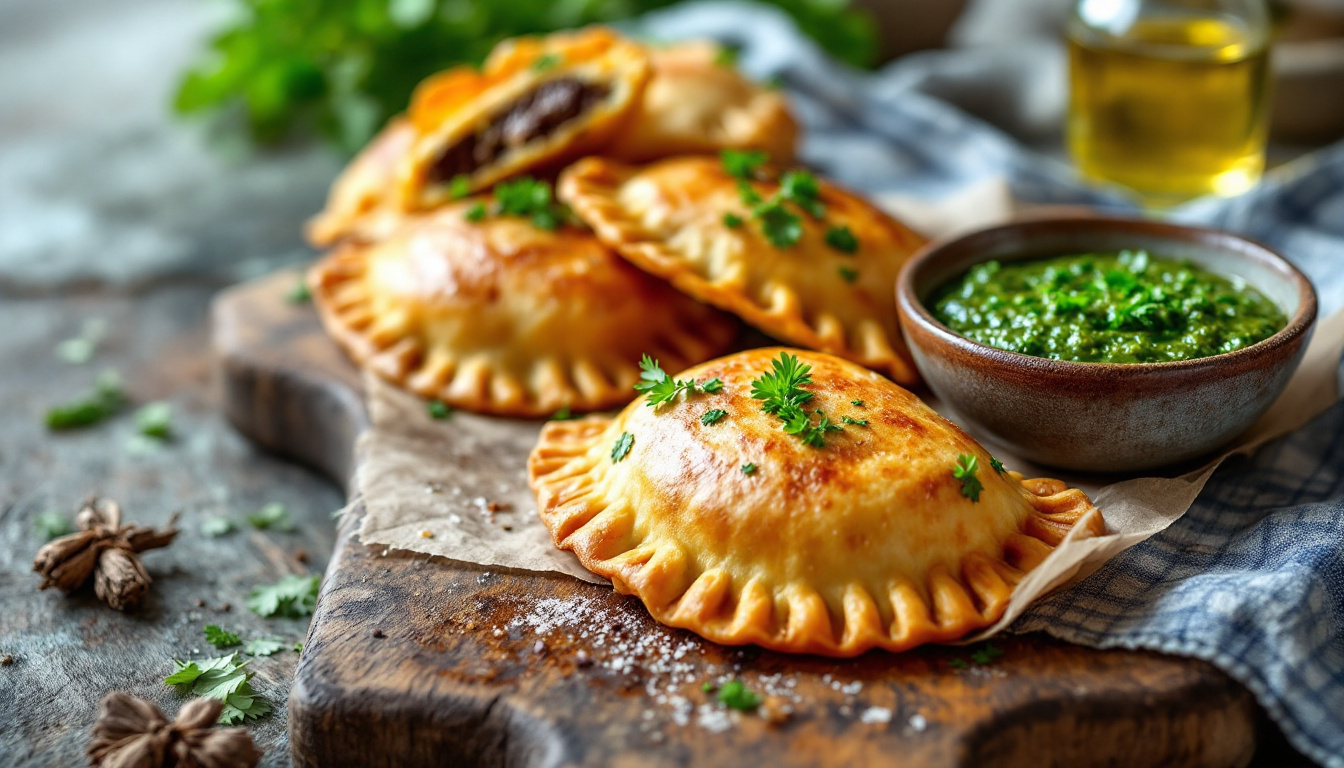
Baked or fried pastry pockets with a filling that changes by region: carne (beef, sometimes with cumin, olive, egg, and raisin in the northwest), pollo (chicken), jamon y queso, humita (creamed corn), and spinach. The crimped edge (repulgue) is folded differently for each filling so you know what you are eating. Salta and Tucuman in the northwest make the most celebrated ones.
A few hundred pesos each, eaten by the half-dozen. The best are juicy inside with a thin, crisp shell.
Choripan Choripan
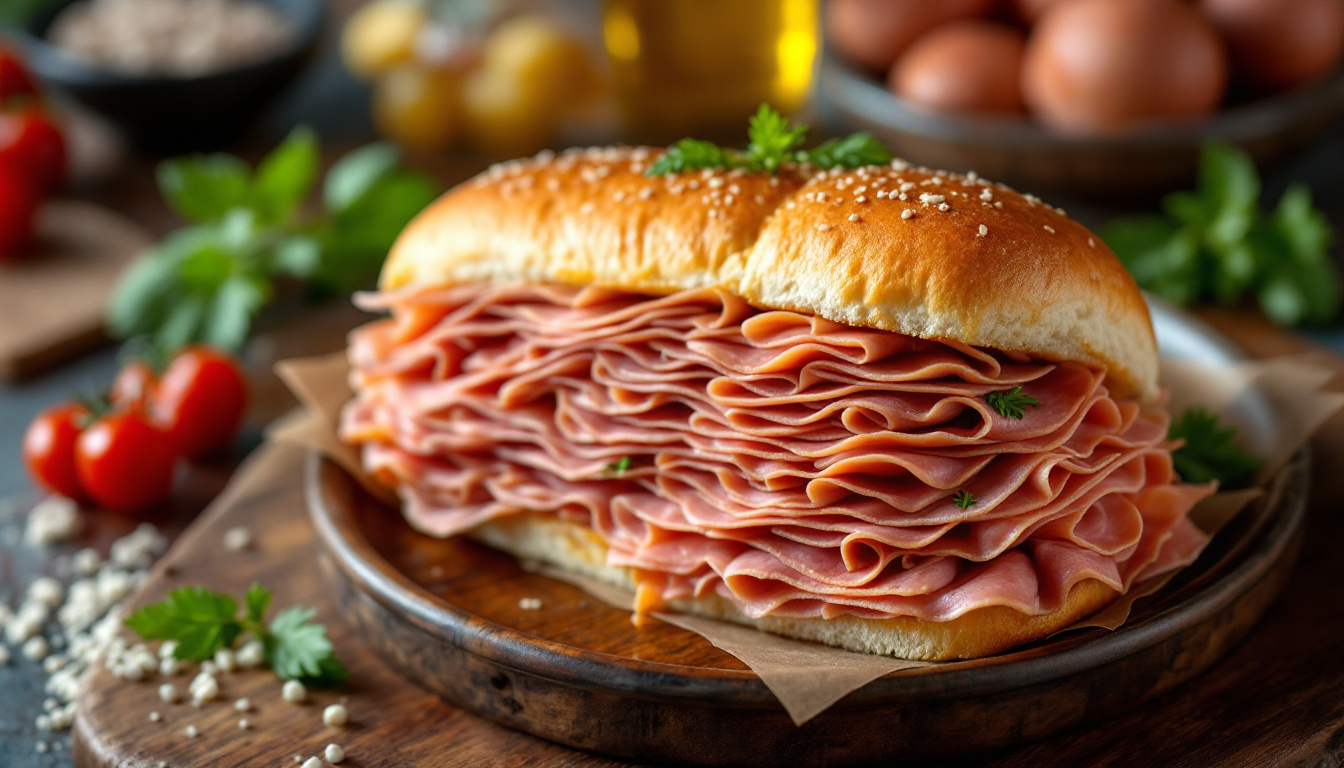
Chori (chorizo) in pan (bread): a butterflied grilled chorizo in a crusty roll, slathered with chimichurri and salsa criolla. It is the food of football matches, protests, street carts, and the start of every asado. Simple, smoky, and perfect.
Sold from bomberos (grill carts) along the river in Buenos Aires and at every event. The choripan is Argentina’s great democratic sandwich.
Milanesa Milanesa / a la napolitana
A breaded, pan-fried beef or chicken cutlet, the Italian-Argentine everyday lunch, served with fries or salad, or in a sandwich. The beloved upgrade is milanesa a la napolitana: topped with ham, tomato sauce, and melted mozzarella. A milanesa is comfort food and a national obsession.
Cheap and everywhere. The napolitana version, supposedly invented at a Buenos Aires restaurant called Napoli, is the one to order.
Italian-Argentine classics and locro
Locro Locro
A thick, hearty stew of white corn, pumpkin, beans, and several cuts of meat and sausage, slow-cooked into a deep, comforting whole, finished with a spicy red quiapo (fried paprika-and-chili oil). Indigenous in origin and eaten across the Andean northwest, it is the dish of national patriotic holidays like May 25 and July 9.
A winter and feast-day dish; seek it out on national holidays when every family and restaurant makes a pot.
- Noquis del 29. Potato gnocchi eaten on the 29th of each month for luck, a coin placed under the plate, a tradition from lean immigrant days. Argentina’s Italian pasta culture also runs to ravioles and sorrentinos.
- Argentine pizza. Thick, bready, blanketed in mozzarella: the cheese-stuffed fugazzeta and the onion fugazza are the icons, eaten with faina (chickpea flatbread) and a glass of moscato.
- Humita. Creamed sweet corn steamed in its own husk (humita en chala), a northern indigenous dish and a classic empanada filling.
- Matambre. Thin flank “hunger-killer,” either rolled and stuffed (matambre arrollado) and sliced cold, or grilled as matambre a la pizza topped with tomato and cheese.
Dulce de leche and the sweet side
Dulce de Leche and Alfajores Dulce de leche / alfajores
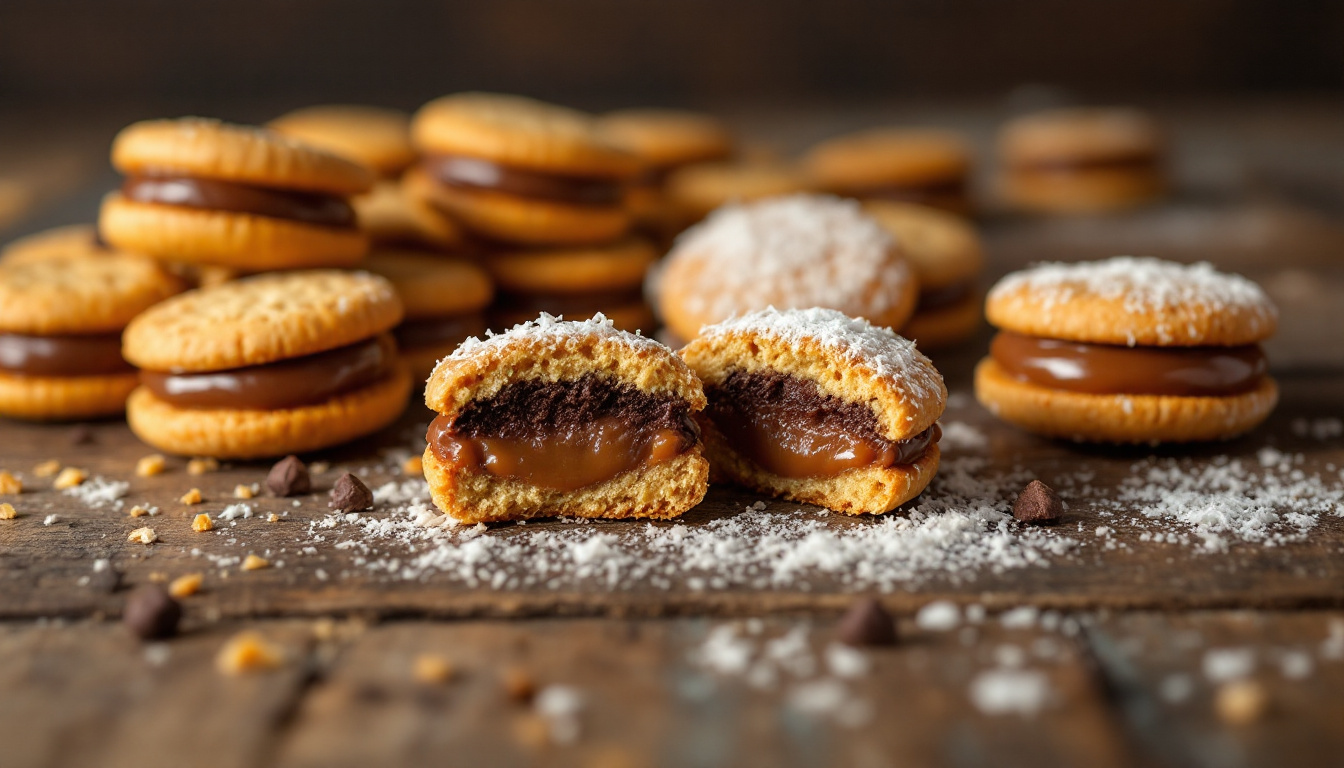
Dulce de leche, the thick milk caramel made by reducing sweetened milk, is in everything: spread on toast, folded into helado, and sandwiched into alfajores, two soft cookies filled with dulce de leche and coated in chocolate or rolled in coconut. Argentines eat alfajores by the billion; every region and brand has its version.
Buy alfajores anywhere, from kiosks to artisan shops. Havanna is the famous brand; the cornstarch (maicena) version rolled in coconut is the homemade classic.
- Medialunas. Small, dense, slightly sweet croissants glazed with sugar syrup, the breakfast pastry eaten with coffee at every cafe.
- Helado. Argentine ice cream rivals Italy’s thanks to the immigrant heladerias, with dulce de leche and sambayon the must-order scoops.
- Postre vigilante. The simplest dessert: a slab of dulce de membrillo (quince paste) or sweet potato jam with a slab of fresh cheese, also called queso y dulce.
- Pastelitos and panqueques. Fried pastry squares filled with quince and glazed, and thin pancakes rolled around dulce de leche.
Mate, Malbec and fernet
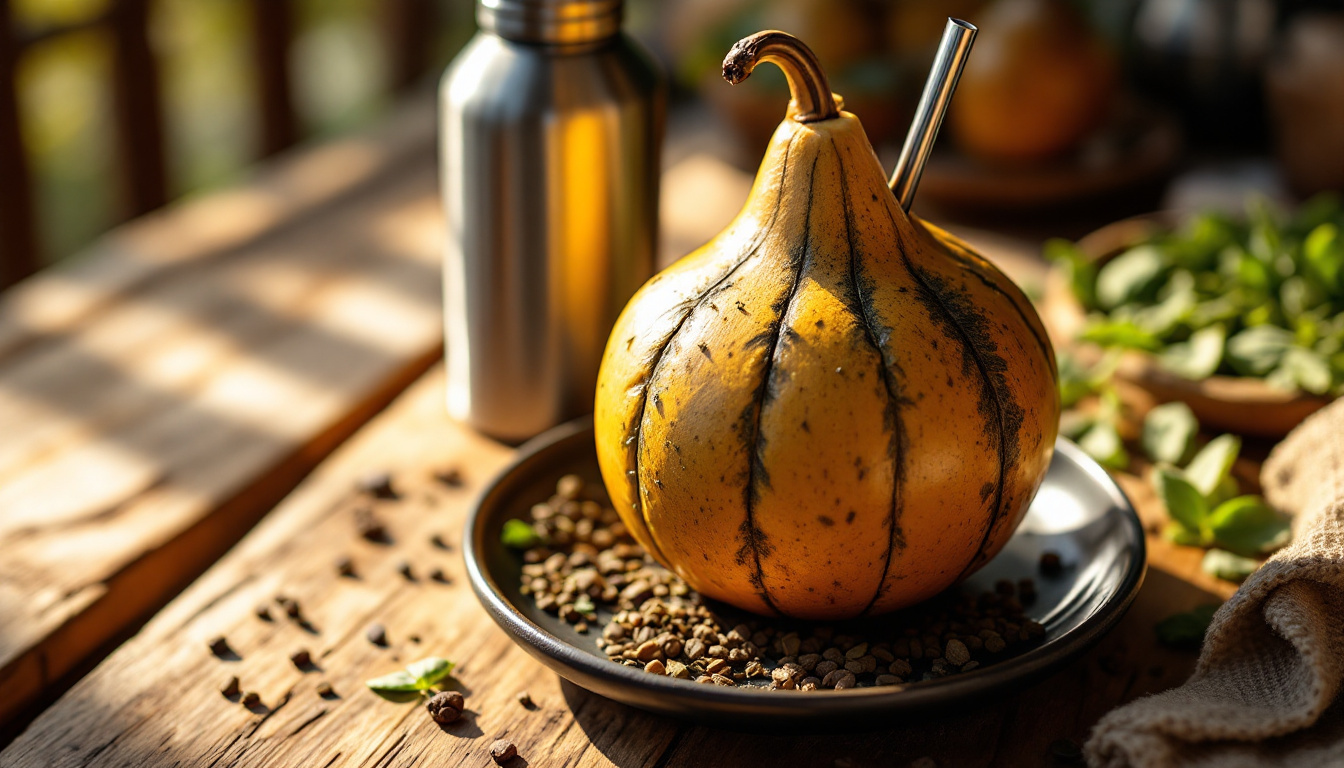
- Mate. The national infusion: dried yerba mate steeped in a gourd and sipped through a metal straw (bombilla), shared in a circle where one person refills and passes it. More ritual than drink, and the most Argentine thing there is.
- Malbec and Argentine wine. Mendoza’s high-altitude Malbec is the country’s signature red and one of the world’s great value wines; Torrontes is the aromatic white of the northwest.
- Fernet con coca. The bittersweet herbal amaro Fernet-Branca mixed with Coca-Cola over ice, Argentina’s unofficial national cocktail, especially in Cordoba, drunk at every party.
- Cafe and submarino. Strong cafe culture inherited from Italy and Spain, plus the submarino, a bar of chocolate dropped into hot milk to melt.
Best food cities and regions in Argentina
The food capital: world-famous parrillas (Don Julio), historic cafes and pizzerias, the Italian-Argentine heartland, and a booming modern dining scene. Eat steak in Palermo, pizza on Avenida Corrientes, and choripan along the Costanera.
The empanada and locro heartland, with Andean and indigenous flavors: humita, tamales, llama, and the aromatic Torrontes wine of Cafayate. Argentina’s most distinct regional cuisine.
The Malbec capital at the foot of the Andes, where bodega lunches pair great steaks and slow-cooked meats with the country’s best wines.
Spit-roasted Patagonian lamb (cordero al palo), trout and king crab from the cold south, German-influenced cakes, and the artisan chocolate of Bariloche.
Best food to eat in Argentina: the dish guide with prices and ratings
| Dish | Type | Region | Notes | Must-try |
|---|---|---|---|---|
| Asado / parrillada | Barbecue | Nationwide | Shared, multi-course | ★★★★★ |
| Bife de chorizo | Steak | Nationwide | Order jugoso | ★★★★★ |
| Provoleta | Grilled cheese | Nationwide | Asado starter | ★★★★★ |
| Empanadas | Pastry | Northwest best | A fold per filling | ★★★★★ |
| Choripan | Street food | Nationwide | With chimichurri | ★★★★★ |
| Milanesa napolitana | Main | Nationwide | Italian-Argentine | ★★★★☆ |
| Locro | Stew | Northwest / national | Holiday dish | ★★★★★ |
| Mollejas (sweetbreads) | Offal | Nationwide | Asado favorite | ★★★★☆ |
| Noquis del 29 | Pasta | Nationwide | Eaten on the 29th | ★★★★☆ |
| Argentine pizza (fugazzeta) | Pizza | Buenos Aires | Cheese-stuffed | ★★★★☆ |
| Dulce de leche | Sweet | Nationwide | In everything | ★★★★★ |
| Alfajores | Dessert | Nationwide | Eaten by the billion | ★★★★★ |
| Medialunas | Pastry | Nationwide | Breakfast with coffee | ★★★★☆ |
| Patagonian lamb | Roast | Patagonia | Cordero al palo | ★★★★★ |
| Mate | Drink | Nationwide | Shared ritual | ★★★★★ |
How to eat in Argentina
- Dinner is late. Restaurants fill from 9 to 10 PM and earlier feels empty; lunch runs 1 to 3 PM. Adjust or you will dine alone.
- Let the asador run the fire. At a home asado, the person grilling is the host; do not crowd the parrilla, and praise the meat.
- Order steak jugoso. Argentines eat beef juicy (medium-rare); “bien cocido” (well done) is considered a waste of a good cut.
- Mate is shared, not personal. When passed a mate, drink it all and hand the gourd back to the server (cebador); do not say “gracias” until you want no more.
- Tipping is about 10 percent. Leave it in cash even when paying the bill by card; a small cover charge (cubierto) for bread is normal.
For dining customs across other countries, see our guide to food etiquette around the world.
How to eat well in Argentina on any budget
Prices in Argentina swing hard with the peso, so reckon in US dollars. As a 2026 guide: empanadas and a choripan run pocket change, a mid-range parrilla steak dinner with a glass of Malbec lands around $25 to $30 per person, a budget parrilla feed comes in near $20, and even the famous Palermo steakhouses stay well below what the same meal costs in Europe or the US. Bakery breakfasts of medialunas and coffee cost a couple of dollars.
Budget: the street and the kiosk
A choripan from a grill cart, a half-dozen empanadas, a milanesa sandwich, and medialunas with coffee. Argentina’s street food and bakery culture make eating well cheap, and a kilo of empanadas feeds a group.
Mid-range: the parrilla
A full parrilla dinner of provoleta, a great steak, salad, a bottle of Malbec, and flan with dulce de leche. By Western standards, a steak feast in Buenos Aires is a bargain, even at the famous places.
High-end: closed-door and fine dining
Buenos Aires has a celebrated puerta cerrada (closed-door restaurant) scene, world-ranked dining rooms, and Mendoza bodega tasting lunches that pair Andean cooking with great Malbec. Still excellent value next to Europe or the US.
Frequently asked questions about Argentine food
What is the most popular and typical food in Argentina?
The most popular and typical Argentine foods are asado (the wood-fired barbecue), empanadas, the bife de chorizo steak and milanesa, with locro as the traditional national stew. On the sweet side, dulce de leche and alfajores are everywhere. Argentinian food is also heavily Italian, so pizza, pasta and gelato are everyday staples too.
What is the national dish of Argentina?
Asado, the wood-fired barbecue, is the defining national food, and locro (a hearty corn-and-meat stew) is the traditional national-holiday dish. Empanadas, the bife de chorizo steak, and milanesa are the other everyday icons, with dulce de leche the national sweet.
What is the best steak cut in Argentina?
Bife de chorizo (a thick sirloin with a fat cap) is the benchmark. Other top cuts are ojo de bife (ribeye), lomo (tenderloin), vacio (flank with crisp fat), and tira de asado (crosscut short ribs). Order it jugoso (medium-rare); well done is frowned upon.
Why is Argentine food so Italian?
Argentina received one of the largest Italian immigrations in history, especially to Buenos Aires, which reshaped the cuisine. The result is the country’s thick pizza, fresh pasta, gnocchi (noquis del 29), and the breaded milanesa, all now thoroughly Argentine.
What is mate and how do you drink it?
Mate is an infusion of dried yerba mate leaves steeped in a gourd and sipped through a metal straw called a bombilla. It is shared: one person (the cebador) fills and refills the gourd and passes it around the circle. Drink the whole serving and hand it back; say gracias only when you want no more.
Is Argentina good for vegetarians?
Harder than average given the meat focus, but workable. Provoleta, cheese-and-spinach or humita empanadas, ñoquis and pasta, pizza, tartas (savory tarts), and the famous helado and sweets are all meat-free. Buenos Aires has a growing vegetarian and vegan restaurant scene.
How much does food cost in Argentina?
Prices swing with inflation and exchange rates, but Argentina is generally good value for visitors, especially for beef and wine. Empanadas and choripan are cheap street eats, a full parrilla steak dinner with Malbec is far less than in Europe or the US, and bakery breakfasts cost little.
More food guides waiting for you
Browse our complete collection of food guides from the Americas.