I have eaten soup for breakfast on a plastic stool in Hanoi, at a midnight yatai in Fukuoka, and standing in a Lisbon doorway at 2 a.m. with a paper cup of caldo verde. Soup is where a country hides its character: the cheap cut, the slow stock, the herb nobody can name. This is my ranking of the 26 best soups in the world, from the noodle bowls of Asia to the lentil pots of the Levant, with what each one tastes like and where to eat the real version.
How I ranked the world’s best soups
This ranking rates the soup, not the country, so the same nation can show up more than once. I scored each bowl on three things: how essential it is to its own cuisine, whether it is worth crossing a city or a border for, and how it actually tastes to me after eating most of these on the road rather than reading about them.
Fame counted for less than I expected. A globally famous soup that disappoints in person lost ground to a regional bowl that locals line up for at 7 a.m. Treat the order as an argument, not a law. If your favorite sits at number 19 instead of number 2, good, that is what soup is for.
Asia: the home of the great noodle soups
Asia makes the best soups on Earth, and it is not close. The noodle bowl as a complete meal, broth plus carbs plus protein plus herbs, was perfected here, and the whole top twelve comes from the region. Start at the top.
1. Phở phở bò
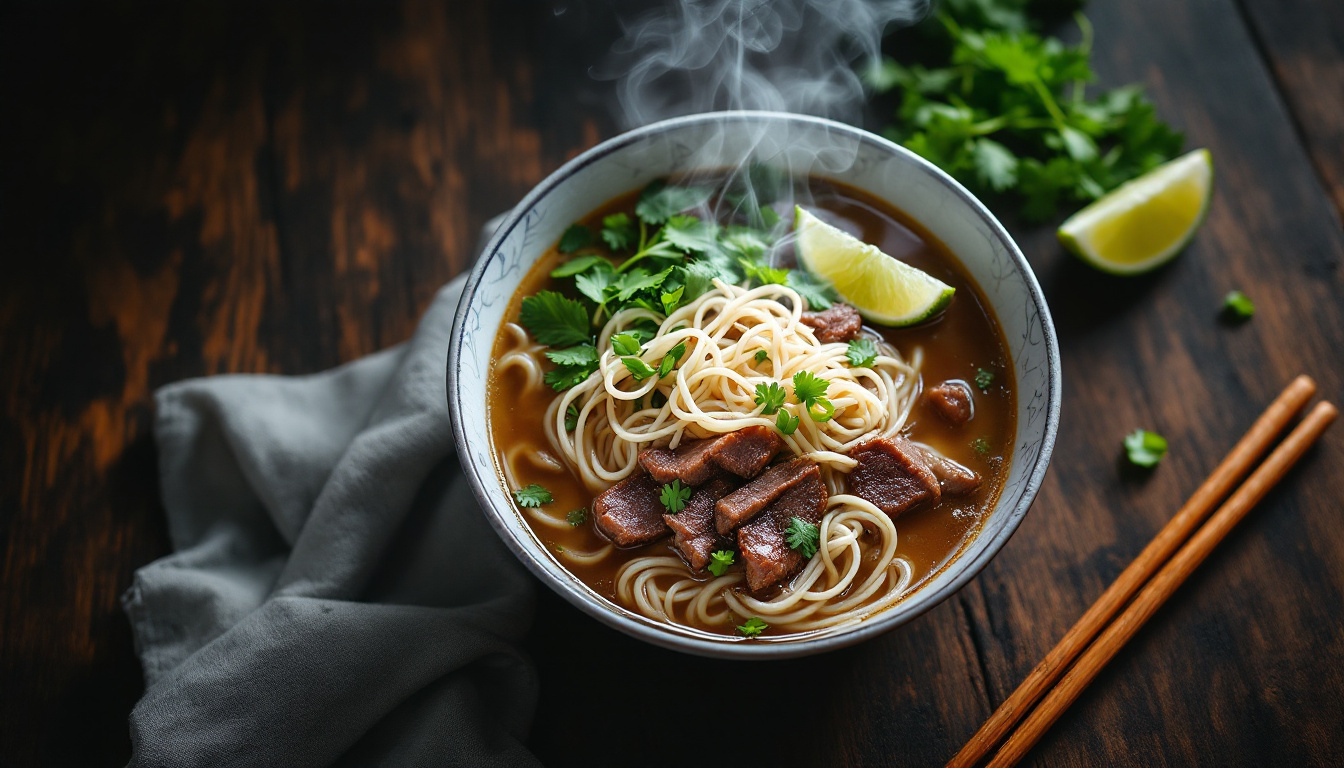
Phở is the best soup in the world because it does so much with so little: clear beef broth, flat rice noodles, a fistful of herbs. The stock is simmered six to twelve hours with charred ginger and onion, star anise, cinnamon and cloves, then poured over bánh phở noodles and thin raw beef that cooks in the bowl. The northern Hanoi version is cleaner and more savory; Saigon serves it sweeter with a pile of herbs, bean sprouts, hoisin and chili on the side. The best bowl I had came from a morning-only stall near Đồng Xuân market in Hanoi, gone by 10 a.m.
2. Tonkotsu Ramen 豚骨ラーメン
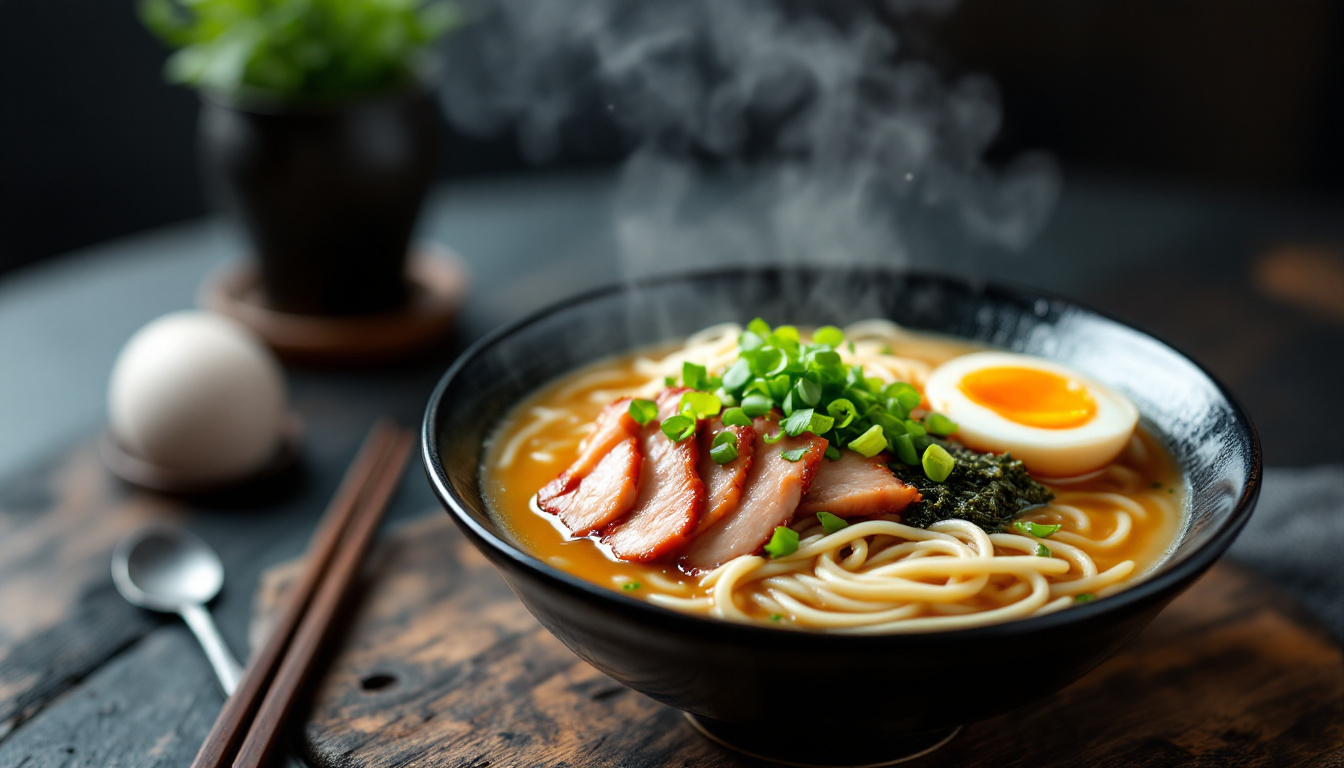
Tonkotsu ramen is a bowl built on patience: pork bones boiled hard for 12 to 20 hours until the broth turns milky, thick and almost creamy. It comes from Hakata in Fukuoka, served with thin straight noodles, chashu pork, a soft egg, and a kaedama noodle refill when the broth is too good to waste. Shoyu, miso and shio are the other great bases, but tonkotsu is the one that converts people. Eat it at a Fukuoka street yatai or a basement counter in Osaka where the only seats face the cook. Japan’s most everyday soup is far humbler: miso soup, just dashi stock whisked with fermented soybean paste, tofu and seaweed, on nearly every table at breakfast.
3. Tom Yum Goong ต้มยำกุ้ง
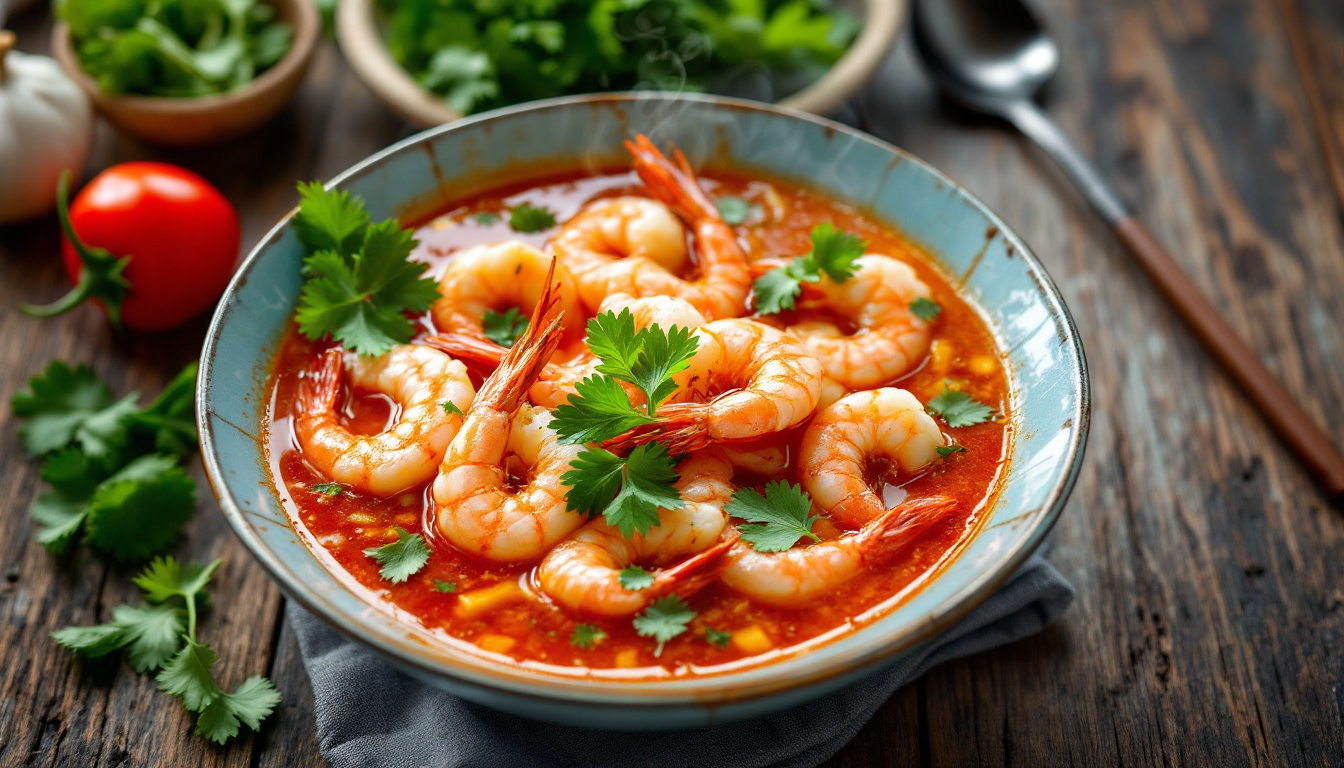
Tom yum goong is the loudest flavor on this list, a hot-and-sour shrimp soup that hits sour, spicy, salty and aromatic at once. The broth is built on lemongrass, galangal, kaffir lime leaves, bird’s eye chili, fish sauce and lime, with plump river prawns. There are two camps: nam sai is clear and sharp, nam khon adds evaporated milk for a creamy, cloudy body. Get it at a busy Bangkok shophouse rather than a hotel buffet; the version in Bangkok street kitchens is louder and cheaper. Its mellower cousin, tom kha gai, trades some of the chili heat for coconut milk and chicken, and plenty of people rank it just as highly.
4. Laksa
Laksa splits into two great soups that share a name and almost nothing else. Curry laksa is the rich one, a coconut and chili broth over rice noodles with tofu puffs, cockles and shrimp, eaten across Malaysia and the hawker centres of Singapore. Asam laksa from Penang is the sour one, a tamarind and mackerel broth with mint, pineapple and a spoon of shrimp paste that funks it up. Both are Peranakan classics, and choosing between them is a genuine fight.
5. Bún Bò Huế bún bò Huế
Bún bò Huế is pho’s bolder cousin from central Vietnam, and plenty of locals rank it higher. The broth is built on lemongrass and shrimp paste, slicked with chili oil, with thick round rice noodles instead of flat ones. It carries beef shank, pork knuckle and cubes of pork blood, so it is spicier, funkier and far more assertive than a clean bowl of pho. If pho is the polite introduction to Vietnamese soup, bún bò Huế is the real conversation. There is more where this came from across Vietnam.
6. Khao Soi ข้าวซอย
Khao soi is northern Thailand’s coconut curry noodle soup, half soup and half crunch. Soft egg noodles sit in a fragrant coconut curry broth, then a tangle of crispy fried noodles goes on top for texture, with chicken or beef, pickled mustard greens, shallots and a wedge of lime to cut the richness. It tastes of Burmese and Lanna trade routes more than of Bangkok. This is the dish to chase in Chiang Mai, where a great bowl costs less than a coffee back home.
7. Beef Noodle Soup 牛肉麵
Taiwanese beef noodle soup is the island’s unofficial national dish, and Taipei holds a festival to crown the best bowl. The classic is hongshao, a red-braised broth of soy, doubanjiang bean paste and star anise, loaded with melting beef shank, tendon and chewy hand-pulled wheat noodles. A clear-broth version exists for purists who want the beef to speak for itself. Pickled mustard greens on top add the sour edge. Order it at a no-frills noodle shop in Taiwan with a side of braised tofu and egg.
8. Soto Ayam
Soto ayam is Indonesia’s golden turmeric chicken soup, eaten for breakfast, lunch or a late snack. Turmeric, lemongrass and kaffir lime give the broth its color and lift, over shredded chicken, vermicelli, a hard-boiled egg, fried shallots, crunchy emping crackers and a squeeze of lime. Every island has a version: Soto Lamongan is bright and clear, Soto Betawi from Jakarta turns rich with coconut milk. A spoon of sambal makes it your own. It is one of the most comforting bowls in Indonesia.
9. Sinigang
Sinigang is the Philippines’ sour soup, and many Filipinos will tell you it is the best thing their kitchen does. The sourness comes from tamarind (sampalok), though guava, calamansi or unripe mango stand in by region, and the body holds pork, shrimp or milkfish with water spinach, radish, okra and taro that thickens the broth. It is sour, savory and deeply homey, the opposite of fancy. Look for it on every turo-turo counter across the Philippines.
10. Kimchi-jjigae 김치찌개
Kimchi-jjigae is the stew that turns old kimchi into gold, and the reason Koreans never throw the sour stuff away. Aged, funky kimchi is simmered with pork belly or tuna, tofu, gochugaru and scallions until it bubbles, then served in a stone pot still boiling at the table with a bowl of rice. It is cheap, fiery and the most-cooked dinner in the country. Eat it in a back-alley spot in Seoul where the side dishes keep coming.
11. Hot and Sour Soup 酸辣汤
Hot and sour soup gets its kick from vinegar and white pepper, not chili, which is what most people abroad get wrong. The broth is thickened with starch and filled with wood ear mushrooms, soft tofu, bamboo shoots and ribbons of egg, balanced right on the line between tart and peppery. Sichuan and Beijing both claim a version, and a good one warms you from the inside out on a cold day. It is one of the easiest entry points to the regional cooking of China. The other great Chinese bowl is Cantonese wonton noodle soup, a clear broth with springy shrimp dumplings you will find on every corner in Hong Kong.
12. Rasam rasam / mulligatawny
Rasam is South India’s pepper-and-tamarind broth, thin, sour and built to clear your sinuses. Tamarind, tomato, black pepper, cumin and asafoetida go into a stock tempered with mustard seeds and curry leaves, then it is drunk from a cup or poured over rice at the end of a meal to aid digestion. Its colonial offspring, mulligatawny, took the name from “miḷagu taṇṇīr”, Tamil for pepper water, and went global through British India. For the original and a hundred regional cousins, head to India.
Europe: comfort in a bowl
Europe’s best soups are about comfort and thrift, turning cheap roots, stale bread and a little pork into something restorative. These are the bowls that fed farmers and night-shift workers long before they reached restaurant menus.
13. French Onion Soup soupe à l’oignon gratinée
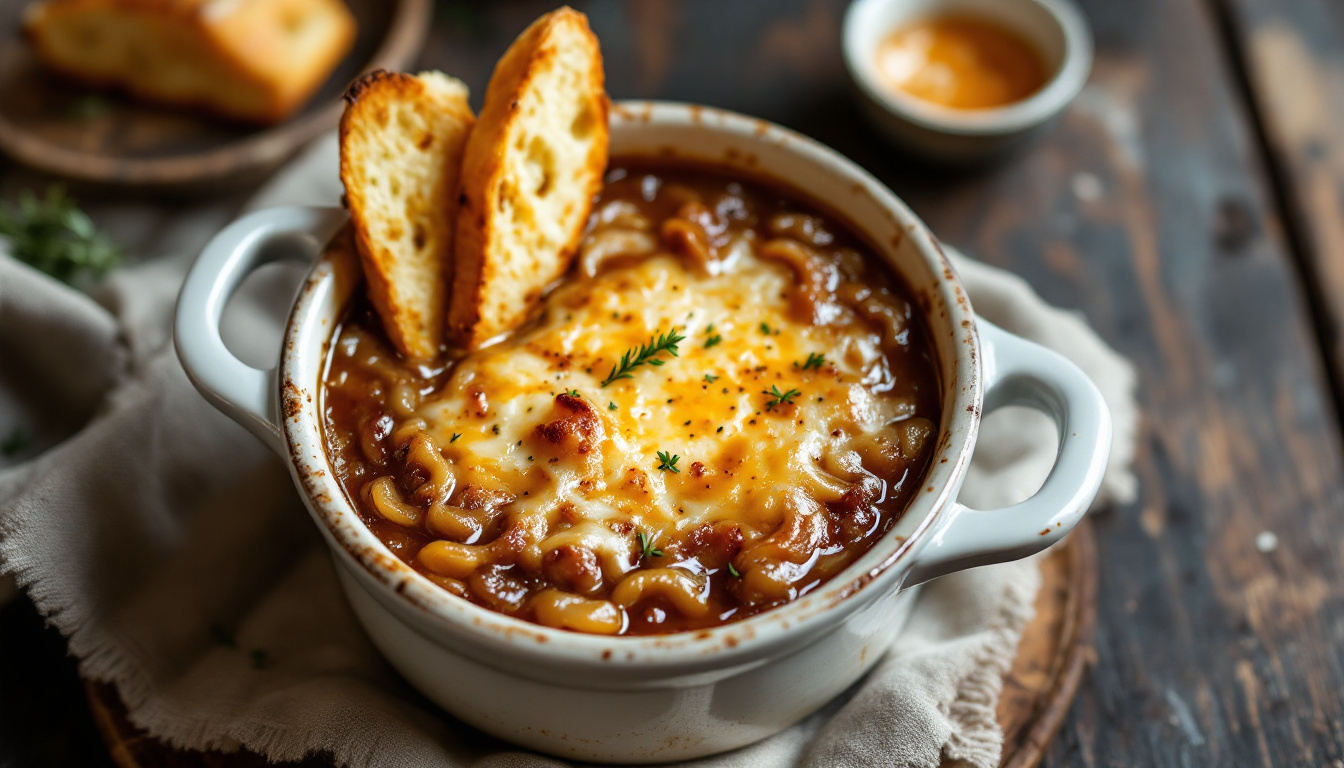
French onion soup is proof that onions, time and cheese can carry a whole dish. Onions are caramelized low and slow until deep brown and sweet, simmered in beef stock with a splash of wine, then topped with a baguette slice and a cap of Gruyere browned under the grill until it bubbles over the edge. It was a late-night meal for Les Halles market workers in Paris long before it became a tourist order. Have it in a no-nonsense Paris bistro after dark.
14. Minestrone
Minestrone is Italy’s great vegetable soup, a different bowl in every region and every season. There is no fixed recipe: it is built on whatever vegetables are good that week, with beans, a little pasta or rice, a soffritto base, and often a parmesan rind dropped in to simmer for depth. Tuscany turns day-old bread and beans into a thicker cousin called ribollita. It is cheap, seasonal and endlessly variable, the home-cooking backbone of Italy from Rome kitchens to northern trattorias.
15. Gazpacho
Gazpacho is the best cold soup in the world, an Andalusian answer to a 40°C summer afternoon. Raw tomatoes, cucumber, green pepper and garlic are blended with stale bread, olive oil and sherry vinegar, then chilled until it is barely cool, sharp and savory rather than thin and watery. Its thicker Cordoba cousin, salmorejo, is topped with jamon and egg. Drink it from a glass or eat it with a spoon; either way it belongs to the hottest months in Spain.
16. Avgolemono αυγολέμονο
Avgolemono is Greek comfort in a bowl, a silky chicken-and-lemon soup that tastes like someone is taking care of you. Hot chicken broth with rice or orzo is finished by whisking in eggs and fresh lemon juice off the heat, which thickens it into something velvety and tangy without a drop of cream. The same egg-lemon sauce dresses dolmades and fish across the country. It is the soup Greeks make when you are sick or sad, and you will find it on taverna menus in Athens.
17. Caldo Verde
Caldo verde is Portugal’s national soup, born in the green Minho region in the north. A smooth potato and onion base is the canvas; the magic is the couve, collard greens shredded almost to threads and dropped in at the end so they stay bright, with coins of smoky chouriço and a generous pour of olive oil. It shows up at festivals, weddings and after midnight when everyone needs something warm. Get a cup of it in Lisbon with broa cornbread.
18. Żurek
Żurek is Poland’s sour rye soup, tangy enough to cure a cold or last night’s vodka. The base is zakwas, a fermented rye-flour starter soured over several days, which gives the soup its distinctive funk. Into it go white sausage, marjoram, sometimes smoked bacon, and a halved boiled egg, and at Easter it often arrives in a hollowed-out bread loaf you eat at the end. It is hearty, sour and unmistakably Central European. Order it at a milk bar in Krakow for the price of a snack.
19. Borscht борщ
Borscht is Ukraine’s beetroot soup and a genuine point of national identity, so much so that UNESCO added the culture of Ukrainian borscht cooking to its heritage list in 2022. Beets give it the deep ruby color and an earthy sweetness, balanced by cabbage, potato and often beef or pork, with a sour edge from vinegar or fermented beet juice. It arrives crowned with a dollop of smetana and a scatter of dill, served piping hot in winter or chilled in summer. Every family guards its own recipe.
Middle East and Africa: spice, lentils and fire
The Middle East and Africa cook some of the most underrated soups in the world, from the Ramadan tables of Marrakech to the roadside catfish pots of Lagos. These are bowls with a job to do, breaking a fast or breaking a fever.
20. Harira
Harira is Morocco’s Ramadan soup, the bowl that breaks the fast at sunset across the country. It is built on tomatoes, lentils and chickpeas with a little lamb, vermicelli or rice, and a warm hit of ras el hanout spice, then thickened with a flour-and-water slurry called tadouira and brightened with coriander and lemon at the end. Tradition pairs it with sticky chebakia pastries and a few dates. Even outside Ramadan you will find it simmering at stalls around Marrakech.
21. Pepper Soup
Nigerian pepper soup is a thin, fiery broth that doubles as medicine when you are cold, sick or hungover. There is little fat and no thickener; the power comes from scotch bonnet heat, calabash nutmeg and aromatic uziza or utazi leaves, around catfish (often sold “point and kill” fresh), goat or chicken. It is sweated over, in the best way, at bars and buka joints late into the night. For the full spread it belongs to, see the street food of Lagos.
22. Shorbat Adas shorbat adas
Shorbat adas, red lentil soup, is the quiet everyday hero of the Levant and Egypt. Split red lentils cook down with onion, cumin and sometimes carrot, then most cooks blend it smooth and finish it with a hard squeeze of lemon and crisp fried bread or croutons on top. It is cheap, filling and naturally vegan, which is why it is the standard starter that opens an iftar table during Ramadan. You will meet it again and again across Egypt and Lebanon.
The Americas: corn, chili and slow pots
The Americas turn corn, chili and slow pots into soups worth flying for, with roots that run from West Africa to the Andes. These bowls carry more history than almost anything else on a table.
23. Gumbo
Gumbo is Louisiana in a bowl and the best argument for American soup, a dish where West African, French and Choctaw cooking met and stayed. It starts with a dark roux cooked to the color of chocolate, then the “holy trinity” of onion, celery and bell pepper, thickened with okra or filé (ground sassafras) and filled with andouille sausage and seafood or chicken. It is ladled over white rice, not eaten alone. The whole regional story sits in our guide to the food of the USA.
24. Pozole
Pozole is Mexico’s celebration soup, built on big chewy hominy corn and centuries of history. Nixtamalized hominy simmers with pork or chicken into rojo (red chiles), verde (tomatillo and herbs) or blanco (plain), then the table does the rest: shredded cabbage or lettuce, radish, raw onion, dried oregano, lime and crisp tostadas piled on to taste. It is weekend and fiesta food, made in vast pots for a crowd. Find a steaming bowl at a market fonda in Mexico City. For a rougher, tripe-based relative, Mexicans swear by menudo as the definitive Sunday hangover cure across Mexico.
25. Clam Chowder
New England clam chowder is the creamy benchmark, thick with clams, potato and salt pork in a milk and cream base. It is the one people picture, often served in a hollowed sourdough loaf along the northeastern coast. Its great rival is Manhattan clam chowder, a tomato-based red version that swaps cream for broth and divides opinion hard; Maine even tried to outlaw the tomato kind once. Try the red style where it was popularized, in the chowder houses of New York City.
26. Ajiaco
Ajiaco is Bogotá’s cold-weather soup, thick with three different potatoes and a herb you cannot fake. Criolla, pastusa and sabanera potatoes go in together, and the small criolla ones dissolve to thicken the broth, with chicken, corn on the cob and guascas, a local herb that gives ajiaco its unmistakable flavor. At the table you add capers, cream and avocado to round it out. It is the comfort food of the chilly Andean capital, far from the Caribbean cooking of coastal Colombia. Compare it with the coast in our guide to Colombia.
FAQ
What is the most popular soup in the world?
By global reach, ramen and pho are the most popular soups in the world, both now eaten far beyond Japan and Vietnam. Pho tops this ranking for balance and finesse, while ramen wins on sheer worldwide spread, with shops in nearly every major city.
Which country has the best soups?
Vietnam and Thailand make the strongest case for the best soups in the world, with Japan close behind. Southeast Asia treats the noodle soup as a complete, everyday meal rather than a starter, which is why so much of this list comes from the region.
What is the healthiest soup on this list?
The broth-based bowls are the lightest: pho, sinigang, rasam and shorbat adas are low in fat and high in vegetables, herbs or lentils. Creamy or roux-based soups like clam chowder, tonkotsu ramen and gumbo are richer and best treated as a full meal.
Is there a good cold soup?
Gazpacho is the standout cold soup, a chilled Andalusian blend of raw tomato, cucumber, pepper and olive oil made for hot weather. Borscht is also served cold in summer, and its thicker Spanish relative salmorejo is worth seeking out.
Which of these soups are vegetarian or vegan?
Gazpacho and shorbat adas are naturally vegan, and rasam, minestrone, hot and sour soup and caldo verde are easy to make meat-free. Many noodle soups, including pho and ramen, also have vegetable-broth versions, though you should always ask, since fish sauce and pork stock are common.
More food guides waiting for you
Browse our complete collection of food travel guides and tips from around the world.